A groundbreaking development in electric vehicle (EV) technology has emerged with the introduction of a new battery capable of charging in just four minutes. This innovation, which could drastically reduce charging times from hours to mere minutes, holds the potential to redefine the EV landscape by addressing one of the industry’s biggest challenges: long charging times.
The Technology Behind the Breakthrough
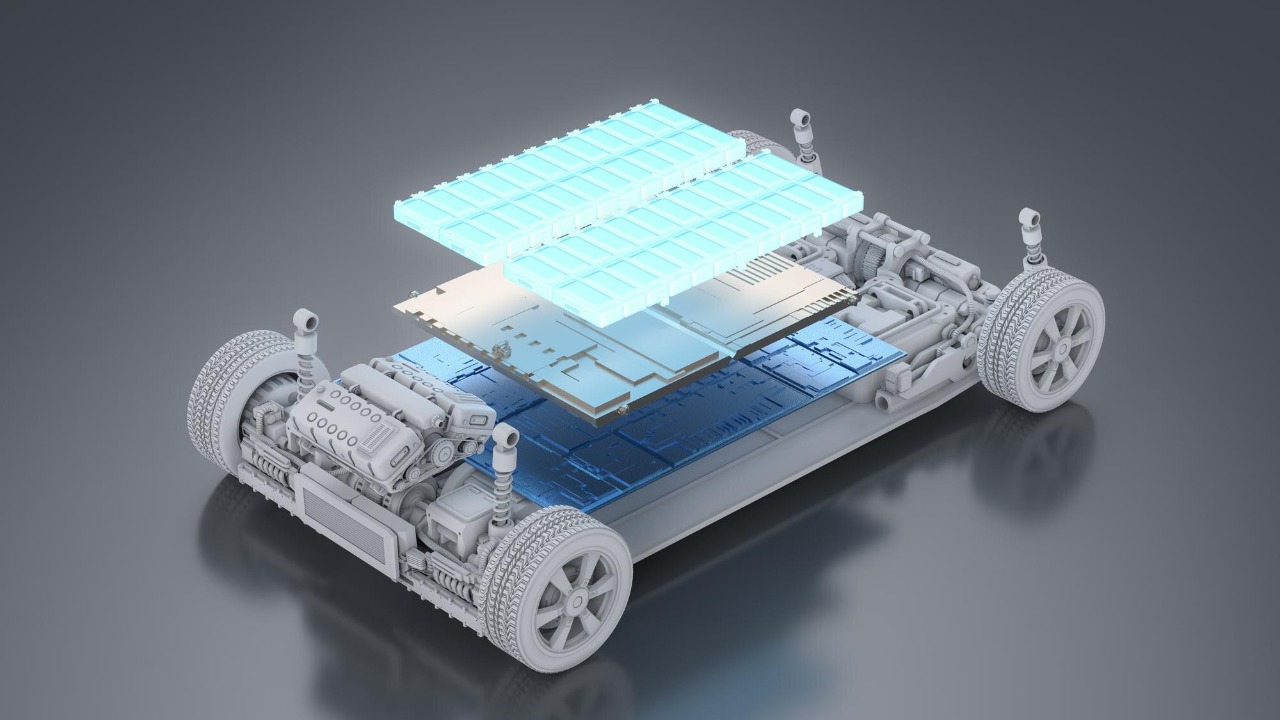
The new EV battery, designed with cutting-edge chemistry and structural innovations, represents a substantial leap forward from previous models. This battery utilizes advanced materials that allow ions to move more freely and recharge at unprecedented speeds. Such advancements have been made possible through novel research in battery chemistry, which focuses on optimizing the electrode materials and the electrolyte composition to enhance performance and safety.
In comparison to existing fast-charging technologies, the new battery stands out by overcoming some of the significant limitations faced by its predecessors. While current fast-charging solutions can recharge batteries within 20-30 minutes, they often compromise battery life and efficiency. Industry experts believe that the introduction of four-minute charging could set a new standard, offering a more sustainable and efficient solution to powering electric vehicles.
Potential Impact on the EV Market

Faster charging times could significantly enhance the appeal of electric vehicles among consumers who have been hesitant due to lengthy charging durations. By eliminating one of the most common barriers to EV adoption, this technology has the potential to attract a broader audience and accelerate the transition to electric mobility. As consumers grow more comfortable with the idea of electric cars that recharge almost as quickly as refueling a gasoline vehicle, the shift in consumer sentiment could lead to a surge in EV sales.
The ripple effect of this innovation could extend to the broader EV infrastructure, influencing the design and function of charging stations. With faster charging capabilities, the demand on power grids could increase, necessitating upgrades in grid management and energy distribution. Furthermore, this advancement may intensify competition among leading EV manufacturers, each vying to integrate the latest battery technology into their vehicles to capture market share.
Challenges and Considerations
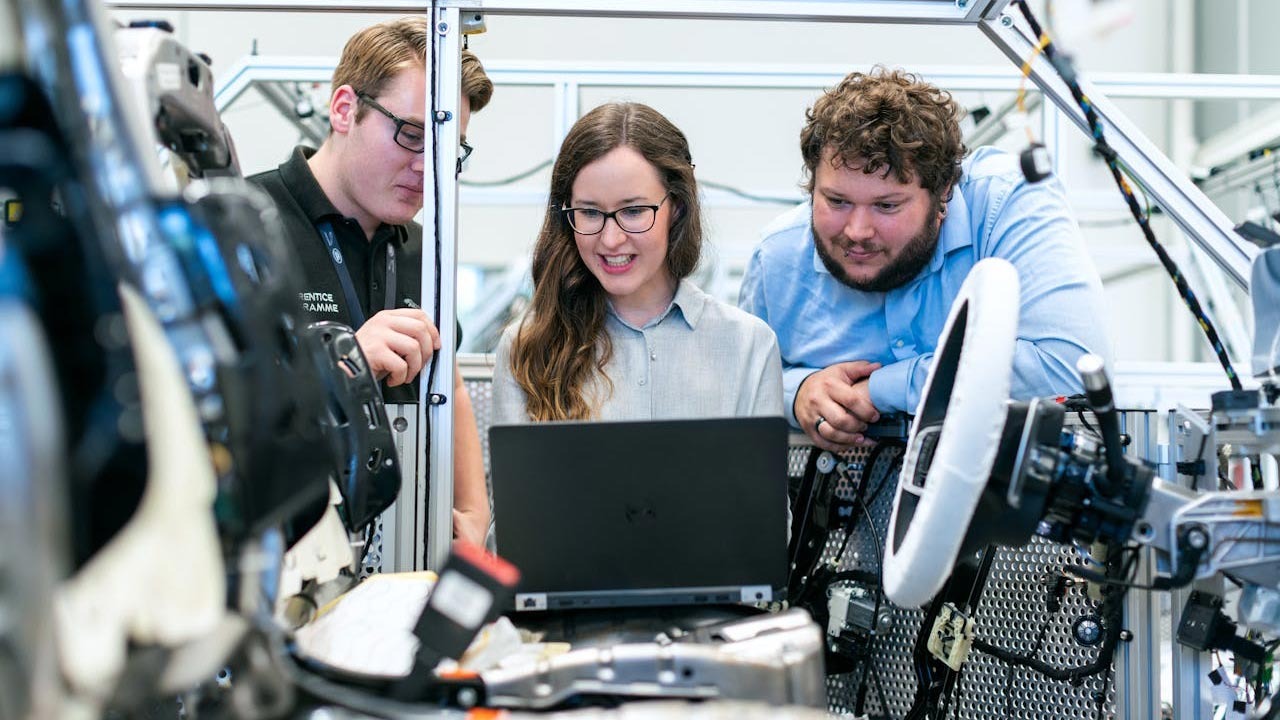
Despite the promising potential of four-minute charging, several technical challenges must be addressed. One critical issue is heat management, as rapid charging can lead to significant heat generation, which could degrade the battery over time. Researchers are actively exploring solutions to mitigate these effects and ensure the longevity and safety of the batteries.
Safety considerations and regulatory standards will also play a crucial role in the adoption of high-speed charging technologies. Ensuring that these batteries meet stringent safety requirements is essential to prevent accidents and build consumer trust. Moreover, economic factors, including the cost of production and the pricing strategy for consumers, will determine how quickly this technology can be brought to market.
Global Implications and Adoption
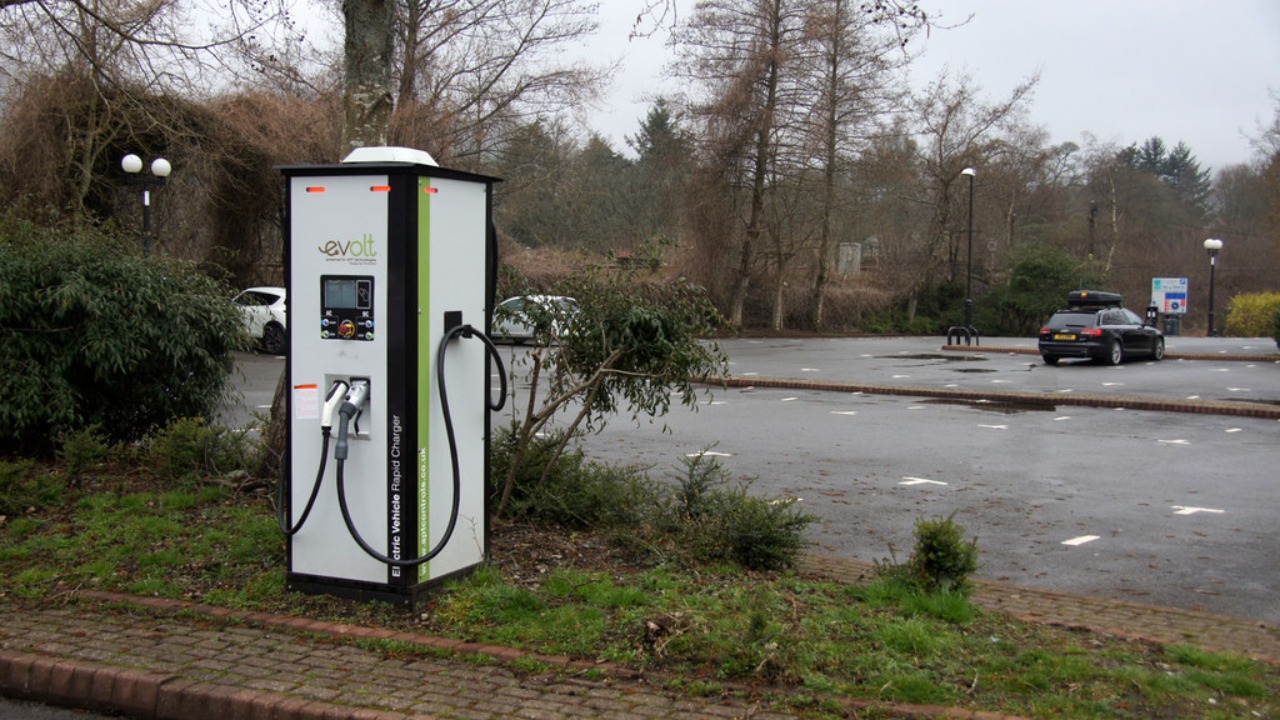
The global implications of this innovation could be profound, particularly in regions with emerging EV industries. Faster charging times could make electric vehicles more viable in areas where charging infrastructure is still developing. Countries with supportive government policies and incentives may see a quicker adoption rate, as these measures can help offset the initial costs of integrating new technologies.
Collaborations between technology companies and automotive manufacturers are likely to increase as they work together to leverage this breakthrough. Such partnerships could drive innovation and lead to further advancements in battery technology and electric vehicle design, ultimately benefiting consumers and the environment alike.
Future Prospects and Innovations
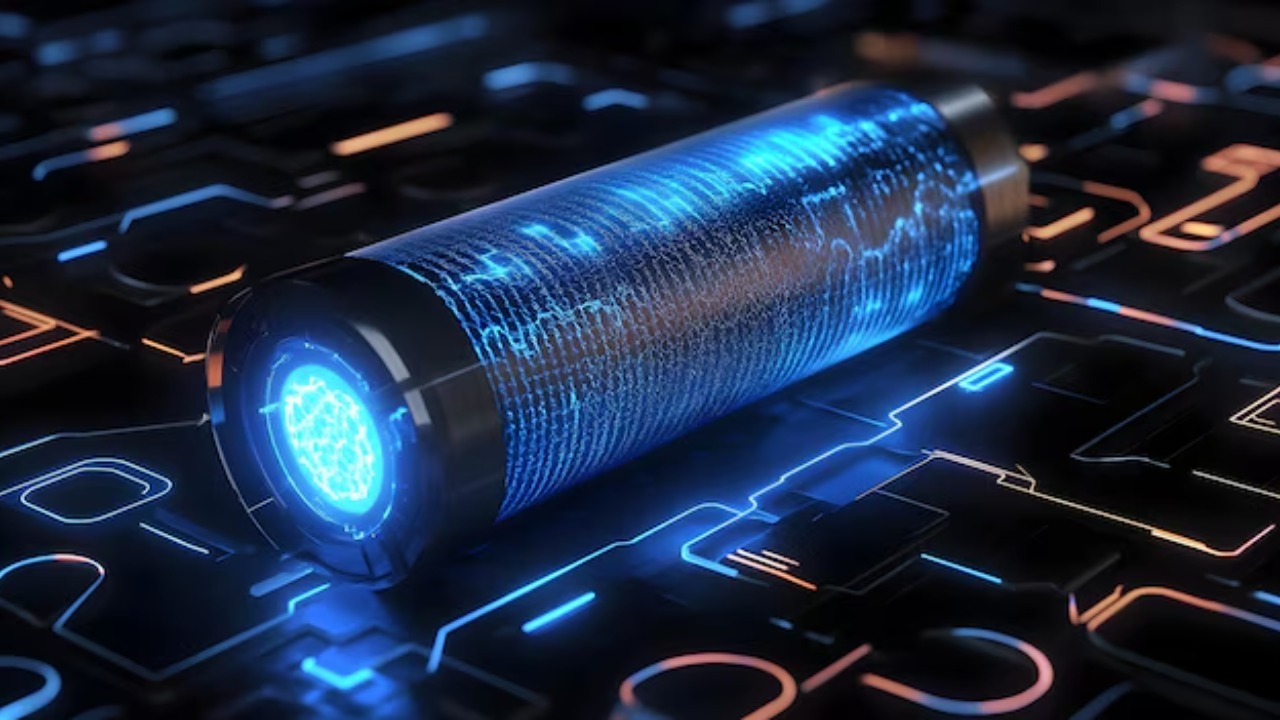
Looking ahead, the potential for future advancements in battery technology remains vast. As researchers continue to push the boundaries of what’s possible, we may see even more revolutionary developments that could further enhance the efficiency and sustainability of electric vehicles. The implications of these advancements could extend beyond the automotive industry, inspiring innovations in renewable energy storage and grid management solutions.
Experts predict that the timeline for the commercial availability and mainstream adoption of four-minute charging batteries could be shorter than expected, with significant strides already being made. As these technologies become more widespread, they hold the promise of transforming not only the electric vehicle market but also the broader landscape of energy consumption and sustainability.
