DNA analysis has revolutionized our understanding of history, offering insights into the lives and legacies of famous figures. From confirming royal identities to uncovering genetic conditions, these discoveries provide a fascinating glimpse into the past. Here are eight remarkable DNA findings that have reshaped our understanding of historical figures.
Richard III’s Confirmed Identity and Physical Traits
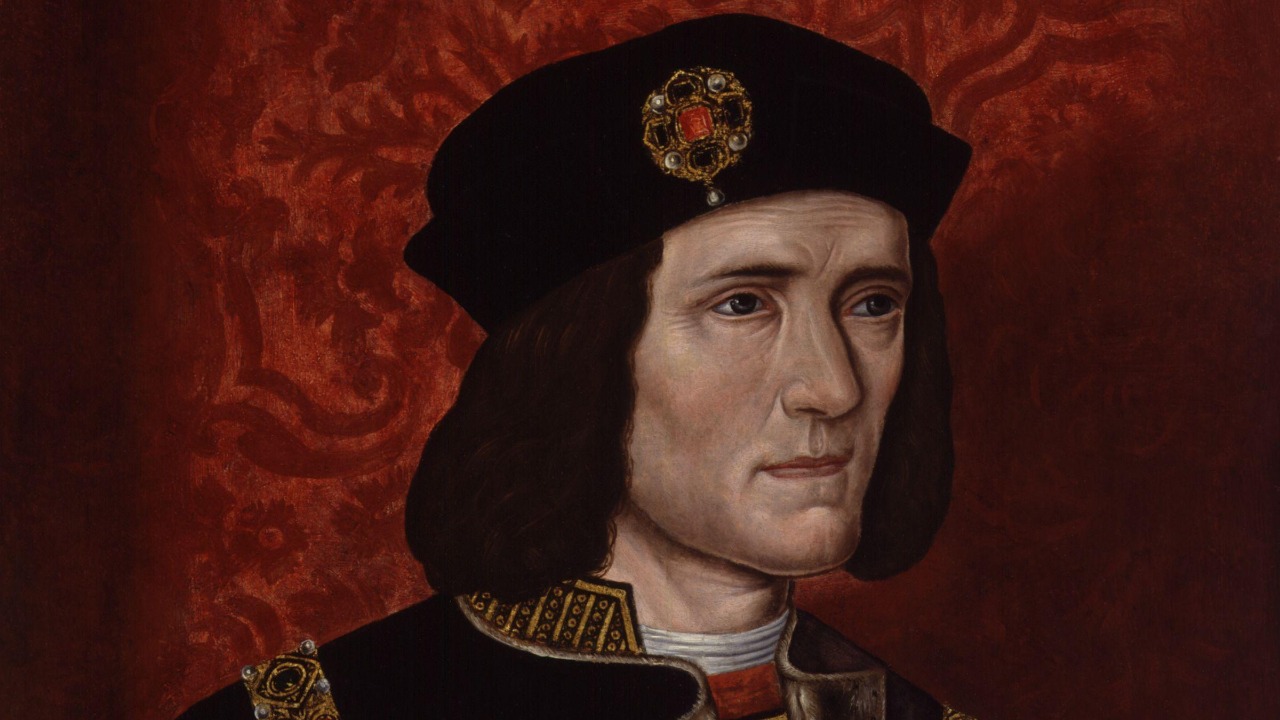
In 2012, a skeleton discovered beneath a parking lot in Leicester, England, was identified as King Richard III through DNA analysis. This identification was confirmed on February 4, 2013, by matching mitochondrial DNA from living descendants. The analysis not only confirmed his identity but also revealed physical traits, such as variations in eye color, providing a more detailed picture of the last Plantagenet king’s appearance. Source.
Further analysis of Richard III’s remains revealed scoliosis, a condition that caused a curvature of the spine, which corroborated historical accounts of his appearance. This physical deformity, often exaggerated by Tudor propaganda, was confirmed through the skeletal evidence. Additionally, isotopic analysis of his teeth and bones provided insights into his diet and lifestyle, indicating a high-protein diet consistent with nobility of the time. These findings have enriched our understanding of Richard III, offering a more nuanced view of his life and reign. Source.
Tutankhamun’s Incestuous Lineage and Health Issues
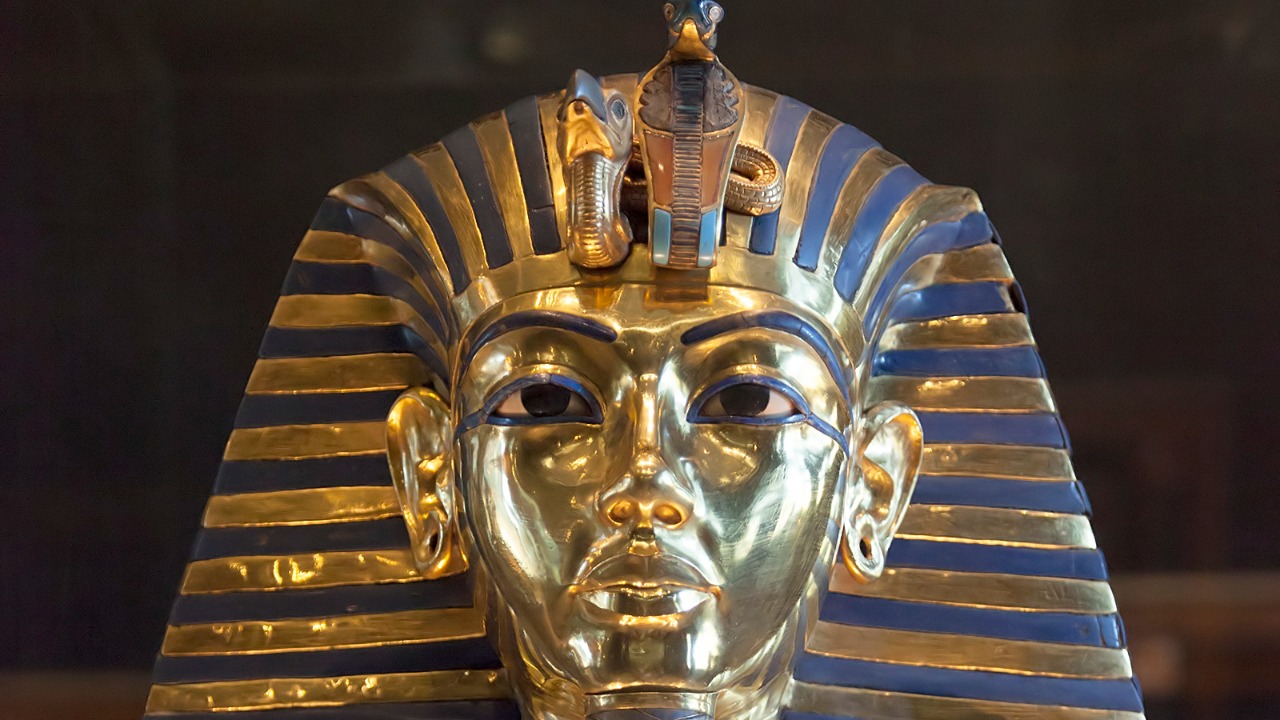
DNA tests conducted in 2010 on Egyptian mummies revealed that Tutankhamun was the product of an incestuous relationship between his father, Akhenaten, and his mother, who were siblings. This genetic background explained many of his health issues, including a club foot and his premature death from malaria around 1323 BCE. The study, led by Zahi Hawass, strongly suggested a sibling relationship, reshaping our understanding of the young pharaoh’s life and challenges. Source.
The genetic analysis also revealed that Tutankhamun suffered from several other health issues, including a cleft palate and scoliosis. These conditions, along with his club foot, would have significantly impacted his mobility and daily life. The study highlighted the consequences of royal inbreeding, which was common in ancient Egypt to preserve the purity of the royal bloodline. This genetic isolation likely contributed to the various ailments that plagued the young pharaoh, offering a deeper understanding of the challenges he faced during his short reign. Source.
Thomas Jefferson’s Paternity with Sally Hemings
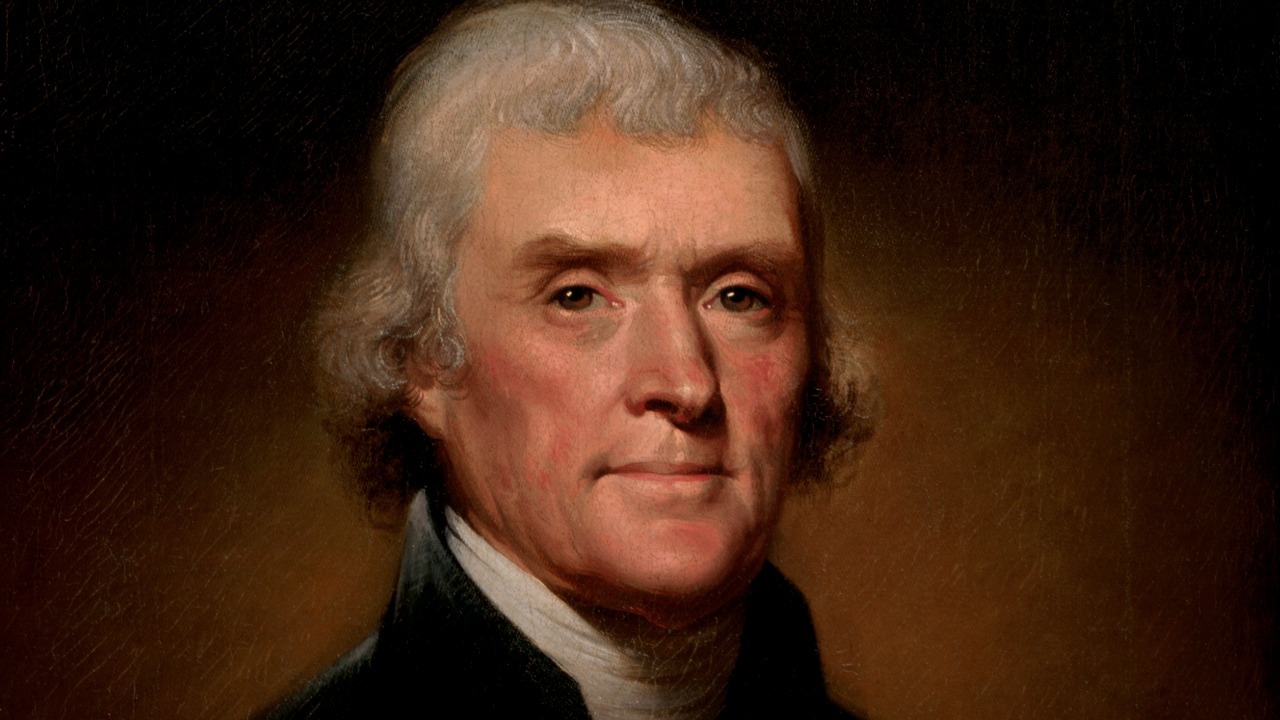
In 1998, DNA evidence from Y-chromosome testing linked Thomas Jefferson to the father of at least one child with Sally Hemings, an enslaved woman. This finding supported long-held suspicions about Jefferson’s relationship with Hemings during his presidency from 1801 to 1809. The study, published in the journal Nature, was conducted at Monticello, Virginia, and provided a significant historical insight into Jefferson’s personal life. Source.
The DNA evidence has sparked ongoing debates about the nature of Jefferson’s relationship with Hemings, as well as the implications for understanding the complexities of race, power, and family in early American history. The findings have prompted historians to re-evaluate Jefferson’s legacy, considering the personal and political dynamics of his time. This revelation has also led to increased interest in the lives of Hemings and her descendants, who played significant roles in the broader narrative of American history. Source.
The Romanov Family’s Tragic Confirmation
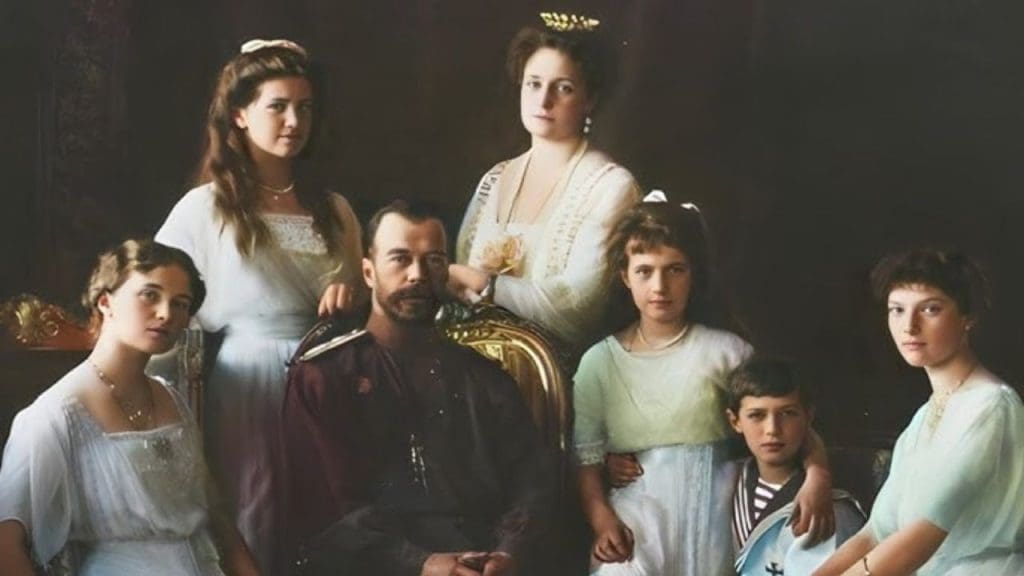
DNA analysis of remains found in a 1991 excavation in Ekaterinburg and additional remains discovered in 2007 confirmed the execution of Tsar Nicholas II, Empress Alexandra, and their children on July 17, 1918. This discovery debunked myths about the survival of Anastasia, one of the tsar’s daughters, and provided closure to one of the 20th century’s most enduring mysteries. Source.
The confirmation of the Romanov family’s fate through DNA testing has had a profound impact on Russian history and collective memory. It ended decades of speculation and conspiracy theories about the possible survival of any family members. The identification process involved comparing the DNA of the remains with that of living relatives, including Prince Philip, Duke of Edinburgh, who was a maternal relative of the Romanovs. This scientific approach provided a definitive conclusion to a tragic chapter in history, allowing for the proper burial and commemoration of the last Russian imperial family. Source.
Beethoven’s Genetic Causes of Deafness and Death
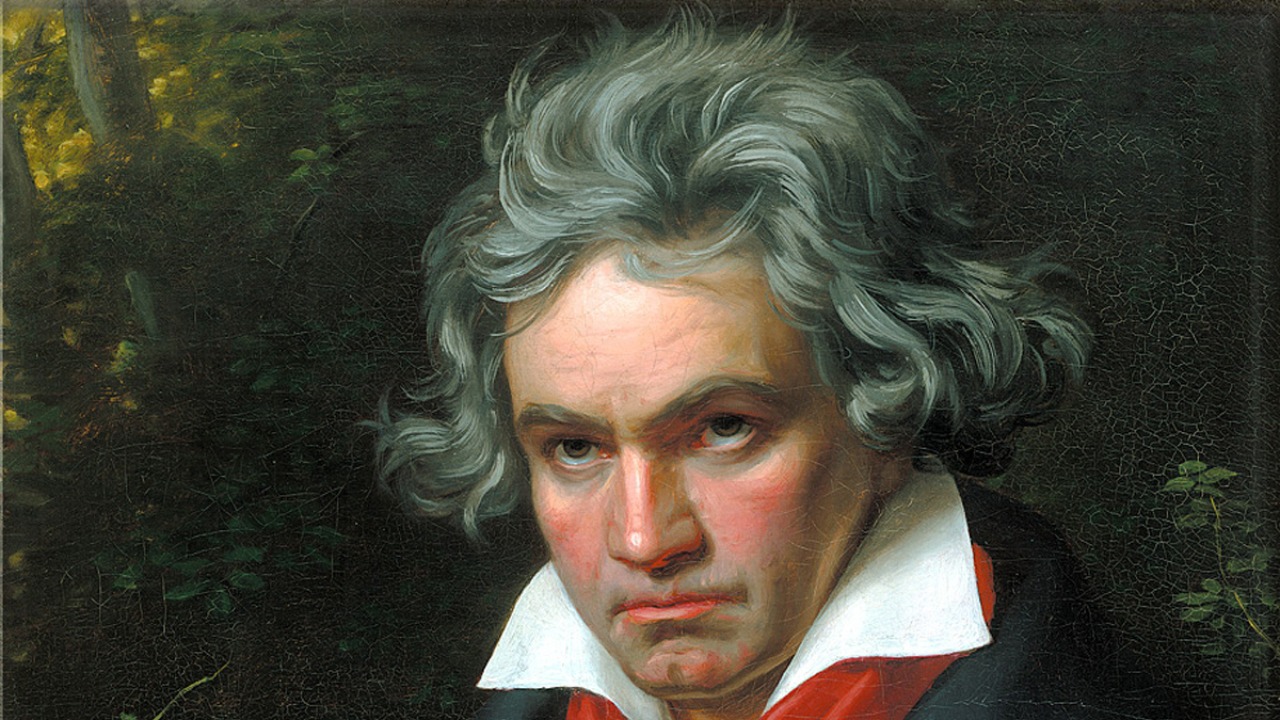
In 2023, whole-genome sequencing of hair strands preserved since 1805 and 1827 revealed that Beethoven’s hearing loss was due to otosclerosis, and his death was caused by liver failure from hepatitis B. This analysis dispelled previous theories that lead poisoning was responsible for his health issues, offering a clearer understanding of the composer’s medical history. Source.
The genetic analysis of Beethoven’s hair also revealed a predisposition to certain diseases, including a genetic risk for liver disease, which was exacerbated by his alcohol consumption. This insight into his health challenges has provided a more comprehensive understanding of the factors that influenced his life and work. The findings have sparked renewed interest in how Beethoven’s health may have affected his compositions and the emotional depth of his music. This genetic perspective adds a new dimension to the study of one of history’s greatest composers. Source.
Blue-Eyed Ancestors of Famous Figures Like Elizabeth I
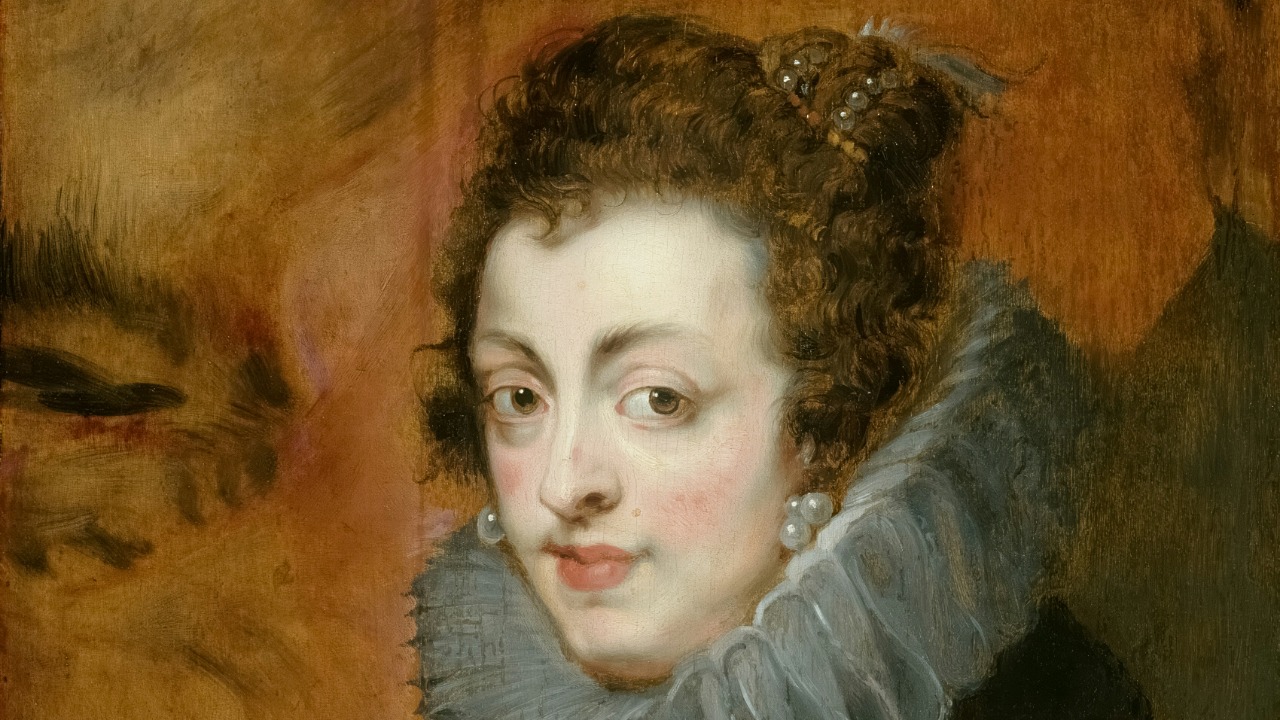
Research has shown that all individuals with blue eyes share a common ancestor who lived 6,000 to 10,000 years ago. This genetic mutation in the HERC2 gene on chromosome 15 links historical figures such as Queen Elizabeth I to this shared origin. The mutation is believed to have occurred in the Black Sea region, highlighting a fascinating genetic connection among blue-eyed individuals. Source.
This genetic link among blue-eyed individuals has intrigued scientists and historians alike, as it suggests a shared lineage that transcends geographical and cultural boundaries. The mutation responsible for blue eyes is thought to have spread rapidly due to its neutral effect on survival, allowing it to persist through generations. This discovery has implications for understanding human migration patterns and the interconnectedness of populations throughout history. It also highlights the role of genetic mutations in shaping human diversity and the traits of notable historical figures. Source.
Genghis Khan’s Vast Genetic Legacy
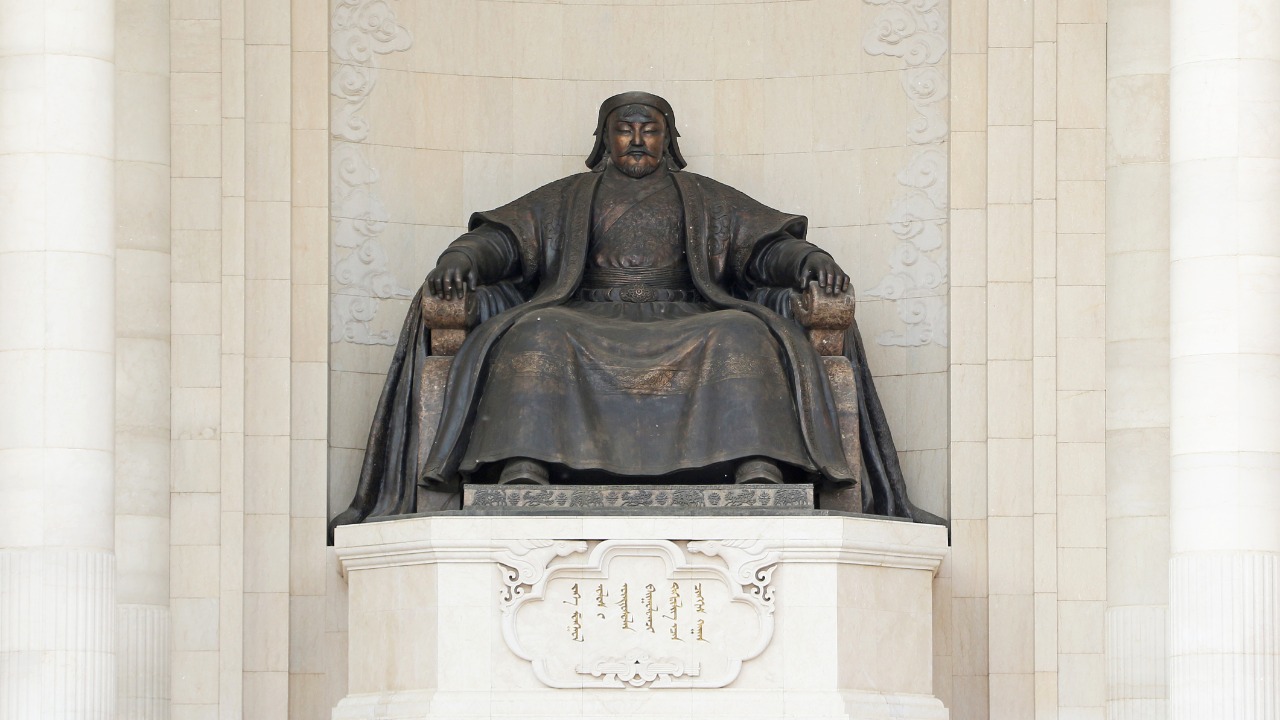
A 2003 study estimated that 16 million men today carry Y-chromosome DNA from Genghis Khan, due to his extensive conquests across Asia in the 13th century. This genetic legacy accounts for approximately 0.5% of the world’s male population, illustrating the profound impact of Khan’s empire, which originated in Mongolia. Source.
The study of Genghis Khan’s genetic legacy has provided insights into the social and political structures of his time, illustrating how his empire facilitated the spread of his lineage. The genetic footprint left by Khan and his descendants is a testament to the vast reach of the Mongol Empire, which at its height, spanned from Eastern Europe to the Sea of Japan. This genetic legacy underscores the historical impact of Khan’s conquests and the enduring influence of his descendants across Asia and beyond. Source.
Abraham Lincoln’s Marfan Syndrome Confirmation
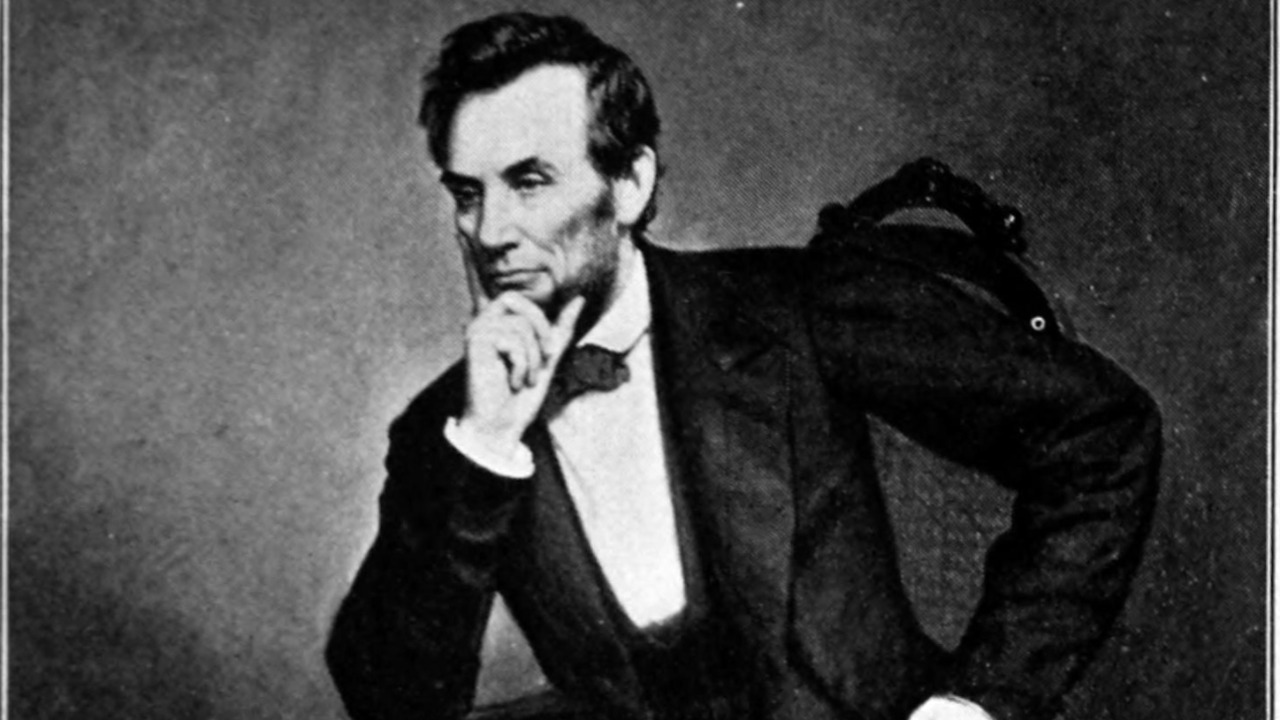
In 2012, genetic analysis of historical photos and medical records suggested that Abraham Lincoln had Marfan syndrome, a connective tissue disorder. This conclusion was supported by DNA modeling from family traits during his presidency in the 1860s. Lincoln’s height of 6 feet 4 inches was consistent with the condition, offering a new perspective on the health of one of America’s most iconic presidents. Source.
The hypothesis of Lincoln having Marfan syndrome has led to discussions about how this condition might have influenced his physical and mental health. Marfan syndrome can affect cardiovascular health, which may have contributed to Lincoln’s reported fatigue and other health issues during his presidency. Understanding Lincoln’s potential health challenges provides a more nuanced view of his leadership and resilience during one of the most tumultuous periods in American history. This genetic insight adds depth to the study of Lincoln’s life and legacy. Source.
