Researchers at Northwestern University have made a significant advancement in quantum photonics with the development of a molecular coating designed to clean up noisy quantum light. This innovation effectively reduces quantum noise, paving the way for scalable single-photon sources, a critical component for quantum technologies. The development addresses key challenges in producing high-quality quantum light for applications in computing and communication.
The Challenge of Noisy Quantum Light

Quantum light sources inherently produce noise, which degrades signal quality and limits scalability in quantum systems. This noise presents a significant obstacle to the practical implementation of quantum technologies, as it can interfere with the precise operations required in quantum computing and communication. Traditional methods of filtering quantum noise often introduce additional losses or complexity, making them less than ideal solutions.
The need for cleaner quantum light is pressing, especially as the field of quantum technologies continues to grow. Cleaner quantum light is essential for enabling practical quantum networks and sensors, which require high-fidelity signals to function effectively. The development of a solution that can reduce quantum noise without introducing additional losses or complexity is therefore a significant step forward in the field.
Development of the Molecular Coating
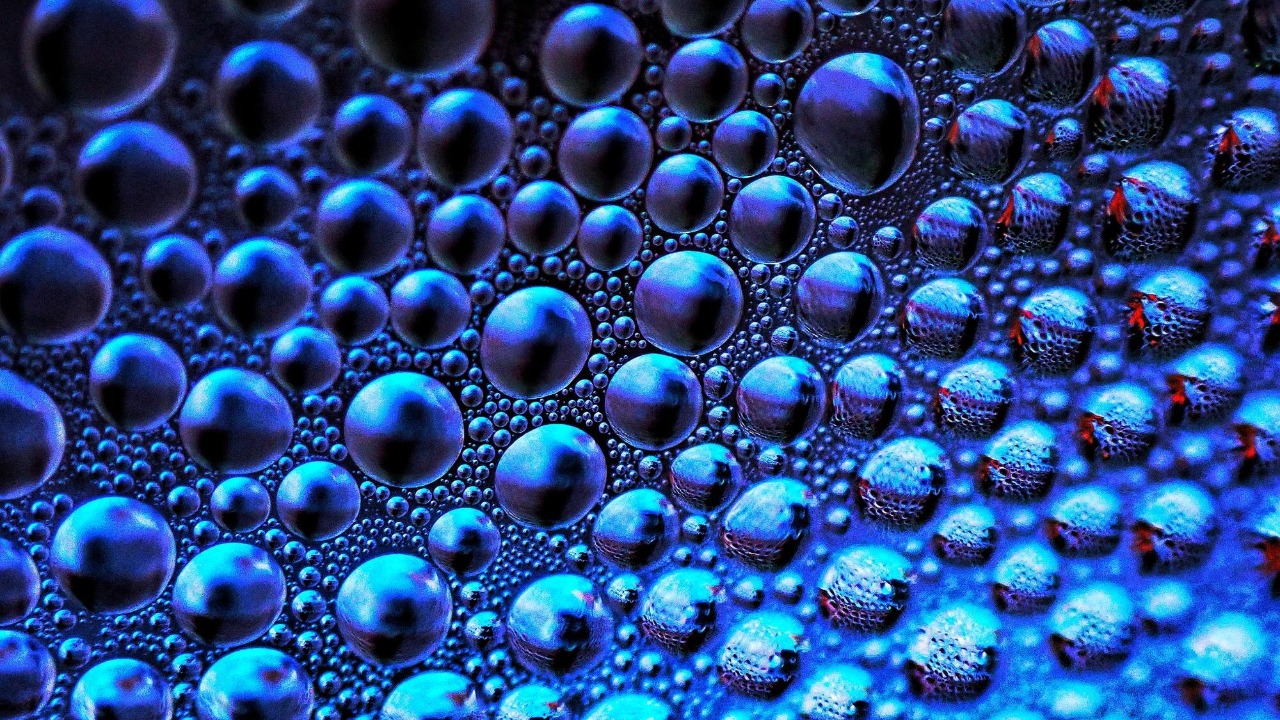
The molecular coating is a product of extensive research and experimentation. According to the news release from Northwestern University, the coating was designed to interact with quantum light in a unique way, effectively reducing noise without compromising the integrity of the signal. The researchers used a combination of theoretical and experimental methods to optimize the coating’s composition and structure for quantum applications.
The development of the molecular coating represents a significant breakthrough in the field of quantum photonics. It is a testament to the potential of molecular engineering in addressing complex challenges in quantum technologies. The coating’s unique properties and its effectiveness in reducing quantum noise open up new possibilities for the design and development of quantum devices.
How the Coating Reduces Quantum Noise

The molecular coating’s noise-reducing capabilities are rooted in its unique interaction with quantum light. As detailed in the news release from Northwestern University, the coating works by selectively interacting with the quantum photons, suppressing the noise while preserving the signal. This selective interaction is a result of the coating’s molecular structure, which was specifically designed for this purpose.
The coating’s effectiveness in reducing quantum noise has been validated through rigorous experimental testing. The results show a significant reduction in noise levels when the coating is applied, confirming its potential as a practical solution for noise management in quantum systems. This represents a major advancement over traditional noise-reduction techniques, which often introduce additional losses or complexity.
Applications in Single-Photon Sources
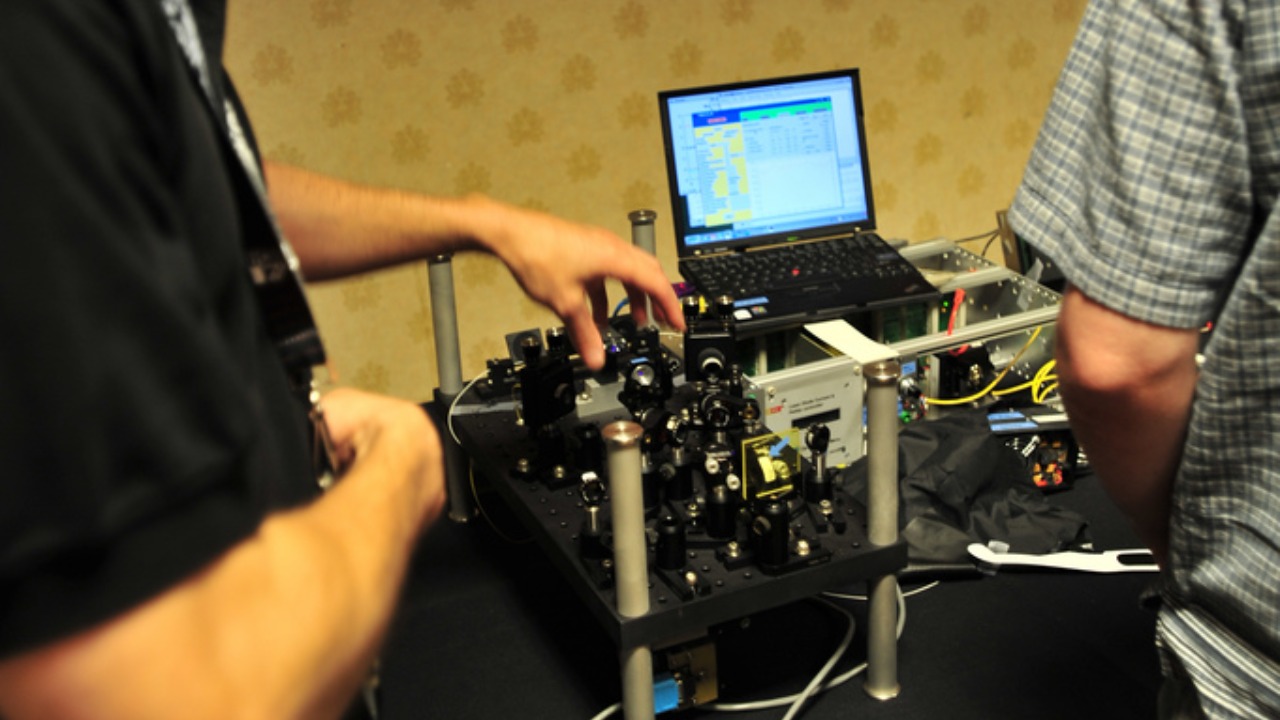
The molecular coating’s potential applications extend to various areas of quantum technologies, with single-photon sources being one of the most promising. As outlined in the Photonics.com article, the coating’s ability to reduce noise without introducing additional losses or complexity makes it an ideal solution for improving the quality and scalability of single-photon sources. These sources are critical for quantum information processing, and their performance directly impacts the effectiveness of quantum computing and communication systems.
By integrating the molecular coating with existing quantum hardware, it is possible to enhance the generation of single photons, thereby improving the overall performance of quantum devices. This could lead to the development of more efficient and reliable quantum systems, paving the way for the practical implementation of quantum technologies.
Implications for Quantum Technologies
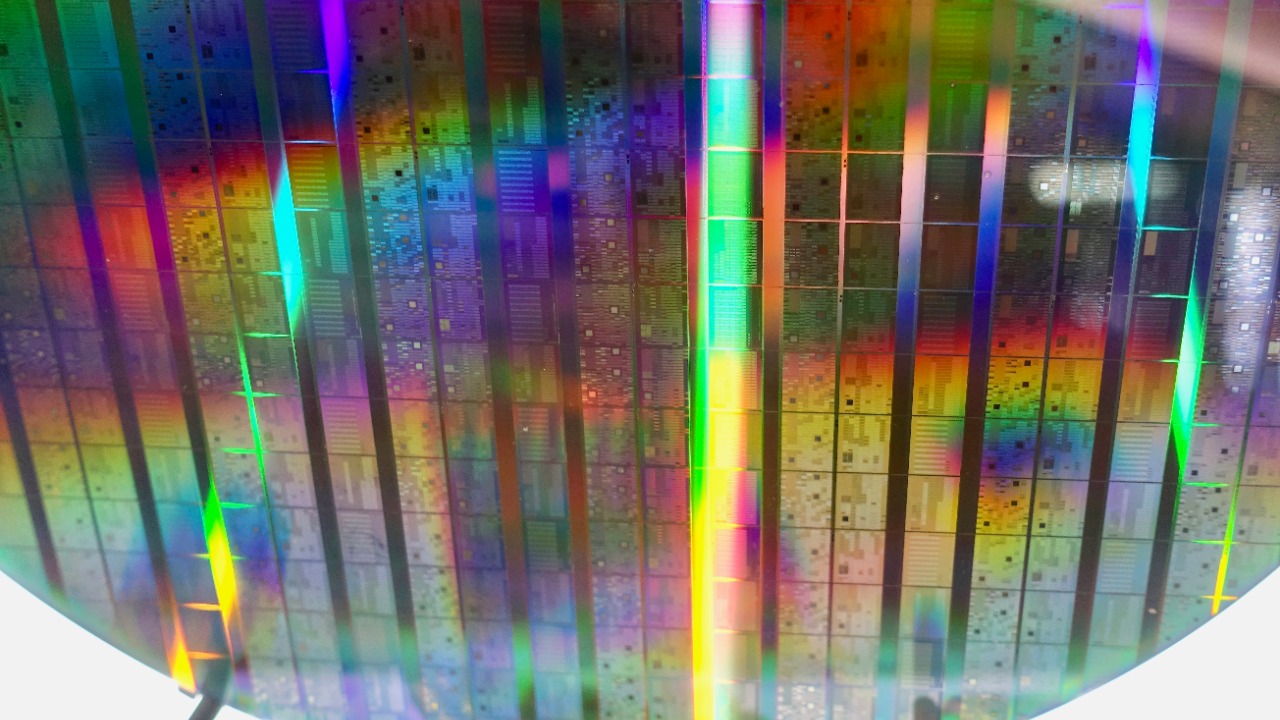
The molecular coating’s ability to clean up noisy quantum light has far-reaching implications for quantum technologies. As reported by Northwestern University, the coating could significantly improve the scalability of single-photon sources, a critical component for quantum information processing. This could lead to advancements in quantum computing and secure communication systems, enabling more efficient and secure data processing and transmission.
Furthermore, the molecular approach to noise management introduced by the coating could inspire future research in the field. By building on this approach, it may be possible to develop even more effective solutions for noise management in quantum systems. This could lead to further advancements in quantum technologies, accelerating the transition from theoretical research to practical applications.
Broader Impact and Future Outlook
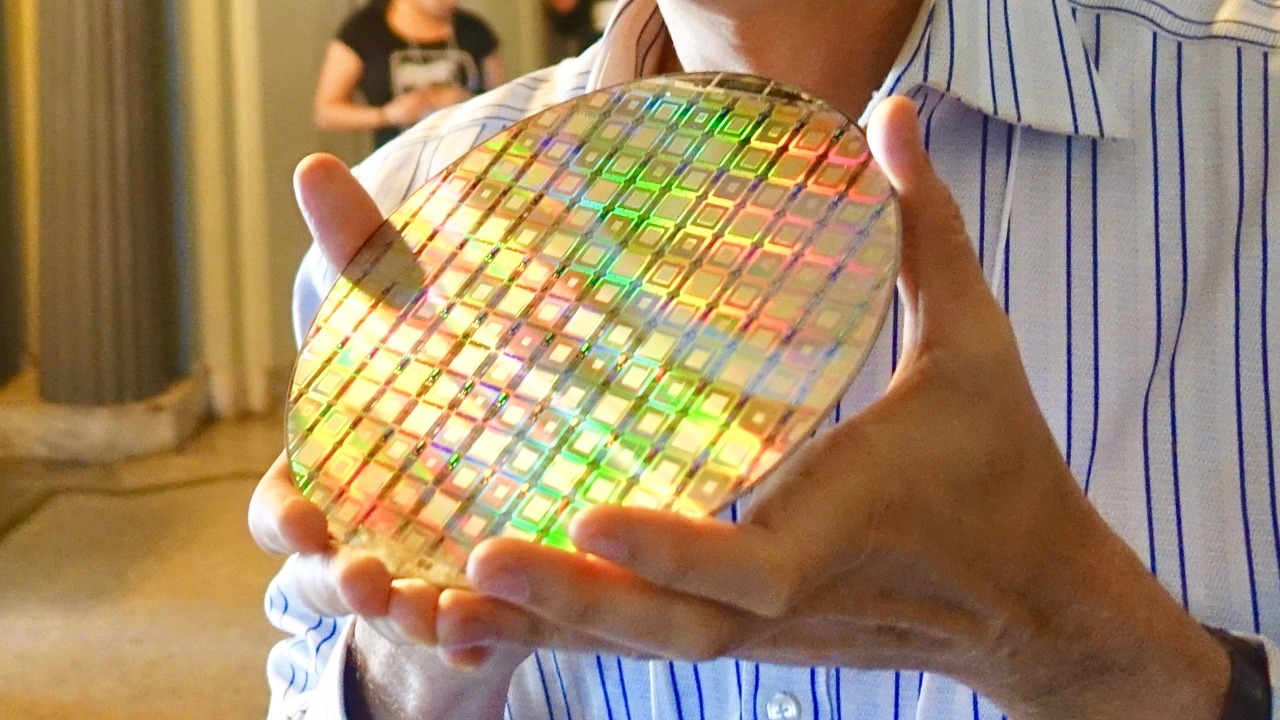
The impact of the molecular coating extends beyond quantum photonics and could potentially influence other fields such as quantum sensing and imaging. As highlighted in the Photonics.com article, the coating’s noise-reducing capabilities could improve the performance of quantum sensors and imaging systems, enabling more accurate and reliable measurements.
Despite the significant progress represented by the development of the molecular coating, challenges remain in the commercialization of quantum technologies. However, the coating’s potential to improve the quality and scalability of quantum light sources provides a promising outlook for the future of the field. As research and development continue, the impact of the molecular coating on quantum technologies is expected to become increasingly significant.
