Recent advancements in materials science have led to the development of a groundbreaking chainmail-like armor that can transform between solid and fluid states. This innovative material, inspired by medieval chainmail, holds the potential to revolutionize protective gear across various industries, offering enhanced flexibility and strength.
Revolutionary Material Science
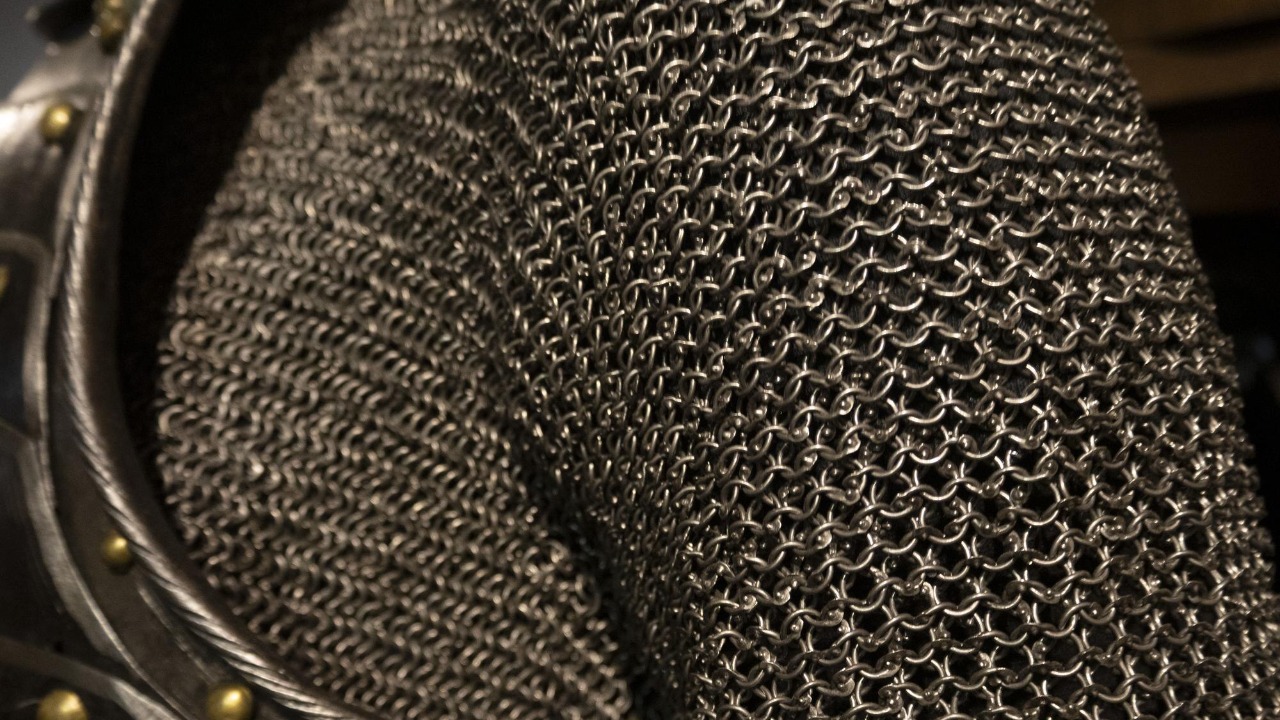
The chainmail-like armor represents a significant breakthrough in material science, boasting a unique ability to switch between rigid and flexible states. This transformative property is achieved through a carefully designed polymer structure that mimics the interlocking rings of traditional chainmail. The new material is crafted from a combination of lightweight, flexible polymers and metallic components, allowing it to harden under impact and return to a pliable state when the force is removed.
Scientific principles play a crucial role in this material’s design. The polymer structure is engineered to respond to external stimuli, such as pressure or temperature changes, by altering its physical state. This ability to morph between states is what sets it apart from conventional materials. Researchers have focused on developing a polymer matrix that can change its configuration, enhancing both durability and adaptability.
The development of this material is the result of collaborative efforts among renowned research institutions and scientists. For instance, a team at Northwestern University has been at the forefront of this innovation, working alongside industry partners to refine the material’s properties and explore its full potential. Their work is supported by various grants, including funding from the National Science Foundation, which underscores the importance and promise of this new technology.
Potential Applications in Protective Gear

The implications of this chainmail-like armor for protective gear are vast. In the military arena, this material could redefine soldier protection by providing armor that is not only more flexible but also more effective at dissipating the energy from impacts. Traditional military gear, often bulky and restrictive, could be replaced with this advanced armor, offering soldiers greater mobility without compromising safety.
Beyond military applications, the material holds promise in the sports industry. Protective gear made from this innovative material could significantly reduce the risk of injuries for athletes. For example, football players might benefit from helmets and pads that conform to their movements while still offering robust protection against collisions. This could lead to a decrease in concussions and other impact-related injuries, enhancing both performance and safety on the field.
Industrial safety gear is another area where this material could make a substantial impact. Workers in hazardous environments often require equipment that is both strong and flexible. The chainmail-like armor could provide enhanced protection against sharp objects, falls, and other workplace hazards while allowing for greater freedom of movement. This advancement could lead to safer work environments and potentially reduce the incidence of workplace injuries.
Comparisons to Traditional Materials

When compared to conventional materials like Kevlar and steel, the new chainmail-like armor offers several distinct advantages. It is significantly lighter, which reduces the burden on the wearer and enhances mobility. Its flexibility allows it to conform more naturally to the body, unlike rigid steel or layered Kevlar, which can be cumbersome and restrictive.
Case studies have demonstrated the material’s superiority in real-world applications. For instance, during testing phases, the armor was able to withstand impacts that would have penetrated traditional Kevlar vests, showcasing its enhanced protective capabilities. Additionally, the material’s ability to revert to a flexible state after impact offers a level of resilience and comfort not found in existing protective gear.
However, like any new technology, there are challenges to be addressed. Integrating this material into existing designs may require rethinking traditional manufacturing processes. While the material’s benefits are clear, the cost of production and the need for specialized equipment could pose initial barriers to widespread adoption. Nonetheless, ongoing research and development efforts are focused on overcoming these hurdles to make this revolutionary material more accessible.
Future Implications and Developments

The future of armor and protective gear looks promising as this chainmail-like material becomes more widely adopted. Its transformative properties could inspire further innovations across various fields. In robotics, for example, the material’s ability to switch between states could be used to create more adaptable and resilient robotic exoskeletons, enhancing both functionality and safety.
Space exploration could also benefit from this advancement. The harsh conditions of space require materials that can withstand extreme temperatures and impacts. The chainmail-like armor could provide spacecraft and astronauts with enhanced protection, ensuring safety during missions. Similarly, in civil engineering, this material could be used in constructing buildings or bridges that can better absorb and dissipate energy from natural disasters like earthquakes.
Manufacturing processes may also undergo significant changes as this material becomes more prevalent. The demand for protective materials is expected to grow, potentially transforming the global market. Companies that invest in adapting their production lines to accommodate this new material could gain a competitive edge. Furthermore, the reduction in material weight and increase in durability could lead to cost savings in transportation and logistics.
Public and Professional Reception

The introduction of this chainmail-like armor has been met with enthusiasm within the scientific community. Researchers and experts have praised its innovative design and potential applications, viewing it as a significant step forward in material science. Publications like Northwestern News have highlighted the material’s transformative properties and its potential to set new standards in protective gear.
Public perception has been generally positive, though some concerns remain. Questions about the long-term safety and efficacy of the material are common, as is the case with any new technology. Consumers are eager to see how the material performs in real-world scenarios before fully embracing it. Ongoing studies and tests will play a crucial role in addressing these concerns and building public trust in the material’s capabilities.
Governments and funding bodies are showing interest in the potential of this technology. With applications spanning multiple industries, there is significant potential for economic growth and advancement. Continued investment in research and development is essential to fully realize the benefits of this material. As the technology progresses, it is likely that we will see increased funding opportunities and governmental support to bring this innovation to market.
