Recently, a remarkable discovery has emerged from the depths of France, where a new array of cave art has been uncovered. This find not only adds to the rich tapestry of prehistoric art but also offers fresh insights into the lives and expressions of our ancient ancestors. As researchers delve into this subterranean gallery, the implications for both art history and archaeology are profound.
The Significance of the Discovery
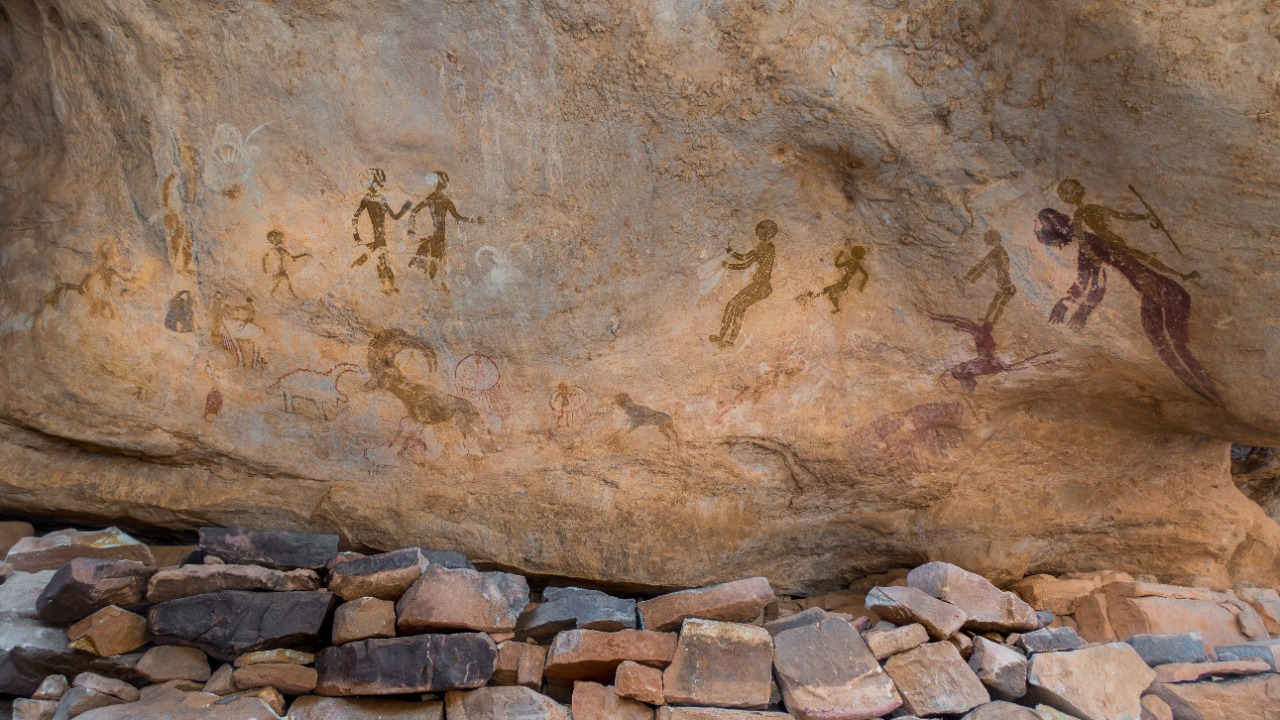
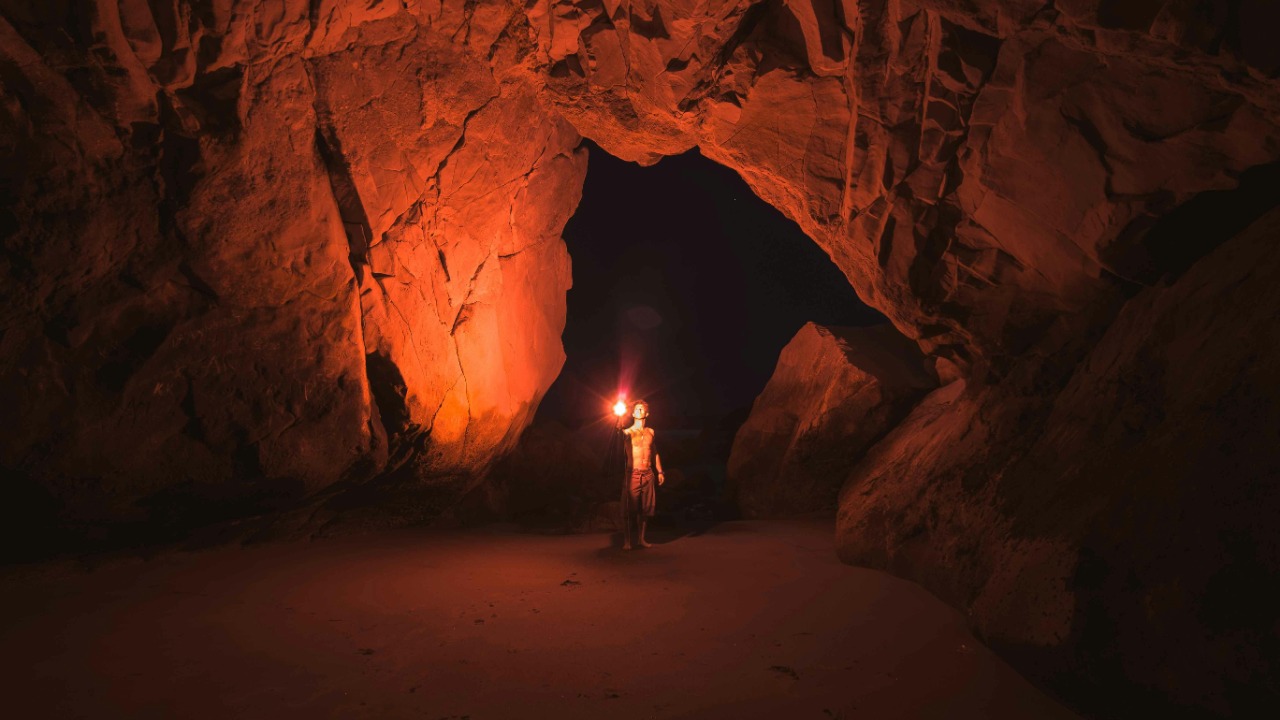
The newly discovered cave art, located deep within the French landscape, has captured the attention of archaeologists and art historians alike. Unlike many other sites, the precise location of this discovery is being closely guarded to protect its integrity. This find is being compared to other notable prehistoric sites such as Cosquer Cave, Lascaux, and Chauvet, each renowned for their extraordinary depictions of life during the Upper Paleolithic period.
Understanding the importance of this discovery requires a comparison with these other iconic sites. The Lascaux and Chauvet caves, for instance, are celebrated for their intricate and vivid portrayals of animals and human figures. The recent find adds a new dimension to this prehistoric narrative, potentially offering insights into different regional styles or symbolic meanings. The significance lies not only in the art itself but in what it reveals about the culture and expression of early humans.
Artistic Characteristics and Techniques
The images uncovered in this cave include a variety of depictions, from animals such as horses and bison to abstract symbols whose meanings remain a mystery. Researchers have noted the use of materials such as charcoal and natural pigments, which have been preserved remarkably well over thousands of years. These materials suggest a level of sophistication in the creation process, indicating that the artists had a deep understanding of their tools and mediums.
Analysis of the stylistic elements reveals much about the skills and intentions of these prehistoric artists. The use of perspective, shading, and composition indicates a deliberate approach to storytelling and expression. The intricacies of these techniques provide a window into the cognitive and cultural development of early humans, highlighting their ability to convey complex ideas and emotions through art.
The Role of Children in Paleolithic Art
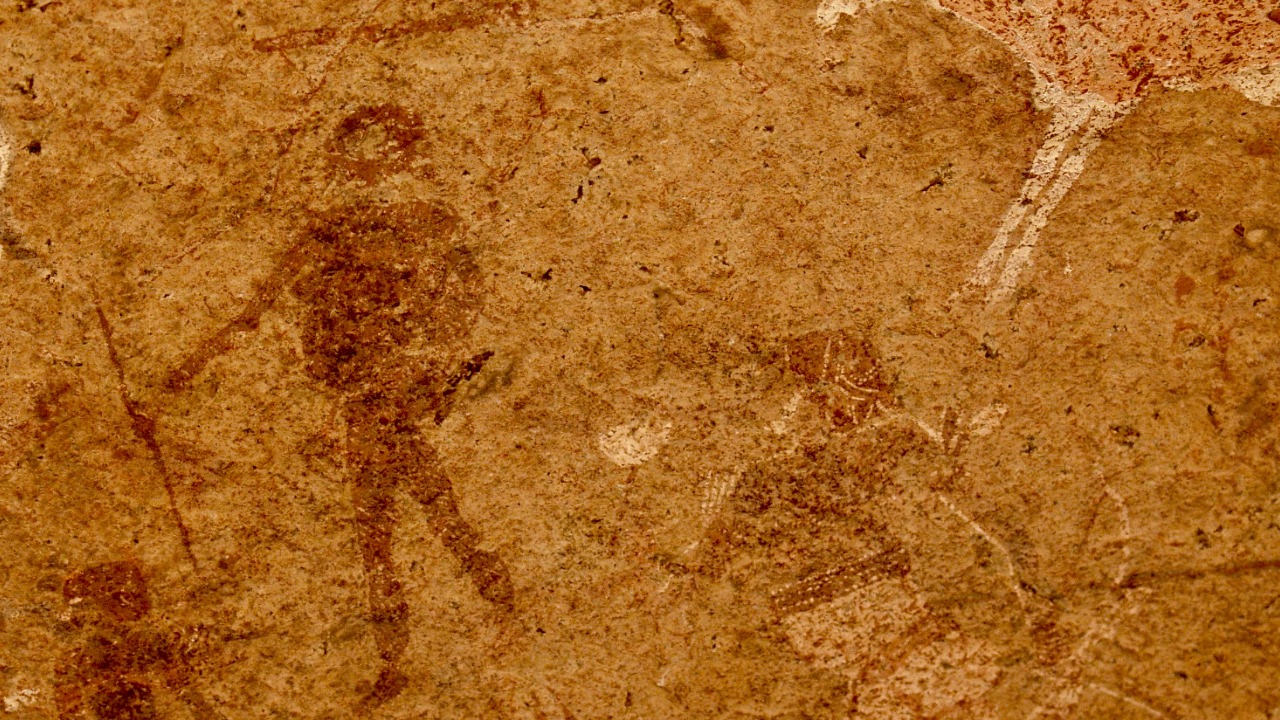
Recent studies have suggested the intriguing possibility that children may have played a role in the creation of cave art. Evidence of smaller handprints and simpler drawings within the artwork supports this theory. This involvement of children in art-making adds a new layer to our understanding of prehistoric communities, suggesting that artistic expression was a communal activity that included members of all ages.
The implications of children’s contributions are vast, offering insights into the social structures and educational practices of Paleolithic societies. According to a study published in Archaeology Magazine, this engagement in art may have been a method of learning and passing down cultural knowledge, underscoring the importance of art in social cohesion and communication.
Preservation and Challenges

The preservation of these newly discovered artworks presents both opportunities and challenges. Currently, efforts are being made to protect the art from environmental damage while allowing for academic study. The delicate nature of cave environments means that even slight changes in temperature or humidity can have detrimental effects on the art.
Advanced technologies and conservation techniques are playing a crucial role in maintaining these ancient artworks. Digital imaging and non-invasive scanning methods are being employed to create detailed records without physically altering the site. However, the balance between preservation and study remains a challenge, as researchers aim to learn from these artifacts without compromising their integrity.
Broader Implications for Archaeology and Art History
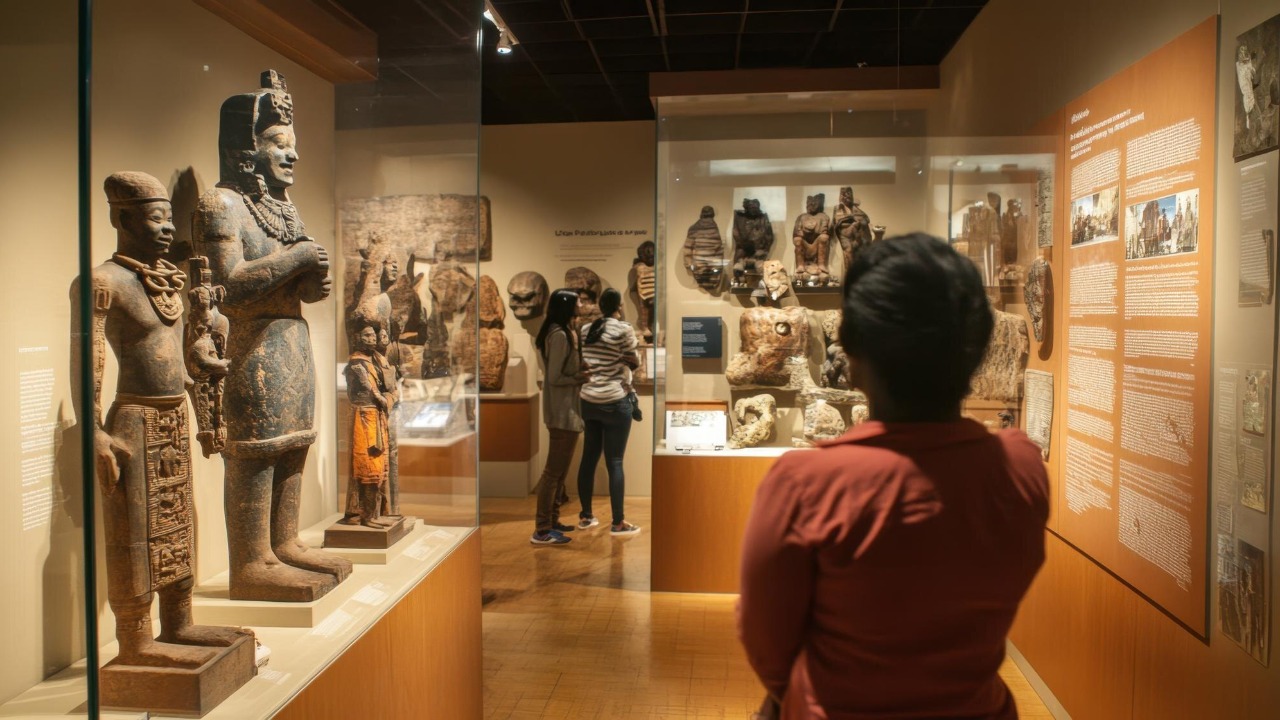
This discovery has the potential to reshape current theories about prehistoric life and human development. It challenges existing narratives about the evolution of artistic expression and the role of art in early human societies. The new findings may prompt a reevaluation of the methodologies used in studying ancient sites, influencing future archaeological practices.
The impact on the field of archaeology could be significant, as the discovery encourages a reexamination of how prehistoric communities lived and interacted. As more discoveries are made, they may reveal further aspects of humanity’s artistic heritage, offering an even richer understanding of our past. As noted in recent studies, continued exploration and analysis could unveil new dimensions of prehistoric life and creativity.
