Harnessing the renewable power of the sun has been a key focus of sustainable energy development. The main challenge, however, has been the ability to store this energy for extended periods. A breakthrough in battery technology now promises the potential to store solar energy for several months.
Understanding the Storage Challenge
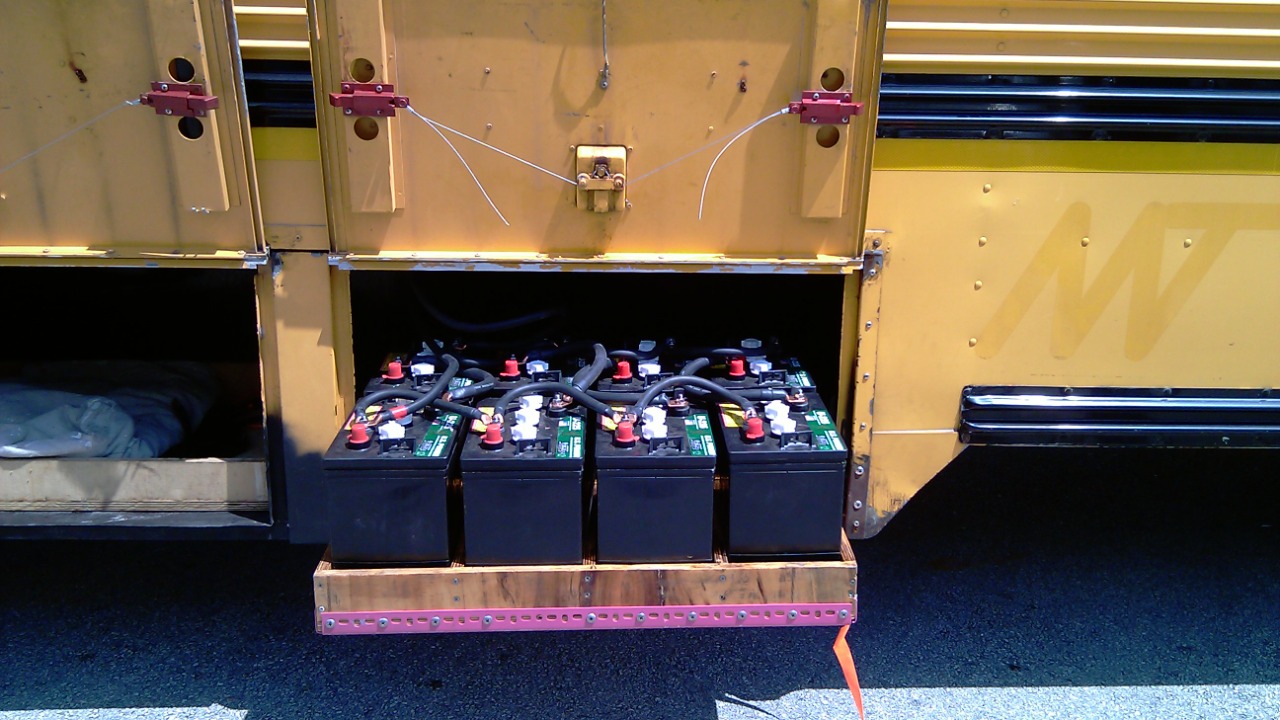
Traditional methods of storing solar energy have largely relied on batteries and thermal storage. However, these conventional methods present challenges. For instance, conventional batteries have a limited storage capacity and tend to degrade over time, reducing their efficiency and lifespan. Moreover, they have difficulty meeting the high energy demands during peak times, particularly during the winter months when solar energy is less available. This has led to an increased need for long-term storage solutions that can balance the seasonal energy demands.
This challenge has led to ongoing research and development efforts to find a sustainable and efficient solution to store solar energy for longer periods. The ideal solution would need to maintain its efficiency and capacity over time, while also being able to meet high energy demands during periods of low sunlight.
The New Battery: An Overview
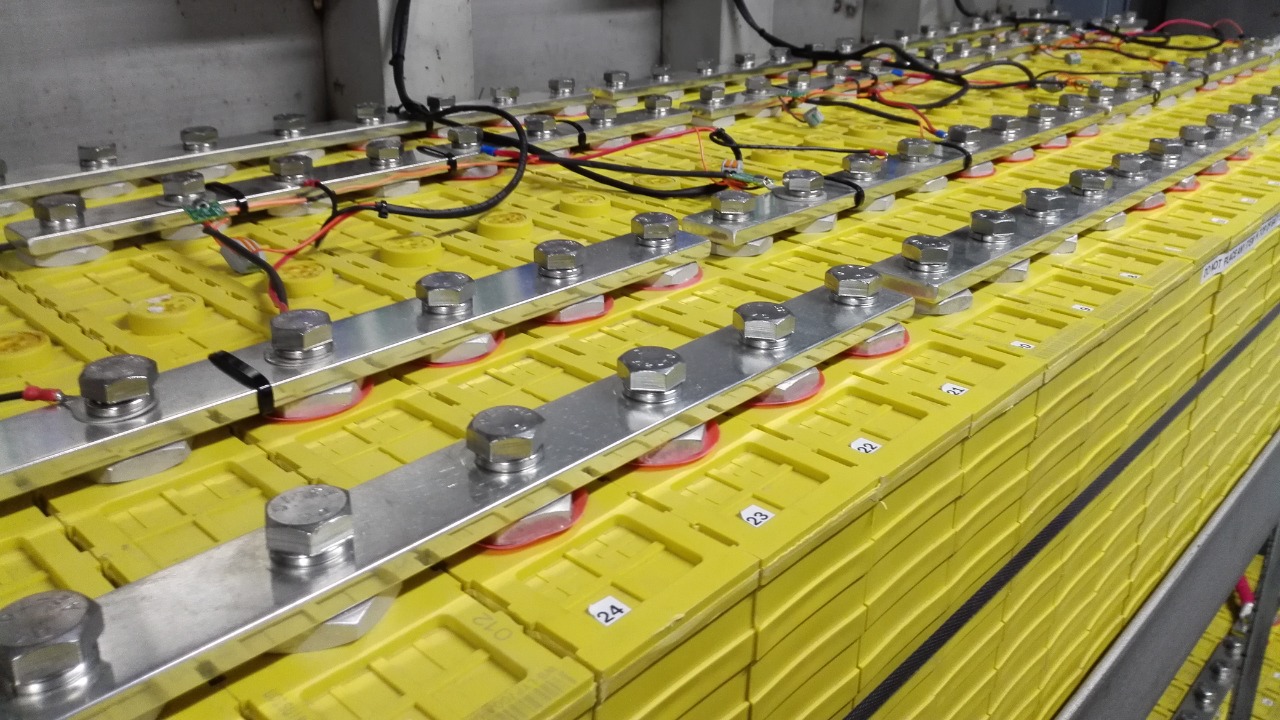
A recent breakthrough in battery technology offers a promising solution to the long-term storage challenge. This new technology is able to store solar energy for much longer periods than traditional batteries, potentially for several months. The battery achieves this by employing advanced materials and innovative design concepts.
Unlike traditional batteries, this new battery is designed to be more efficient and longer-lasting. It stores solar energy during periods of high sunlight and then releases this stored energy during periods of low sunlight. This allows it to provide a constant and reliable source of solar energy, even during the colder months when solar energy is less available. The ability to store solar energy for extended periods could have a significant impact on the future of renewable energy.
How the New Battery Works
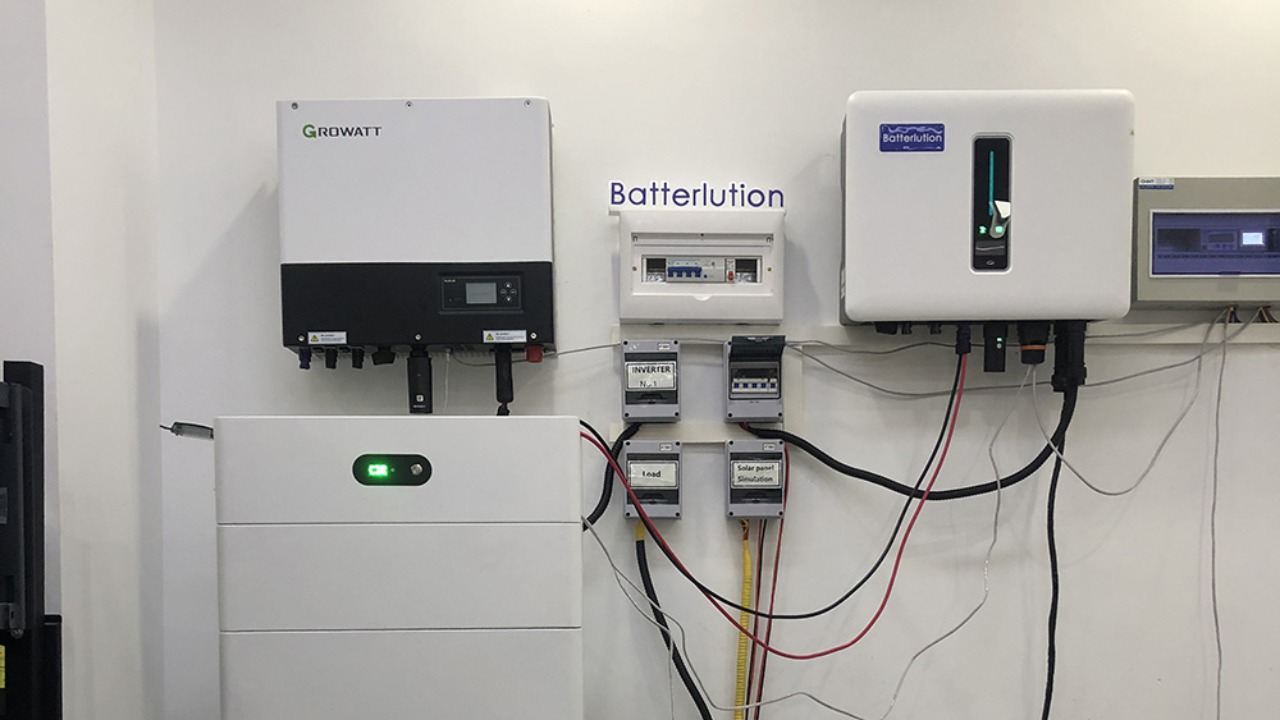
The advanced technology behind the new battery is based on a combination of innovative design concepts and advanced materials. The science behind it involves a unique energy storage mechanism that allows the battery to store solar energy for extended periods. This energy storage mechanism is different from traditional batteries, which tend to degrade over time and have limited storage capacity.
Compared to traditional batteries, this new battery offers several advantages. It has a higher storage capacity, longer lifespan, and greater efficiency. More importantly, it can meet high energy demands during peak times, making it a promising solution to the long-term storage challenge. The scientific research behind this technology holds promising potential for the future of solar energy storage.
Implications for Solar Energy Use

The potential impact of this new battery technology on solar energy use is significant. For one, it could provide a reliable source of solar energy during periods of low sunlight, such as during the winter months. This could lead to an increased use of solar energy, even in colder climates where solar energy is less available. Additionally, the ability to store solar energy for extended periods could lead to greater grid independence, reducing the reliance on traditional energy sources.
Given the increasing emphasis on sustainability and renewable energy, this new battery technology could play a key role in promoting the use of solar energy. For instance, it could help boost the number of rooftop solar installations, as homeowners could use the battery to store solar energy for use during periods of low sunlight.
Future Possibilities and Challenges

While this new battery technology offers promising potential for the future of solar energy storage, it also presents new challenges and areas for future research. For instance, while the battery offers a higher storage capacity and longer lifespan than traditional batteries, further research is needed to improve its efficiency and reduce its cost. Additionally, the battery’s large size could present challenges for its deployment in residential settings.
Despite these challenges, the potential applications for this new technology are vast. It could be used not only for residential solar energy storage, but also for commercial and industrial applications. With further research and development, this new battery technology could revolutionize the way we store and use solar energy.
As we continue to explore the possibilities of this indefinite storage of solar energy, it’s clear that the future of renewable energy is bright. The potential of this new battery technology, combined with continued advances in solar energy production, promises a future where renewable energy can meet our energy needs in a sustainable and efficient way.
