In a major leap forward for the electric vehicle (EV) industry, a new battery technology has emerged that promises to power EVs for up to 1,000 miles on a single charge. This breakthrough could revolutionize the future of electric transportation, impacting everything from the dynamics of the EV market to the potential reduction of range anxiety.
The Innovation: Introducing the 1,000 Mile Battery
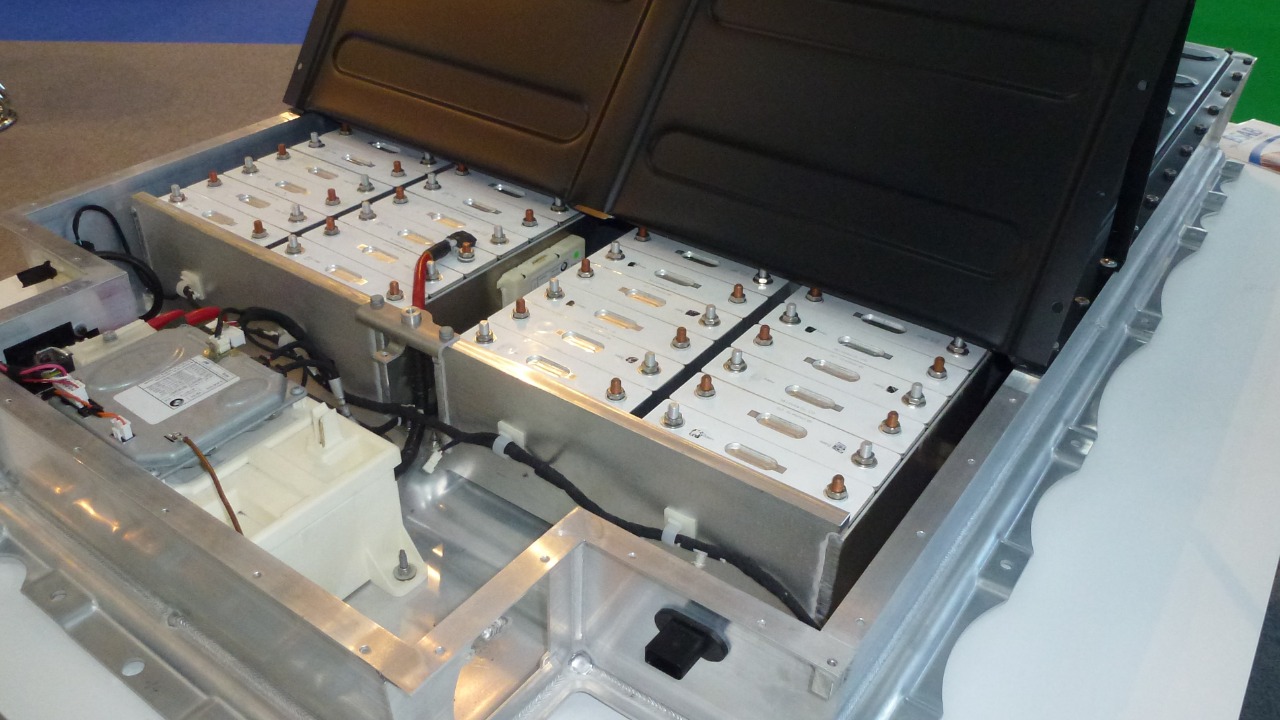
The new battery technology that has been announced is a significant departure from traditional EV batteries. For years, the industry-standard was lithium-ion batteries, which typically offer ranges of up to 300 miles. However, this new innovation has more than tripled that range. This impressive stride is due to a combination of advanced materials and a unique design that optimally uses the available space within the battery.
Unlike conventional EV batteries that utilize lithium-ion technology, this battery leverages a different chemistry, which contributes to its higher energy density and thus, its extended range. While specifics about the technology are proprietary, it’s clear that this innovative approach to battery design and chemistry represents a new frontier for EVs. This technology makes it possible for electric vehicles to compete with their gasoline-powered counterparts in terms of range, a critical factor for many potential EV buyers.
Technical Aspects of the New Battery
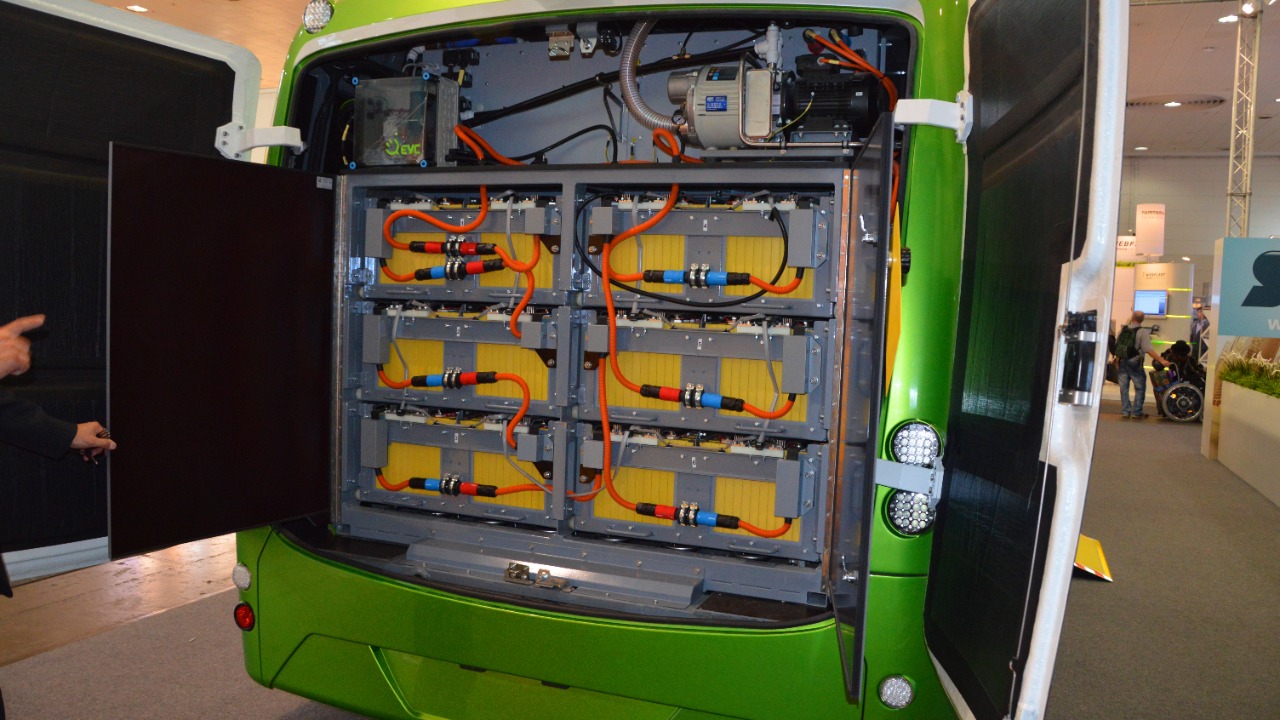
The science behind this 1,000-mile range battery is groundbreaking. It is largely based on a different set of materials and a unique design that allows for much higher energy storage capacity. Whereas traditional lithium-ion batteries are limited by their inherent properties, the new battery technology is not bound by these constraints. This IEEE paper illustrates the differences in materials and design between traditional lithium-ion batteries and this new technology.
The new battery’s design aims to maximize the available space, leading to a higher energy density. Moreover, the choice of materials in the battery plays a crucial role in its performance. These materials, unlike those used in traditional EV batteries, enable a more efficient energy storage and discharge process, contributing to the battery’s impressive range. For more technical insights, this IOPScience article provides a detailed overview.
The Role of Alcoa and Phinergy in the Development

The development of this groundbreaking battery technology is a product of a collaborative effort between Alcoa and Phinergy. Both companies have a history of making significant contributions to the EV sector. This news article highlights their latest achievement in developing the 1,000-mile range battery.
Alcoa, a global leader in bauxite, alumina, and aluminum products, has been pivotal in developing and fine-tuning the materials used in the new battery. Phinergy, on the other hand, is a trailblazer in the realm of metal-air energy systems. Their expertise in designing high-performance batteries has been instrumental in this project.
Potential Impact on the EV Market

This innovation could significantly alter the dynamics of the EV market. By eliminating one of the primary barriers to EV adoption – range anxiety – this battery could accelerate the shift away from fossil fuel-powered vehicles. Greater range not only reduces the need for frequent charging but also makes long-distance travel more feasible for EV owners. This could increase the appeal of EVs to a broader audience and potentially trigger a surge in EV adoption rates.
Moreover, an increase in EV adoption could stimulate competition among manufacturers, leading to further improvements in battery technology and vehicle design. This, in turn, could lead to a reduction in EV prices, making them more accessible to the average consumer.
The Future of EVs and Battery Technology
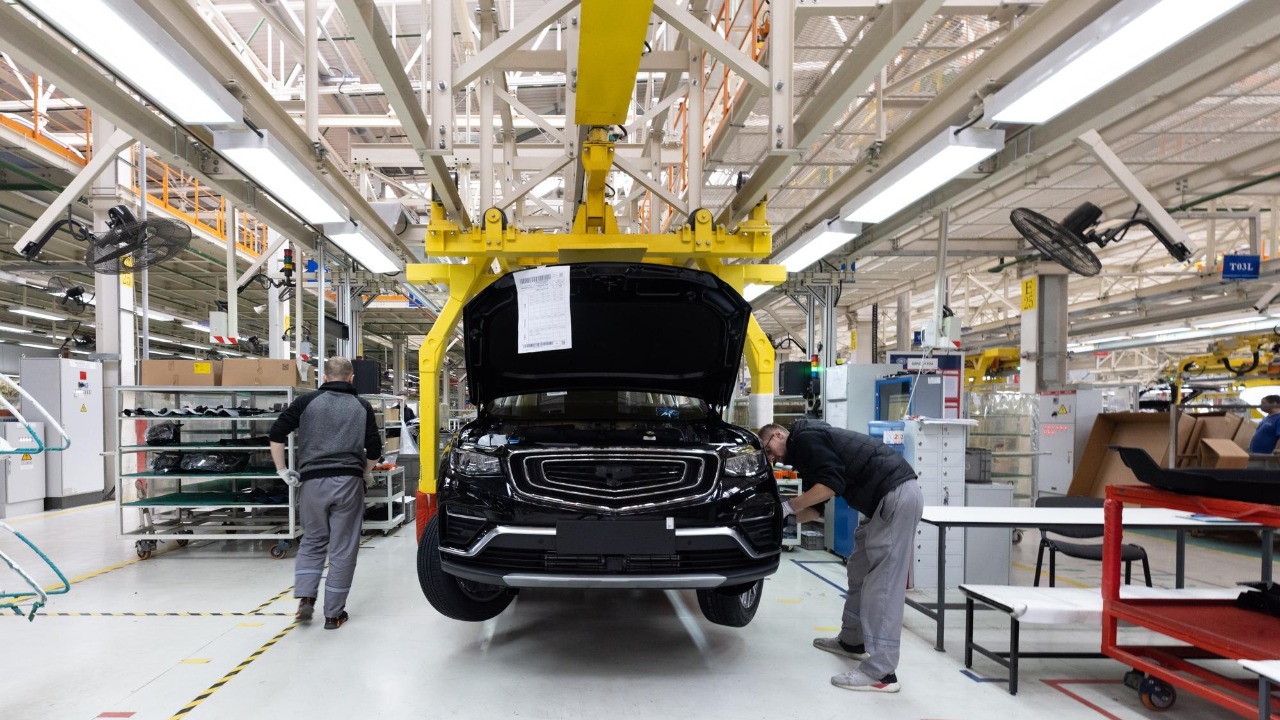
The future of EVs and battery technology looks promising, especially with advancements like the 1,000-mile battery. As battery technology continues to improve, we can expect to see further increases in range and reductions in charging times. This could make EVs even more attractive to consumers, further boosting adoption rates.
Moreover, the advent of such high-capacity batteries could reshape the global EV market. For instance, consider the Geely Galaxy Starshine 8, an EV model boasting a 1,000-mile range, as detailed in this Interesting Engineering article. As more manufacturers follow suit, we can anticipate a future where EVs are the norm, rather than the exception. This progress represents a vital step towards a more sustainable future for transportation.
