A groundbreaking scientific breakthrough has come to light, which holds the potential to revolutionize the electric vehicle industry. With a performance increase of a staggering 10-fold, this development could reshape the future of sustainable transportation.
Understanding the Breakthrough
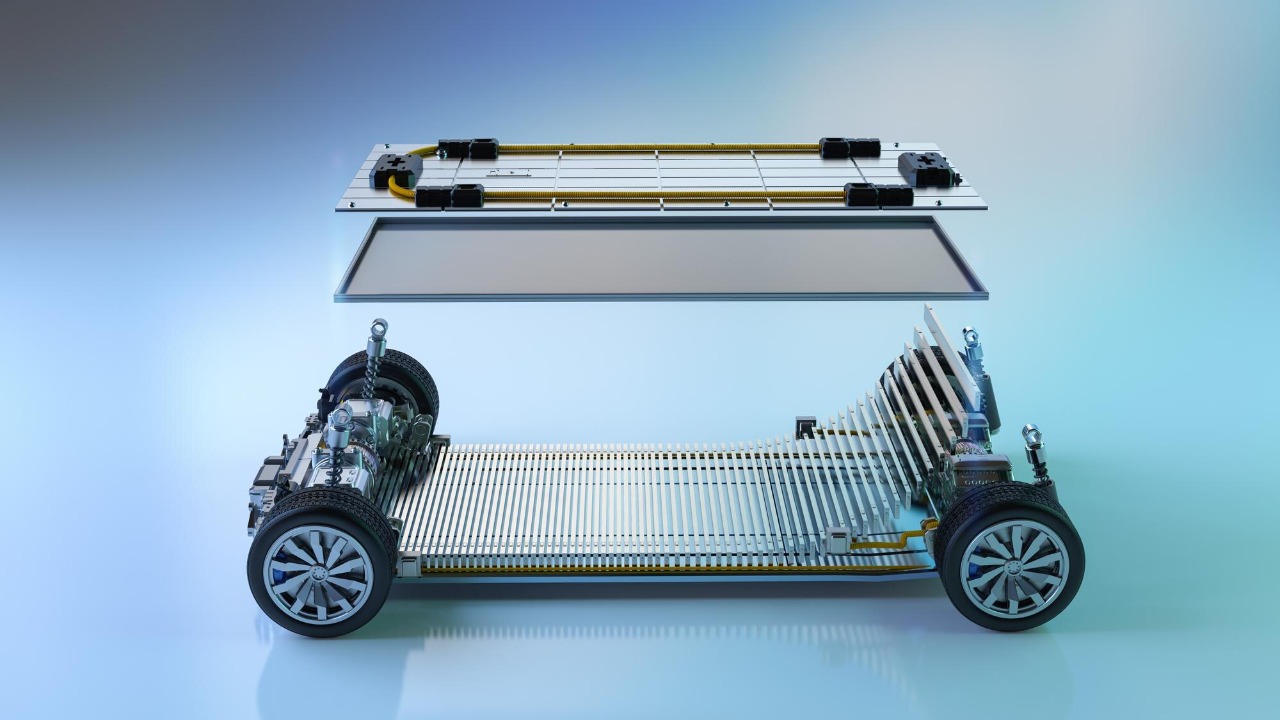
The scientific community has been buzzing with excitement over a novel technological advancement that has led to a 10-times performance increase in electric vehicles. This discovery, detailed in a peer-reviewed study, leverages advanced materials science and engineering principles to enhance the efficiency of electric vehicle systems.
The technology is rooted in the development of new high-performance battery materials. These materials, unlike those used in traditional electric vehicle batteries, can store and discharge energy far more efficiently, leading to a significant boost in performance. This growth in performance is not a minor incremental advancement but a staggering 10-times increase, which is a significant leap forward in the sector.
Implications for Electric Vehicles
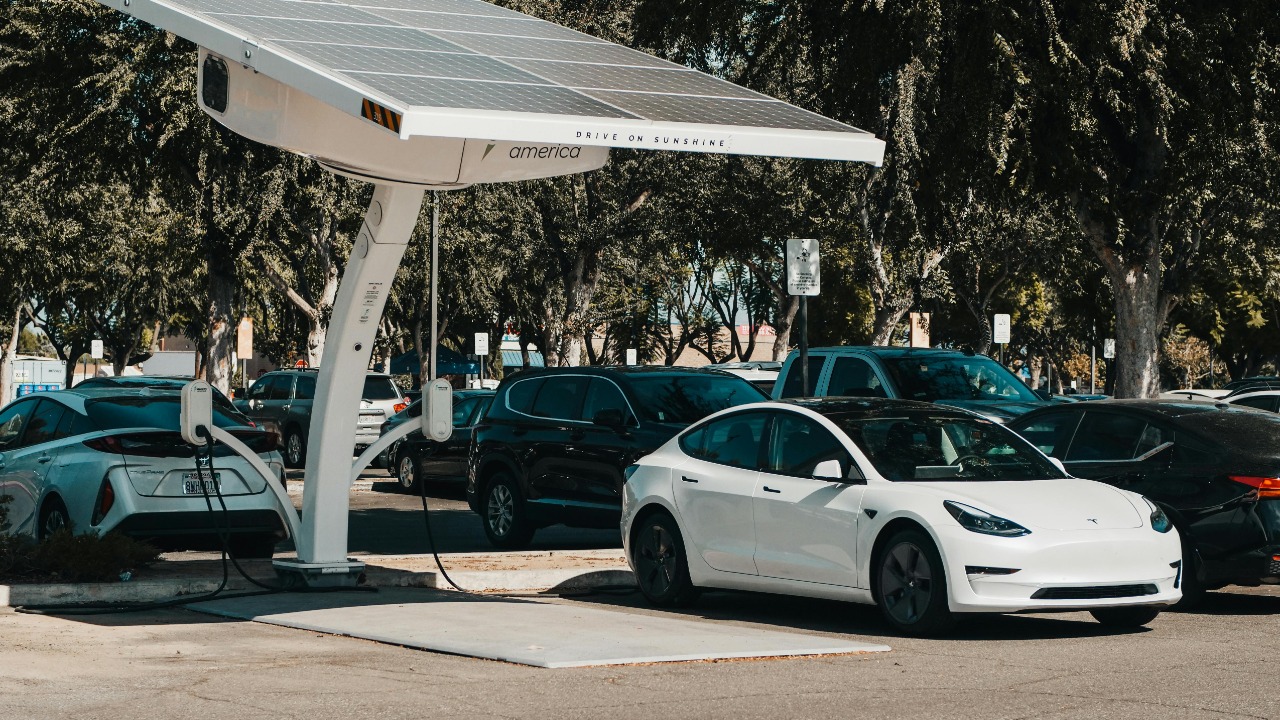
This breakthrough could transform electric vehicles as we know them. The enhanced performance could lead to longer driving ranges, shorter charging times, and increased overall efficiency. Imagine Tesla Model S, which currently has a range of about 370 miles, potentially reaching over 3000 miles without needing to recharge. The implications of such a leap are enormous.
Moreover, the potential for increased energy efficiency extends beyond just longer battery life. The ability to store more energy in a smaller space could lead to lighter, more compact vehicles. This could drastically reduce energy consumption in electric vehicles, making them even more environmentally friendly than they already are.
Comparison with Current Technologies
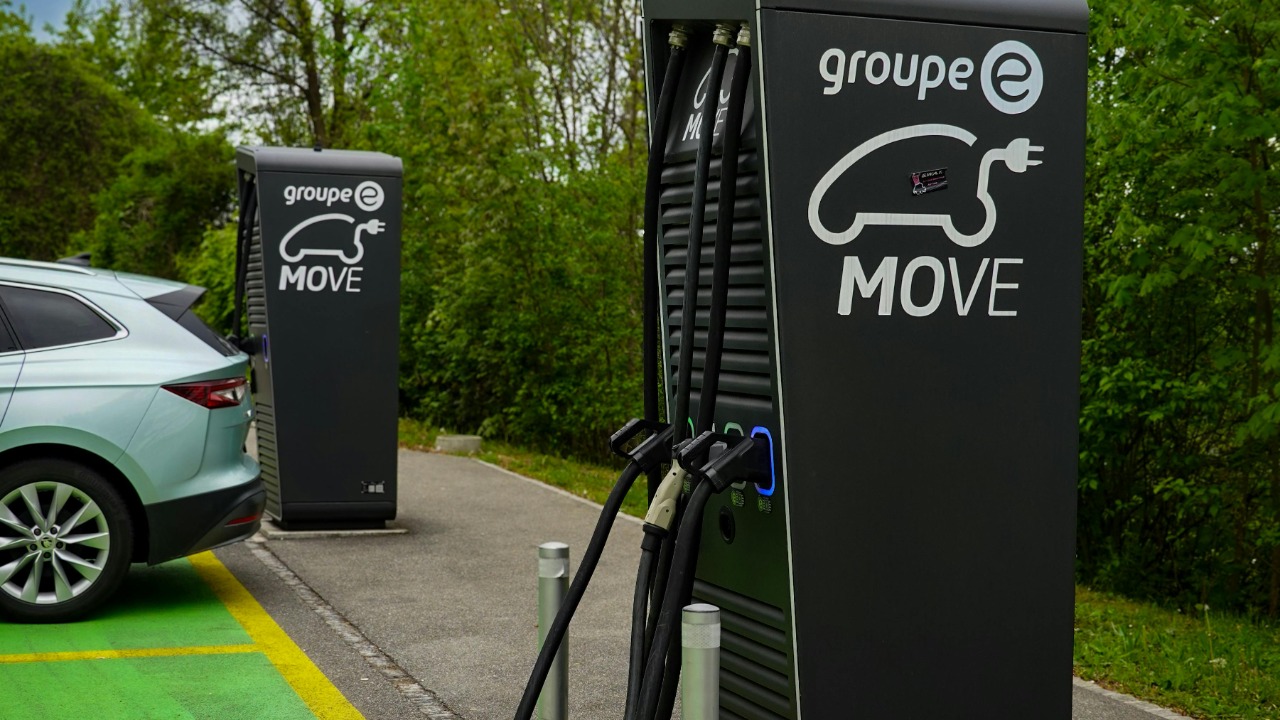
Currently, the electric vehicle industry is largely reliant on lithium-ion batteries. These batteries, while relatively efficient, are plagued with issues such as limited energy density, long charging times, and a propensity to degrade over time. The new breakthrough could potentially resolve these issues, marking a significant step forward.
Compared to existing technologies, this new development is much more efficient. It offers a solution to the limitations of lithium-ion batteries, opening up the possibility for electric vehicles that are not only more powerful but also more reliable and long-lasting. The Yahoo news article gives a detailed comparison of the breakthrough with existing technologies.
Future Prospects and Challenges

While the potential benefits of this breakthrough are immense, it’s important to recognize that there will be challenges in implementing this technology. Mass-producing the new high-performance materials could prove difficult, and there may be unforeseen technical hurdles in integrating these materials into existing electric vehicle designs.
The commercial application of this new technology could still be a few years away. However, with the rapid pace of technological advancement and the growing demand for electric vehicles, it’s reasonable to expect that this breakthrough could be hitting the roads sooner rather than later.
Transforming the Future of Transport
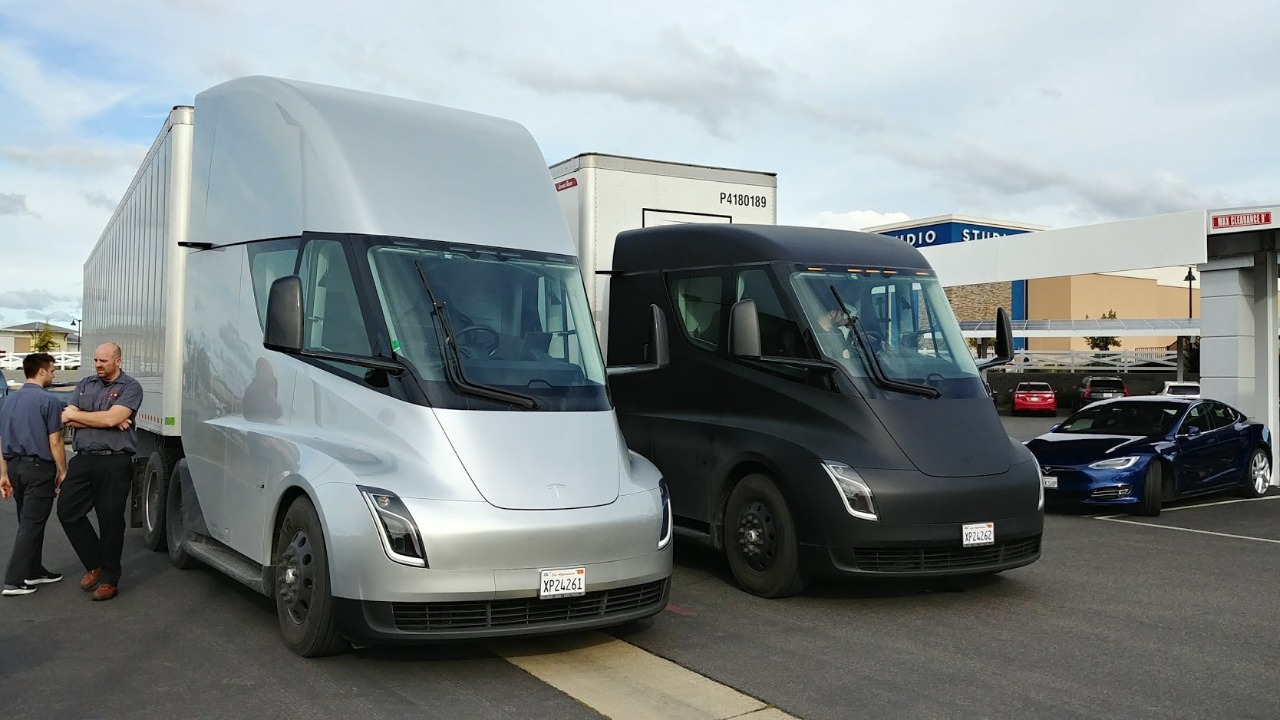
The implications of this breakthrough extend well beyond just the electric vehicle industry. It could very well be the key to unlocking a truly sustainable transportation sector. As documented in this book, the global push towards sustainable transportation has never been stronger.
Furthermore, the potential for this breakthrough to reduce carbon emissions is considerable. If electric vehicles become even more efficient and widespread, they could significantly reduce our reliance on fossil fuels, paving the way for a greener and more sustainable future.
