As the world grapples with the daunting challenge of antibiotic-resistant superbugs, a ray of hope emerges from the scientific community. Recent strides in medical research have led to the development of a ground-breaking antibiotic that has proven effective against all known superbugs, offering a potential panacea to this global health crisis.
The Rise of Superbugs and Antibiotic Resistance

The rise of superbugs, or bacteria resistant to most antibiotics, has been a pressing concern for healthcare professionals worldwide. The rampant misuse and overuse of antibiotics have resulted in the evolution of these pathogens into forms that can withstand traditional treatments. Recent studies underline the severity of this issue.
Antibiotic resistance, the phenomenon that enables these superbugs to survive, has far-reaching implications for public health. With each passing day, the arsenal of effective antibiotics is dwindling, making even common infections potentially deadly. The challenges in combating these superbugs are manifold, ranging from the complexity of their resistance mechanisms to the lag in development of new antibiotics.
Discovery and Development of the New Antibiotic
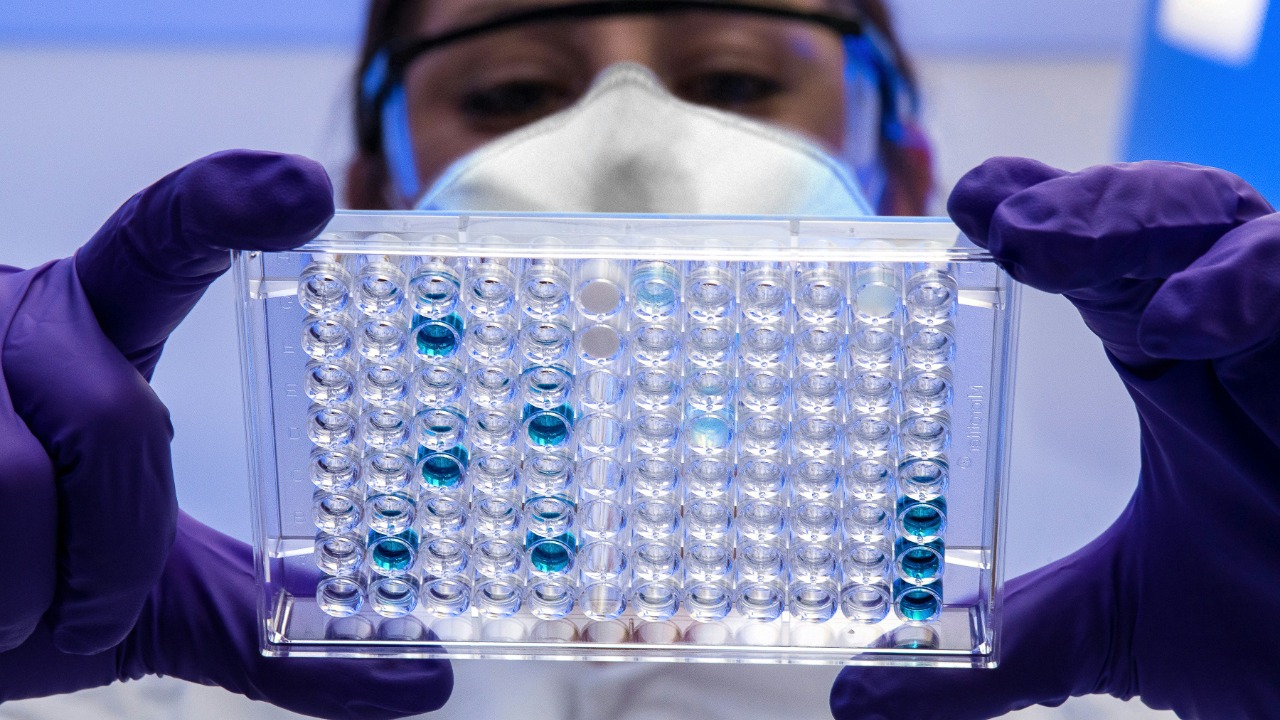
The recent discovery of a new antibiotic is a significant leap in the ongoing battle against superbugs. The research and development process that led to this breakthrough was a meticulous and intricate one, involving extensive lab testing and clinical trials. This new antibiotic boasts unique properties that equip it to combat superbugs effectively.
Several scientific studies and trials have corroborated the efficacy of this new antibiotic. One such study reported its remarkable success in neutralizing various strains of superbugs, including those previously deemed untreatable. The results of these trials are a testament to the antibiotic’s potential in reshaping the treatment landscape for infectious diseases.
Mechanism of the New Antibiotic Against Superbugs
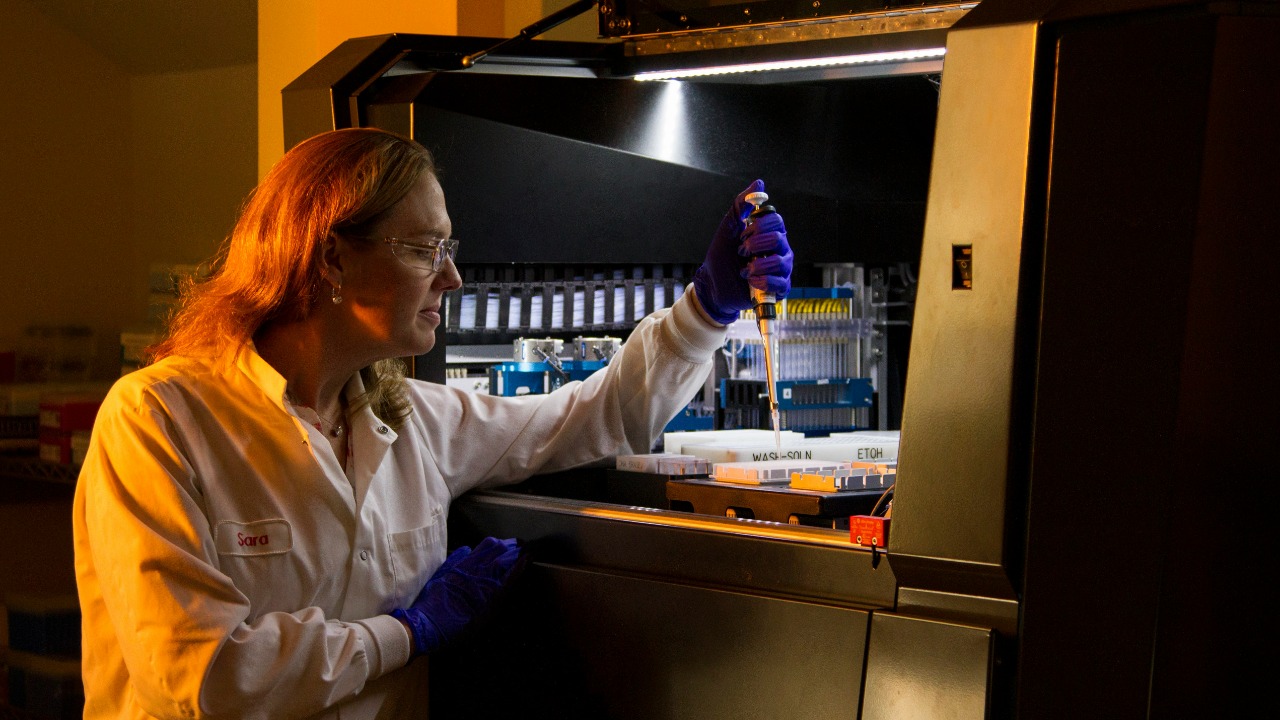
A closer look at the mechanism of action of this new antibiotic reveals that its potency against superbugs stems from a unique approach. Unlike traditional antibiotics that target the bacterial cell wall or protein synthesis, this new drug interrupts the bacteria’s metabolic processes, making it difficult for the superbug to develop resistance.
Furthermore, this antibiotic has demonstrated resilience in the face of the superbugs’ resistance mechanisms. Its unique mode of action, which differs significantly from traditional antibiotics, makes it a formidable adversary for superbugs. The antibiotic’s ability to overcome resistance is a crucial factor in its potential as a game-changer in infectious disease treatment.
Implications for Public Health and Medicine

The emergence of this new antibiotic has far-reaching implications for public health and medicine. By providing a viable treatment option for antibiotic-resistant infections, it could dramatically reduce morbidity and mortality rates worldwide. The potential impact on global health is enormous, and there is optimism that this breakthrough could transform the treatment of infectious diseases.
However, this development is not without its challenges. The production, distribution, and use of the new antibiotic will require careful planning and regulation to prevent misuse and overuse. As the world has learned from past experience, unregulated use of antibiotics can lead to resistance. Thus, the advent of this new antibiotic must be accompanied by comprehensive strategies to ensure its judicious use.
The Future of Antibiotics and Superbug Research
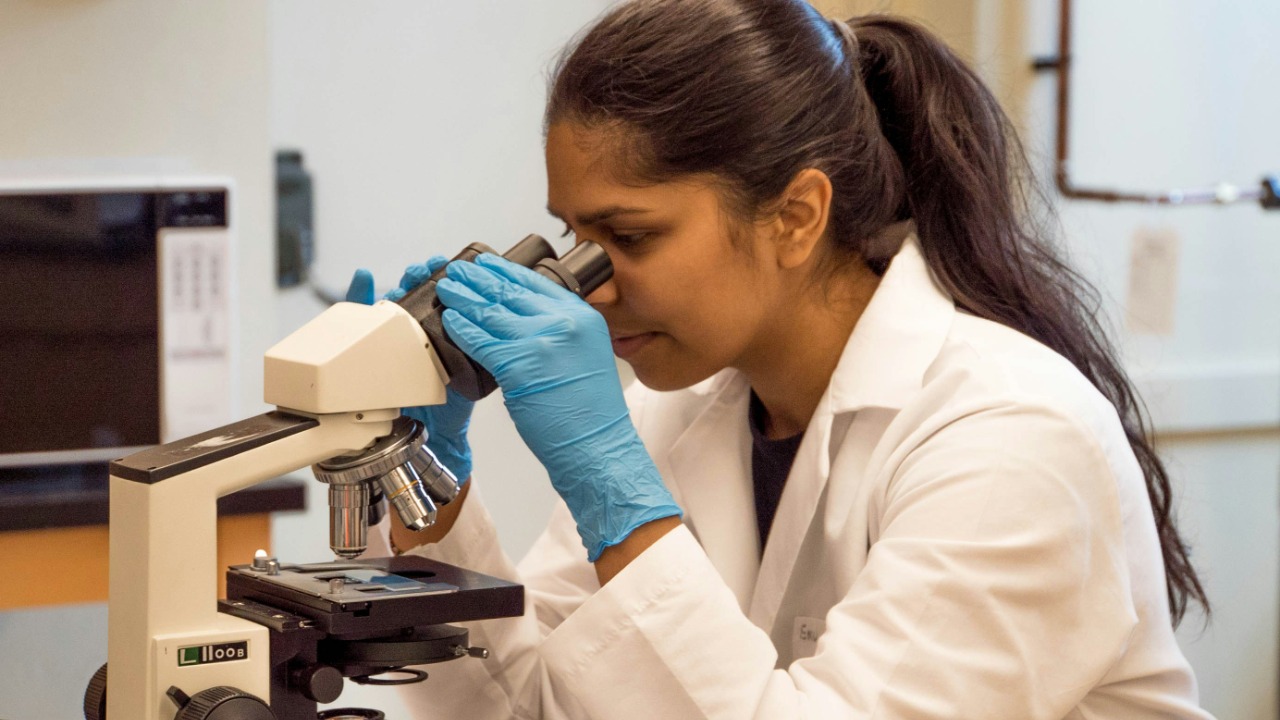
This breakthrough has set the stage for a promising future in antibiotic development and superbug research. With the advent of this new antibiotic, researchers are hopeful that it will spur further advancements in the field. The fight against superbugs is far from over, and ongoing research is crucial in staying ahead of these ever-evolving pathogens.
Future research will likely focus on understanding the mechanisms behind antibiotic resistance and developing new drugs that can counter them. The new antibiotic will play a pivotal role in shaping these future treatments. Despite this advancement, the need for vigilance against antibiotic resistance remains imperative to preserving the effectiveness of these life-saving drugs.
