A seismic shift is taking place in the field of fusion energy, with the introduction of a new alloy capable of withstanding an astounding 2,000°C. This development could be a game-changer for fusion reactors and the broader landscape of sustainable energy.
The Genesis of the New Alloy
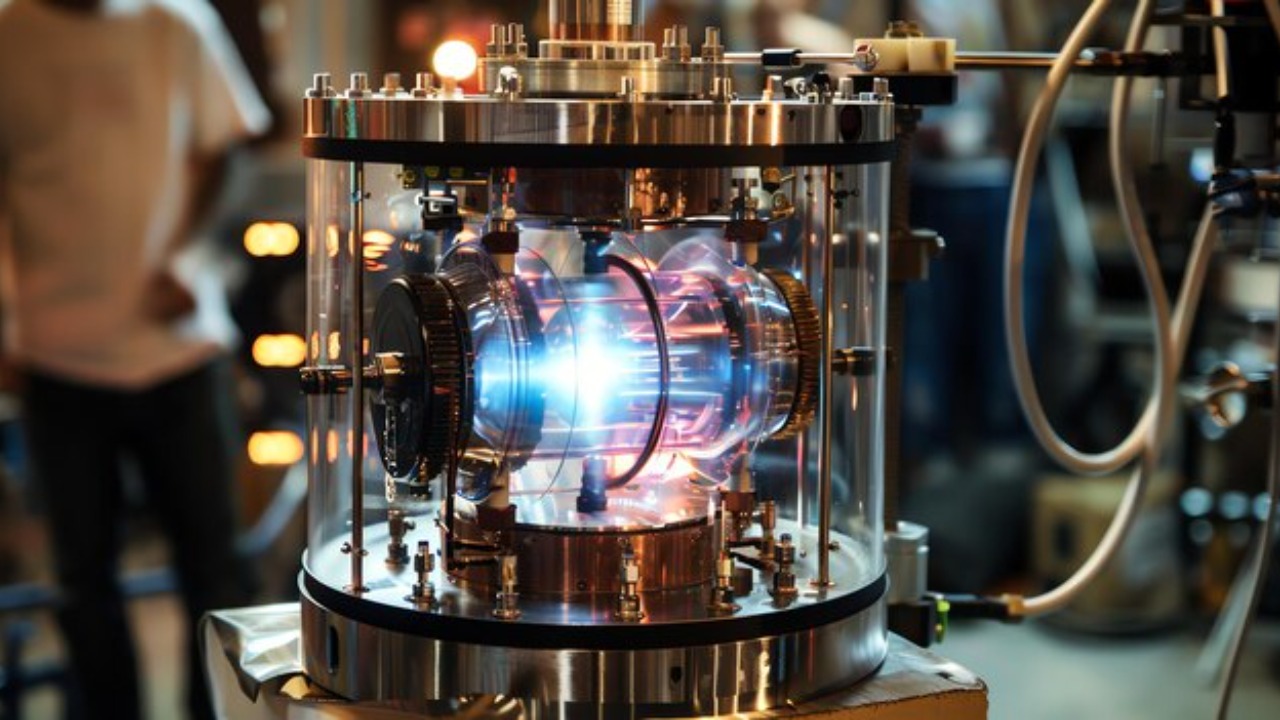
The creation of this high-temperature-resistant alloy was a culmination of rigorous scientific research and painstaking experimentation. The alloy’s composition is a closely guarded secret, but it’s known to possess unique features and chemical properties that enable it to endure extreme heat. Its development was not the work of a single team or country, but the result of international collaboration, underscoring the global effort to advance sustainable energy solutions.
In-depth reviews of this alloy are available on scientific platforms such as IOP Science, which provides a detailed breakdown of the alloy’s properties and the research process behind its development. The alloy’s ability to withstand high temperatures is a significant step forward and could revolutionize the way we approach energy generation.
Implications for Fusion Reactors
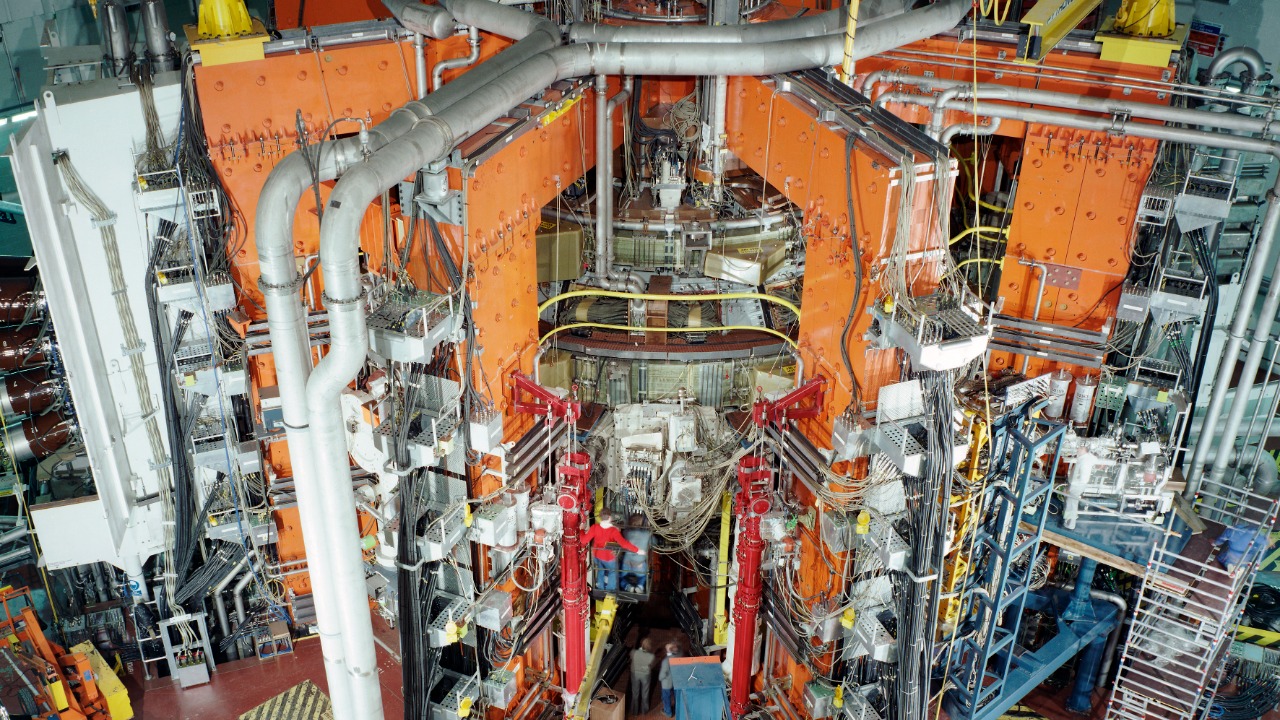
In the realm of fusion reactors, alloys play a central role in their construction and operation. The new alloy’s temperature resistance significantly surpasses that of conventional materials, addressing a long-standing challenge in fusion reactor design. The alloy’s superior temperature endurance could lead to substantial improvements in reactor efficiency and longevity, reducing the need for frequent maintenance and replacements.
For a deeper understanding of the role of alloys in fusion reactors, an insightful article on Popular Mechanics provides a comprehensive exploration of this subject. The article discusses the potential enhancements in reactor performance brought about by the new alloy, marking a significant advancement in fusion technology.
The Impact on Sustainable Energy

The new alloy could greatly enhance the efficiency and viability of fusion energy as a sustainable energy source. Considering the ever-increasing global energy demand, the potential of fusion energy to provide a clean, virtually limitless supply of power is truly transformative. If fusion energy becomes more widespread, it could dramatically reduce greenhouse gas emissions, helping combat climate change.
Beyond environmental benefits, more efficient and durable fusion reactors could also have significant economic implications. The article on Energy Reporters explores this aspect in depth, discussing the potential economic impact of this breakthrough in fusion technology.
Comparisons with Existing Materials and Technologies
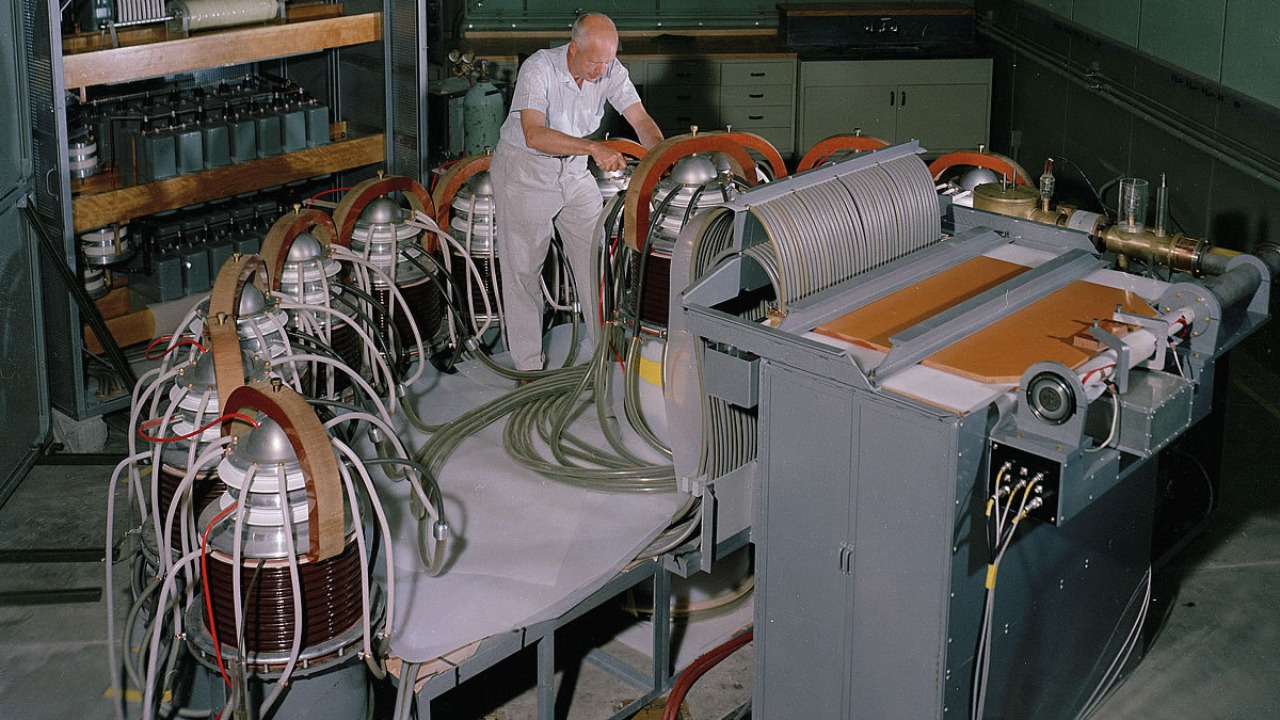
Current materials used in fusion reactors, such as steel and other alloys, have limitations, especially when it comes to temperature resistance. These materials degrade quickly under the extreme conditions inside a reactor, requiring frequent replacements. The new alloy’s superior performance and durability under extreme temperature conditions could make it a viable alternative for these applications.
Discussions on Reddit among technology enthusiasts and experts highlight the potential for the new alloy to replace existing materials in other high-temperature applications, beyond fusion reactors. This could open up a new world of possibilities in various industries where heat resistance is critical.
Challenges and Future Directions

Despite the promising prospects, the new alloy also presents certain challenges. Production costs and scalability are potential hurdles that need to be addressed. However, ongoing research and development efforts are aimed at refining the alloy and exploring its potential applications. The discovery of this alloy has set a new direction for the design of fusion reactors, marking a significant milestone in the journey towards sustainable energy.
An article on ScienceDirect delves into the challenges and future directions in light of this development. It emphasizes the importance of continued research and innovation in this field to overcome potential obstacles and optimize the alloy’s potential.
