
Artificial intelligence (AI) is revolutionizing the way we predict volcanic eruptions, propelling the accuracy of forecasts and potentially averting numerous casualties. Let’s delve into the innovative AI technologies that are shaping this progress and their transformative impact on the field of volcanology.
The Role of AI in Volcanic Eruption Forecasting

Artificial intelligence is increasingly becoming a crucial tool in predicting volcanic activities. Traditional volcano forecasting models often rely on manual interpretation of data, which can be time-consuming and prone to human error. AI, on the other hand, can rapidly process vast amounts of data, perform complex computations, and discern patterns that might otherwise be overlooked.
This enhanced accuracy in volcano forecasting models is primarily due to AI’s ability to learn and adapt. AI algorithms are trained on vast datasets of past volcanic activity, enabling them to recognize patterns and make accurate predictions about future eruptions. This has significantly improved the precision of eruption forecasts, potentially saving lives and minimizing damage. Forbes recently covered some of the groundbreaking work being done in this sphere.
Case Study: AI Simulation of Mount Fuji’s Eruption
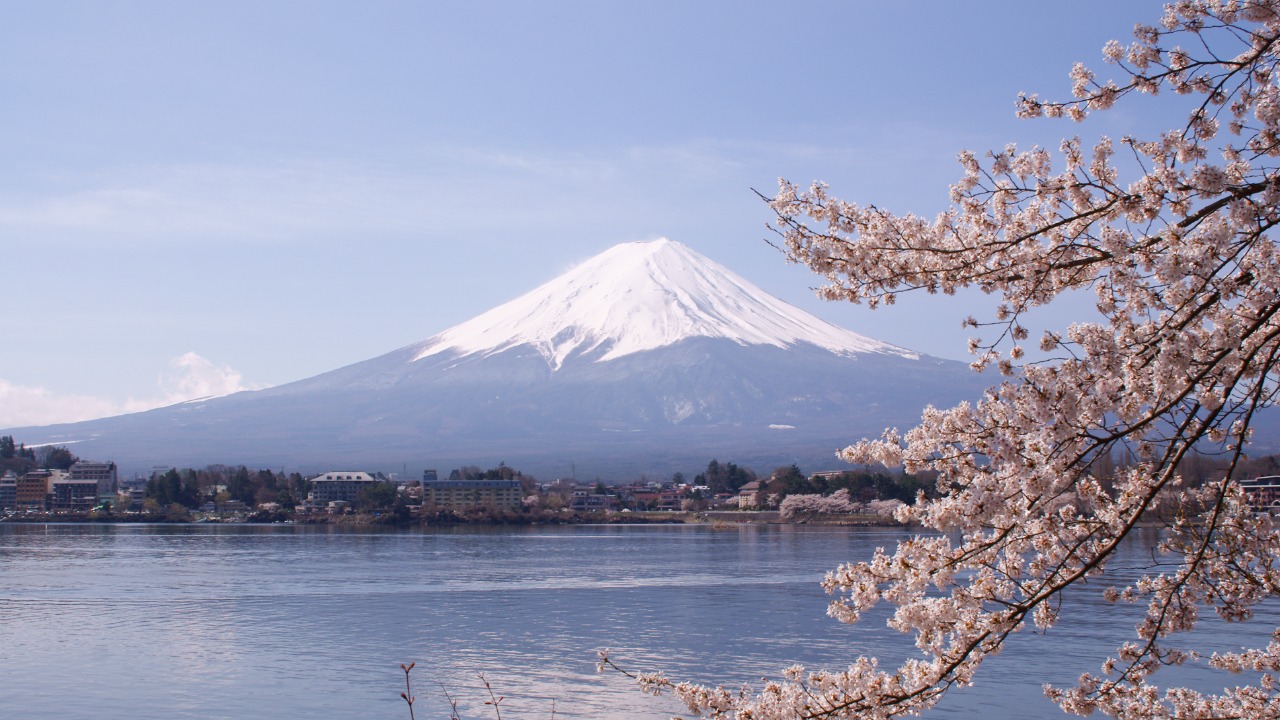
AI simulation technology was recently used to prepare Tokyo for a potential eruption of Mount Fuji. The AI model successfully simulated various eruption scenarios, providing valuable data that could be used to prepare evacuation plans and mitigate potential damage. NBC News provides a detailed overview of this fascinating project.
Such AI simulation models are proving to be highly effective and accurate. Not only do they help in formulating disaster response strategies, but they also provide a deeper understanding of the complex factors that influence volcanic eruptions. For instance, the AI simulation of Mount Fuji’s eruption was able to accurately predict the spread of volcanic ash, which is crucial information for aviation safety.
Advanced AI Techniques in Monitoring Volcanic Activity

AI is proving invaluable in the analysis of seismic data for eruption predictions. Traditional methods of seismic analysis often require significant time and expertise. However, AI can rapidly analyze seismic data, detecting minute changes that could signal an impending eruption. This capability significantly enhances the speed and accuracy of volcanic eruption forecasts.
In addition to seismic data, AI is also being used to analyze gas emissions and thermal images from volcanoes. These are key indicators of volcanic activity, and the ability of AI to accurately interpret this data can provide early warnings of eruptions. IEEE has published detailed research on the use of AI in monitoring volcanic activity.
Collaboration between NASA, Sun Surya, and IBM in AI-Driven Solar Activity Prediction

A notable collaboration between NASA, Sun Surya, and IBM is harnessing AI to predict solar flares. Solar activity can influence Earth’s climate and has been linked to changes in volcanic activity. Therefore, accurate prediction of solar flares might indirectly help in forecasting volcanic eruptions. UPI recently covered this innovative collaboration.
This project illustrates the potential of AI in predicting not just volcanic activity, but also other natural phenomena. By correlating data from different sources, AI can create a more comprehensive and accurate prediction model. This could revolutionize our approach to disaster management and environmental monitoring.
Implications and Future Prospects of AI in Volcano Monitoring
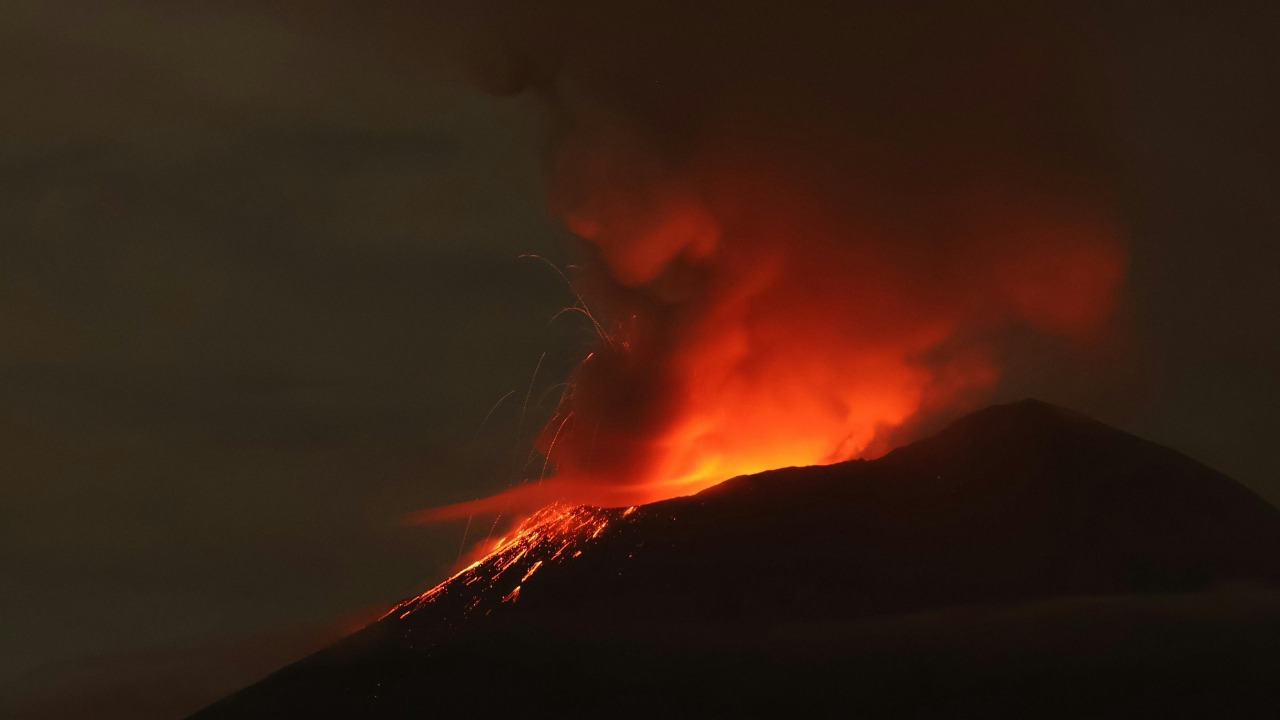
AI-enabled predictions have enormous potential in disaster management and mitigation. By providing accurate and timely forecasts, AI can enable authorities to take proactive measures, potentially saving countless lives and minimizing property damage. Furthermore, AI can also assist in post-disaster recovery by analyzing damage patterns and directing resources where they are needed most.
However, integrating AI in volcanology also presents challenges. For instance, AI models require vast amounts of data for training, and collecting this data can be challenging due to the unpredictable nature of volcanic activity. Despite these challenges, the future prospects of AI in volcano monitoring are promising, and ongoing research and development efforts are expected to further enhance the capabilities of AI in this field.
