Neutrinos, often referred to as “ghost particles,” have been observed zipping through the Earth, shedding new light on some of the universe’s most elusive matter. These fascinating particles are providing scientists with unique insights and opening up new avenues of research.
Understanding Neutrinos: The Ghostly Messengers
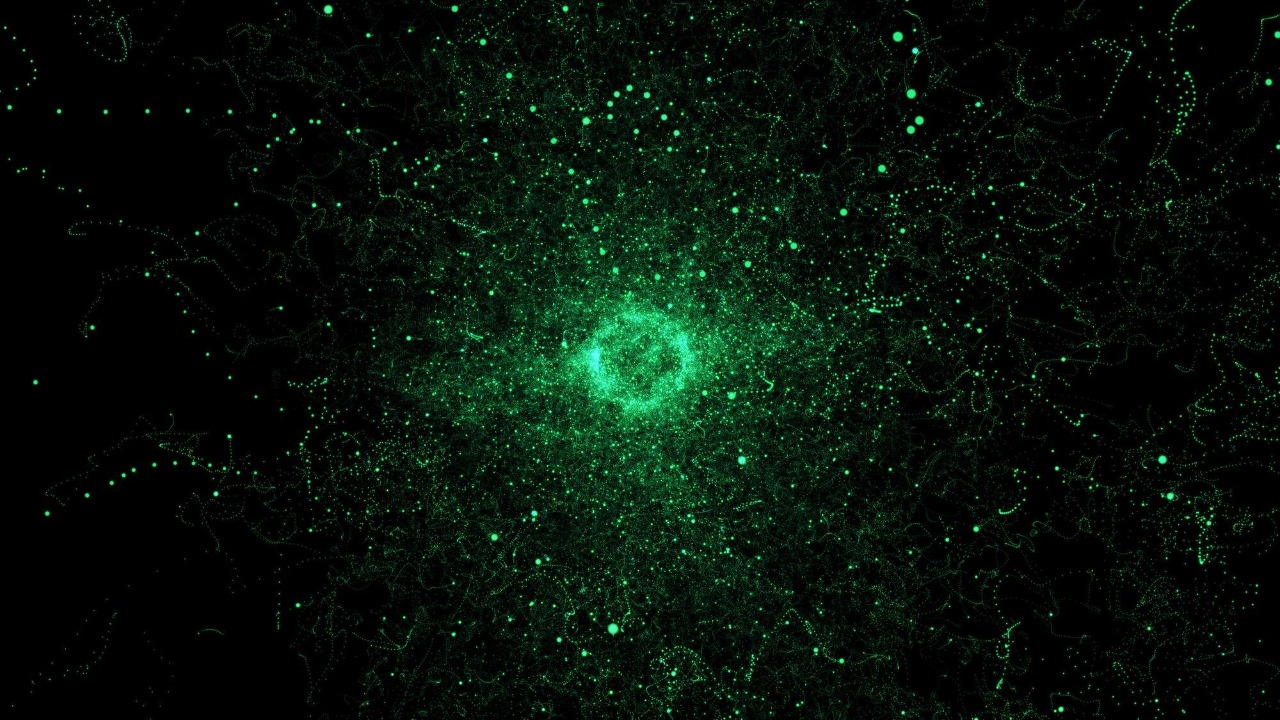
Neutrinos are subatomic particles that are incredibly small and lack an electric charge. Their unique properties, like their minuscule size and neutral charge, make them almost invisible to detection methods. This elusive nature is why they are often referred to as “ghost particles.” Unlike other particles, neutrinos can pass through normal matter almost undisturbed, making them incredibly difficult to detect and study.
These ghost particles are created in various ways. They are produced in abundance by the sun, during nuclear fusion reactions, and during supernovae, which are the explosive deaths of stars. They can also be created in particle accelerators, nuclear reactors, and during the decay of radioactive materials. The creation and study of neutrinos provide valuable insights into these extreme environments and processes. More information about the nature and origin of neutrinos can be found here.
Detection of Neutrinos
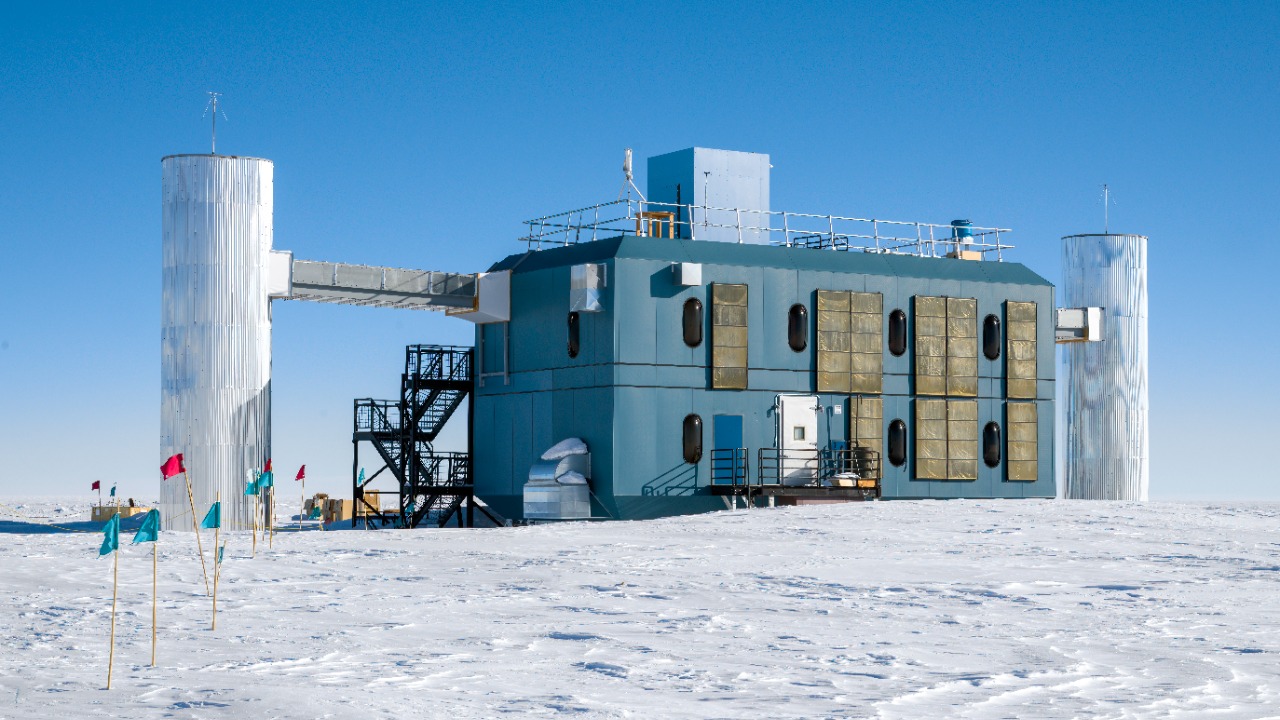
Due to their elusive nature, detecting neutrinos is a challenging task. They interact only weakly with matter, which means they can pass through vast amounts of normal matter without being detected. However, on rare occasions, a neutrino will interact with a particle of matter, and these rare events are what neutrino observatories are designed to detect.
Significant neutrino detections have been made at a variety of observatories, like the IceCube Neutrino Observatory at the South Pole, where a neutrino was traced back to a distant blazar. Detecting and tracing neutrinos can provide valuable insights into cosmic events and help us understand the universe in new ways. Neutrino detection and its challenges are discussed in depth here.
Neutrinos and the Earth

Neutrinos constantly bombard the Earth, passing through it as if it was transparent. Their ability to pass through matter without interacting with it allows them to carry information from the furthest reaches of the universe, undisturbed by matter or electromagnetic fields. This makes neutrinos valuable messengers from distant cosmic events.
When neutrinos do interact with matter, they can produce other particles and reveal important information about their source. The process and scientific implications of neutrinos passing through Earth are discussed here.
Neutrinos in Scientific Research

Neutrinos play a significant role in our understanding of the universe. Their unique properties and behavior give us insights into fundamental physical laws and cosmic events. For example, studying solar neutrinos has allowed us to understand the sun’s core and confirm theories about how the sun works.
Scientific research involving neutrinos is ongoing, with many exciting developments on the horizon. For instance, studies are investigating neutrino oscillations, a phenomenon where neutrinos change between different types as they travel. This research could provide crucial information about the universe’s fundamental symmetries. More information about the role of neutrinos in scientific research can be found here.
Impact and Importance of Neutrino Study
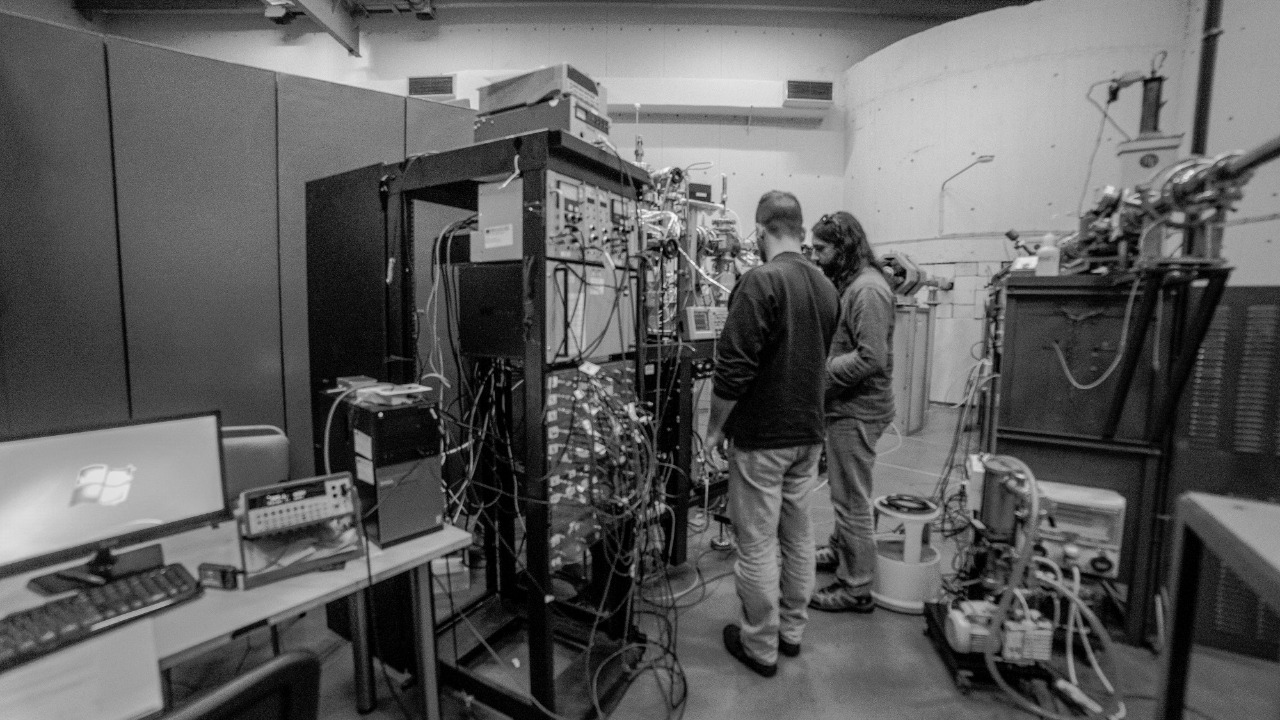
The study of neutrinos has far-reaching implications, influencing various fields of study. For example, in the field of particle physics, neutrinos are key to understanding fundamental particles and forces. In astronomy and cosmology, they provide unique information about cosmic events and the early universe.
Practical applications of neutrino research are also being explored, including using neutrinos for communication or navigation, or using neutrino detectors for nuclear non-proliferation efforts. The societal and educational impact of neutrino studies is significant, inspiring the next generation of scientists and increasing general scientific literacy. The importance and impact of neutrino study are further discussed here.
