A landmark has been reached in the field of physics and artificial intelligence with the successful resolution of a 50-year-old science problem. The neural network, developed by Alphabet subsidiary, DeepMind, has cracked the notorious protein folding conundrum which has implications for understanding diseases and the development of new medicines.
Understanding the Protein Folding Problem

Protein folding is a complex process that determines how a protein takes its unique three-dimensional shape from a linear chain of amino acids. This shape is crucial because it enables the protein to carry out its specific functions in the body. Misfolded proteins have been linked to a range of diseases, including Alzheimer’s and cancer, making the understanding of this process crucial for disease diagnosis and drug design.
Historically, the protein folding problem has been a major challenge in the field of molecular biology. Despite considerable efforts, accurately predicting protein structures from their amino acid sequences has remained largely elusive due to the immense complexity and number of potential configurations.
DeepMind’s AlphaFold Neural Network
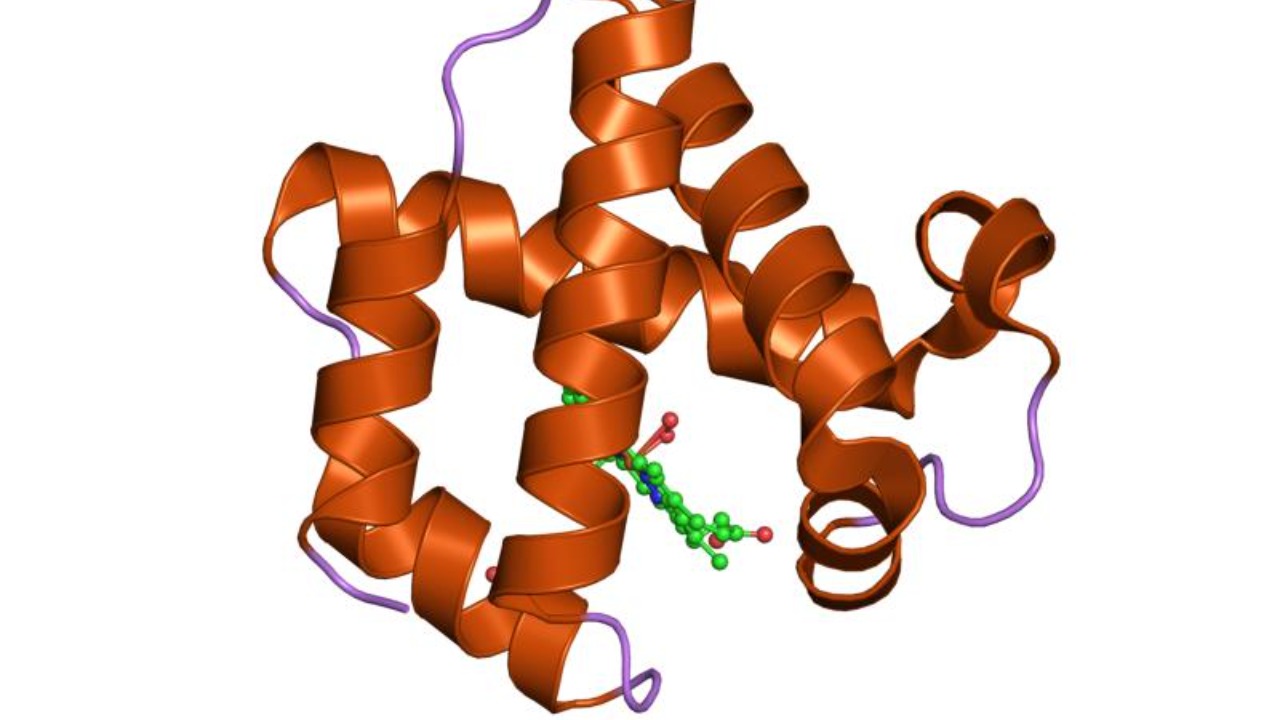
Enter AlphaFold, DeepMind’s revolutionary system designed to predict protein structures. The neural network employs deep learning techniques to understand the complex relationships between amino acid sequences and their corresponding protein structures. It uses a vast library of known protein structures as its training set, learning to predict the 3D structure of a protein from its amino acid sequence.
AlphaFold’s design principles are rooted in the understanding of the physical and biological rules of protein structure formation. The system harnesses machine learning to understand these rules and apply them to the prediction of unknown structures. This approach is called end-to-end differentiable learning, where the system can adjust its internal parameters based on its prediction errors to continually improve its performance.
The Breakthrough with AlphaFold
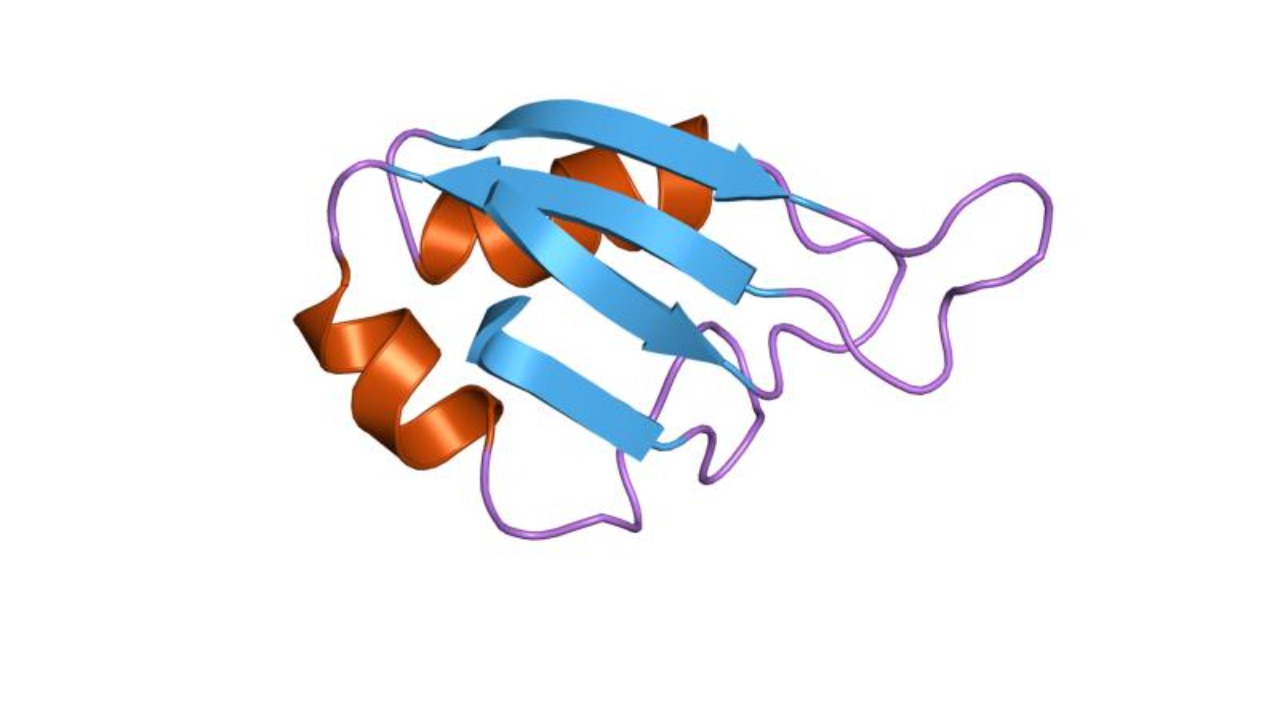
The real breakthrough came when AlphaFold outperformed other methods by a significant margin in the 2020 Critical Assessment of protein Structure Prediction (CASP) competition. The system achieved an unprecedented level of accuracy, comparable to that of laboratory-based methods, making it a game-changer in the field of structural biology. You can read more about the breakthrough on the DeepMind blog.
This achievement has far-reaching implications for biological and medical research. By predicting protein structures with high accuracy, AlphaFold could accelerate the understanding of diseases and the development of new drugs. Additionally, it could aid in the design of novel proteins to tackle environmental issues, such as biofuels or enzymes that break down plastic.
Other Significant Contributions of AI in Physics

Artificial intelligence has made other notable contributions to solving complex problems in physics. For instance, AI was instrumental in resolving the Conway knot problem, a complex knot theory issue that went unsolved for decades. A graduate student managed to solve it using a combination of traditional mathematical techniques and machine learning algorithms, as reported by Quanta Magazine.
These advances demonstrate the potential of AI to revolutionize scientific research. From predicting complex protein structures to unraveling intricate knot problems, artificial intelligence is playing an increasingly vital role in advancing our understanding of the natural world.
Looking Ahead: AI’s Future Role in Science

These developments are only the tip of the iceberg when it comes to the potential of AI in scientific research. With advances in machine learning and computing power, we can expect AI to play an even more prominent role in future scientific discoveries. Whether it’s tackling previously unsolvable problems or accelerating the pace of research, AI is poised to drive a new era of scientific progress.
However, the integration of AI in scientific research is not without its challenges. Ethical considerations, such as data privacy and algorithmic transparency, need to be addressed. Furthermore, the risk of over-reliance on AI and the potential loss of traditional scientific skills must not be overlooked. As we continue to innovate, it’s crucial to balance the benefits of AI with potential drawbacks and ethical considerations.
