
In recent years, predictive technologies for volcanic eruptions have advanced significantly, particularly with the implementation of neural networks. These advanced algorithms are capable of processing vast amounts of complex geological data to accurately forecast volcanic activities, potentially saving lives and resources.
Understanding Volcanic Eruptions and Their Predictability

Volcanic eruptions are complex natural phenomena that can cause extensive damage to the environment and pose significant risks to human life. Predicting them has always been a challenging task due to the intricate nature of the geological processes involved. Traditional methods of predicting volcanic eruptions have largely relied on monitoring seismic activity, gas emissions, and ground deformation. However, these methods often yield uncertain results due to the complex and variable nature of volcanic systems.
Given the limitations of traditional methods, there is a dire need for more advanced and accurate predictive technologies. The unpredictable nature of volcanic eruptions, coupled with the potential devastation they can cause, underscores the importance of developing better prediction models. The application of machine learning and artificial intelligence, such as neural networks, presents a promising solution to this problem.
The Role of Neural Networks in Predicting Volcanic Eruptions
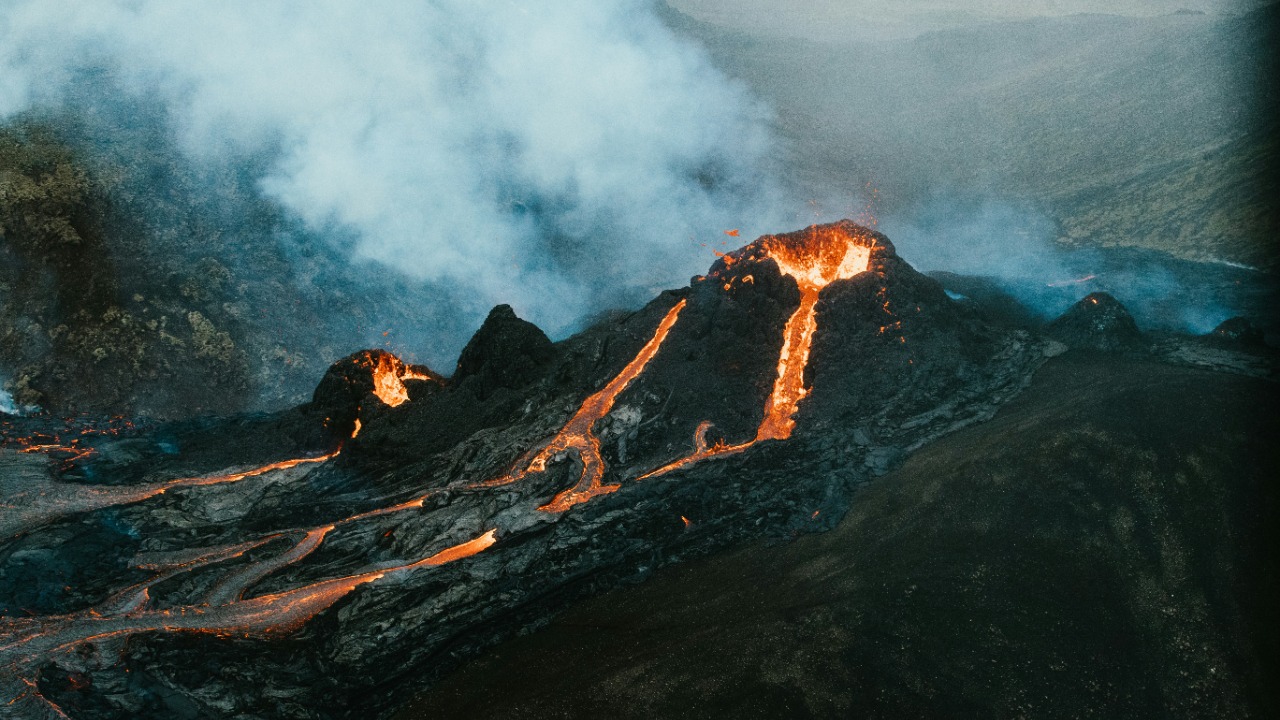
A neural network is a type of algorithm inspired by the human brain, designed to recognize patterns and make predictions based on the data it receives. It uses layers of interconnected nodes, or ‘neurons’, to process and analyze data. Neural networks have been employed in various predictive models, ranging from financial forecasting to weather prediction.
In the context of volcanic eruption prediction, neural networks can process vast amounts of geological data, including seismic activity, gas emissions, and ground deformation, to generate forecasts. They can identify complex patterns and relationships in the data that are often missed by traditional methods, significantly improving the accuracy of the predictions. The use of neural networks in predicting volcanic eruptions is a relatively new but rapidly growing field, offering exciting potential for improvements in accuracy and timeliness of forecasts.
Case Studies: Neural Networks in Action
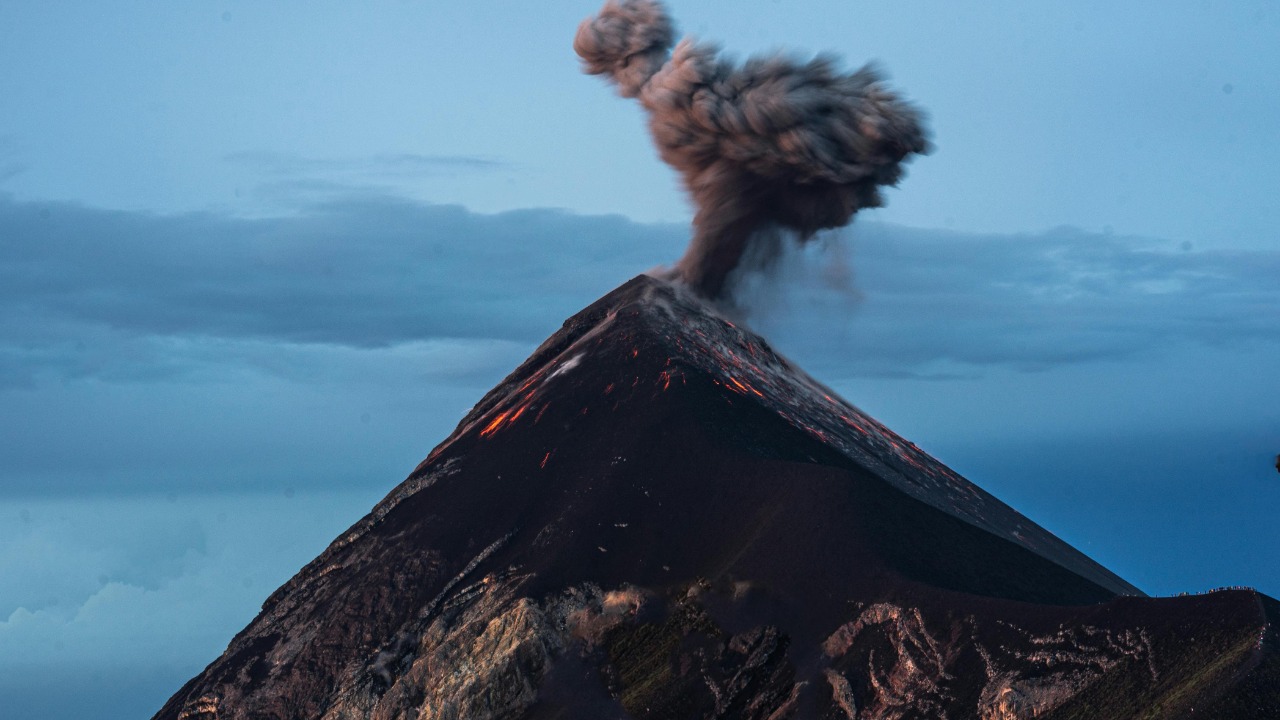
Several studies have already demonstrated the successful application of neural networks in forecasting eruptions. For instance, a study published in Nature Communications used a neural network model to predict the timing of eruptions at the Stromboli volcano in Italy. The model accurately predicted the timing of major eruptions within a timeframe of minutes to hours.
Another significant study published in the Journal of Geophysical Research used a neural network to predict the eruption of the Soufrière Hills volcano in Montserrat. The model’s predictions were remarkably accurate, even outperforming other machine learning models. These successful applications of neural networks have demonstrated their potential in improving disaster management strategies and mitigating the impact of volcanic eruptions.
Challenges and Limitations of Using Neural Networks
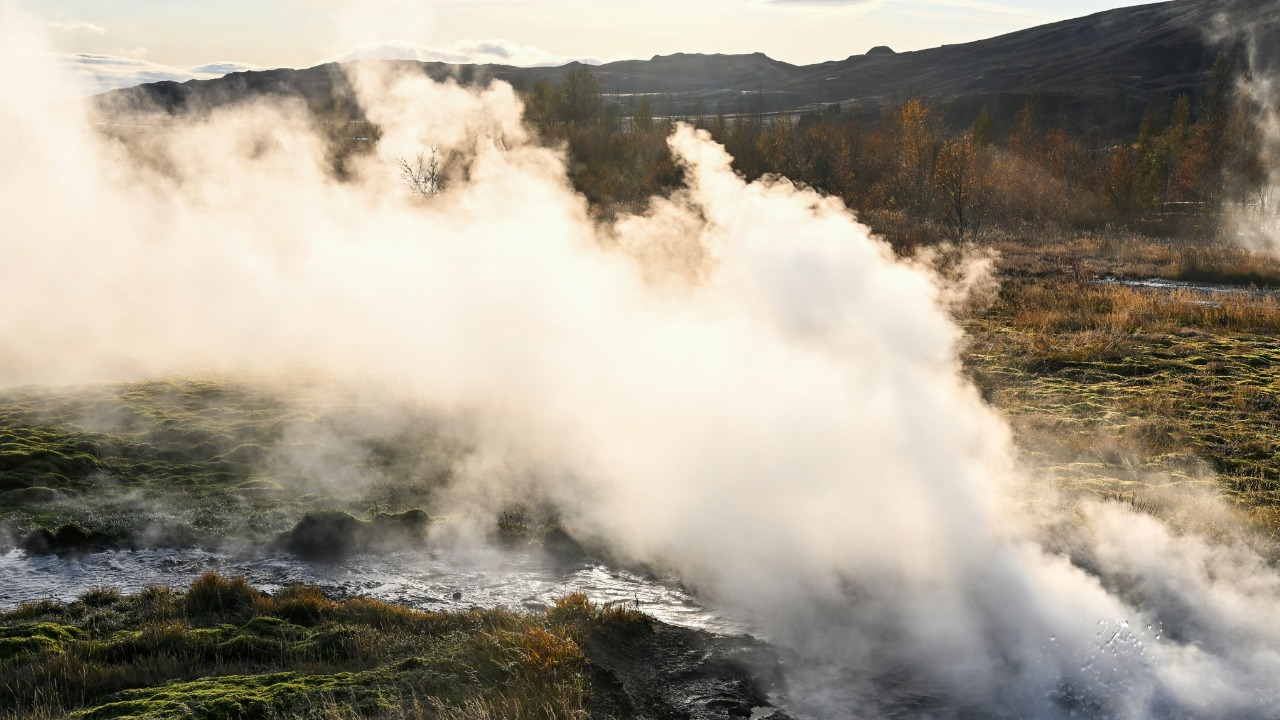
Despite the promising results, using neural networks for volcanic eruption prediction also poses several challenges. These models require large amounts of high-quality data for training, which can be difficult to obtain due to the sporadic nature of volcanic eruptions. Additionally, the computational needs of neural networks are often high, requiring substantial resources.
Another challenge lies in the generalizability and transferability of models to different volcanic systems. A study published in Journal of Volcanology and Geothermal Research noted that a model trained on data from one volcano may not perform well when applied to another. This highlights the need for continued research and development in this area to improve the versatility and applicability of these models.
The Future of Volcanic Eruption Prediction
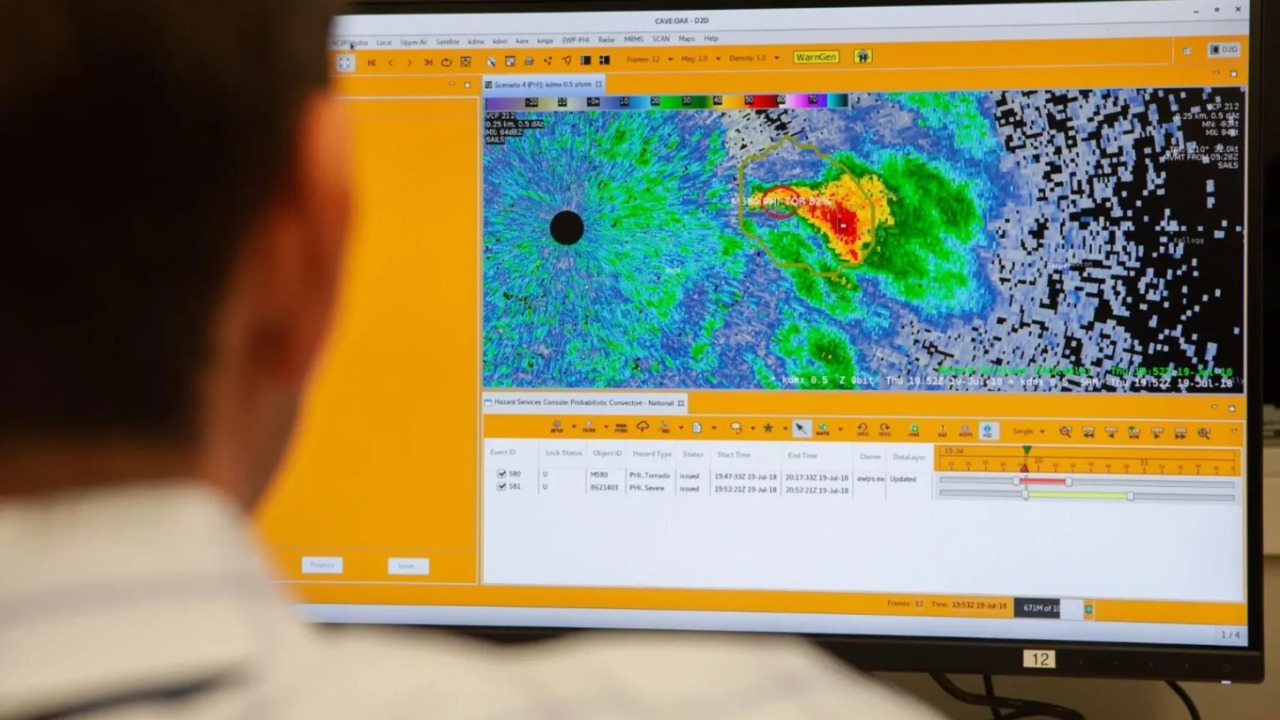
Looking ahead, advancements in neural network technology hold great promise for improving the accuracy of volcanic eruption predictions. The development of more sophisticated models and the integration of other AI technologies could further enhance prediction capabilities. A report from Science highlights how artificial intelligence can help in predicting volcanic eruptions, pointing towards a future where AI plays a central role in natural disaster prediction.
Furthermore, the future of eruption prediction also involves the integration of these advanced technologies into disaster management strategies. Better predictions can lead to more effective evacuation plans, resource allocation, and overall community preparedness. Another study published in Remote Sensing also emphasized the role of AI in improving predictive models, suggesting a promising future for the field. As these technologies evolve, they have the potential to significantly reduce the impact of volcanic eruptions on human life and the environment.
