The dawn of neural chips, enabling musicians to transform their thoughts directly into music, signals a significant shift in the realm of artistic creativity. This groundbreaking technology, along with its implications for the music industry and the ethical questions it raises, are poised to redefine the boundaries of musical composition.
Understanding Neural Chips and Their Function
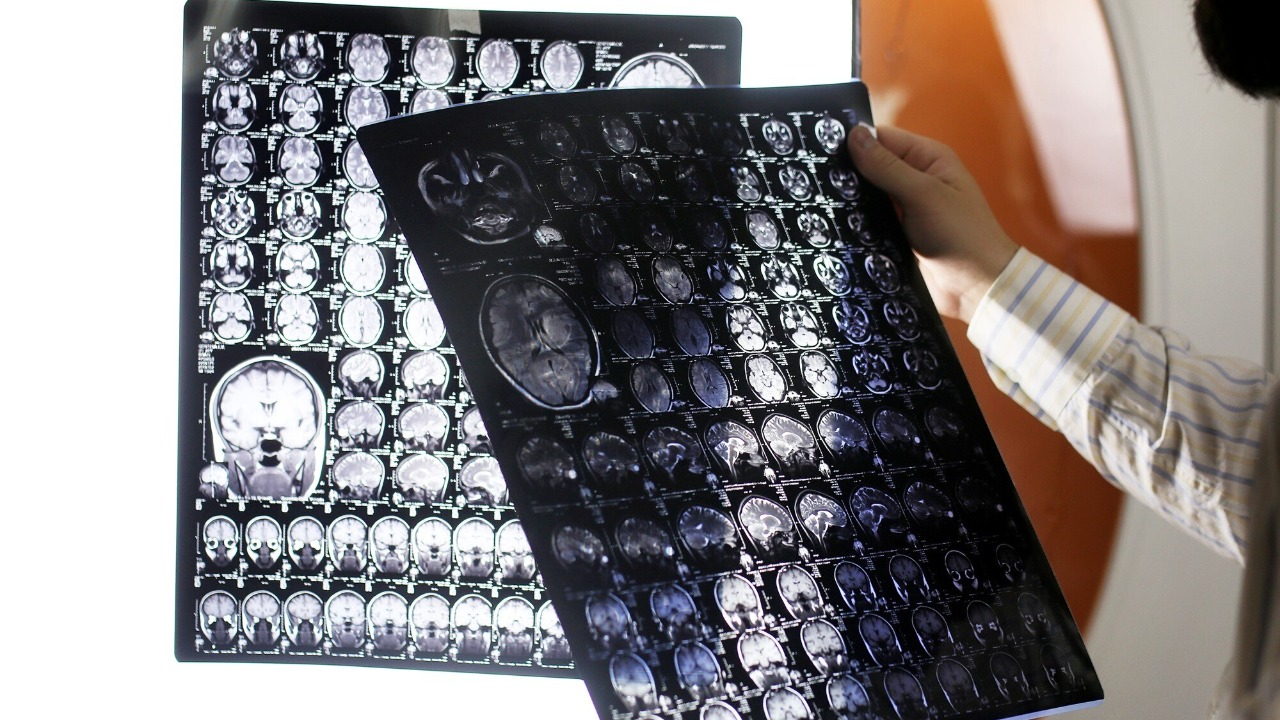
Neural chips, also known as brain-computer interface chips, are cutting-edge devices designed to facilitate direct communication between the brain and external hardware. By interpreting electrical signals from the brain, these chips can translate thoughts into digital information. This technology has opened up exciting possibilities in numerous fields, including music.
The process of using neural chips to compose music is a unique fusion of neuroscience and art. Musicians imagine a melody, rhythm, or harmony, and the neural chip captures and decodes the corresponding brain signals. This data is then used to generate a musical composition. While this may sound like science fiction, real-world applications are already underway, demonstrating the power and potential of this technology.
The Revolutionary Impact on the Music Industry
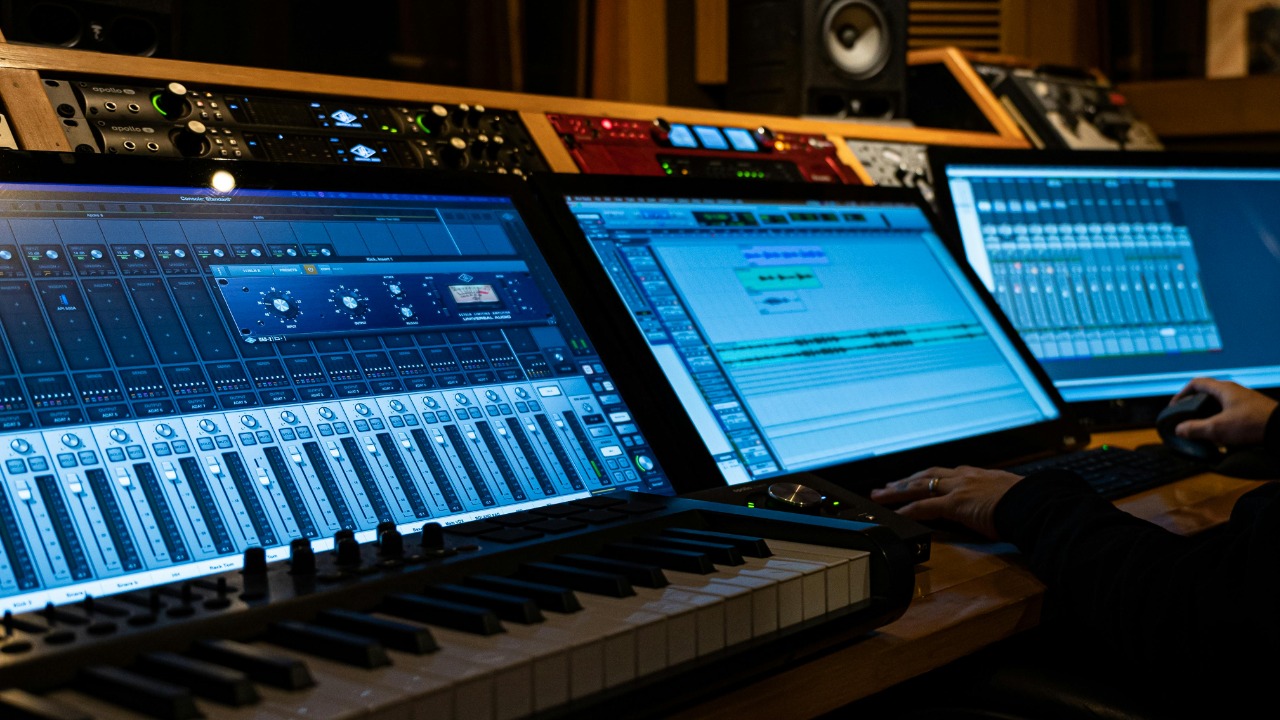
Neural chips could fundamentally alter the music composition process. Traditionally, composing music requires physical interaction with an instrument or music software. However, neural chips could remove this need, enabling musicians to create music directly from their thoughts. This could be especially beneficial for musicians with physical disabilities, who may face challenges in expressing their creativity through conventional means.
In the music industry, several musicians have started to explore the potential of neural chips. Their experiences show that this technology not only facilitates music composition but can also lead to new forms of musical expression. This transformative technology could effectively broaden the creative palette available to musicians.
Ethical Considerations of Neural Chip Technology

As with any groundbreaking technology, neural chips also raise important ethical questions. Privacy is a key concern, as the technology involves reading and interpreting brain signals. Issues of autonomy also arise, particularly around the question of who owns and controls the music created with the help of neural chips.
There’s also an ongoing debate about whether music composed with the aid of neural chips can be considered authentic. Some argue that it lacks the human touch, while others contend that it’s simply a new form of musical expression. Scholars are actively discussing these issues, seeking to establish regulations and guidelines for the use of neural chip technology.
The Future of Music Composition with Neural Chips
Looking to the future, the potential applications of neural chips in the music industry are vast. They could democratize music creation, enabling anyone with a neural chip to compose music, regardless of their musical training or physical abilities. However, significant challenges remain, including the need for further technological advancements and ethical guidelines to ensure the responsible use of this technology.
As with any new technology, its widespread adoption will depend on various factors, including cost and accessibility. A broader societal discussion on the implications and governance of neural chip technology will also be essential.
Real-World Applications and Case Studies
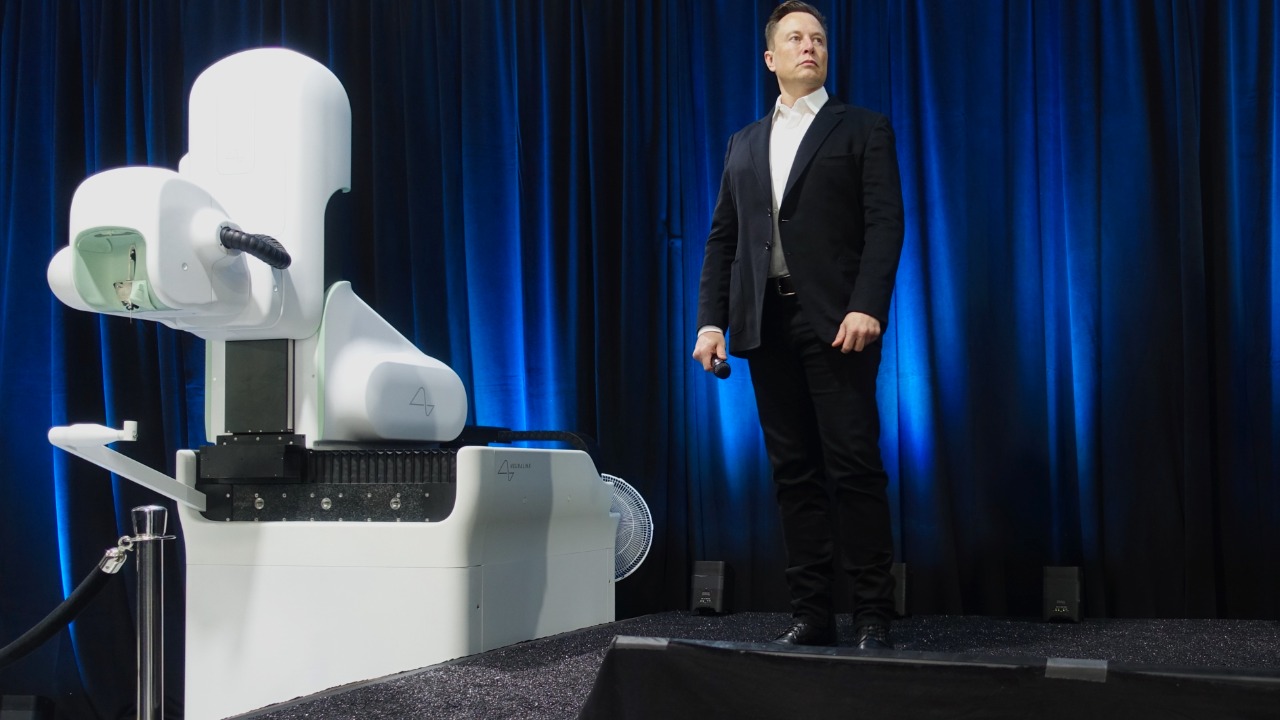
One of the most high-profile projects involving neural chips is Elon Musk’s Neuralink. While its primary goal is to address neurological disorders, the potential implications for music composition are intriguing. If successful, Neuralink could significantly expand the capabilities of musicians, allowing them to compose complex pieces directly from their thoughts. Stories like that of Nolan Arbaugh, a paralyzed man who composed music using a neural chip, highlight the transformative potential of this technology.
Academic research also offers compelling insights into the use of neural chips for music composition. For instance, a study conducted by Artturi Boren at the Helsinki Metropolia University of Applied Sciences explores how neural chips could be used to create a new musical instrument that is controlled directly by the brain.
In conclusion, the advent of neural chips holds exciting potential for the world of music. As we continue to explore and understand this technology, it’s crucial to consider its ethical implications and societal impact. The future of music composition could very well be in our thoughts.
