The United States Navy has recently attracted attention with a series of patents that reveal groundbreaking propulsion systems reminiscent of UFO technology. These patents suggest potential advancements in energy efficiency and flight capabilities that could transform aerospace engineering. The implications and possibilities of these intriguing patents are immense, raising both excitement and skepticism among experts and the public alike.
The Navy’s Unveiling of UFO-Like Technology

The U.S. Navy has filed several patents that have captured the imagination of both the scientific community and the general public. These patents, which have been described as resembling technology often associated with UFOs, propose new methods of propulsion that could revolutionize how we think about flight. The patents, which can be explored in-depth here, include ideas like a “hybrid aerospace-underwater craft” and methods for reducing the mass of objects to facilitate easier movement through the air.
The response to these patents has been a mix of intrigue and skepticism. While some view the Navy’s work as a bold step toward future technological advancements, others see it as speculative and ahead of its time. The similarities between the patents’ descriptions and popular UFO lore have only fueled public fascination. This overlap raises questions about whether these technologies were inspired by real encounters or if they merely capitalize on existing myths.
Understanding the Science Behind the Patents

The propulsion systems described in these patents are grounded in advanced scientific theories that challenge conventional understanding. One of the core components is the use of fusion energy, which promises a cleaner and more efficient power source than current technologies. Fusion energy, as elaborated here, involves merging atomic nuclei to release large amounts of energy, a process that, if harnessed effectively, could transform energy production.
These patents suggest that incorporating fusion technology into propulsion systems could drastically alter traditional aerospace engineering. By potentially reducing weight and increasing efficiency, such systems could enable longer and faster flights with less environmental impact. The theoretical foundation of these systems also hints at the possibility of creating new forms of transportation that transcend the limitations of current technology.
Potential Military and Civilian Applications
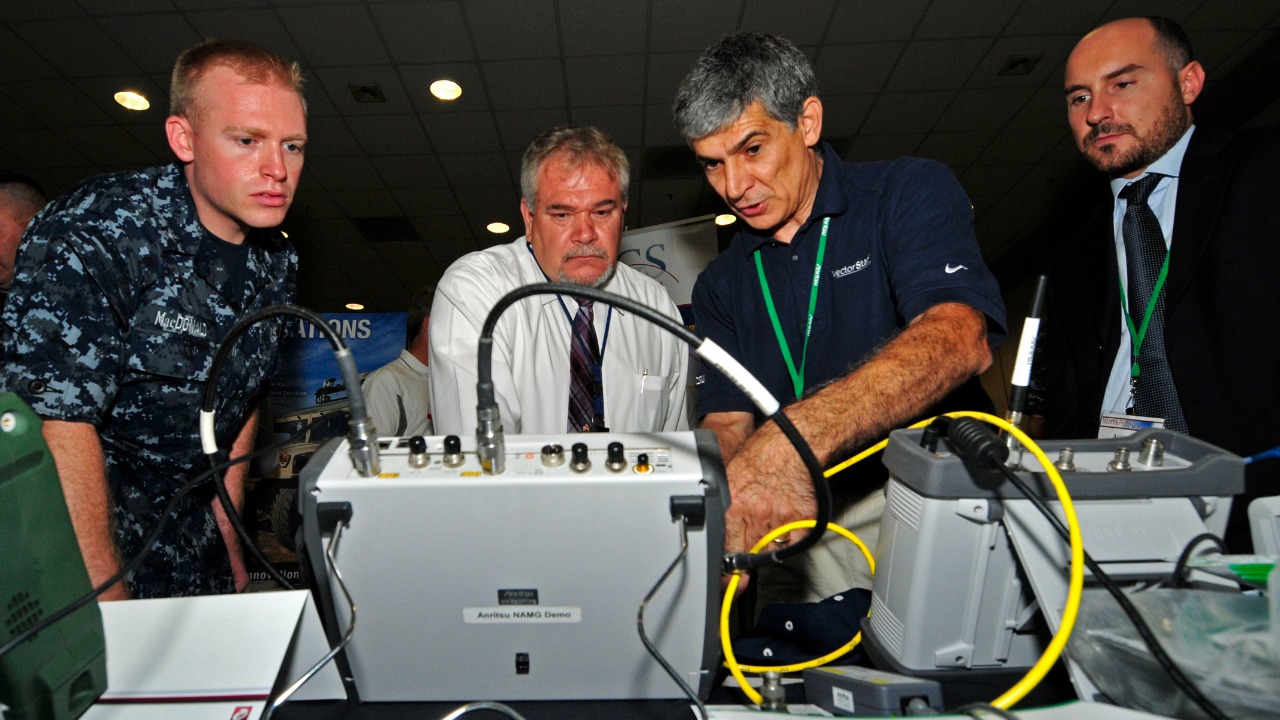
The potential applications of these advanced propulsion systems are vast, with significant implications for both military and civilian sectors. Militarily, they could lead to the development of aircraft capable of higher speeds and greater maneuverability, providing a strategic advantage. Such technology could also allow for the creation of vehicles that operate both in the air and underwater, enhancing operational flexibility. The details of these patents reveal a glimpse of what future military operations might look like.
In the civilian realm, these propulsion systems could revolutionize commercial aviation by enabling faster and more fuel-efficient travel. Space exploration could also benefit, with spacecraft potentially reaching new speeds and destinations. The broader impact on global technological advancements could include new industries and economic opportunities, as well as advances in fields like materials science and environmental technology.
Challenges and Skepticism

Despite the exciting possibilities, there are significant challenges and skepticism surrounding these patents. The scientific and engineering hurdles are substantial, with many experts questioning the feasibility of the proposed technologies. Issues such as the stability of fusion reactions and the materials needed to withstand extreme conditions must be addressed before these concepts can move from theory to reality.
Furthermore, skepticism from both experts and the public is prevalent. Some view the patents as speculative, arguing that the science is not yet mature enough to support such ambitious claims. There are also legal and ethical considerations, including the potential for misuse and the implications of such powerful technologies. These concerns are discussed in detail here, highlighting the complex landscape these technologies must navigate.
The Future of Advanced Propulsion Systems

As we look to the future, the timeline for the development and deployment of these advanced propulsion systems remains uncertain. While some speculate that technological breakthroughs could occur within the next decade, others caution that we may be several decades away from seeing practical applications. International interest in these technologies is growing, with potential for collaboration among nations to overcome scientific and engineering challenges. Ultimately, these innovations have the potential to redefine how humans interact with space, opening new frontiers for exploration and discovery. As research continues, the balance between optimism and realism will be crucial in guiding the development of these technologies. The journey ahead is an exciting one, full of opportunities and challenges, as we stand on the cusp of a new era in propulsion technology.
