In a bid to combat climate change, nations worldwide are fast-tracking their plans to phase out gas bikes by 2030. This significant shift presents a myriad of benefits, yet it also brings about a set of unique challenges.
The Global Push to Ban Gas Bikes

The worldwide trend to ban gas bikes is gaining momentum, with several countries, like Norway and the Netherlands, setting ambitious deadlines. A comprehensive list of nations and their respective phase-out plans can be found on Coltura. This trend is primarily driven by a rising awareness of the environmental and health impacts associated with gas bikes.
Gas bikes significantly contribute to air pollution and carbon emissions, which are leading causes of climate change. They also contribute to noise pollution, which can have adverse effects on both humans and wildlife. Furthermore, the extraction, refinement, and transportation of fossil fuels used in gas bikes have notable environmental impacts.
The Benefits of Transitioning from Gas Bikes to Electric Alternatives
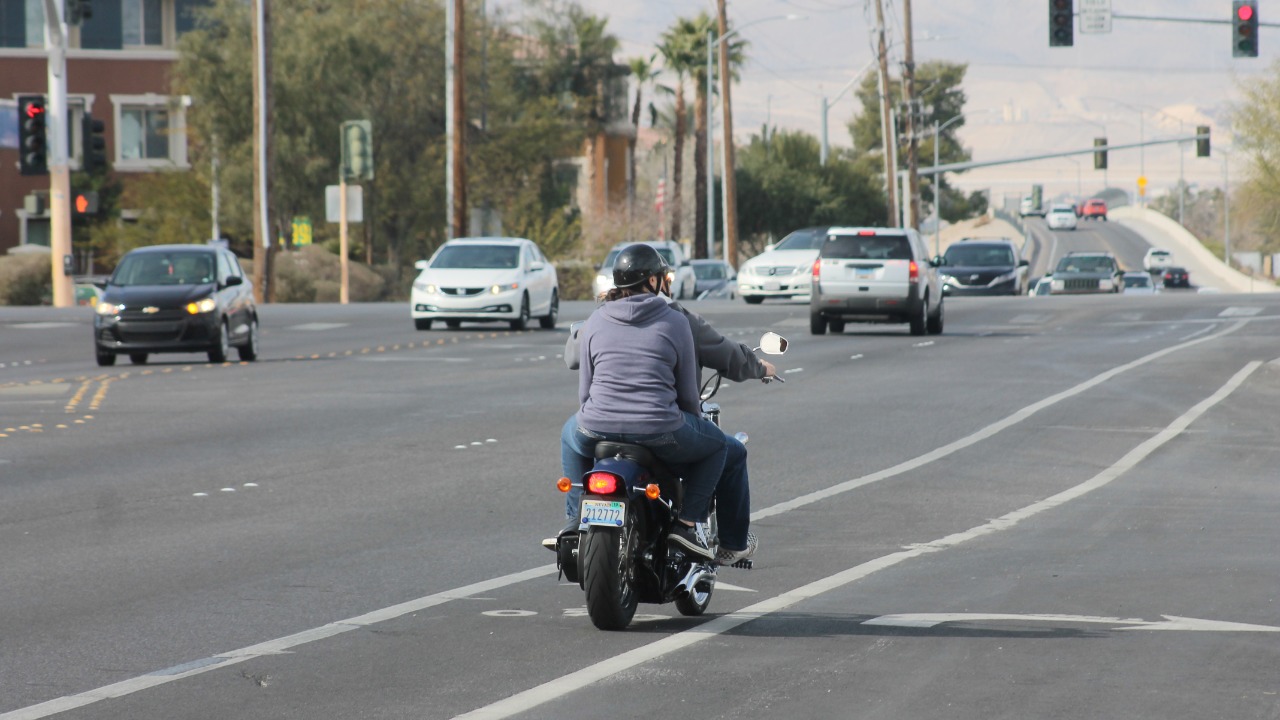
Electric bikes offer a more environmentally friendly alternative, with significantly reduced carbon emissions and air pollution. They also produce less noise, contributing to quieter, more peaceful urban environments.
Moreover, electric bikes also present economic advantages. The cost of operating an electric bike, in terms of energy use, is typically lower than that of a gas bike. This economic advantage, combined with the environmental benefits, makes electric bikes an appealing alternative.
Furthermore, the transition towards electric bikes can have health benefits. Reduced air and noise pollution can lead to improved respiratory and cardiovascular health, and lower stress levels among urban residents.
Challenges in Implementing the Ban

While the shift to electric bikes presents several benefits, it also poses numerous challenges. One of the key hurdles is infrastructural – the need for widespread, accessible charging stations. This demand necessitates significant investments and strategic planning in urban design.
Another obstacle is the current affordability and availability of electric bikes. Although operating costs are lower, initial purchase prices are often higher than gas bikes, which may deter potential buyers.
Furthermore, electric bikes’ production capacity needs to be scaled up to meet growing demand.
Resistance may also arise from existing gas bike manufacturers and users who may be reluctant to transition due to a variety of reasons, including financial investments in gas bikes and perceived convenience.
Case Study: Rwanda’s E-Bike Revolution

Rwanda provides a successful example of transitioning to e-bikes. The country has been a pioneer in adopting electric bikes, which has positively impacted its economy and environment. More on this can be found in this BBC report.
Government policies and incentives have played a crucial role in encouraging this transition. These incentives, coupled with the economic and environmental benefits of e-bikes, have led to a dramatic increase in their use.
Looking Ahead: The Future of Biking Post-2030

Advancements in electric bike technology are expected to continue post-2030. Improvements in battery technology, for example, could lead to electric bikes with greater range and speed. This could further boost their appeal and accelerate the transition away from gas bikes.
The ban on gas bikes could also bring about significant changes in the global biking industry. For instance, current market leaders in the gas bike industry might lose their dominance if they fail to adapt to the increasing demand for electric bikes. Conversely, companies that are currently minor players in the biking industry could rise to prominence if they successfully capitalize on this trend.
Moreover, the trend towards banning gas bikes might lead to further environmental legislation. Stricter emission standards for other types of vehicles could be enacted, or bans on other gas-powered vehicles could be implemented. It’s an exciting time for the biking world, and this Viking Bags article provides a deeper dive into the subject.
