The unrelenting journey of NASA’s Voyager spacecraft has led to a groundbreaking discovery at the edge of our solar system—a “wall of fire.” This mysterious barrier, detected beyond the heliopause, raises profound questions about the nature of our cosmic neighborhood and what lies beyond.
The Voyager Mission: A Historical Perspective
The Voyager program, launched by NASA in 1977, embarked on a mission to explore the outer planets and the farthest reaches of our solar system. Initially tasked with conducting flybys of Jupiter and Saturn, the twin spacecraft, Voyager 1 and Voyager 2, exceeded expectations, providing a treasure trove of data and stunning images of planets and their moons. These spacecraft have become iconic symbols of human curiosity and technological prowess, continuing their journey far beyond their initial objectives.
As pioneers in space exploration, the Voyager spacecraft have reshaped our understanding of the solar system. Their encounters with Jupiter, Saturn, Uranus, and Neptune unveiled detailed images of these gas giants and their complex systems of rings and moons. This invaluable data has been instrumental in refining our models of planetary formation and composition, offering unprecedented insights into the dynamics of our solar system.
Discovery of the ‘Wall of Fire’
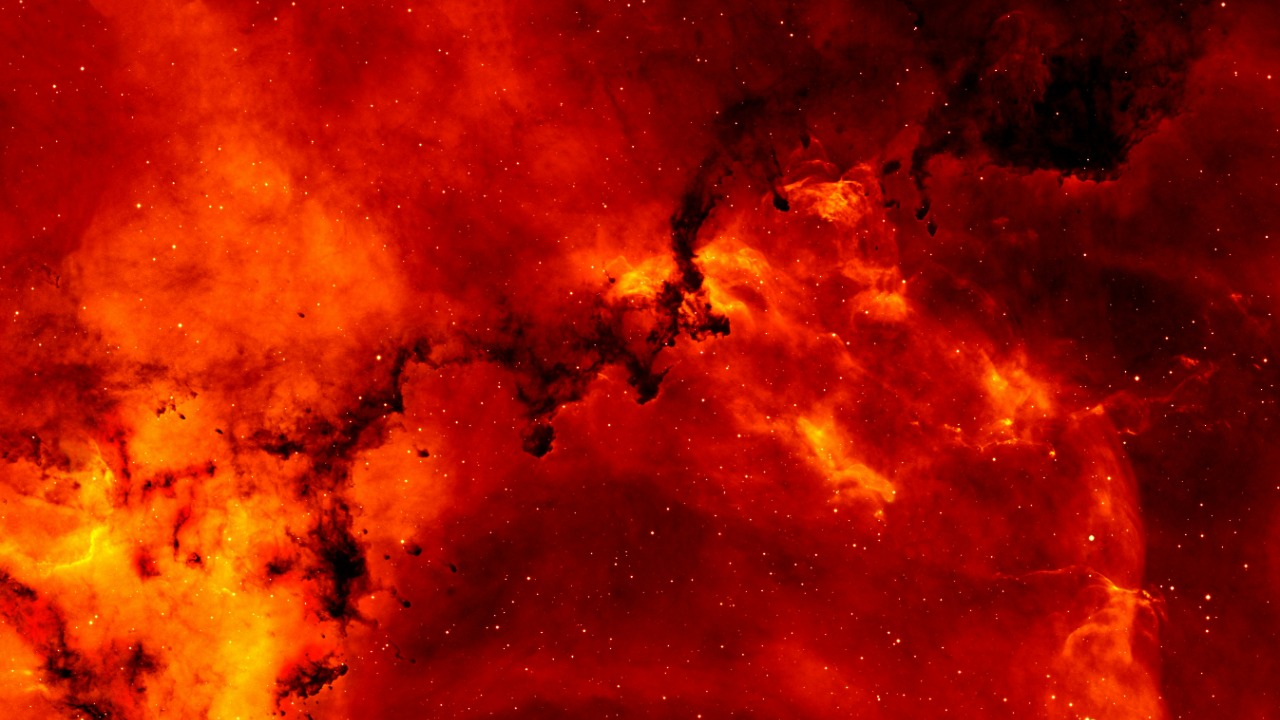
The recent discovery of a “wall of fire” by the Voyager spacecraft has captivated the scientific community. This mysterious barrier, detected beyond the heliopause, is believed to be the result of interactions between solar winds and the interstellar medium. As the Voyager spacecraft journeyed into interstellar space, they encountered an unexpected region where charged particles accumulate, forming what scientists describe as a “wall of fire” beyond the solar system.
The implications of this discovery are profound, as it challenges our understanding of the heliosphere—the protective bubble created by the sun’s magnetic field and solar wind. The data collected by Voyager suggest that the boundary of our solar system is more complex than previously thought, raising questions about the nature of interstellar space and the forces at play beyond the heliopause.
Significance of the Finding
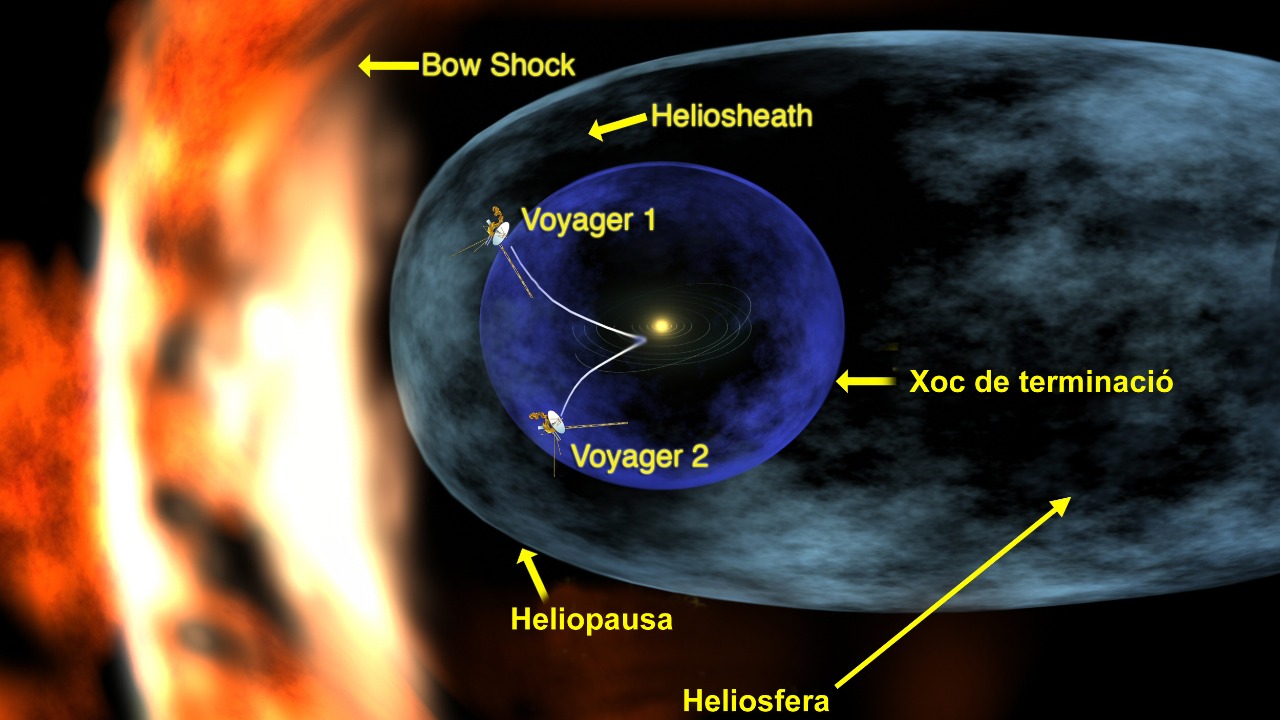
The “wall of fire” represents a significant interaction between the solar wind and the interstellar medium, offering a rare glimpse into the dynamics at the boundary of our solar system. The accumulation of charged particles in this region highlights the complex forces shaping the heliosphere and its interactions with the surrounding interstellar environment. Understanding these dynamics is crucial for comprehending the protective shield that the heliosphere provides to our solar system.
This discovery has far-reaching implications for future space missions. As we venture further into interstellar space, understanding the nature of this barrier will be essential for designing spacecraft capable of navigating beyond the heliopause. The insights gained from Voyager’s findings will inform the development of technologies and strategies for exploring the vast and uncharted territories beyond our solar system.
Challenges and Skepticism
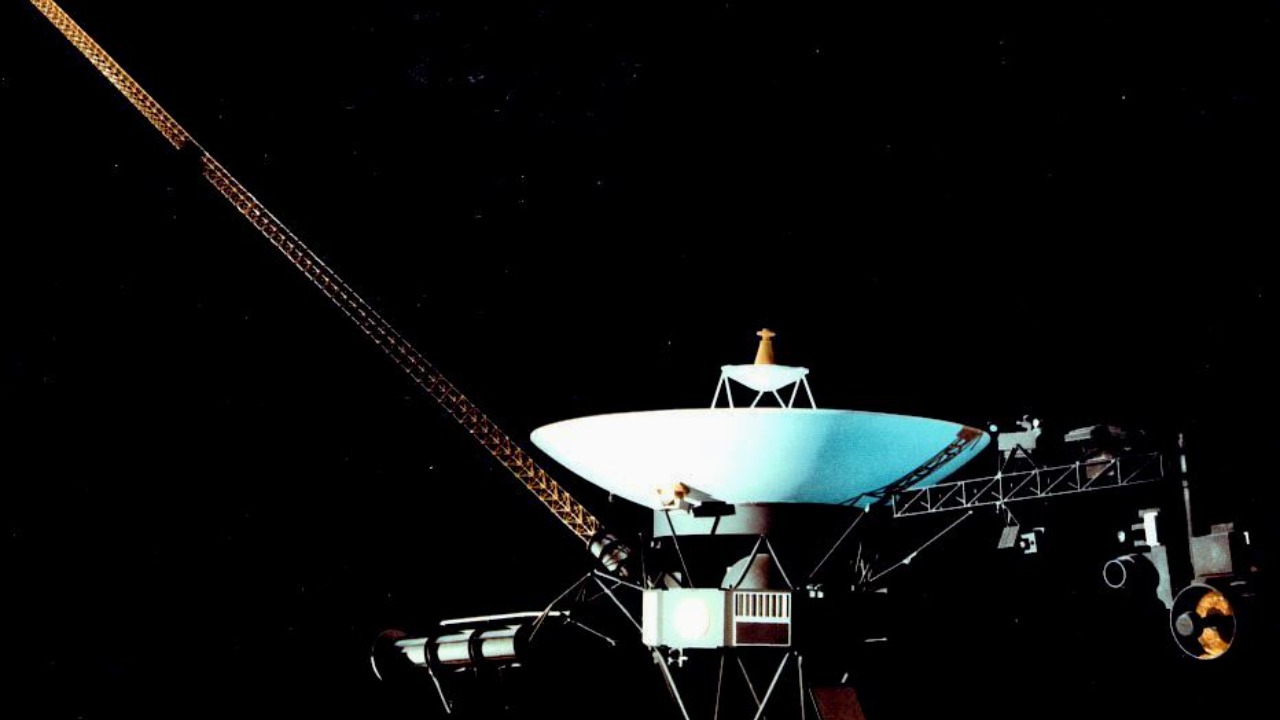
The discovery of the “wall of fire” has sparked debates and skepticism within the scientific community. Some scientists question the interpretation of the data, suggesting alternative explanations for the observed phenomena. The limitations of the 1970s-era Voyager spacecraft, designed for relatively short-term missions, pose significant challenges in analyzing data collected from such vast distances. These challenges highlight the difficulties in drawing definitive conclusions from the available evidence.
Technical and analytical challenges also arise from the aging instruments aboard the Voyager spacecraft. The data collected must be meticulously analyzed and corroborated with other observations to ensure accuracy. Despite these challenges, the scientific community remains committed to unraveling the mysteries of the “wall of fire” and its implications for our understanding of the universe.
Future Exploration Beyond the Solar System
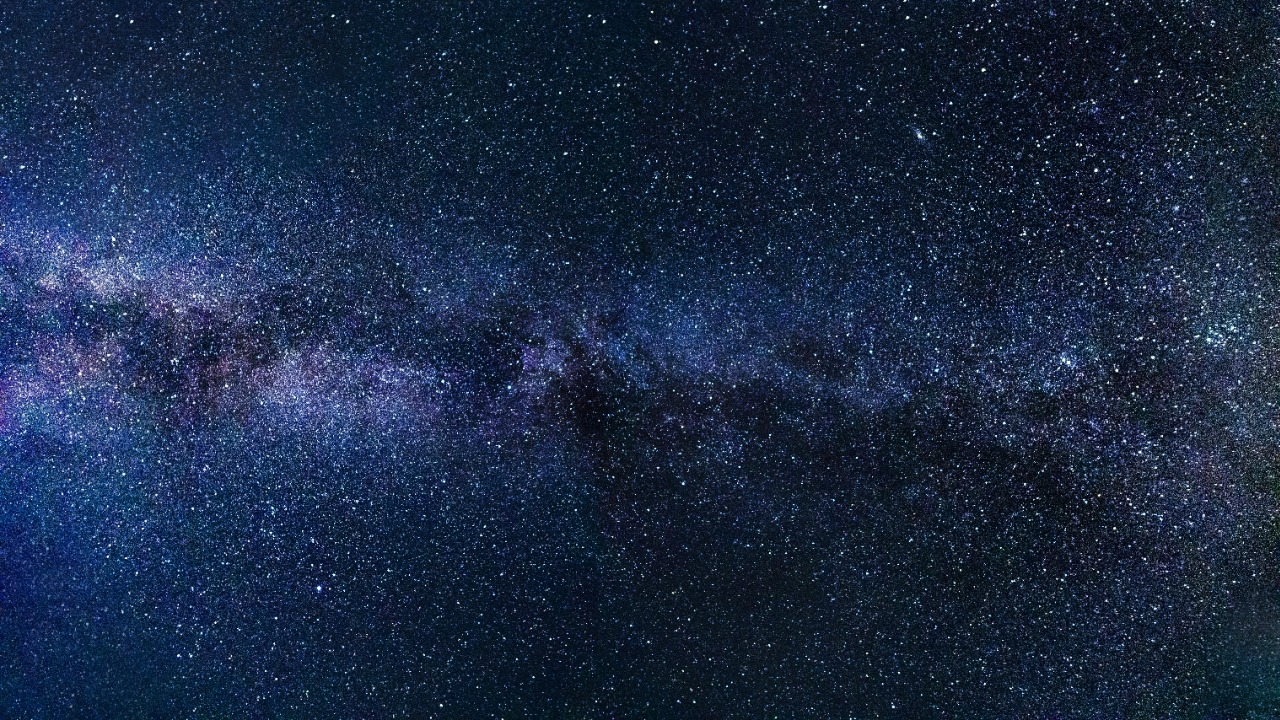
The discovery of the “wall of fire” underscores the need for next-generation spacecraft to continue exploring the boundaries of our solar system and beyond. Future missions, equipped with advanced instruments and technologies, will aim to investigate the nature of this mysterious barrier and the forces shaping interstellar space. These missions will build upon Voyager’s legacy, propelling humanity further into the cosmos.
As we expand our knowledge of the universe, the implications of such discoveries are profound. They challenge us to reconsider our place within the cosmos and inspire future generations to explore the unknown. The quest to understand the universe and our role within it is a fundamental aspect of human curiosity, driving us to push the boundaries of exploration and discovery. For more in-depth insights, check out this comprehensive analysis of the Voyager spacecraft mission.
