NASA’s recent discovery on Mars has ignited a wave of excitement among scientists, prompting discussions about its potential impact on future exploration of the Red Planet. However, this breakthrough might pose challenges for Elon Musk’s ambitious plans to colonize Mars through SpaceX. As NASA’s findings unfold, they could necessitate a reevaluation of strategies for establishing a human presence on Mars.
NASA’s Groundbreaking Mars Discovery
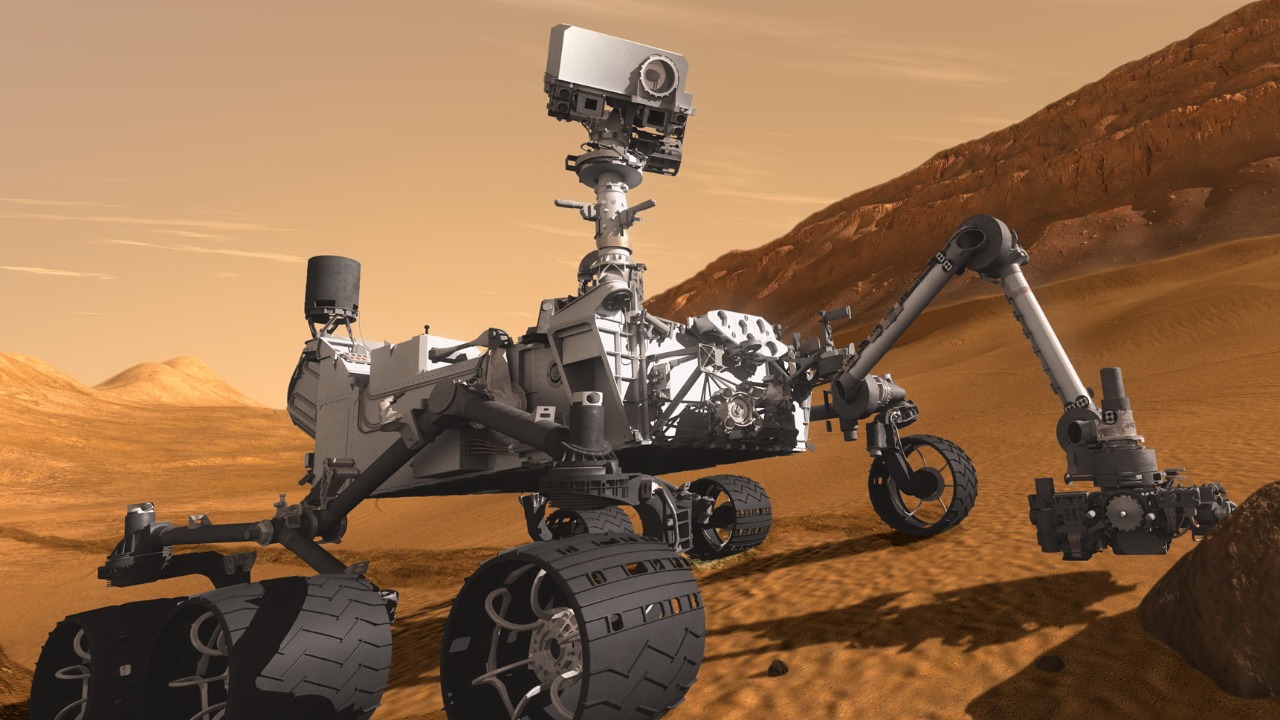
NASA’s latest discovery on Mars has captured the attention of the scientific community, offering new insights into the planet’s geological history and potential habitability. While the specifics of the discovery have not been fully detailed, the implications are significant enough to challenge existing theories about Mars. Scientists are particularly interested in how these findings might alter our understanding of the planet’s past environments and its capacity to support life. The excitement surrounding this discovery underscores its potential to reshape future Mars missions and research priorities (MSN).
The scientific community’s reaction has been overwhelmingly positive, with researchers eager to explore the new avenues of inquiry opened by NASA’s findings. This discovery aligns with ongoing efforts to understand Mars’s climate history and geological processes, which are crucial for assessing the planet’s habitability. As scientists delve deeper into the data, they are likely to refine or even revise existing models of Mars’s evolution, potentially leading to groundbreaking advancements in planetary science (MSN).
One of the most intriguing aspects of NASA’s discovery is its potential to reveal new information about the presence of water on Mars. Water is a critical factor in assessing the planet’s habitability, and any new evidence of its past or present existence could significantly influence future exploration strategies. Scientists are particularly interested in understanding how water might have shaped the Martian landscape and what this means for the possibility of life. This discovery could also inform the selection of landing sites for future missions, as areas with a history of water activity might offer the best chances for uncovering signs of past life (MSN).
Implications for Mars Colonization

The implications of NASA’s discovery extend beyond scientific curiosity, directly impacting the feasibility of human colonization of Mars. The new findings may highlight previously unknown risks or challenges that could complicate efforts to establish a sustainable human presence on the planet. For instance, if the discovery reveals harsher environmental conditions or unforeseen geological hazards, it could necessitate a reevaluation of current colonization strategies. Such revelations might require significant adjustments to the technological and logistical frameworks supporting human missions to Mars (MSN).
SpaceX, under Elon Musk’s leadership, has been at the forefront of Mars colonization efforts, with ambitious plans to build a self-sustaining city on the Red Planet. However, NASA’s discovery could prompt a reassessment of these plans, potentially leading to revised strategies that address the new challenges identified. This might involve developing more robust life support systems, enhancing habitat designs, or even reconsidering the timeline for human settlement. As SpaceX continues to push the boundaries of space exploration, adapting to these new realities will be crucial for the success of its Mars colonization objectives (The Atlantic).
Moreover, the discovery could influence the design of life support systems necessary for sustaining human life on Mars. If the findings suggest more extreme environmental conditions than previously thought, engineers and scientists will need to develop advanced technologies to ensure the safety and well-being of astronauts. This might include innovations in radiation shielding, thermal control, and resource extraction techniques. The ability to utilize local resources, such as extracting water from the Martian soil, could be pivotal in reducing the dependency on Earth-based supplies, making long-term colonization more feasible (MSN).
Elon Musk’s Mars Ambitions
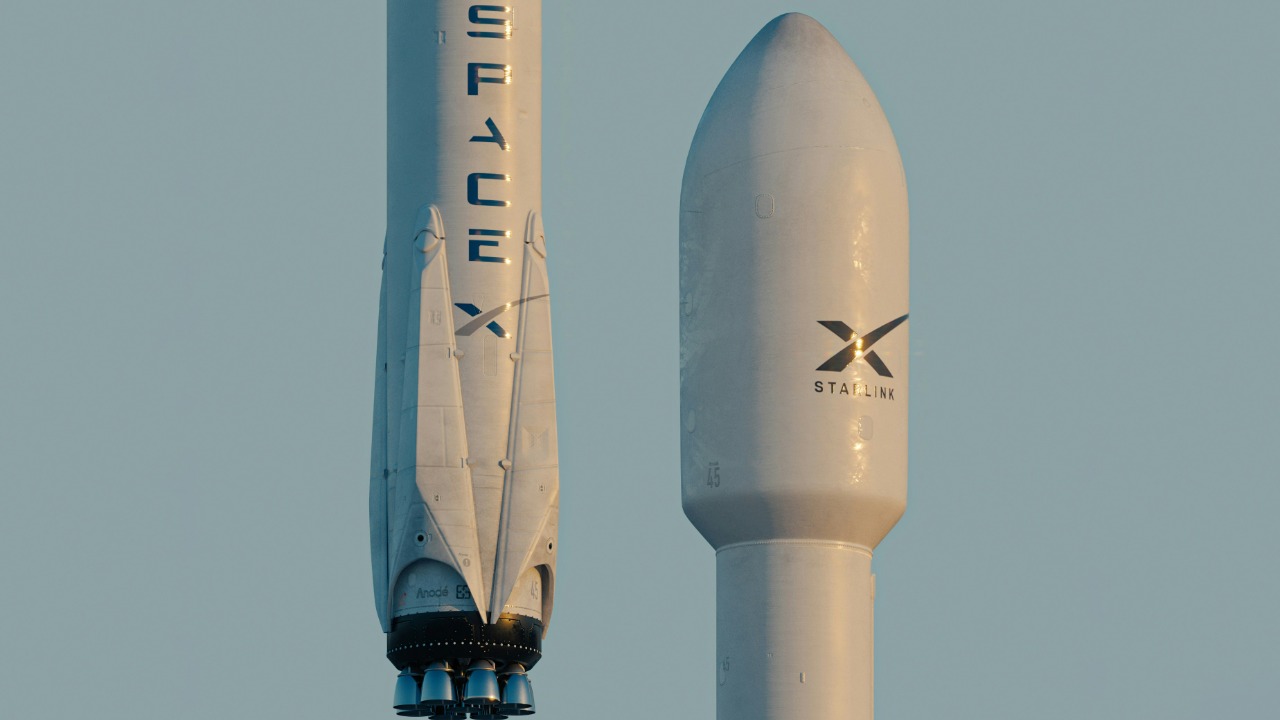
Elon Musk has long envisioned creating a self-sustaining city on Mars, a goal that aligns with SpaceX’s mission to make life multiplanetary. This vision involves deploying the Starship spacecraft to transport humans and cargo to Mars, ultimately establishing a permanent human settlement. Musk’s plans are driven by the belief that humanity must become a multiplanetary species to ensure its long-term survival. However, the recent discovery by NASA might necessitate adjustments to these plans, as new challenges and considerations come to light (The Atlantic).
In light of NASA’s findings, Musk and SpaceX may need to address logistical and ethical considerations that arise from the new data. This could involve rethinking the design of habitats, transportation systems, and resource utilization strategies to better accommodate the realities of Mars’s environment. Additionally, ethical questions about the impact of human colonization on potential Martian ecosystems might gain prominence, prompting a more cautious approach to exploration and settlement. As SpaceX continues to refine its plans, these considerations will play a critical role in shaping the future of Mars colonization (The Atlantic).
In addition to technical challenges, Musk’s vision for Mars colonization must also navigate the complex ethical landscape of extraterrestrial exploration. The potential discovery of microbial life or biosignatures on Mars could lead to debates about the moral implications of human settlement. Preserving potential Martian ecosystems might become a priority, influencing international policies and agreements on space exploration. As SpaceX advances its plans, these ethical considerations will likely shape the discourse around Mars colonization, ensuring that humanity’s expansion into space is conducted responsibly and sustainably (The Atlantic).
Future of Mars Exploration
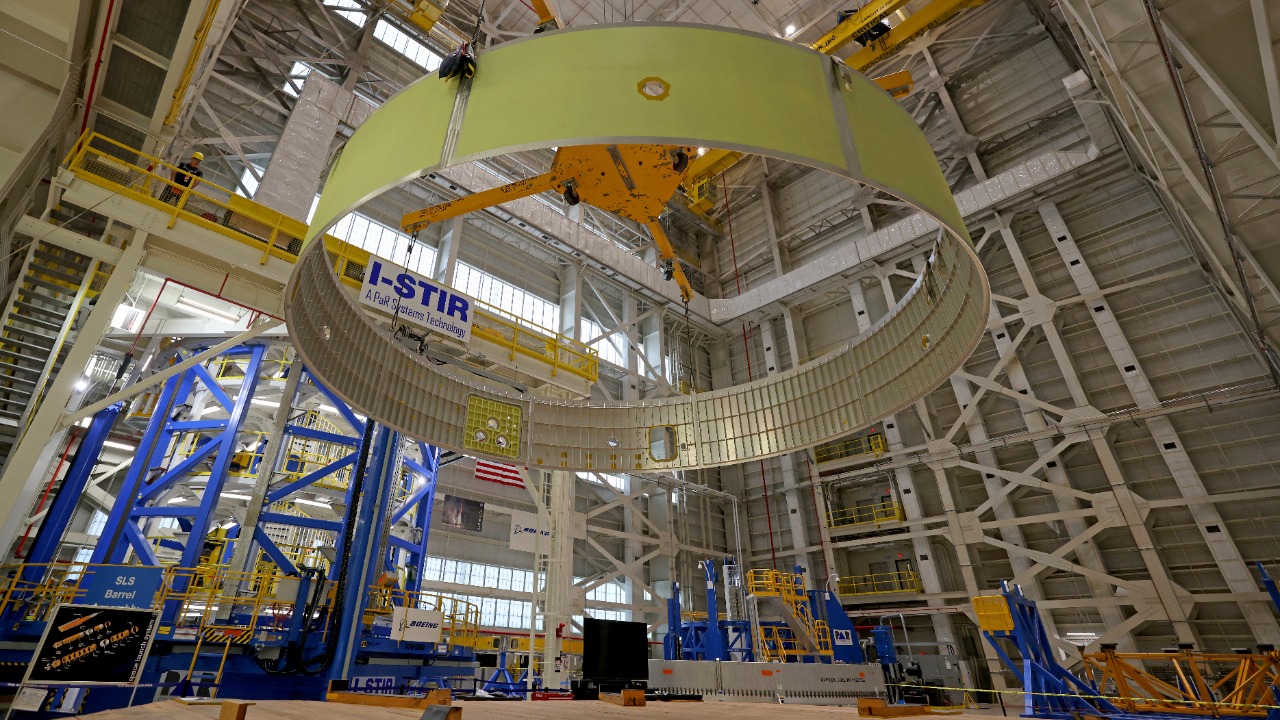
Looking ahead, NASA and other space agencies are likely to prioritize missions that further investigate the recent discovery on Mars. These missions could provide valuable data that enhances our understanding of the planet’s geology and potential for life. As the scientific community continues to analyze the implications of NASA’s findings, new technological innovations and international collaborations may emerge to support more comprehensive exploration efforts. The pursuit of knowledge about Mars is expected to drive advancements in space technology and foster partnerships that transcend national boundaries (MSN).
As humanity moves closer to exploring Mars more deeply, the potential for groundbreaking discoveries and technological breakthroughs is immense. The recent findings by NASA serve as a catalyst for renewed interest and investment in Mars exploration, paving the way for future missions that could unlock the secrets of the Red Planet. With continued dedication and collaboration, the dream of understanding and potentially inhabiting Mars becomes increasingly attainable, promising a new era of discovery and innovation in space exploration (MSN).
