NASA’s relentless pursuit of the unknown has led to the development of groundbreaking exoplanet-hunting technology. With its latest mission, NASA has uncovered hidden worlds beyond our solar system, offering new insights into the cosmos. These findings raise questions about our understanding of planetary systems and the potential for life elsewhere in the universe.
The Technology Behind NASA’s New Exoplanet Hunter
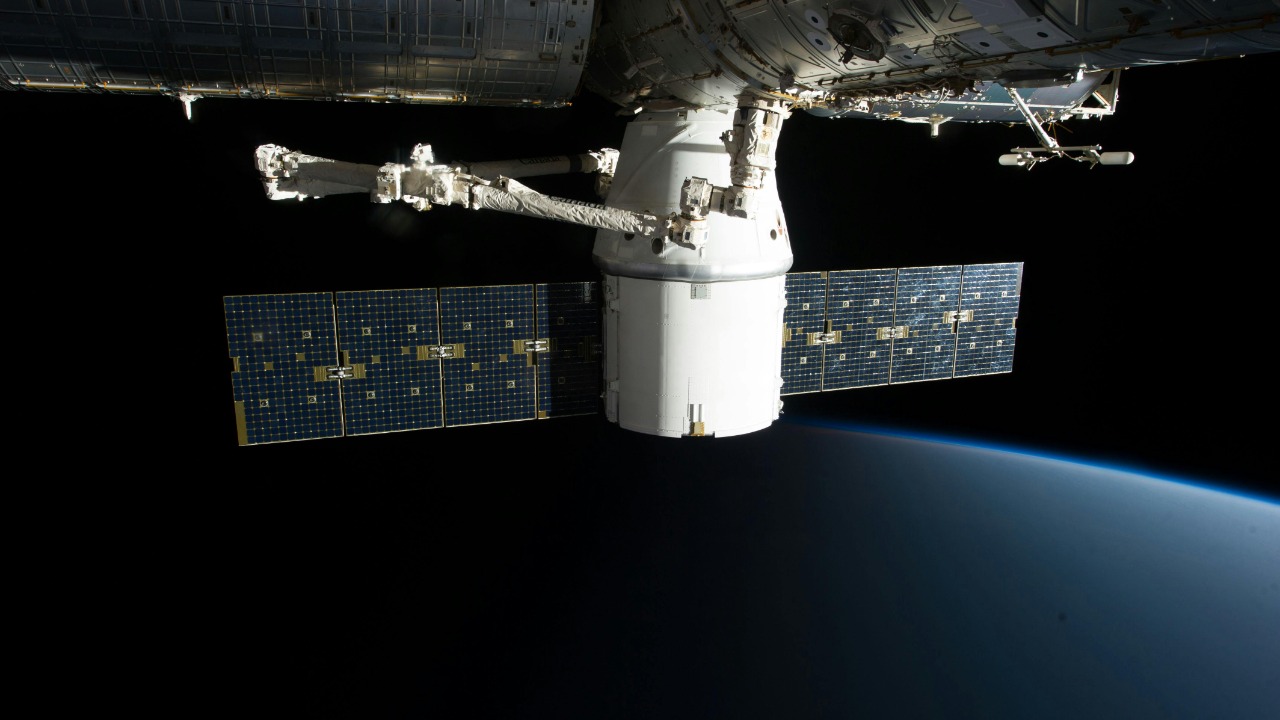
The latest mission in NASA’s exoplanet exploration arsenal is designed to expand the boundaries of what is known about distant worlds. The primary goal is to identify and analyze planets outside our solar system, especially those that may resemble Earth in size and composition. By leveraging new technologies, this mission aims to enhance our understanding of the universe’s vast diversity.
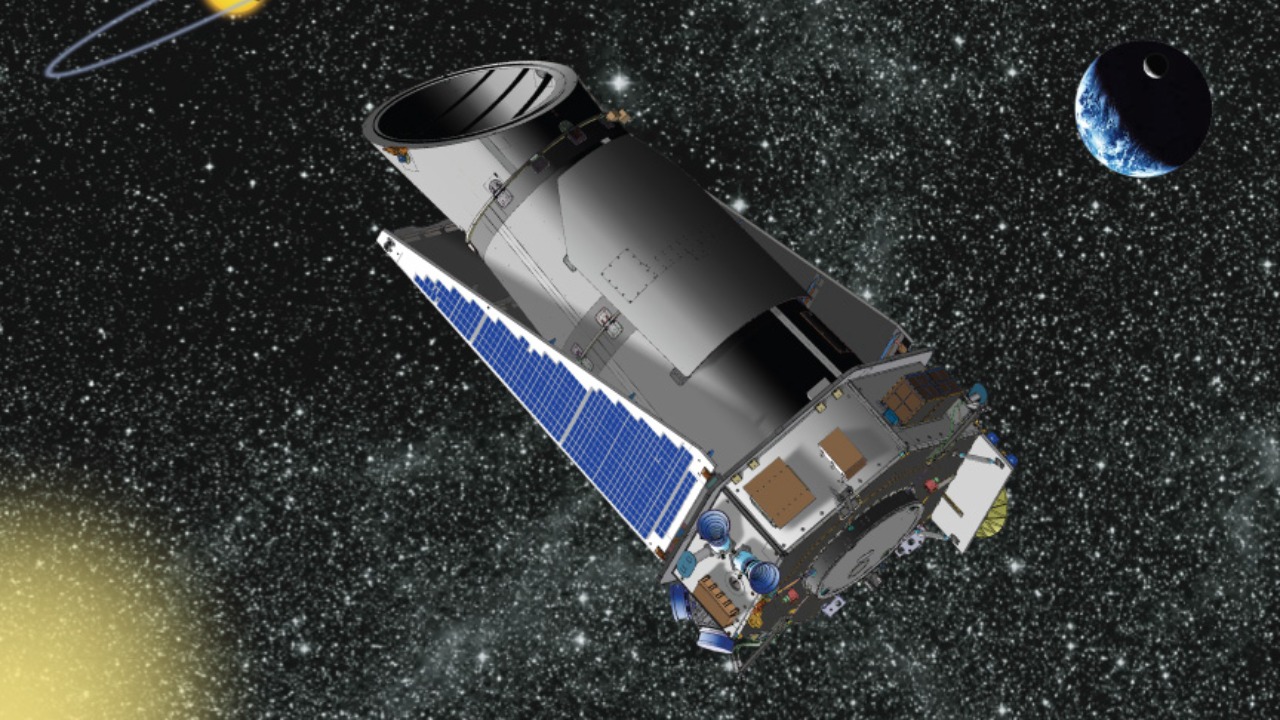
The mission employs sophisticated technologies, including advanced telescopes and spectrometers, to detect subtle changes in star brightness that indicate the presence of planets. These technologies are pivotal in measuring minute variations in light that occur as planets pass in front of their host stars. Innovations like higher resolution sensors and improved data processing algorithms have significantly increased the precision and speed of these observations.
Developing such advanced instrumentation came with its own set of challenges. Engineers and scientists had to overcome hurdles related to the vast distances involved and the faint signals emitted by distant planets. By employing cutting-edge engineering solutions and refining observational techniques, NASA has greatly enhanced its capability to detect even the smallest, most distant exoplanets. The mission’s success is a testament to the ingenuity and determination of the teams involved.
Key Discoveries: Hidden Worlds Revealed
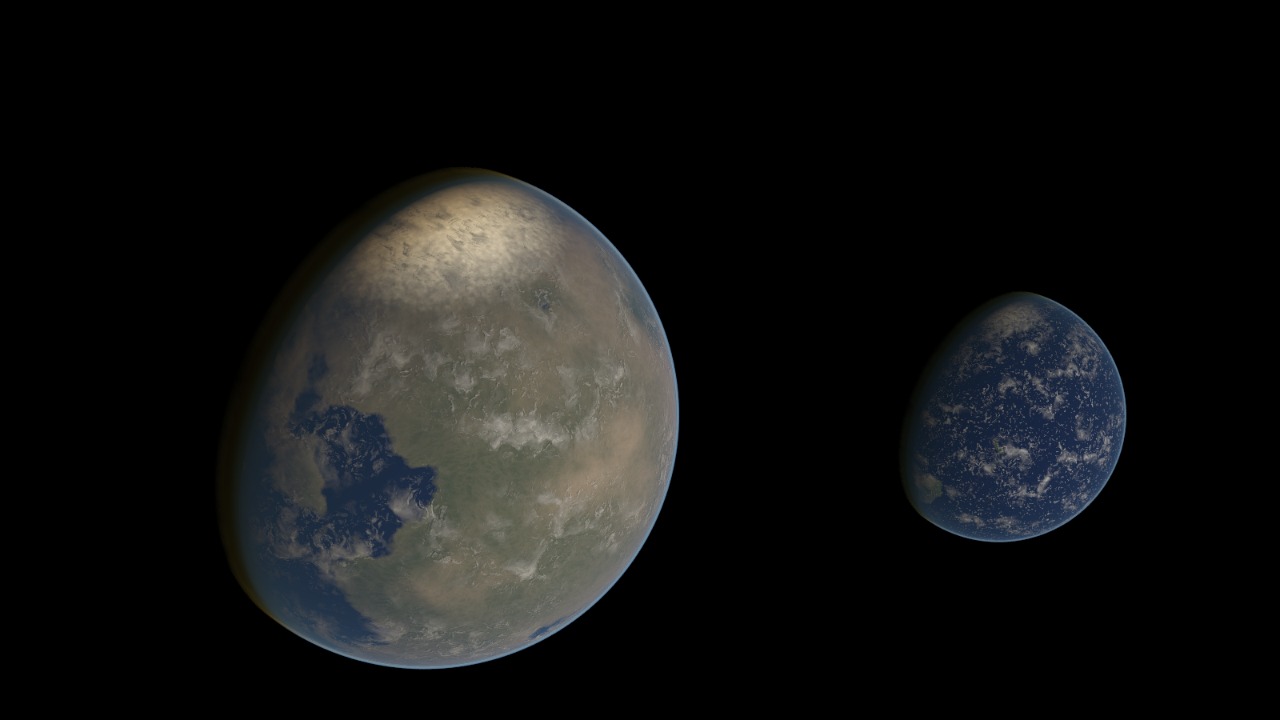
Among the mission’s most notable achievements is the identification of several new exoplanets. These discoveries have already expanded our catalog of known worlds, introducing us to planets with unique characteristics. One significant find is a super-Earth located in the habitable zone of its star, where conditions might be right for liquid water to exist.
The characteristics of these newly discovered exoplanets offer intriguing possibilities for habitability. Many of them vary greatly in size, some being larger than Earth while others are smaller. Their orbits range from tight circles around red dwarfs to elongated paths around sun-like stars. Such diversity presents exciting opportunities for further study, particularly in understanding the factors that contribute to a planet’s potential to support life.
In addition to these expected findings, there have been surprising observations, such as planets with unusual atmospheric compositions and unexpected orbital behaviors. These elements challenge existing models of planetary formation and dynamics, prompting scientists to rethink traditional theories. Such unexpected discoveries underscore the complexity and wonder of our universe.
Scientific Implications and Future Research
The discoveries made by NASA’s new exoplanet hunter are reshaping our understanding of planetary systems and the universe as a whole. By expanding our knowledge of the variety and nature of exoplanets, these findings challenge traditional notions of how planetary systems form and evolve. This, in turn, enriches our comprehension of our own solar system’s place in the cosmos.
The potential implications for the search for extraterrestrial life are profound. With each new world discovered, the possibility of finding life beyond Earth increases. The data gathered could inform future missions aimed at identifying biosignatures or other signs of life on these distant planets. This mission represents a pivotal step in the ongoing quest to answer the age-old question: Are we alone?
Looking ahead, NASA plans to build on these discoveries with a series of future missions and studies. These efforts will focus on more detailed observations of identified exoplanets, as well as the search for new ones. Collaborations with international partners and the development of more advanced technologies will be key to these endeavors, opening up new frontiers in space exploration.
Public Engagement and Educational Outreach
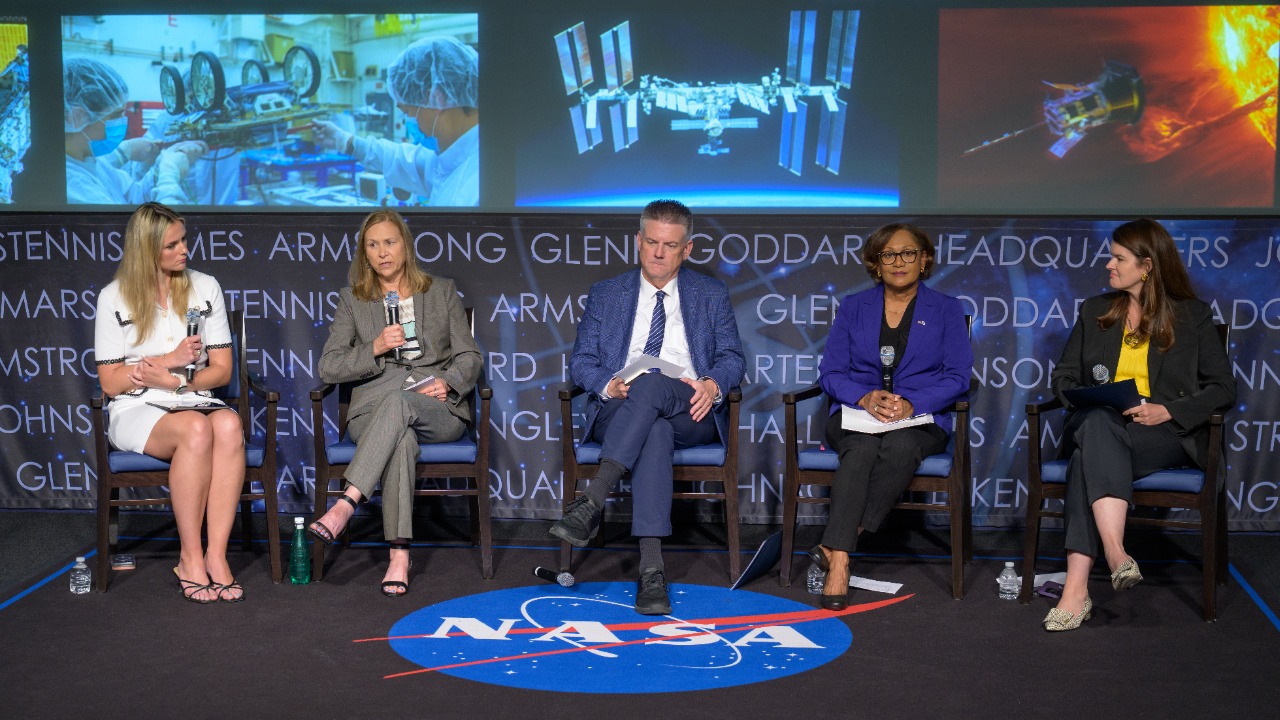
NASA is committed to sharing the excitement of these discoveries with the public, aiming to foster a greater interest in space exploration. Through a variety of channels, including social media, public lectures, and interactive exhibits, NASA is making the wonders of the cosmos accessible to everyone. Engaging storytelling and visualizations help convey the significance of these findings, inspiring curiosity and wonder.
Educational initiatives play a crucial role in this outreach effort. NASA has developed a range of programs and resources to educate students and space enthusiasts about exoplanet research. These include online courses, downloadable materials, and interactive simulations that allow users to explore the universe from their own computers. Such resources are designed to ignite a passion for science and exploration in the next generation.
Citizen scientists also have a unique opportunity to contribute to this mission. Platforms like Zooniverse allow the public to assist in analyzing data and identifying potential exoplanet candidates. This collaborative approach not only aids in the research process but also empowers individuals to take an active role in scientific discovery.
Global Collaboration in Exoplanet Exploration
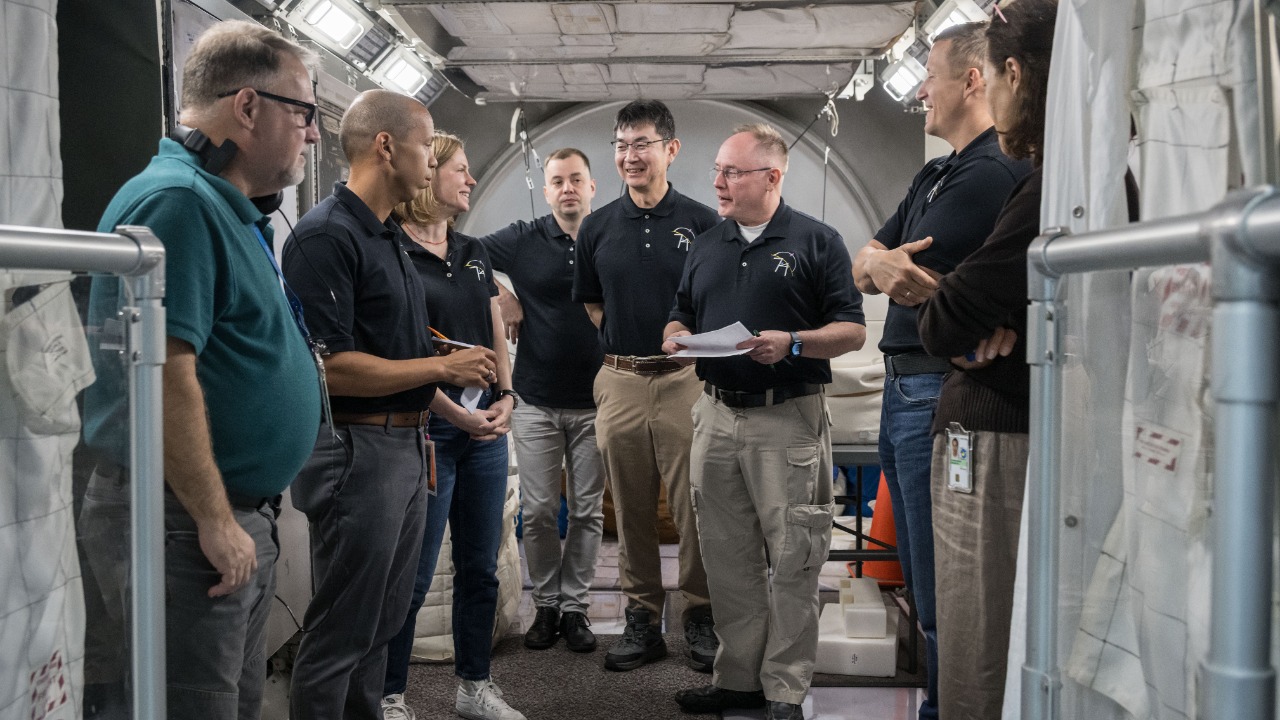
Exoplanet research is a global endeavor, with international partnerships playing a crucial role in advancing our understanding of distant worlds. NASA collaborates with space agencies around the world, pooling resources and expertise to maximize the potential for discovery. Such partnerships are essential for tackling the challenges of space exploration and ensuring that findings benefit the global scientific community.
Contributions from other space organizations, such as the European Space Agency (ESA) and the Japan Aerospace Exploration Agency (JAXA), have been instrumental in the success of exoplanet exploration. These agencies provide complementary technologies and perspectives, enhancing the overall capability to identify and study new planets. Such cooperation fosters a spirit of unity and shared purpose in the pursuit of knowledge.
Ensuring open access to data and resources is a key component of these collaborative efforts. By sharing findings and methodologies, researchers worldwide can build on each other’s work, accelerating scientific progress. This commitment to transparency and collaboration is vital for the continued advancement of exoplanet research and the broader field of astronomy.
