NASA’s Opportunity rover made an unprecedented discovery on Mars that has reshaped our understanding of the Red Planet. The identification of water-bearing minerals and sedimentary rocks has provided crucial evidence of ancient water activity, offering insights into the planet’s potential to support life.
The Mission of Opportunity
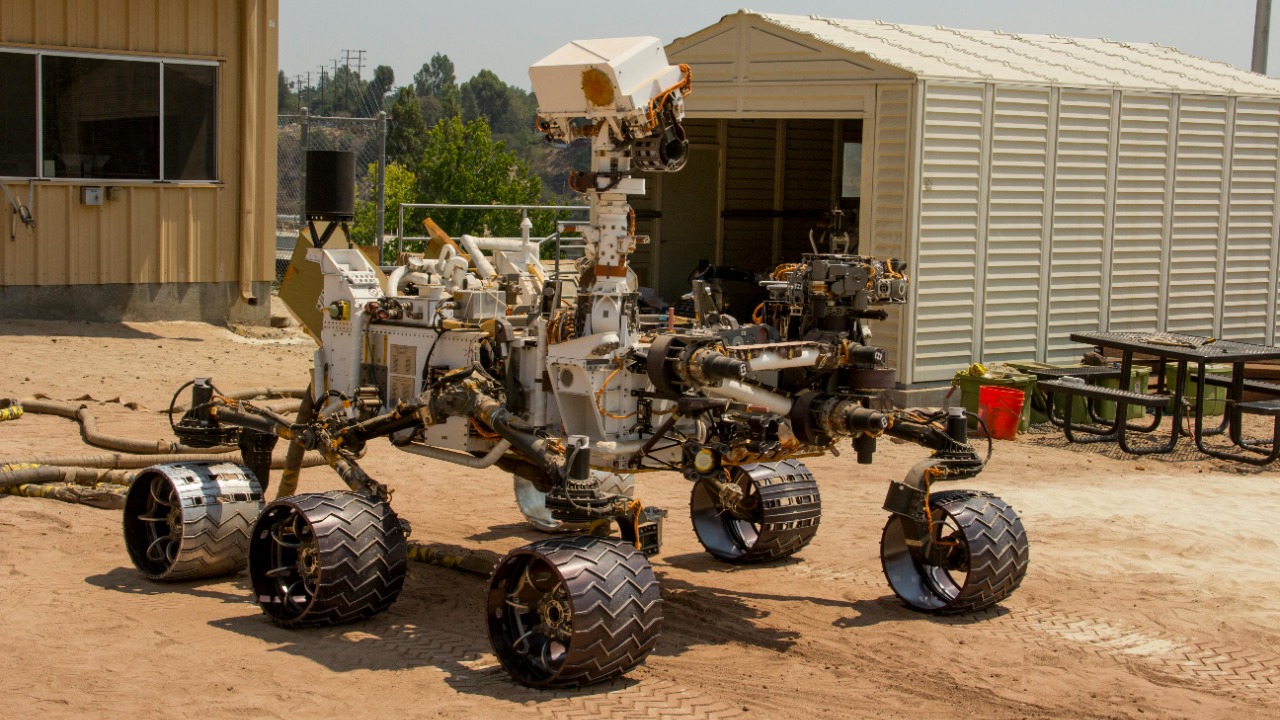
The Mars Exploration Rover mission was a groundbreaking project developed by NASA to explore the Martian surface. The mission involved two twin rovers, Opportunity and Spirit, each designed to cover different areas of Mars. Their primary objective was to search for evidence of past water activity, which could indicate the planet’s ability to support life. Equipped with a suite of scientific instruments, these rovers set out to analyze the planet’s surface geology and atmosphere.
Opportunity was engineered with advanced technologies that allowed it to perform intricate analyses of the Martian terrain. Key instruments included the panoramic camera, microscopic imager, and spectrometers, which were crucial for identifying minerals formed in water. The rover’s journey to Mars began with its launch in July 2003, and it successfully landed in the Meridiani Planum region in January 2004. This strategic location was chosen for its flat plains, which were ideal for the rover’s exploration tasks.
Exploring the Martian Surface
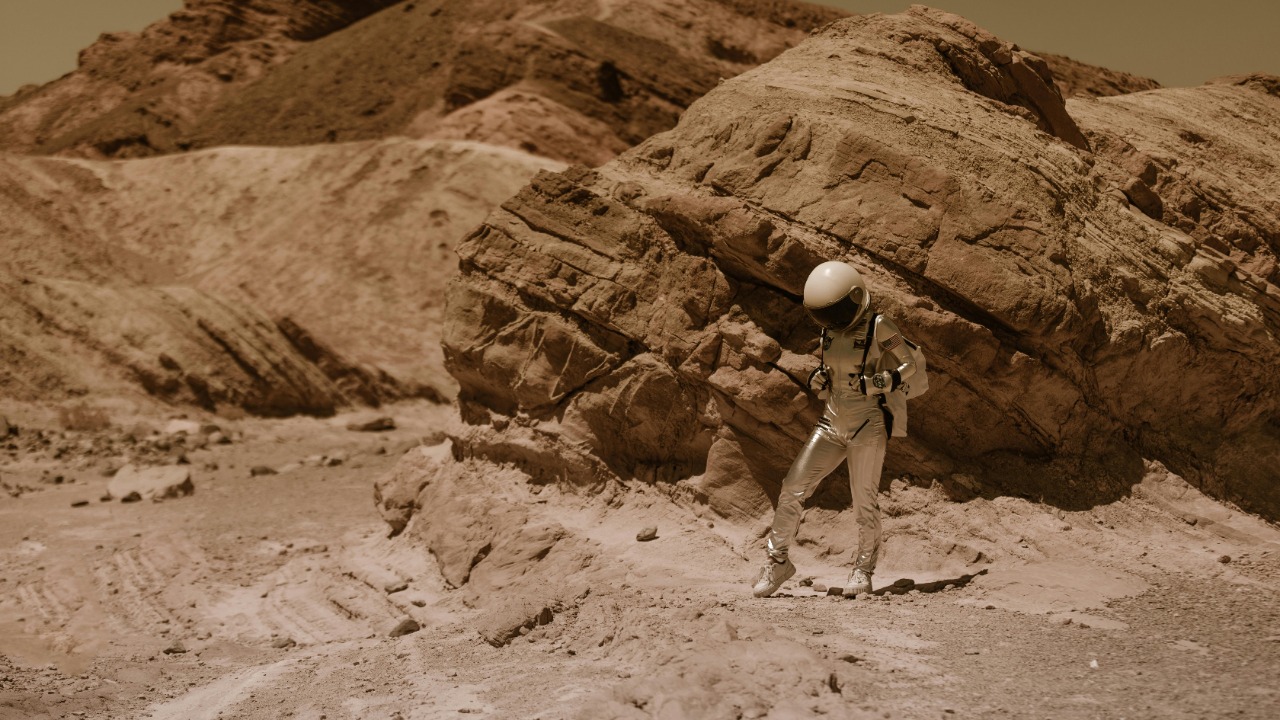
Opportunity embarked on an extensive exploration of the Martian surface, uncovering significant geological sites along the way. Among its most notable discoveries were the spherules dubbed “Blueberries,” which were rich in hematite, a mineral that typically forms in water. Another remarkable site was the Endurance Crater, where Opportunity examined layers of sedimentary rock that provided further evidence of ancient water activity on Mars.
The identification of these sedimentary rocks and water-related minerals was crucial in confirming the presence of water on Mars in the past. These findings were supported by the detection of fine-grained sediments and cross-bedded layers within the rocks, indicative of flowing water. Despite these successes, the rover faced numerous challenges, including navigating the rugged Martian terrain and dealing with dust storms that occasionally impeded its solar panels.
The Role of Advanced Technology
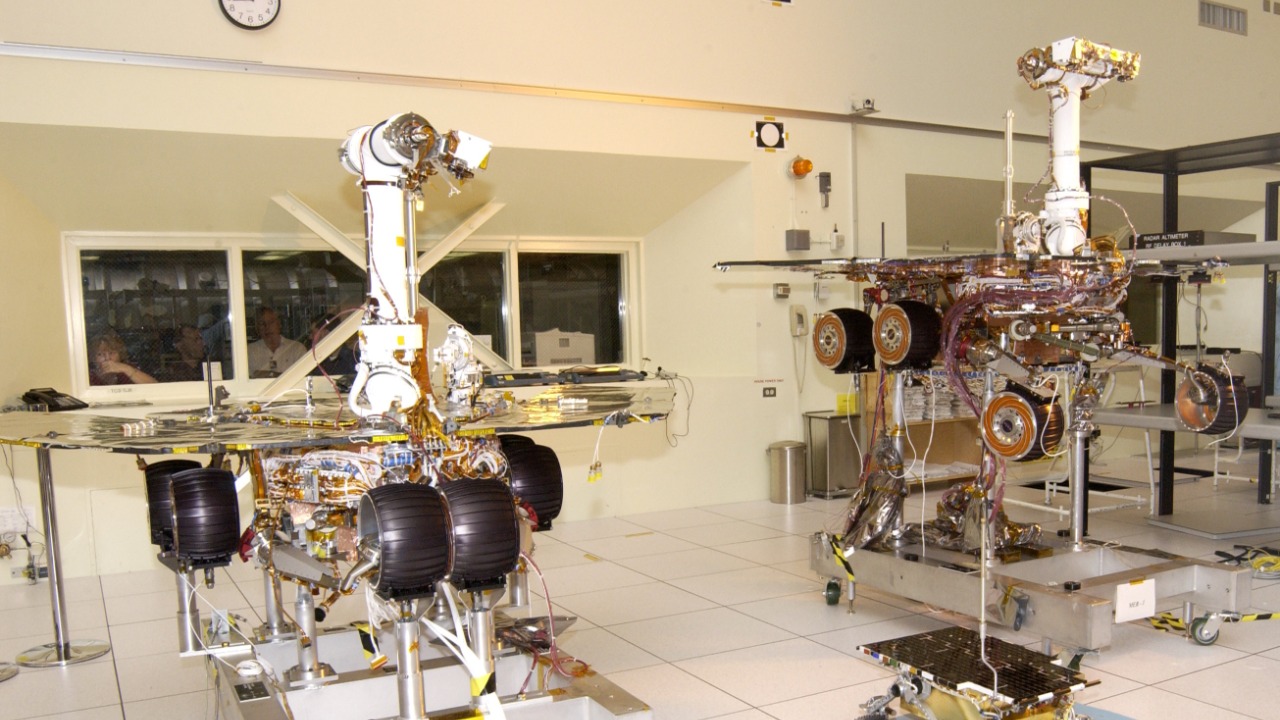
Opportunity’s success in detecting water-related features on Mars was largely due to its sophisticated instrumentation. The rover’s scientific tools, such as the Mössbauer spectrometer and alpha particle X-ray spectrometer, played a vital role in analyzing the composition of Martian rocks and soil. These instruments enabled Opportunity to identify the presence of water-bearing minerals and contributed significantly to our understanding of Mars’ geological history.
Data transmission from Mars to Earth was another critical aspect of the mission. Opportunity used a high-gain antenna to send detailed images and scientific data back to NASA, allowing scientists to remotely analyze the rover’s findings. This collaborative effort between NASA engineers and scientists was instrumental in enhancing the rover’s capabilities and ensuring the success of the mission.
Implications for Future Mars Exploration

Opportunity’s discoveries have had a profound impact on our understanding of Mars’ history and its potential to support life. By providing evidence of past water activity, the rover has expanded our knowledge of the planet’s geological and climatic history. These findings have significant implications for astrobiology, as they suggest that Mars may have once had conditions conducive to life.
The insights gained from Opportunity’s mission are vital for planning future Mars exploration. The data collected by the rover will guide upcoming missions in their search for signs of life beyond Earth. As scientists continue to analyze the findings from Opportunity, they will refine their strategies for exploring Mars and potentially uncover new evidence of past or present life on the Red Planet.
Legacy of Opportunity
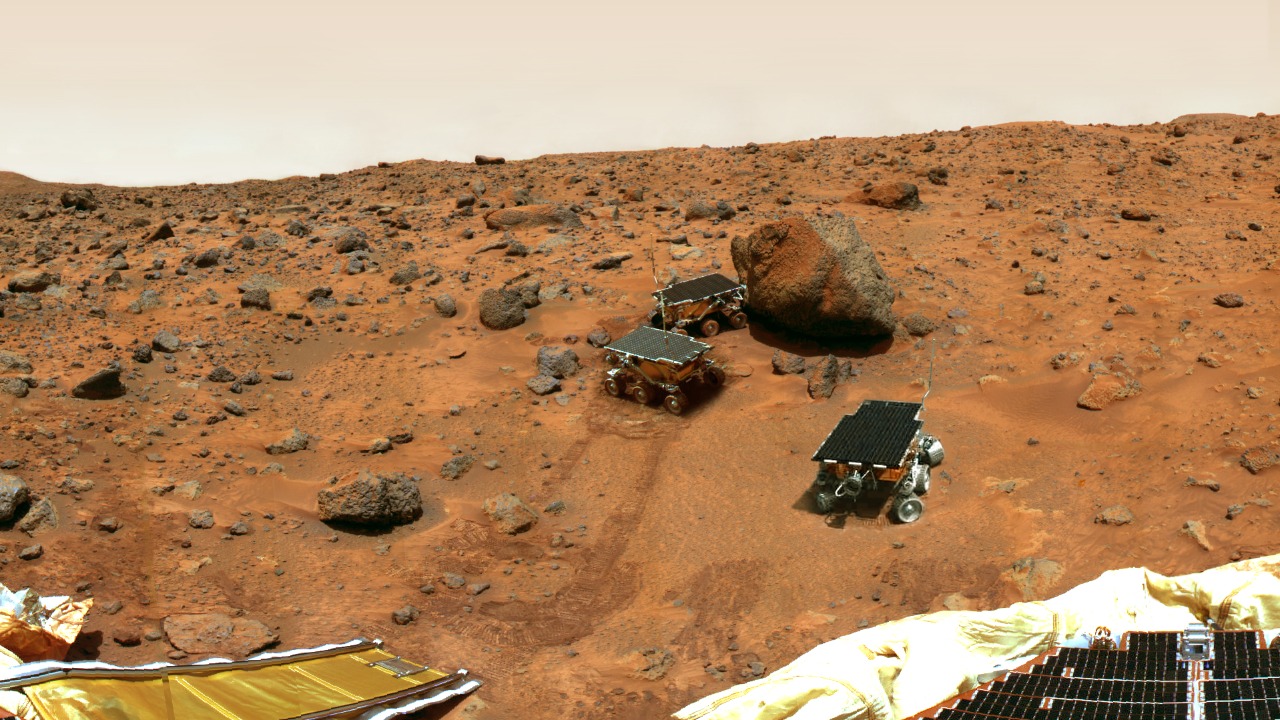
Opportunity’s mission has left an indelible mark on scientific research and planetary exploration. The rover’s findings have not only advanced our understanding of Mars but have also influenced ongoing research in planetary science. By demonstrating the presence of water on Mars, Opportunity has paved the way for future missions and inspired a new generation of scientists to continue exploring the mysteries of space.
The mission also captured the imagination of the public, serving as a source of inspiration and engagement. Opportunity’s journey and discoveries have been widely covered in the media, sparking interest in space exploration and encouraging young minds to pursue careers in science and engineering. Although the mission officially concluded in 2019, its lasting impact continues to resonate, reminding us of the possibilities that lie beyond our own planet.
