
Indian-American astronaut Sunita Williams is currently trapped in space aboard Boeing’s Starliner due to ongoing technical issues. The originally planned 9-day mission has extended to 52 days and beyond, raising concerns about her potential bone loss from prolonged exposure to microgravity. These developments underscore systemic engineering challenges within Boeing’s spacecraft development and have placed NASA on high alert as the situation risks escalating into a full catastrophe for the crew’s safe return.
Mission Extension and Timeline Shifts
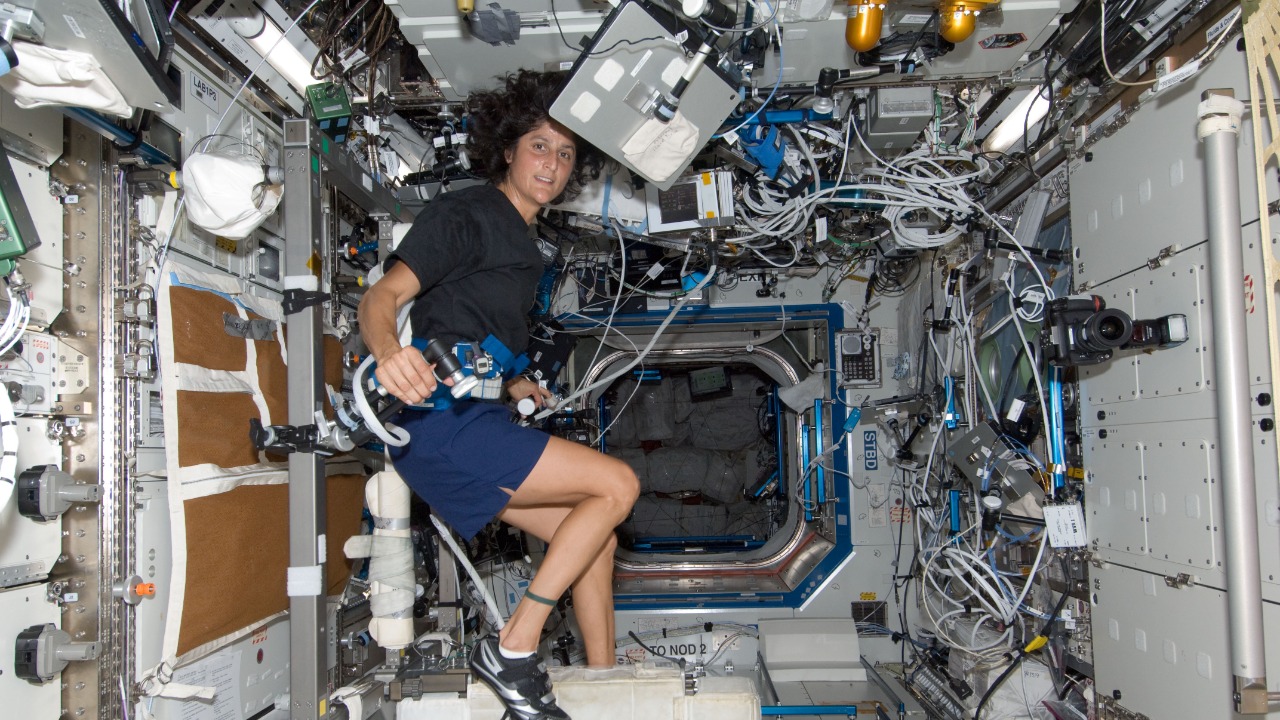
The original mission parameters entailed a 9-day flight for Sunita Williams and Butch Wilmore to the International Space Station. However, unforeseen issues have prolonged their stay to 52 days and potentially longer, according to Business Today. The timeline progression from the launch on June 5, 2024, to the current extended duration has been marked by key decision points by NASA that delayed the return.
By September 13, 2024, the situation had escalated to a “trapped” status for Sunita Williams amid the unfolding Boeing Starliner disaster, as reported by TGNNS.
As per the report by Business Today, the mission’s extension was not a single event but a series of timeline shifts. Each shift was a response to a new technical issue that emerged, requiring additional time for resolution. The decision to extend the mission was not taken lightly, as each extension increased the risks to the astronauts’ health and safety.
Furthermore, the timeline shifts also had implications for the ground team. The prolonged mission required additional resources, including increased communication and monitoring efforts. The ground team had to work around the clock to ensure the safety of the astronauts and to find a solution to the technical issues plaguing the Starliner.
Health Impacts on Astronaut Sunita Williams
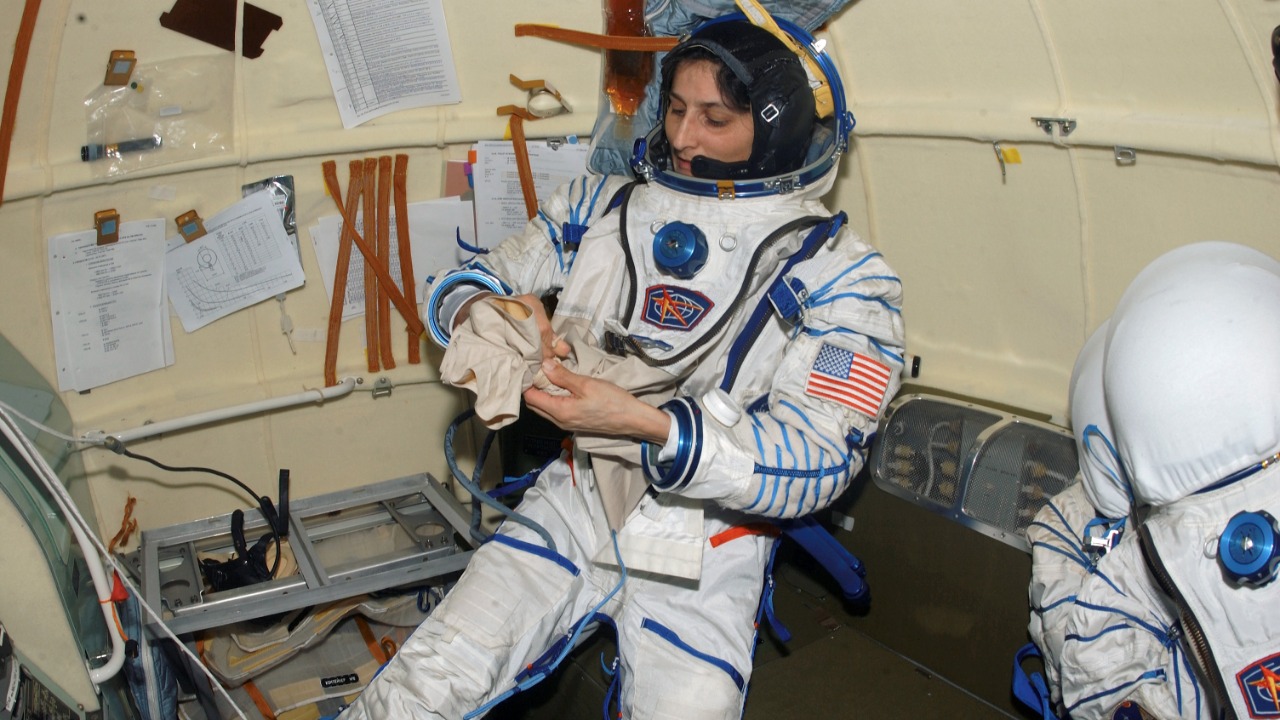
One of the specific risks faced by Sunita Williams in space due to the mission’s extension beyond the planned 9 days is potential bone loss. The extended exposure to microgravity can lead to bone density degradation, a serious health concern for astronauts. Williams, an Indian-American astronaut, is also dealing with the personal toll of being trapped in space, including the effects of isolation resulting from the Boeing Starliner issues.
Physiological data on bone density degradation in microgravity ties directly to Williams’ extended 52-day exposure, highlighting the urgency of the situation.
According to Business Today, the potential bone loss is not the only health risk that Williams faces. Extended exposure to microgravity can also lead to muscle atrophy, cardiovascular deconditioning, and changes in the immune system. These health risks are exacerbated by the psychological stress of being trapped in space, which can have a significant impact on an astronaut’s mental health.
Moreover, the extended mission has also disrupted the astronauts’ circadian rhythms, leading to sleep disturbances. This, combined with the physical and psychological stress, can have a profound impact on the astronauts’ cognitive functions, potentially affecting their ability to respond to emergencies.
Technical Failures in Boeing Starliner
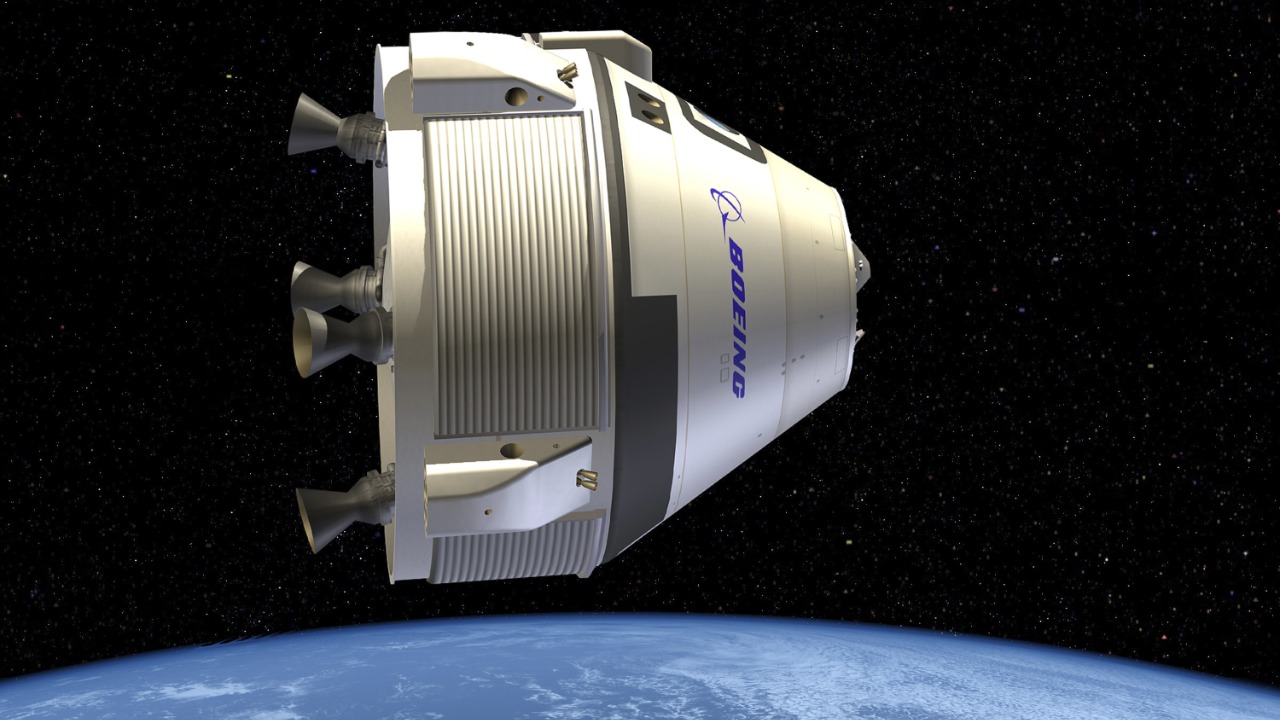
The mission extension from 9 days to 52 days on Boeing’s Starliner was prompted by helium leaks and thruster malfunctions. These technical issues are part of the broader “Boeing Starliner disaster” that has left Sunita Williams trapped in space. By September 13, 2024, propulsion system anomalies were reported, further complicating the situation.
Specific issues like software glitches and docking problems have contributed to the ongoing delays in the spacecraft’s return capability, adding to the list of challenges faced by the crew and the ground team.
As reported by TGNNS, the helium leaks and thruster malfunctions were just the tip of the iceberg. Other technical issues included problems with the spacecraft’s communication systems, which affected the ground team’s ability to monitor the situation and communicate with the astronauts. Additionally, there were issues with the spacecraft’s life support systems, which posed a direct threat to the astronauts’ safety.
The technical failures also had a cascading effect, with one issue leading to another. For instance, the thruster malfunctions affected the spacecraft’s ability to maintain its orientation, which in turn affected its communication with the ground team. This interdependence of systems highlights the complexity of space missions and the potential for a single failure to have far-reaching consequences.
Systemic Engineering Challenges at Boeing
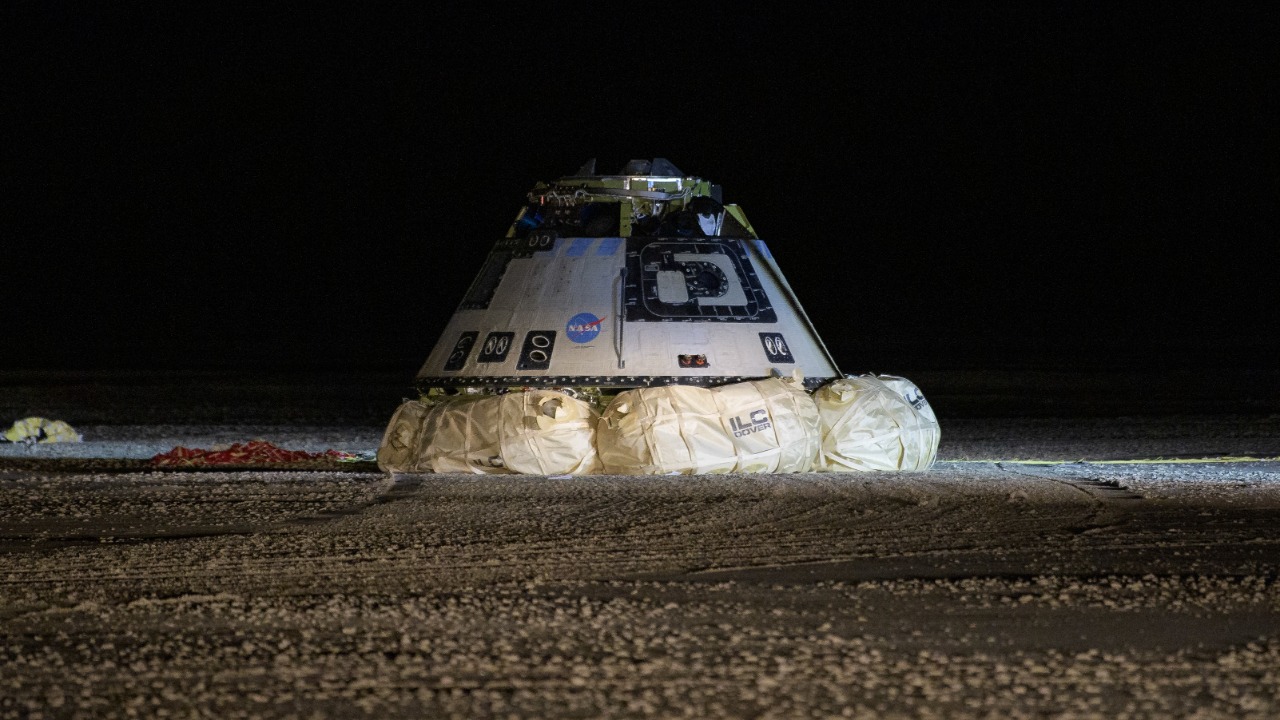
Newly revealed details on Boeing Starliner’s mission highlight systemic engineering challenges. These include design flaws exposed on April 4, 2025, as reported by R&D World Online. Boeing’s historical issues with the Starliner program, such as repeated test failures leading up to the 2024 mission extension, further underscore these challenges.
Internal Boeing reports and NASA audits point to oversight lapses in the spacecraft’s development, tying into the current trapped astronaut scenario.
As per the report by R&D World Online, the systemic engineering challenges at Boeing go beyond the specific technical issues encountered during the mission. These challenges include a lack of robust testing procedures, which allowed these issues to slip through the cracks. The report also points to a culture of complacency, with a lack of accountability and a tendency to downplay potential risks.
These systemic challenges have implications for Boeing’s future missions. Unless these issues are addressed, they could lead to similar problems in future missions. This could have a significant impact on Boeing’s reputation and its ability to secure contracts for future space missions.
NASA’s Response and Contingency Planning
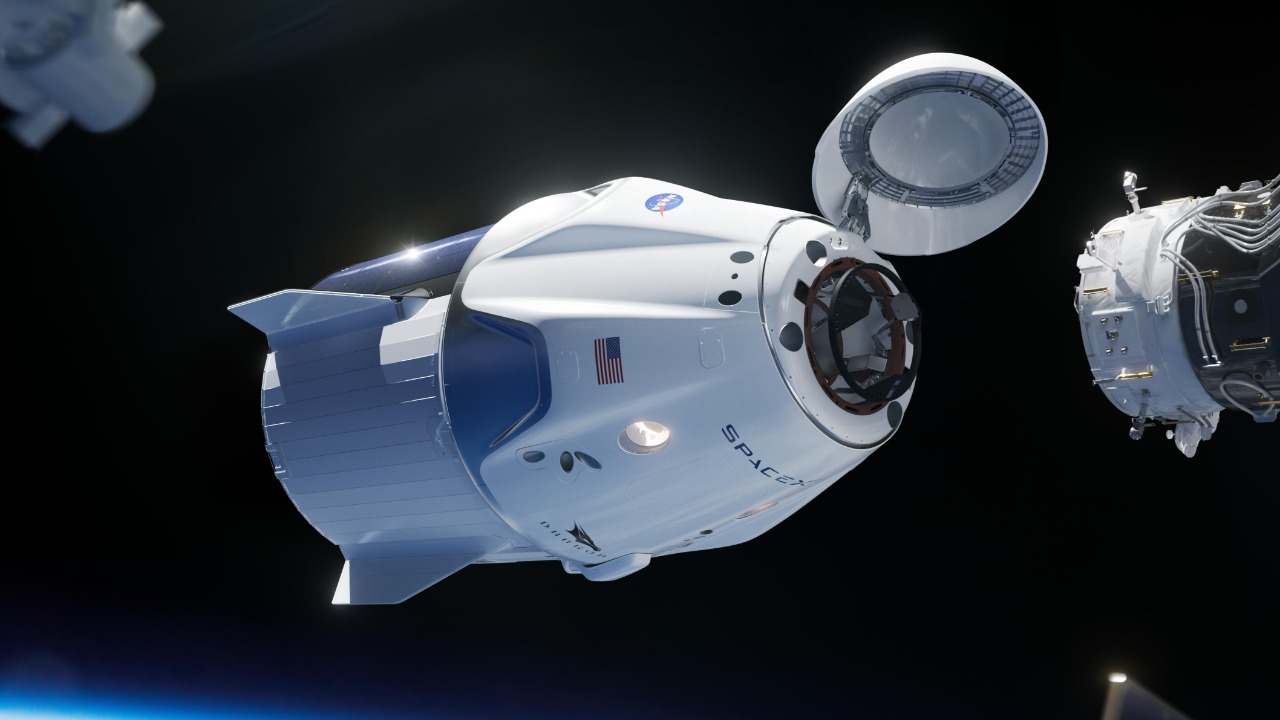
NASA’s decision to extend the mission to 52 days and beyond was due to unresolved issues on Boeing Starliner, including evaluations of crew health like Sunita Williams’ bone loss risk. In light of the Boeing Starliner disaster, NASA has issued high-level alerts and is considering potential backup plans, such as using SpaceX’s Crew Dragon for return.
The partnership strains between NASA and Boeing are evident, especially in light of the newly revealed engineering details from the mission.
According to TGNNS, NASA’s response to the situation has been multifaceted. On one hand, it has been working closely with Boeing to resolve the technical issues and bring the astronauts home safely. On the other hand, it has been developing contingency plans in case the issues cannot be resolved in a timely manner. These plans include the possibility of using SpaceX’s Crew Dragon for return, which would require coordination with SpaceX and additional resources.
NASA’s response also includes an investigation into the systemic engineering challenges at Boeing. This investigation will not only help to resolve the current situation but also prevent similar issues from occurring in future missions. It will also inform NASA’s decision-making process when awarding contracts for future space missions.
Implications for Future Space Missions
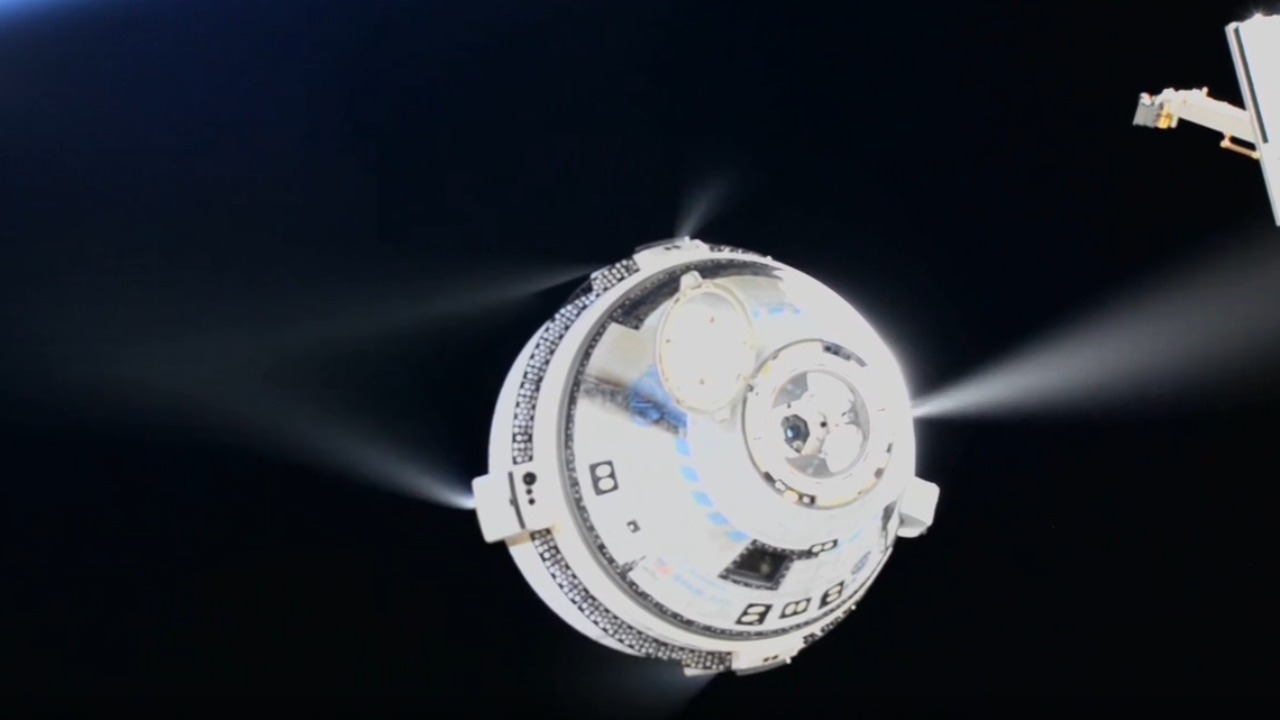
The potential catastrophe for Boeing’s Starliner program if the 52-day extension leads to unresolved issues could impact NASA’s commercial crew reliability. The long-term effects on astronaut safety protocols are also a concern, with Sunita Williams’ trapped status serving as a case study in mission risk management.
Systemic engineering challenges revealed in Boeing Starliner’s mission could delay future Artemis and ISS operations, indicating the far-reaching implications of the current situation.
As per R&D World Online, the current situation has far-reaching implications for future space missions. It highlights the importance of robust testing procedures and a culture of accountability in ensuring the success of space missions. It also underscores the need for contingency planning and the ability to adapt to unforeseen circumstances.
Moreover, the situation serves as a reminder of the risks involved in space travel. It underscores the need for rigorous astronaut training and health monitoring, as well as the importance of psychological support for astronauts. It also highlights the need for effective communication and coordination between the ground team and the astronauts, especially in the event of emergencies.
