NASA has recently unveiled a groundbreaking discovery, described as a “rare wonder like no other,” which promises to revolutionize our understanding of planetary geology and the history of our solar system. This hidden geologic treasure, reported on October 2, 2025, has captivated scientists and enthusiasts alike, offering new insights into the complex processes that have shaped celestial bodies.
The Discovery
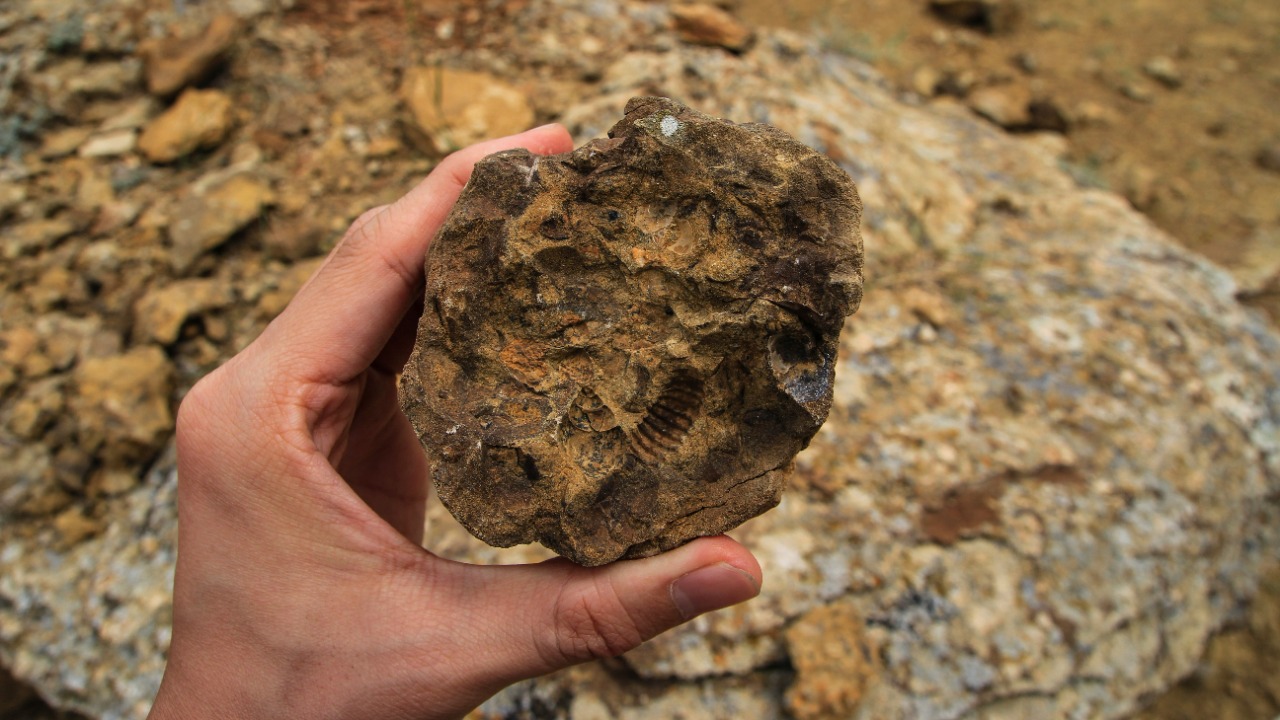
NASA’s announcement of this hidden geologic treasure marks a significant milestone in space exploration. The discovery, which has been characterized as a “rare wonder like no other,” underscores the agency’s ongoing commitment to uncovering the mysteries of our universe. This geologic find is unique due to its unprecedented characteristics, which set it apart from previously known geological formations. The rarity and distinctiveness of this discovery have sparked excitement within the scientific community, as it holds the potential to unlock new knowledge about planetary formation and evolution.
The significance of this discovery lies in its potential to provide a deeper understanding of the geological processes that occur on other planets. By studying this unique formation, scientists hope to gain insights into the conditions that prevailed during the early stages of the solar system’s development. This could lead to a better comprehension of how planets and other celestial bodies have evolved over billions of years, offering clues about their past and future trajectories.
In addition to its scientific allure, the discovery has sparked discussions about the potential for future explorations and collaborations. Scientists from various international space agencies are expressing interest in partnering with NASA to further investigate this geologic marvel. The collaborative efforts could lead to a more comprehensive understanding of the solar system’s history, as pooling resources and expertise may accelerate the pace of discovery and innovation. Such partnerships are seen as vital in the quest to unravel the mysteries of our universe, highlighting the importance of global cooperation in space exploration.
Scientific Significance

The impact of this discovery on the field of planetary geology cannot be overstated. It presents an opportunity to explore the geological history of our solar system in unprecedented detail. Scientists are particularly interested in understanding the processes that led to the formation of this geologic treasure, as it may reveal new information about the dynamic forces at play in the early solar system. By analyzing the composition and structure of this find, researchers aim to reconstruct the environmental conditions that existed during its formation, providing a window into the past.
Moreover, the implications of this discovery extend beyond planetary geology. It has the potential to inform our understanding of the broader history of the solar system, including the formation of planets and the development of their atmospheres. Scientists are eager to learn how this geologic treasure fits into the larger narrative of solar system evolution, as it may offer clues about the processes that have shaped not only our own planet but also others in the solar system.
The discovery also opens up new avenues for research in comparative planetology, a field that examines the similarities and differences between planetary bodies. By comparing this geologic treasure with similar formations on Earth and other planets, scientists can better understand the universal principles governing planetary formation and evolution. This comparative approach could yield insights into the conditions necessary for life, as understanding the geological context of different planets may help identify environments where life could potentially exist. The implications for astrobiology are profound, as this discovery could guide future missions aimed at finding life beyond Earth.
The Location and Characteristics
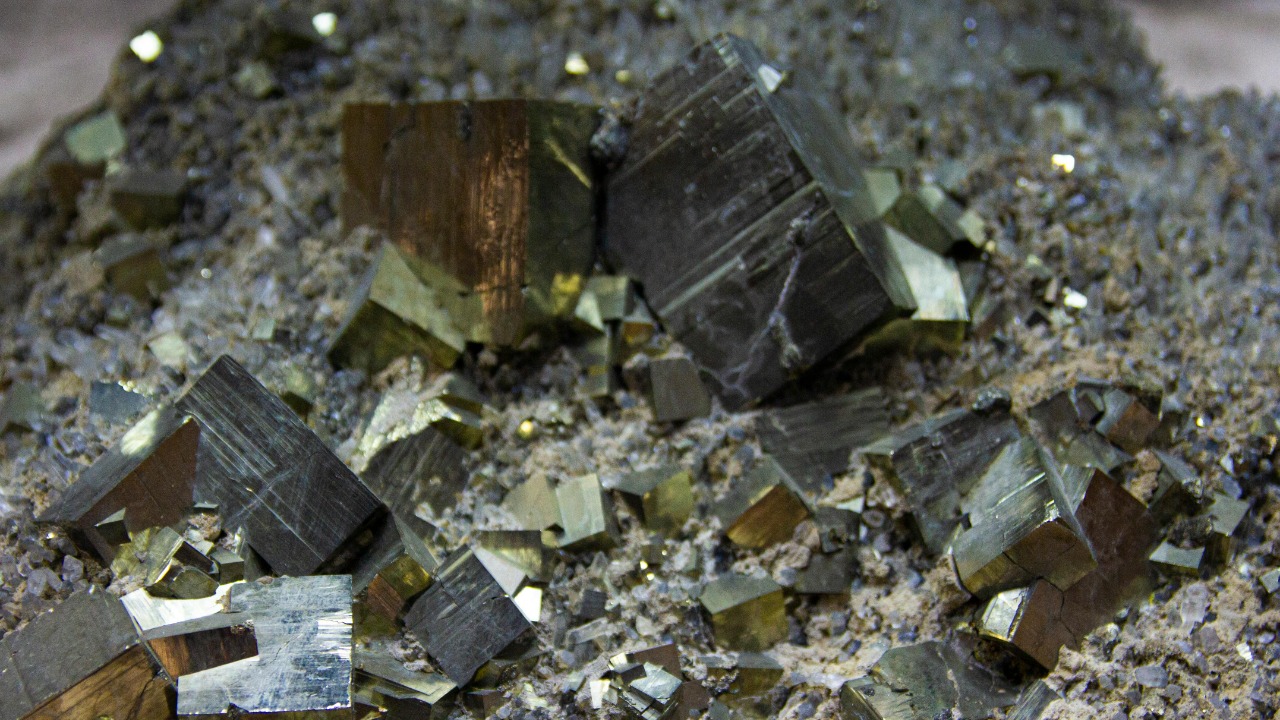
The location of this remarkable geologic treasure adds another layer of intrigue to the discovery. Found in a region that has long been of interest to scientists, this site offers a unique opportunity to study a previously unexplored area. The characteristics of the geologic find are extraordinary, with features that distinguish it from other known formations. Its composition and structure provide valuable information about the geological history of the region, offering insights into the processes that have shaped it over time.
Key characteristics of this geologic treasure include its unusual mineral composition and distinct structural features. These attributes make it a subject of intense study, as they may hold the key to understanding the conditions that led to its formation. By examining these characteristics, scientists hope to gain a deeper understanding of the geological processes that have influenced the region and, by extension, the solar system as a whole.
Furthermore, the region where the geologic treasure was found is of particular interest due to its unique environmental conditions. The area is believed to have undergone significant geological changes over millions of years, providing a natural laboratory for studying planetary dynamics. Researchers are keen to explore how these environmental factors have influenced the formation and preservation of the geologic treasure. By analyzing the surrounding terrain and its geological history, scientists hope to piece together a more detailed narrative of the region’s evolution, offering a glimpse into the processes that have shaped not only this site but potentially similar regions across the solar system.
NASA’s Role and Future Plans
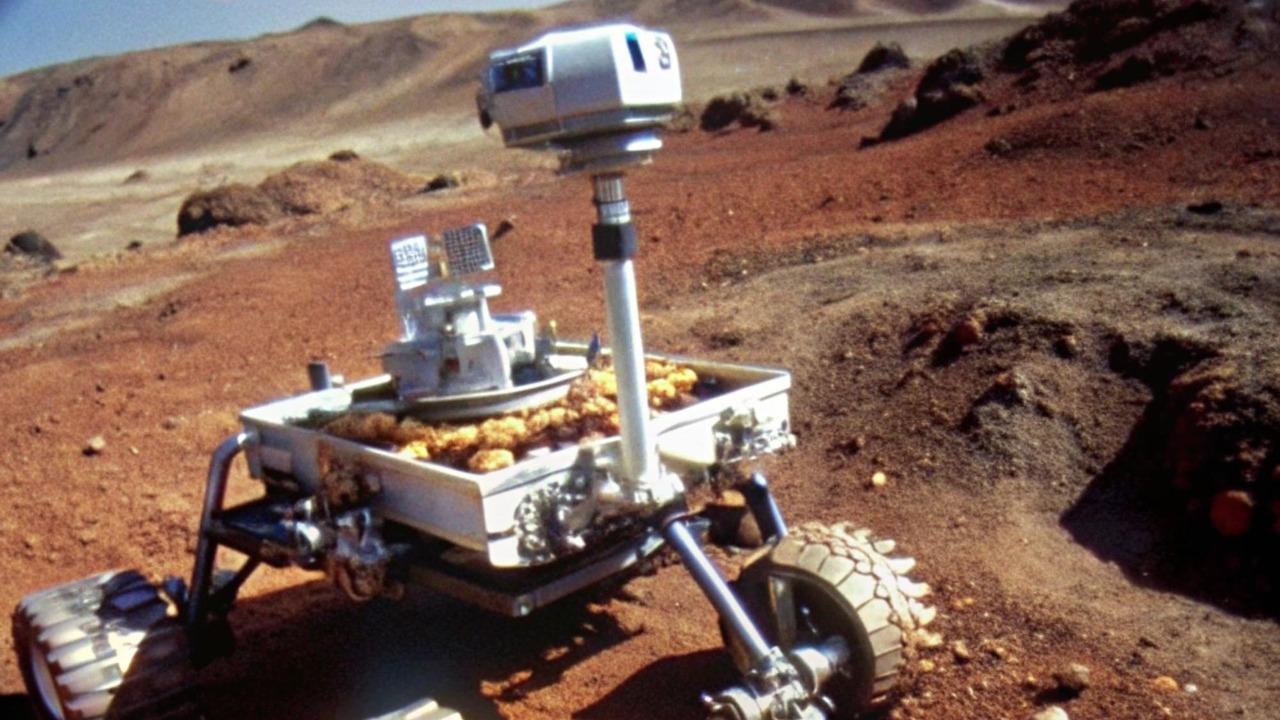
NASA’s role in this discovery highlights the agency’s dedication to advancing our knowledge of the universe. Utilizing cutting-edge technology and innovative research methods, NASA was able to identify and study this hidden geologic treasure, demonstrating the importance of continued investment in space exploration. The technology used in this discovery has set a new standard for geological research, enabling scientists to explore previously inaccessible areas and uncover new insights into the history of our solar system.
Looking ahead, NASA has ambitious plans for further study of this geologic treasure. Future missions are being planned to conduct more detailed analyses, with the goal of uncovering additional information about its formation and significance. These missions will build on the initial findings, providing a more comprehensive understanding of the geological processes that have shaped this unique formation. As NASA continues to explore this remarkable discovery, the scientific community eagerly anticipates the new insights and revelations that are sure to emerge.
For more details on this discovery, visit the original report.
