
A recent discovery by NASA has sparked global intrigue: a perfect square structure on Mars. This geometric anomaly has led to widespread speculation, ranging from natural formations to evidence of extraterrestrial life. As scientists and enthusiasts alike delve into the mystery, questions abound about the true nature of this Martian square.
The Discovery and Its Implications
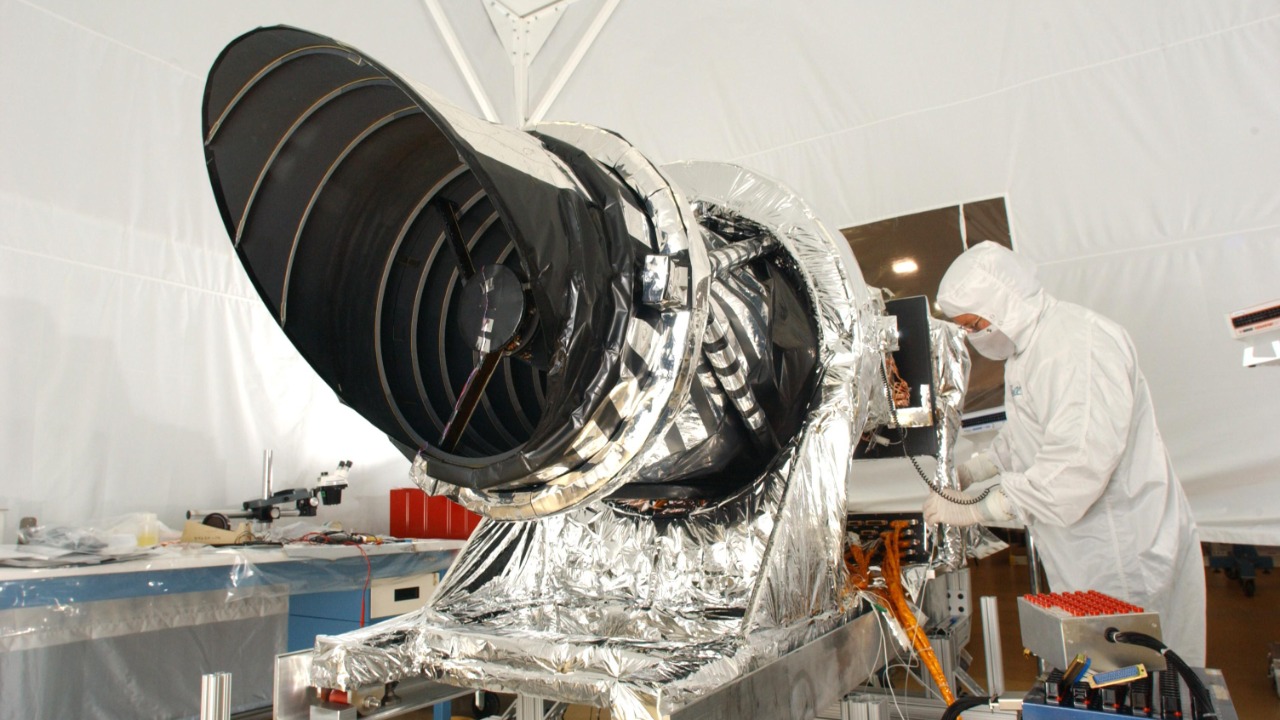
NASA’s initial findings came from the Mars Reconnaissance Orbiter, which captured high-resolution images of the Martian surface. The square, measuring approximately 100 meters on each side, was identified in a region known for its rugged and diverse terrain. The technology employed, including the HiRISE camera, allows for detailed surface analysis, sparking interest in what lies beneath the Martian dust.
The scientific community has been abuzz with reactions. While some experts consider the square a mere coincidence of natural formations, others hypothesize about its significance. Public interest has surged, with social media and forums like Reddit filled with theories ranging from the plausible to the fantastical. Geometric shapes in nature often hint at underlying processes, and their occurrence on another planet raises intriguing questions about the forces at play on Mars.
Theories and Speculations: Natural vs. Artificial
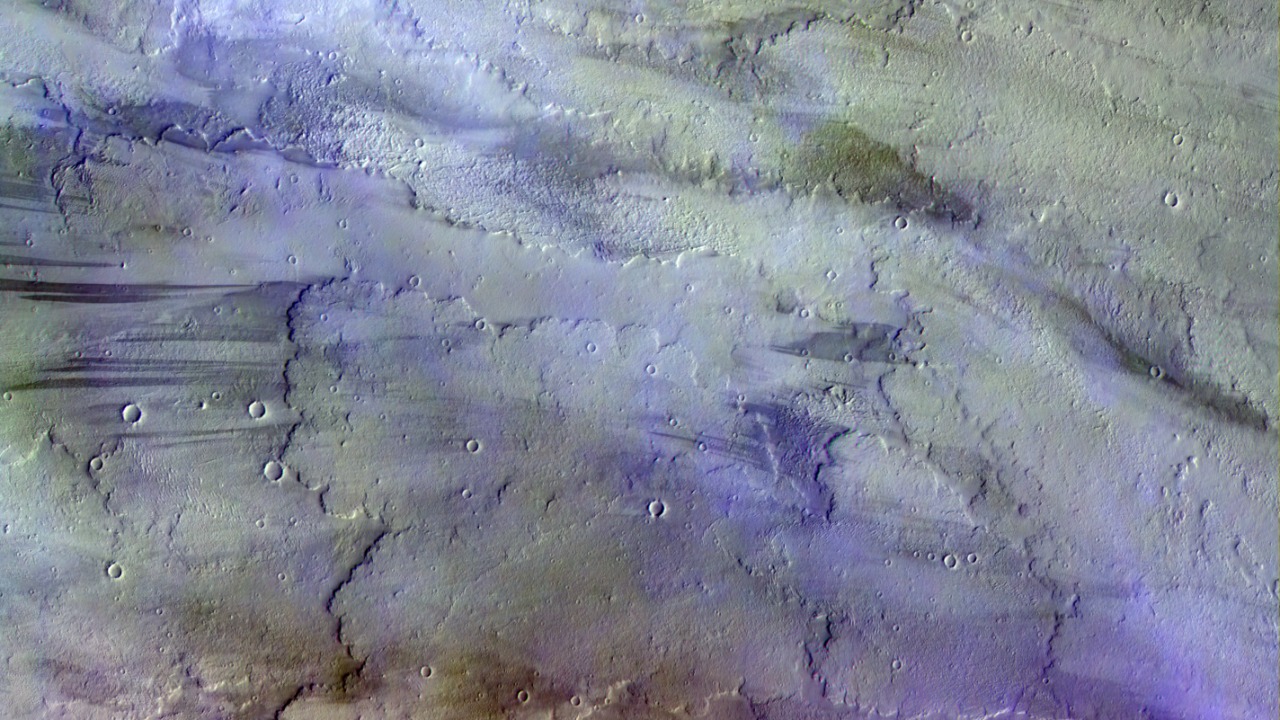
Several natural geological processes could conceivably create square formations on Mars. The planet’s surface is shaped by volcanic activity, wind erosion, and tectonic movements, all of which could potentially result in geometric patterns. Some scientists argue that the square could be the result of a unique combination of these forces, a hypothesis supported by the planet’s diverse geological history.
On the other hand, the possibility of the square being an artificial structure cannot be dismissed outright. Some researchers, including planetary geologists and astrobiologists, ponder the idea of a past or present Martian civilization. While this theory lacks substantial evidence, it captures the imagination and fuels discussions about the potential for life beyond Earth. Publications like academic books delve into these possibilities, examining the implications of such a discovery.
Elon Musk’s Involvement and Plans

Elon Musk, a prominent figure in space exploration, has expressed keen interest in the discovery. Through his company SpaceX, Musk has long advocated for the exploration and colonization of Mars. His recent comments, as reported in various news outlets, call for a thorough investigation into the square formation, suggesting that astronauts should be sent to Mars to gather more information.
Musk’s vision aligns with his broader goals for Mars exploration. He envisions a future where humans not only visit but live and thrive on the Red Planet. The discovery of the square could accelerate plans for manned missions, with SpaceX potentially playing a crucial role in transporting astronauts and equipment to Mars. Such missions would not only seek to unravel the mystery of the square but also pave the way for sustained human presence on Mars.
Scientific and Technological Challenges
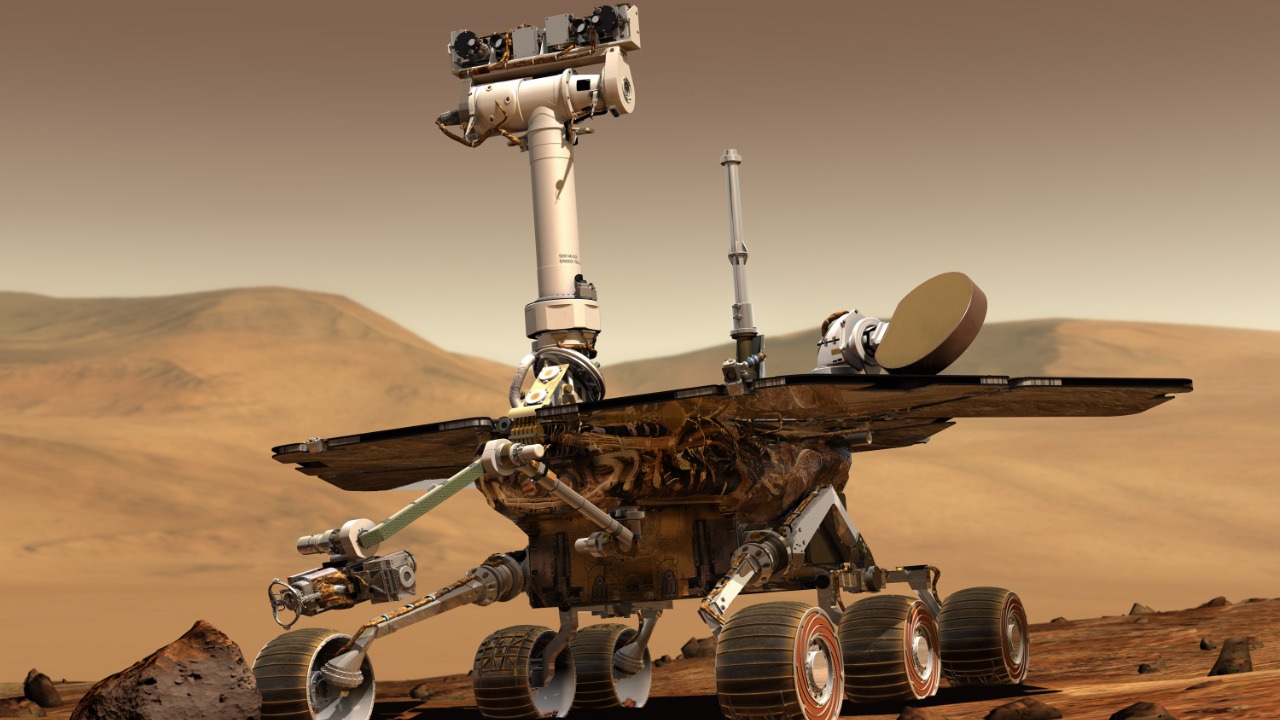
Analyzing the structure from Earth presents significant challenges for NASA and its partners. Current technology, while advanced, has limitations in terms of resolution and the ability to penetrate the Martian surface. To explore the square formation up close, new missions would need to be developed, potentially involving landers or rovers equipped with state-of-the-art instruments.
International collaboration will be essential in investigating Martian anomalies. Countries like China and the European Union have shown interest in Mars exploration, and joint missions could combine resources and expertise. Technological advancements, such as enhanced imaging systems and autonomous robotics, will be crucial in overcoming the hurdles posed by remote exploration. For a detailed perspective on how these challenges might be addressed, the Economic Times offers insights into future strategies.
Cultural and Philosophical Implications

Discoveries like the Martian square have profound implications for our understanding of the universe. They challenge our perceptions of what is possible and encourage us to reconsider humanity’s place in the cosmos. The potential for extraterrestrial life, even at a microbial level, reshapes our philosophical and scientific outlook, fueling curiosity and wonder.
The public’s fascination with space exploration is rekindled by such findings, inspiring new generations to pursue careers in science and engineering. The mystery of the square could become a catalyst for increased investment in space research and education, as well as a source of inspiration for artists and writers. As discussed in Business Today, the allure of the unknown continues to captivate our collective imagination, urging us to explore and discover.
