NASA recently announced the detection of an unknown object orbiting near the moon, sparking intrigue and speculation among scientists and the public alike. Utilizing advanced tracking technologies, NASA aims to decipher the origins and characteristics of this mysterious object. This discovery could have significant implications for our understanding of near-Earth space objects.
NASA’s Recent Discovery
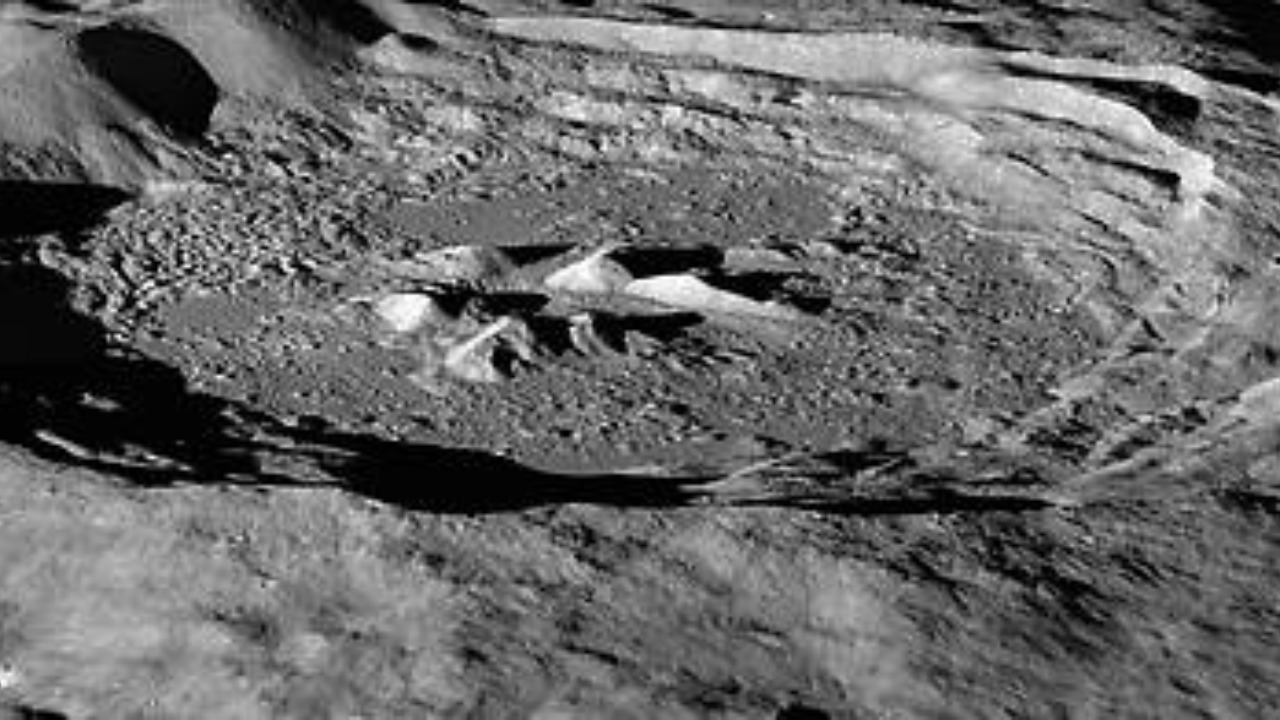
The unknown object, detected by NASA’s sophisticated monitoring systems, is characterized by its intriguing size and shape. Initial observations suggest it is neither large enough to be a natural satellite nor small enough to be disregarded as typical space debris. The object exhibits an unusual trajectory, which has prompted NASA to conduct further investigations into its nature and origin.
NASA employs cutting-edge technology to track and monitor such objects. Utilizing a combination of radar imaging, optical telescopes, and advanced computer algorithms, NASA has been able to ascertain preliminary data regarding the object’s orbit and structure. The agency’s initial hypotheses about the object range from it being a natural celestial body to a potential piece of artificial debris from past space missions.
Historical Context and Previous Discoveries
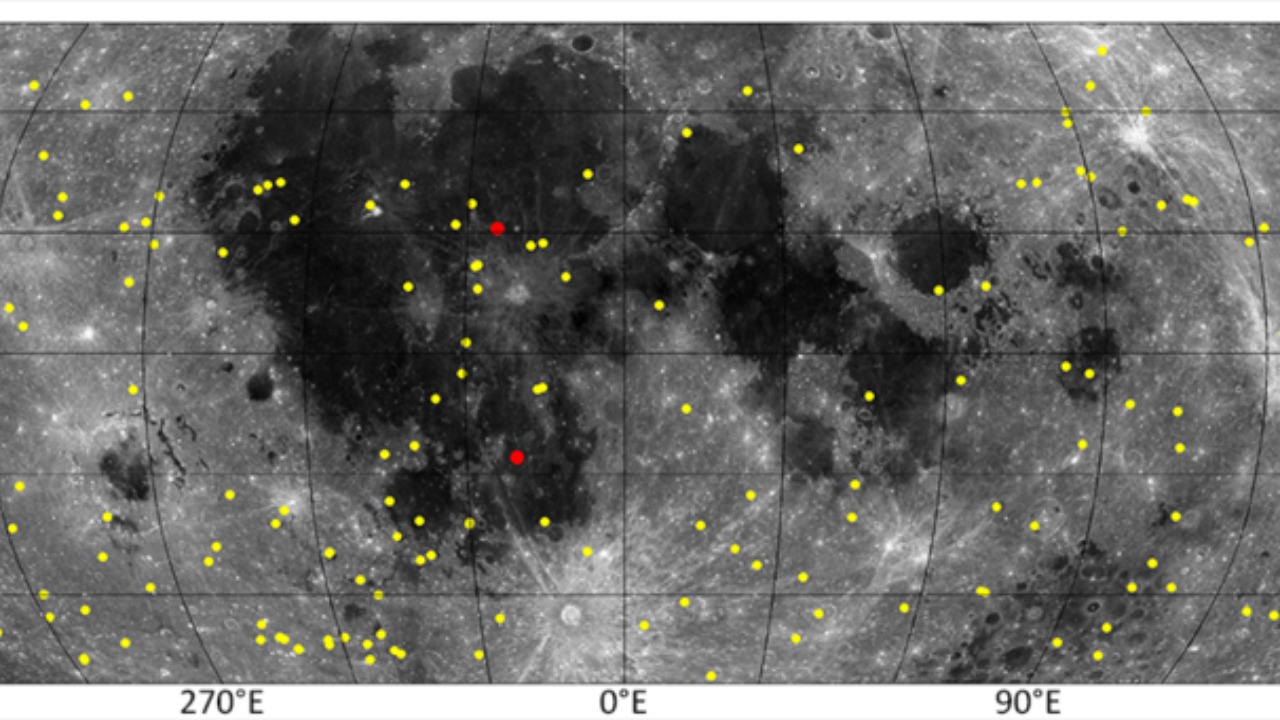
The detection of unidentified objects in space is not unprecedented. In the past, NASA has successfully resolved similar mysteries, such as identifying space debris from previous missions or confirming the existence of small natural satellites, sometimes referred to as mini-moons. These historical instances provide a framework for understanding and addressing the current situation.
Previous objects tracked by NASA have included both natural phenomena, such as asteroids, and man-made objects like defunct satellites. By comparing the current object to these past discoveries, scientists can utilize historical data to infer possible explanations and outcomes. Insights gained from these past experiences are crucial for effectively managing the challenges posed by this new discovery.
Scientific Implications and Hypotheses
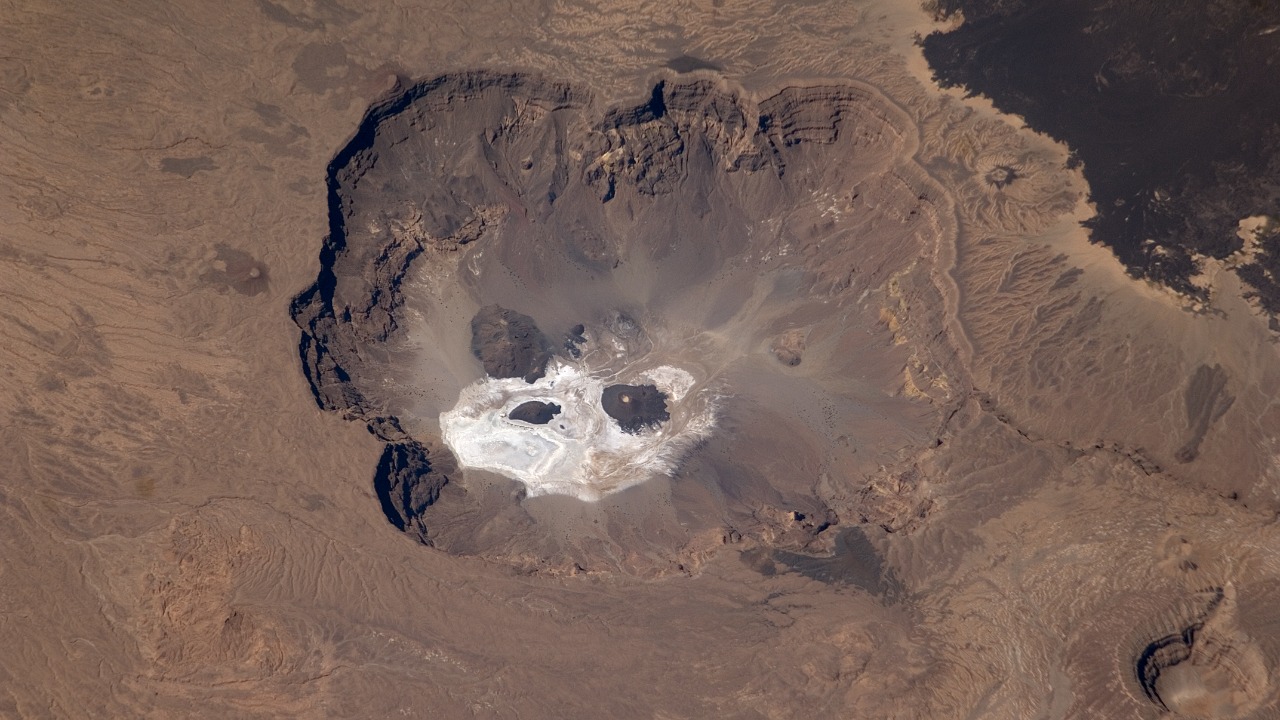
The potential scientific significance of studying this object is immense. Understanding its nature could enhance our knowledge of the space environment surrounding Earth and the moon. Current hypotheses suggest that it could be a mini-moon, a fragment of space debris, or perhaps something entirely unexpected. Each possibility offers valuable insights into the dynamics of near-Earth space.
One intriguing hypothesis is that the object might be a relic from a past lunar mission, possibly making it an artifact of historical importance. Alternatively, it could be space debris resulting from the accumulation of material from previous space explorations. These possibilities highlight the need for comprehensive analysis and sustained observation to determine the object’s true nature.
Technological and Observational Challenges
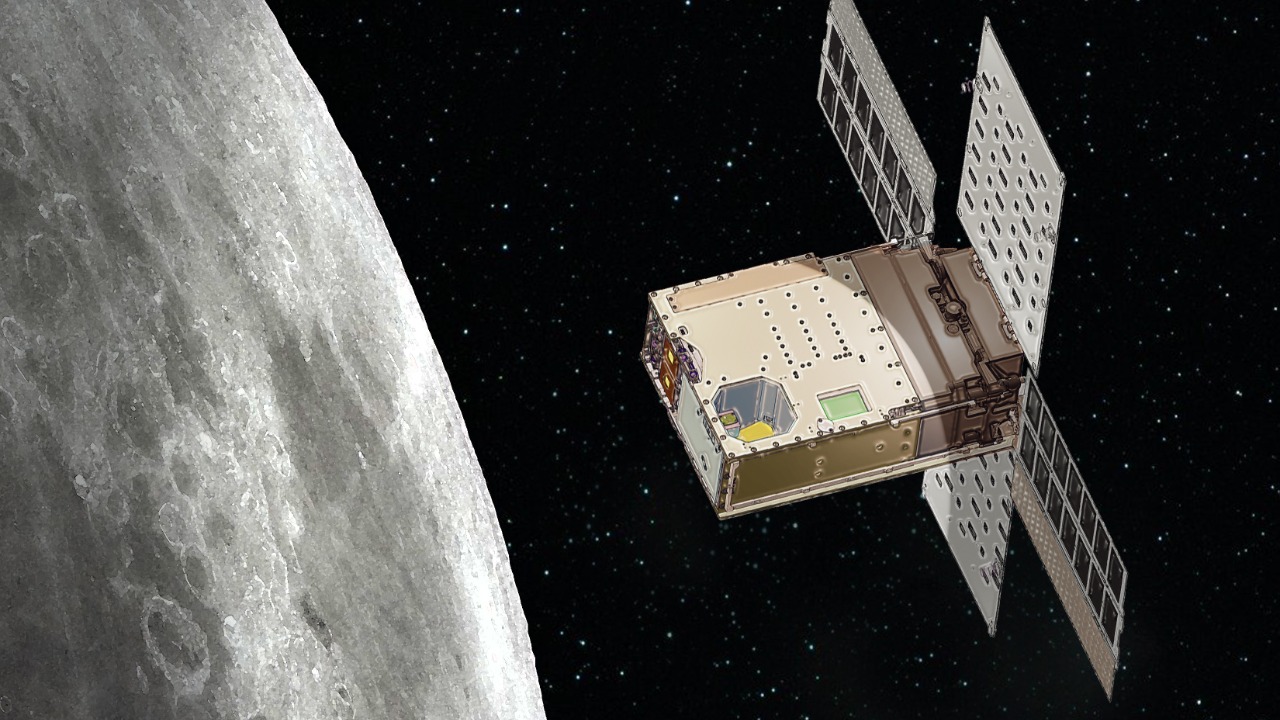
Tracking and studying objects in lunar orbit present numerous challenges. The vast distance from Earth and the complex gravitational interactions in this region make it difficult to obtain precise data. However, technological advancements in radar and imaging technologies have significantly improved our ability to detect and monitor such objects.
International collaboration plays a crucial role in understanding the nature of these objects. By sharing data and resources, space agencies worldwide can enhance their observational capabilities. This collaborative approach is essential for overcoming the challenges associated with tracking objects in space, as demonstrated by NASA’s ongoing efforts and partnerships with other agencies.
Future Steps in Research and Exploration
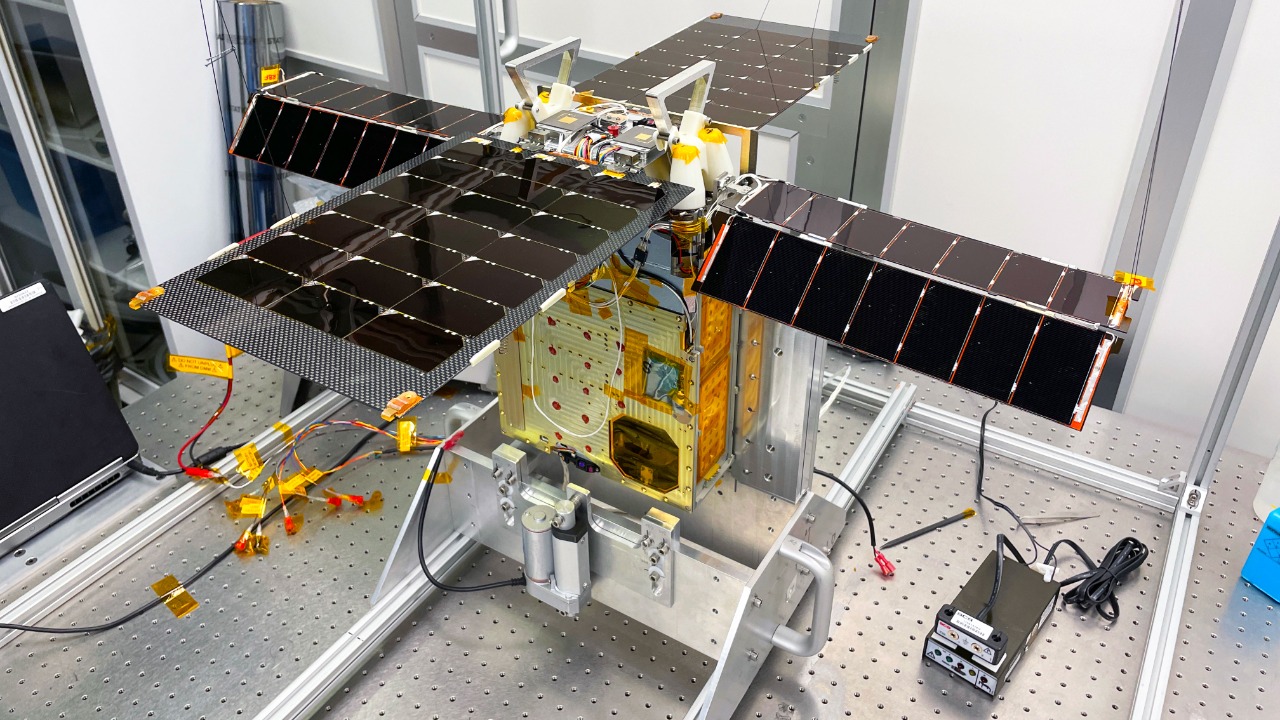
Looking ahead, NASA plans to continue monitoring the object closely, utilizing both ground-based and spaceborne assets. Future missions may be considered to gather more detailed data, potentially involving direct observation or sample collection. These steps are vital for gaining a comprehensive understanding of the object’s characteristics and origins.
Continued observation and international cooperation remain crucial in space research. By maintaining a vigilant watch over this object and others like it, scientists can better predict and mitigate any potential risks. Moreover, these efforts contribute to our broader understanding of the dynamic environment of near-Earth space.
Public and Global Reactions

The discovery has captured public interest, garnering significant media coverage and sparking widespread speculation. The scientific community and space enthusiasts alike have proposed various theories about the object’s nature and origin, reflecting the intrigue and excitement surrounding this development.
Public engagement and education play a vital role in space exploration advancements. By keeping the public informed and involved, agencies like NASA can foster a greater appreciation and understanding of space science. This engagement not only supports ongoing research efforts but also inspires future generations of scientists and explorers.
