
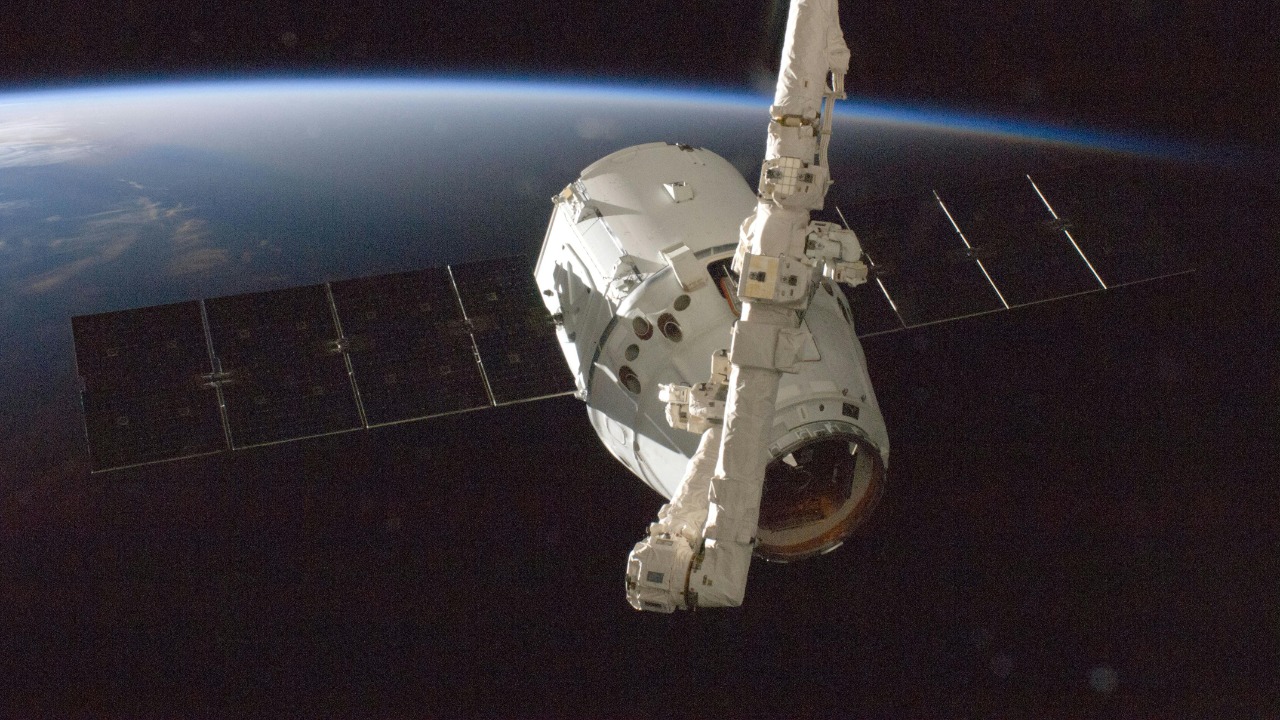
NASA is on the brink of launching a revolutionary satellite crafted to monitor and analyze methane emissions from space. This groundbreaking mission is set to deepen our comprehension of methane’s influence on climate change while bolstering global initiatives to curb greenhouse gas emissions. By leveraging state-of-the-art technology, the satellite will deliver crucial data to support climate action efforts worldwide.
The Importance of Monitoring Methane
Methane’s Role in Climate Change
Methane is a powerful greenhouse gas that, despite being less prevalent than carbon dioxide, has a more significant effect on global warming. This characteristic makes it an essential focus in discussions about climate change. Methane’s ability to trap heat in the atmosphere is over 25 times more effective than carbon dioxide over a 100-year period, making it a critical target for climate change mitigation strategies. By understanding the sources and distribution of methane emissions, scientists and policymakers can create more effective strategies to address the issue.
The importance of methane monitoring cannot be overstated, especially when considering the role methane plays in accelerating global warming. Accurate data on methane emissions are essential for setting realistic targets for emission reductions and tracking progress towards these goals. As the world seeks to limit global temperature rise to 1.5 degrees Celsius above pre-industrial levels, understanding methane emissions becomes even more urgent.
Current Monitoring Limitations
Existing ground-based systems for monitoring methane emissions provide valuable data but come with significant limitations. These systems often lack the capability to cover large geographic areas, particularly remote or inaccessible regions where methane emissions may be substantial. Ground-based sensors are typically located in specific areas, leaving large gaps in data collection and limiting the ability to understand global emissions thoroughly.
Satellite technology offers a solution to these challenges by providing a comprehensive and global perspective on methane emissions. Satellites can cover vast areas and continually monitor emissions in real-time, offering a more complete picture of methane sources and distribution. This capability is critical for identifying significant emission sources that might otherwise go undetected, enabling more targeted and effective climate action.
The Technology Behind the Satellite
Advanced Detection Instruments
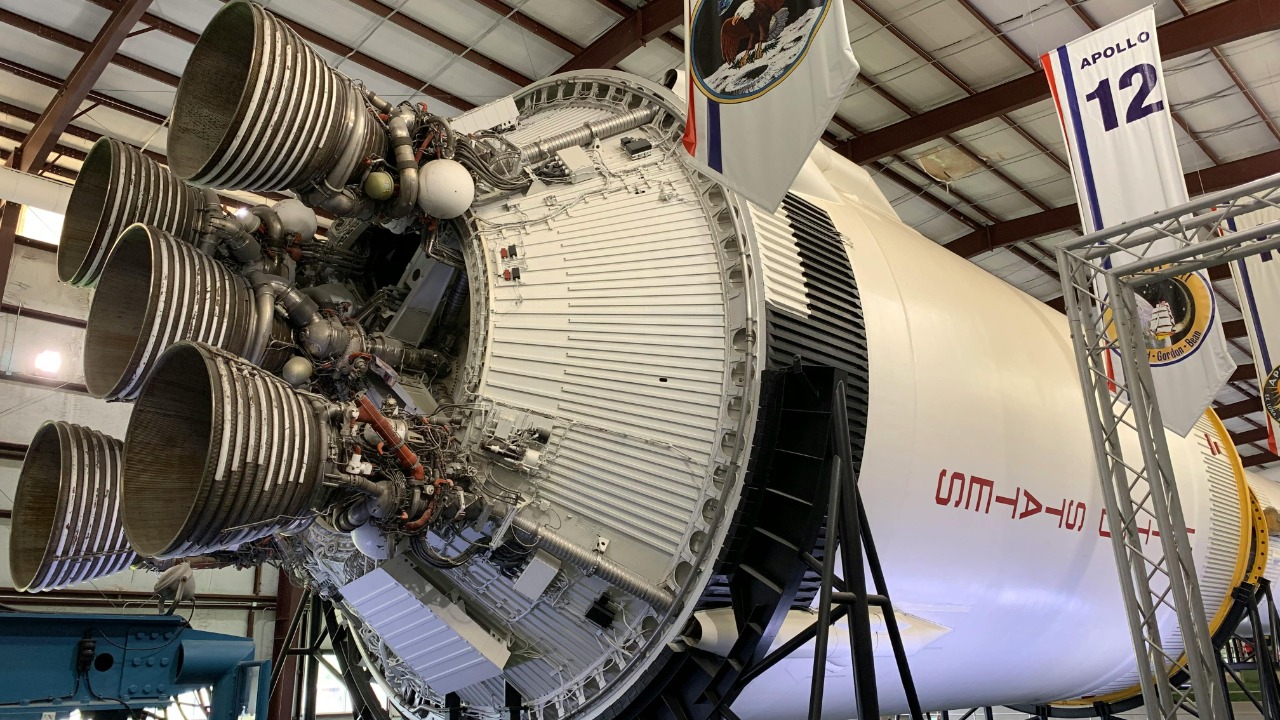
The satellite is equipped with cutting-edge spectrometers designed to detect methane concentrations with remarkable precision. These instruments use advanced technology to differentiate between methane emissions from natural sources, such as wetlands, and those resulting from human activities, like agriculture and fossil fuel extraction. This distinction is vital for developing targeted strategies to reduce emissions from specific sources.
The spectrometers on the satellite operate by analyzing the wavelengths of light absorbed by methane molecules in the atmosphere. This analysis allows for the precise measurement of methane concentrations, even in areas with complex atmospheric conditions. The ability to detect subtle differences in methane levels is crucial for understanding regional variations in emissions and developing localized solutions.
Data Collection and Analysis
Once in orbit, the satellite will collect a vast array of data that can be analyzed to track emission trends and identify major sources of methane. This data will provide a more comprehensive understanding of methane emissions and allow researchers to develop models that predict future emission patterns. The information gathered will be instrumental in shaping strategies to mitigate methane emissions and combat climate change effectively.
The data collected by the satellite will be made available to researchers and policymakers worldwide, supporting informed decision-making and enhancing collaboration on climate action initiatives. By providing accurate and timely data, the satellite will empower countries and organizations to take meaningful steps toward reducing methane emissions and meeting international climate goals.
Expected Impact and Applications

Supporting Climate Change Policies
The satellite’s data will be a valuable resource for shaping international climate policies and agreements focused on reducing methane emissions. By providing accurate and comprehensive information on methane sources and levels, the satellite will enable countries to verify their methane reduction commitments and progress. This verification is essential for ensuring accountability and transparency in global efforts to combat climate change.
International agreements like the Paris Agreement rely on accurate data to set targets and measure progress. The satellite’s data will support these agreements by providing a reliable basis for assessing methane emissions and identifying areas where additional efforts are needed. This capability will be crucial for ensuring that countries remain on track to meet their climate goals and contribute to global emission reduction targets.
Industrial and Environmental Benefits
Industries such as agriculture, oil, and gas can use the data provided by the satellite to identify and mitigate their methane emissions. By pinpointing specific sources of emissions, industries can develop targeted strategies to reduce their environmental impact and improve efficiency. This capability is particularly important for the oil and gas industry, where methane emissions can occur during extraction, production, and transportation processes.
Enhanced monitoring can also lead to the development of more efficient practices and technologies, reducing environmental impact and promoting sustainable development. By identifying areas where emissions can be reduced, industries can invest in cleaner technologies and practices, contributing to global efforts to combat climate change. The satellite’s data will play a critical role in driving innovation and encouraging industries to adopt more sustainable practices.
International Collaboration and Future Prospects
Global Partnerships
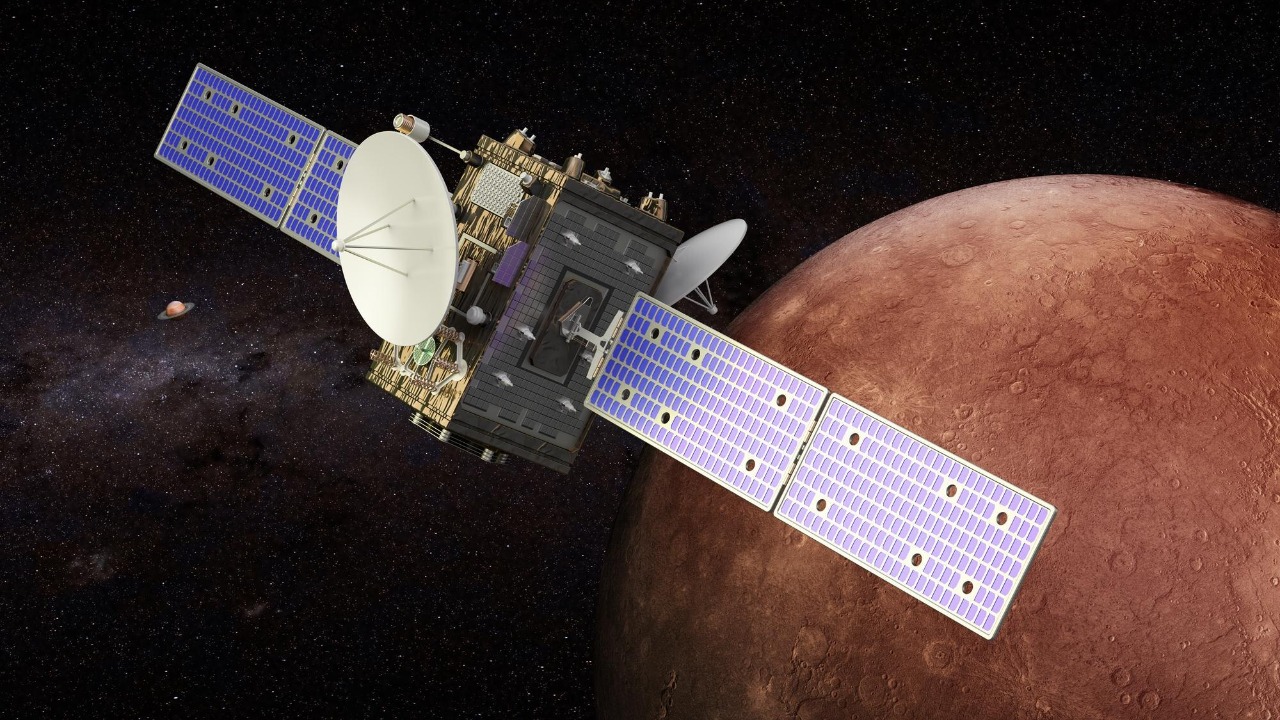
The mission involves collaboration with international space agencies and organizations focused on climate change. These partnerships are crucial for sharing data and resources, enhancing the mission’s global reach and effectiveness. By working together, countries and organizations can develop a more comprehensive understanding of methane emissions and take coordinated action to address the issue.
Collaboration is essential for overcoming the challenges of global methane monitoring and ensuring that data is used effectively to drive climate action. By pooling resources and expertise, international partners can develop more advanced technologies and strategies for monitoring and reducing methane emissions. This collaborative approach will be critical for achieving meaningful progress in the fight against climate change.
Future Developments in Methane Monitoring
The success of this mission could pave the way for additional satellites and more comprehensive monitoring networks. As technology continues to advance, future satellites will be able to provide even more accurate and detailed climate data, enhancing our understanding of methane emissions and their impact on the environment. This capability will be crucial for developing effective strategies to combat climate change and protect the planet for future generations.
Continuous advancements in satellite technology promise to revolutionize our ability to monitor and understand methane emissions. As new technologies are developed and deployed, we can expect to gain even greater insights into the sources and distribution of methane emissions worldwide. These advancements will be critical for shaping future climate policies and ensuring that we remain on track to meet global emission reduction targets.
For more information on recent advancements in methane monitoring, you can explore the latest updates from leading research centers. Additionally, the Nature journal provides insight into the potential future developments in this field. By staying informed about these advancements, stakeholders can make informed decisions and contribute to global efforts to combat climate change.
