NASA has announced the crew for its CHAPEA year-long Mars mission simulation, selecting an Air Force test pilot from Edwards Air Force Base as the commander. This Major, known for his expertise in high-risk testing, will lead the team in a 378-day habitat isolation at the agency’s Johnson Space Center in Houston. The mission will simulate Mars surface operations, including habitat maintenance, crop growth, and spacesuit evaluations, highlighting NASA’s emphasis on military precision and adaptability for deep-space analogs (NASA; VV Daily Press; Task & Purpose).
Background on the CHAPEA Mission
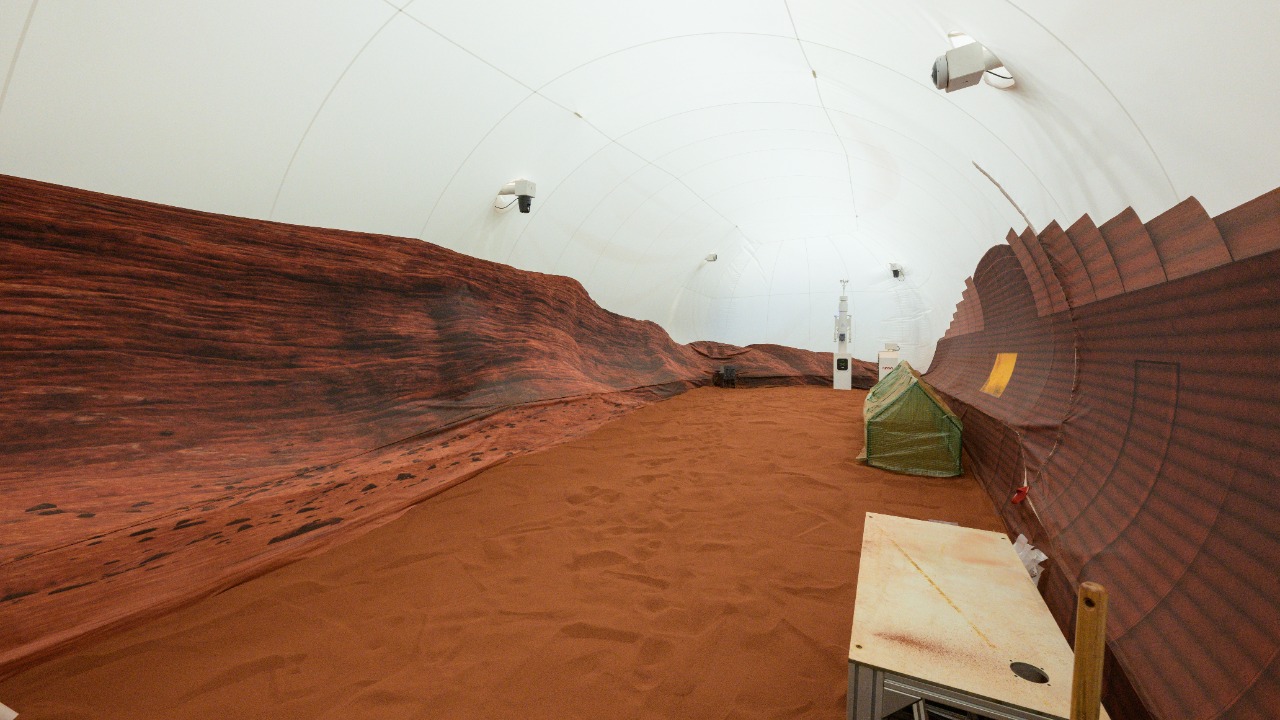
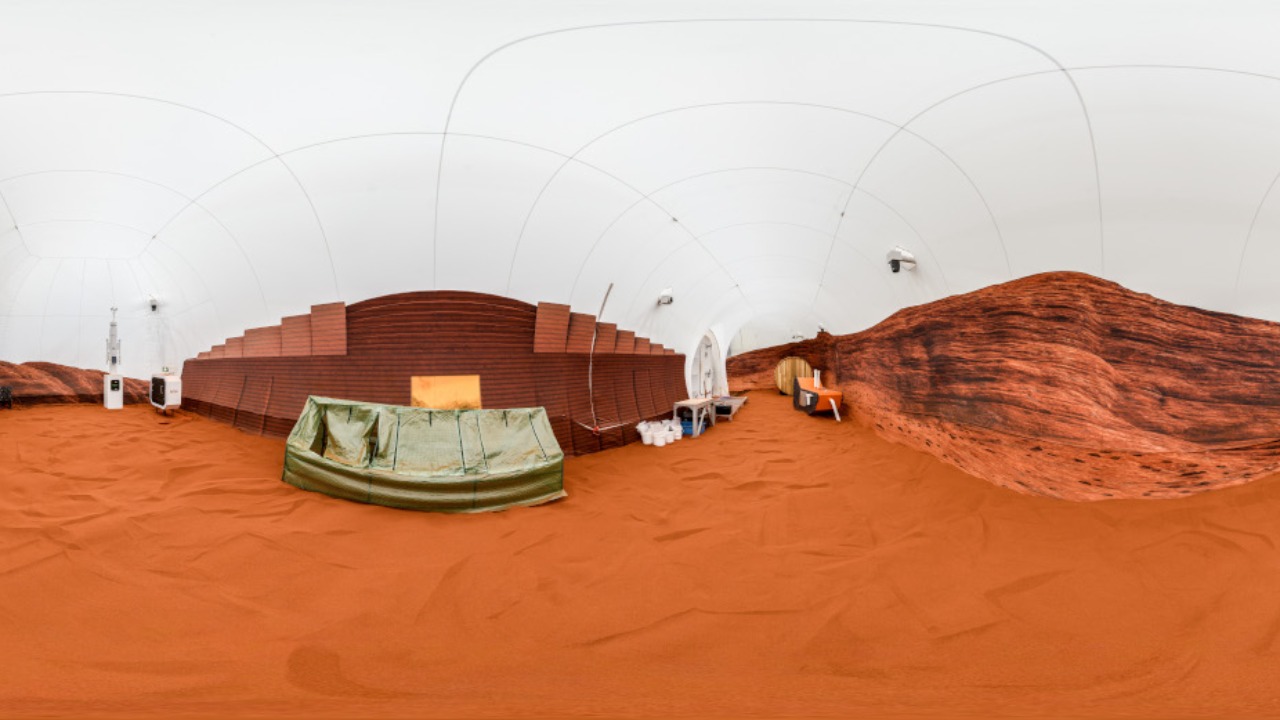
The CHAPEA mission, NASA’s second year-long Mars analog mission, is designed to study crew health, performance, and resource management within a 1,700-square-foot 3D-printed habitat. This mission aims to gather critical data to inform future human exploration of Mars. Set to begin in spring 2026, the mission will last 378 days, providing a comprehensive simulation of life on the Martian surface (NASA).
During the mission, the crew will engage in various simulated activities, such as operating robotic vehicles, maintaining the habitat, and conducting extravehicular activities using spacesuits. These tasks are designed to mimic the challenges astronauts will face on Mars, allowing NASA to refine its strategies for long-duration space missions (NASA).
The CHAPEA mission, short for Crew Health and Performance Exploration Analog, is part of NASA’s broader effort to prepare for human exploration of Mars. By simulating the conditions of a Mars mission on Earth, NASA aims to identify potential challenges and develop solutions before sending astronauts to the Red Planet. The habitat, constructed using advanced 3D printing technology, is designed to replicate the confined and resource-limited environment that astronauts will experience on Mars. This includes managing limited water and food supplies, as well as dealing with communication delays with Earth, which are integral to understanding the psychological and logistical demands of such missions (NASA).
In addition to technical and operational tasks, the CHAPEA mission will focus on the social and psychological aspects of long-duration space travel. The crew will be monitored for stress, fatigue, and interpersonal dynamics, providing data that will help NASA develop strategies to maintain crew cohesion and morale. This holistic approach ensures that all aspects of human spaceflight are considered, paving the way for successful future missions to Mars and beyond (NASA).
Selection Process for the Crew Commander
NASA’s selection process for the CHAPEA crew commander emphasized leadership in isolated, high-stakes environments. This led to the choice of an Air Force test pilot, who brings extensive experience in experimental aircraft flights. The full CHAPEA crew was announced on September 5, 2025, with the commander role assigned to the Edwards Air Force Base Major due to his test pilot background (Yahoo News; NASA).
The pilot’s military training aligns with NASA’s need for decision-making under uncertainty, a crucial skill for the Mars simulation. His ability to lead in high-pressure situations is expected to enhance the mission’s success, providing valuable insights into crew dynamics and operational reliability in space exploration scenarios (Task & Purpose).
The rigorous selection process for the CHAPEA crew commander involved evaluating candidates on their ability to handle the unique challenges of a Mars analog mission. Candidates were assessed on their leadership skills, technical expertise, and psychological resilience. The chosen commander, an Air Force test pilot, was selected not only for his technical skills but also for his proven ability to lead teams in high-pressure environments. His experience in managing complex flight operations and his familiarity with cutting-edge technology made him an ideal candidate to oversee the mission’s success (Yahoo News).
Moreover, the selection process highlighted the importance of adaptability and quick decision-making, traits that are crucial for the unpredictable nature of space missions. The commander’s background in the military, where he honed these skills, aligns with NASA’s objectives of ensuring that crew members can effectively respond to emergencies and unexpected challenges during the mission. This strategic choice underscores NASA’s commitment to integrating diverse expertise to enhance mission outcomes (Task & Purpose).
The Commander’s Air Force Expertise
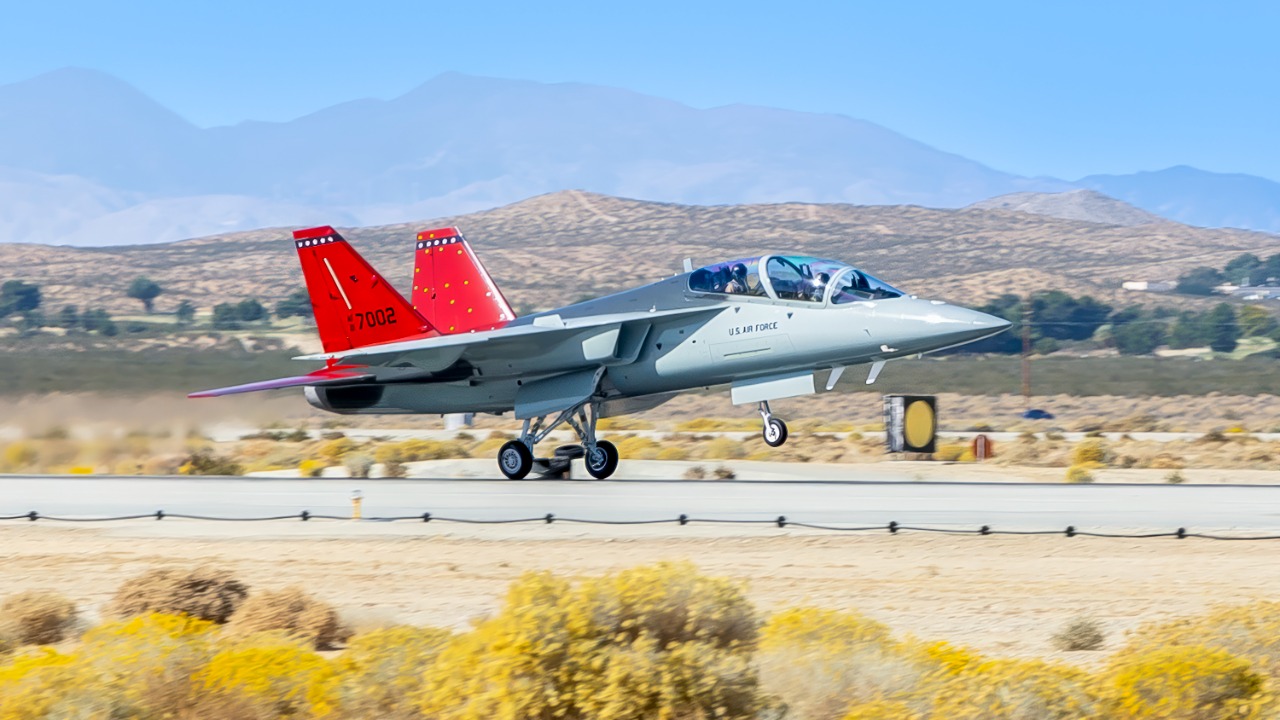
The commander, serving as a test pilot at Edwards Air Force Base, is tasked with evaluating advanced aircraft systems under extreme conditions. His role involves high-performance flight testing, which requires precision and adaptability—qualities that NASA deemed essential for the CHAPEA mission command (VV Daily Press).
Holding the rank of Major, his extensive experience in the Air Force translates well to leading a diverse crew in the Mars simulation habitat. His background in military operations provides a strong foundation for managing the complexities of the mission, ensuring that the team can effectively simulate the challenges of a real Mars expedition (Task & Purpose; Yahoo News).
As a test pilot, the commander has been involved in the development and testing of some of the most advanced aircraft systems in the world. His role requires a deep understanding of aerodynamics, avionics, and systems engineering, which are directly applicable to the technical challenges of the CHAPEA mission. This expertise ensures that he can effectively oversee the mission’s technical operations, from habitat systems management to the execution of complex extravehicular activities (VV Daily Press).
The commander’s experience in high-stakes environments, where precision and quick thinking are paramount, is invaluable for the mission. His ability to remain calm under pressure and make informed decisions will be crucial in maintaining the safety and efficiency of the crew’s operations. This level of expertise not only supports the mission’s immediate goals but also contributes to the broader objectives of advancing human space exploration capabilities (Yahoo News).
Implications for Future Mars Exploration
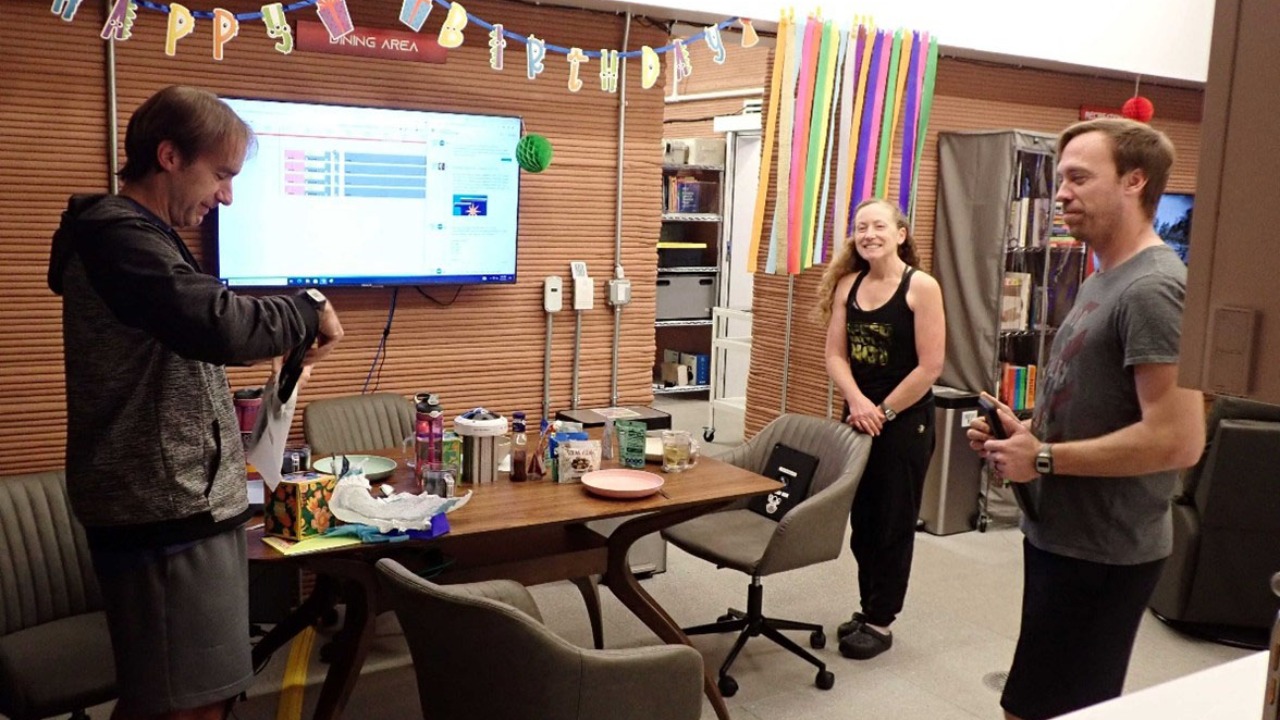
The CHAPEA mission’s focus on a year-long simulation, led by an Air Force pilot, will yield critical data on crew dynamics and operational strategies for actual Mars trips. This integration of military pilots into NASA analogs is expected to enhance the reliability and effectiveness of future missions, as reported on September 9, 2025 (VV Daily Press).
Located at Johnson Space Center, the mission will also test sustainable life support systems, providing insights into the technologies and processes needed for long-term human habitation on Mars. The data collected will be instrumental in shaping NASA’s approach to deep-space exploration, ensuring that future missions are both safe and successful (Task & Purpose).
The insights gained from the CHAPEA mission will be instrumental in shaping the future of human space exploration. By simulating the conditions of a Mars mission, NASA can test and refine life support systems, habitat designs, and operational protocols. This mission serves as a critical step in validating the technologies and strategies that will be used in actual Mars expeditions. The data collected will inform the design of future missions, ensuring that they are equipped to handle the challenges of long-duration space travel (Task & Purpose).
Furthermore, the mission’s focus on crew dynamics and psychological resilience will provide valuable lessons for maintaining astronaut health and performance during extended missions. Understanding how to support astronauts’ mental well-being is as crucial as ensuring their physical safety. The CHAPEA mission’s findings will help NASA develop comprehensive support systems for future crews, ultimately contributing to the success and sustainability of human presence on Mars and other celestial bodies (VV Daily Press).
