
NASA has set the stage for a significant milestone in space exploration with the announcement of Artemis II, the first crewed mission to the Moon since Apollo 17 in 1972. Slated for launch in early 2026, this mission will mark the return of humans to lunar orbit after more than five decades. The mission will feature a crew of four astronauts aboard the Orion spacecraft, launched atop the Space Launch System (SLS) rocket from Kennedy Space Center in Florida, conducting a 10-day flight to test systems for future lunar landings.[1]
Background on the Artemis Program
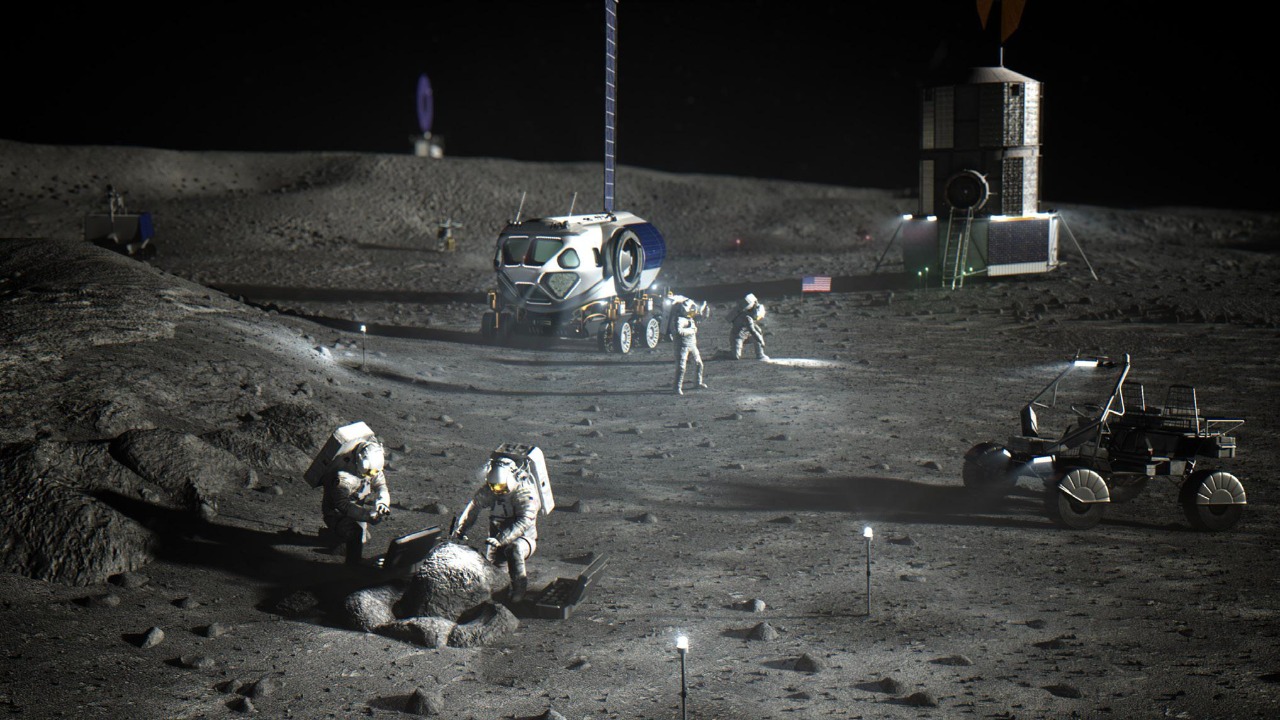
The Artemis program, initiated in 2017, is NASA’s ambitious successor to the Apollo era. Its goal is to establish a sustainable human presence on the Moon by the end of the decade. The program’s first mission, Artemis I, successfully completed an uncrewed test flight in November 2022.[1] Artemis II builds directly on the success of Artemis I, with a focus on preparing for Artemis III, which aims to land the first woman and person of color on the Moon in 2027.[3]
International collaboration is a key aspect of the Artemis program. Notably, the European Space Agency has contributed to the Orion spacecraft’s service module. This global cooperation underscores the shared commitment to advancing deep space exploration.[5]
Key Details of the Artemis II Mission
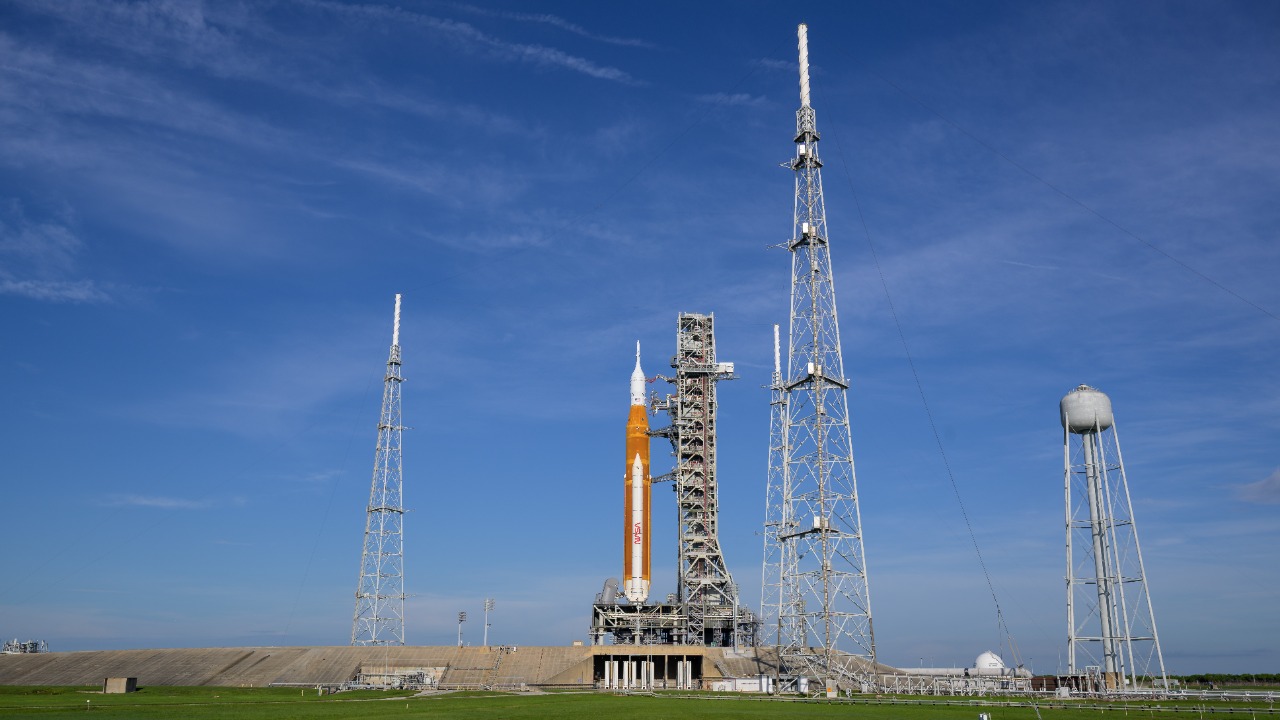
Artemis II is a crewed test flight that will send the Orion spacecraft into a lunar orbit for approximately 10 days. The mission will not include a lunar landing but will validate the spacecraft’s life support and propulsion systems.[1] The launch vehicle for this mission is the SLS Block 1 rocket, which stands 322 feet tall. The liftoff is scheduled from Launch Complex 39B at Kennedy Space Center, Florida.[2]
The mission’s trajectory will involve a 1.2 million-mile journey, including a flyby of the Moon’s far side. This will demonstrate safe reentry and splashdown in the Pacific Ocean.[5]
The Artemis II Crew

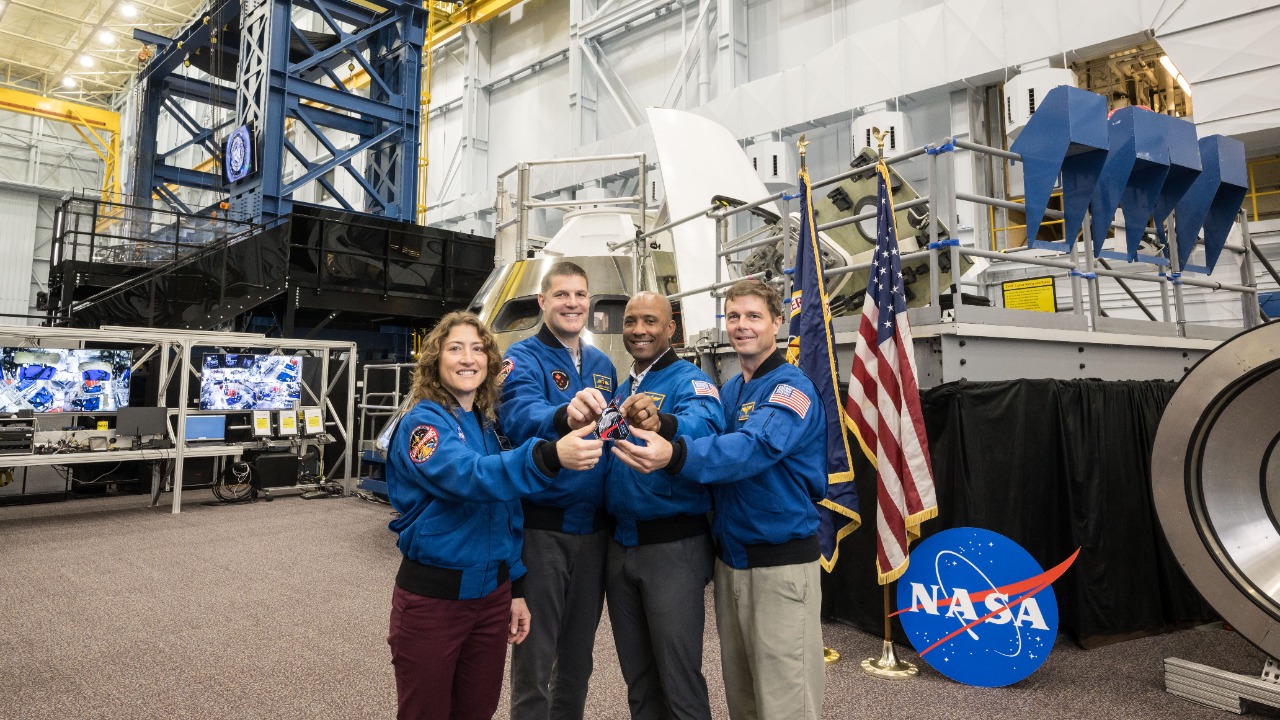
The mission commander for Artemis II is Reid Wiseman, a NASA astronaut selected for his experience on Expedition 41 to the International Space Station in 2014.[1] The pilot for the mission is Victor Glover, who will be the first Black astronaut assigned to a lunar mission. Glover has previous space experience from his six-month stay on the ISS in 2021.[2]
The mission specialists for Artemis II are Christina Koch and Jeremy Hansen. Koch will be the first woman on a lunar flight and has over 300 days in space from ISS missions. Hansen, from the Canadian Space Agency, will be the first non-U.S. astronaut on an Artemis crew.[4]
Mission Objectives and Scientific Goals
The primary objectives of Artemis II are to test Orion’s human-rated capabilities, including the performance of its heat shield during reentry at 25,000 mph and its ability to protect the crew from radiation in deep space.[1] Secondary goals include conducting experiments on crew health, making lunar surface observations, and demonstrating technology for future Mars missions.[2]
The mission will also gather data on the integration of the Gateway station for sustained lunar operations, paving the way for Artemis III’s lunar landing.[3]
Timeline Adjustments and Challenges
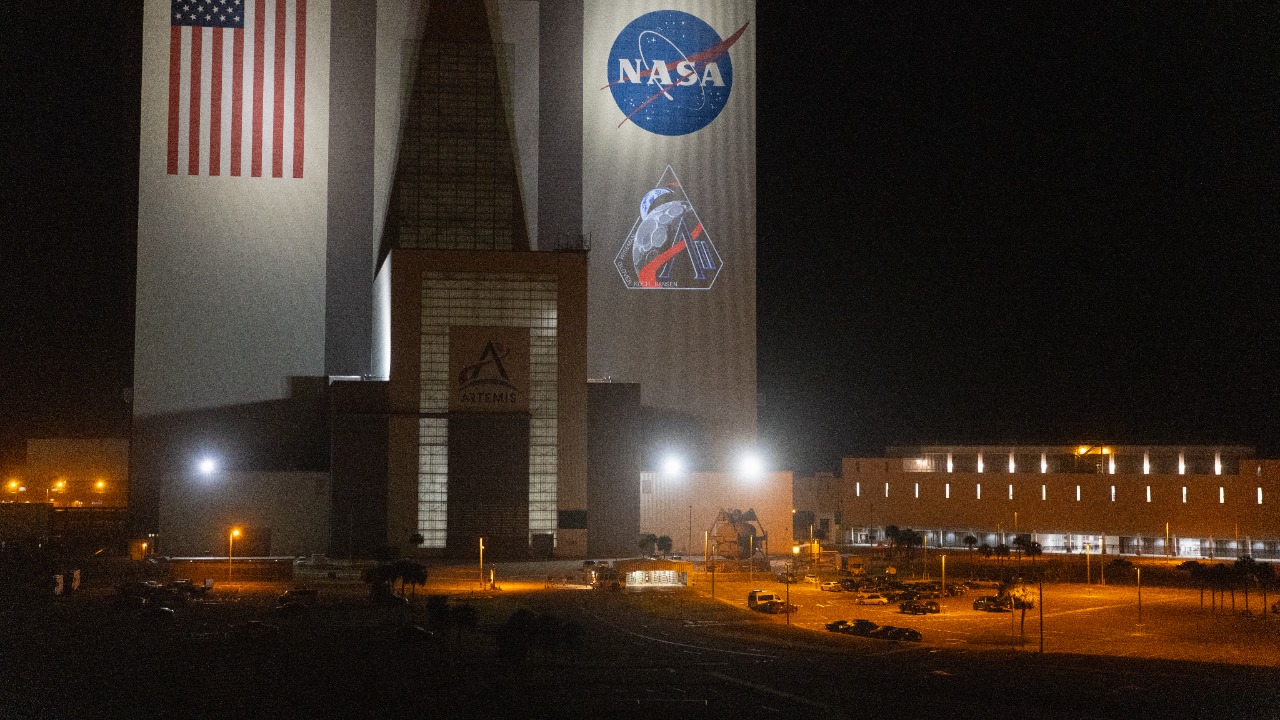
The launch date for Artemis II was shifted from an initial target of September 2025 to early 2026 due to technical reviews following Artemis I. These reviews were necessary to ensure crew safety amid concerns about vibration and heat shield performance.[5] Preparations for the mission are ongoing, including the integration of Orion with the SLS at Kennedy Space Center and crew training simulations at Johnson Space Center in Houston, Texas.[2]
There are potential risks associated with the mission, such as the peak of solar activity in 2025, which could affect radiation exposure. As a result, NASA is prioritizing a conservative launch window in April 2026.[4]
Historical Significance and Legacy
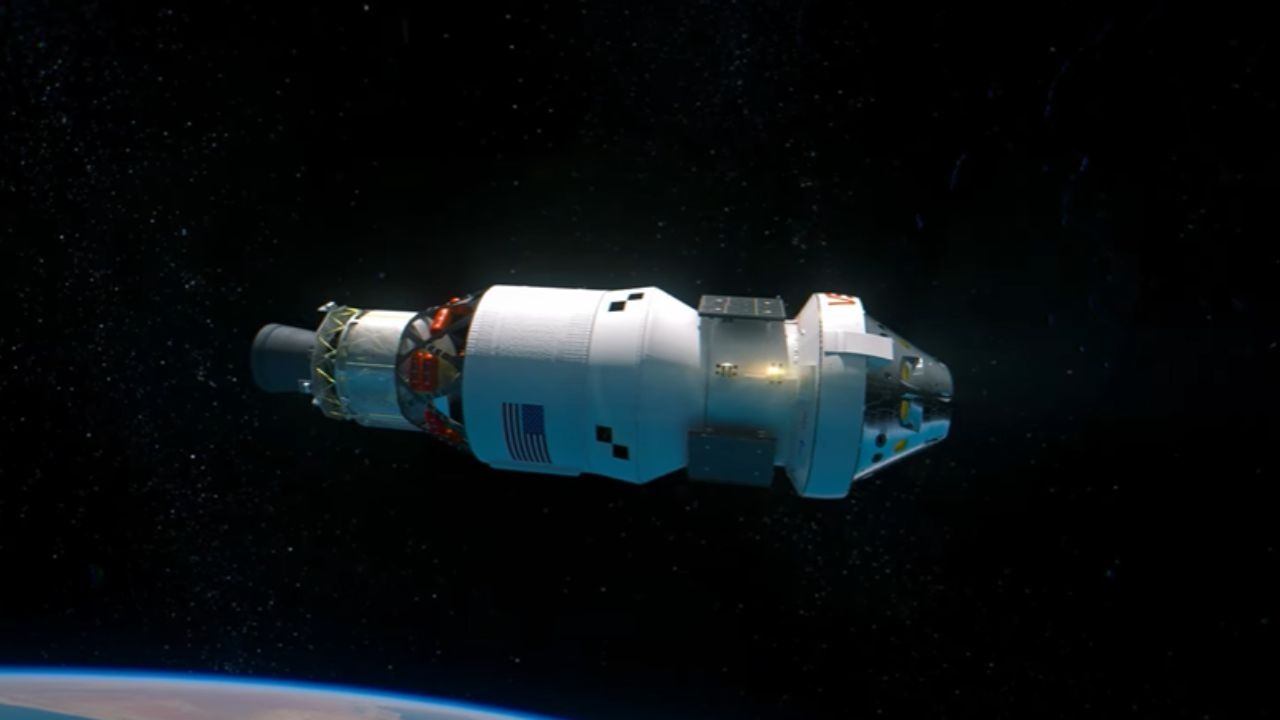
Artemis II is comparable to Apollo 8 in 1968, which was the first crewed lunar orbit mission. The mission underscores the revival of U.S. leadership in space after a 50-year hiatus since Apollo 17’s landing in December 1972.[1] The broader impact of the mission includes inspiring global STEM engagement and promoting growth in the commercial space industry. NASA’s $93 billion Artemis budget through 2025 supports thousands of jobs.[3]
NASA Administrator Bill Nelson has emphasized the mission’s motivational role for future generations, stating, “Artemis II will send four astronauts on a historic trajectory around the Moon.”[4]
