A recent study by NASA suggests that the dwarf planet Ceres, located in the asteroid belt, may have once been habitable. This revelation, based on data from NASA’s Dawn mission, indicates that Ceres could have supported conditions suitable for life as early as half a billion years after its formation. The findings present a new perspective on the potential for life in the asteroid belt.
Background on Ceres
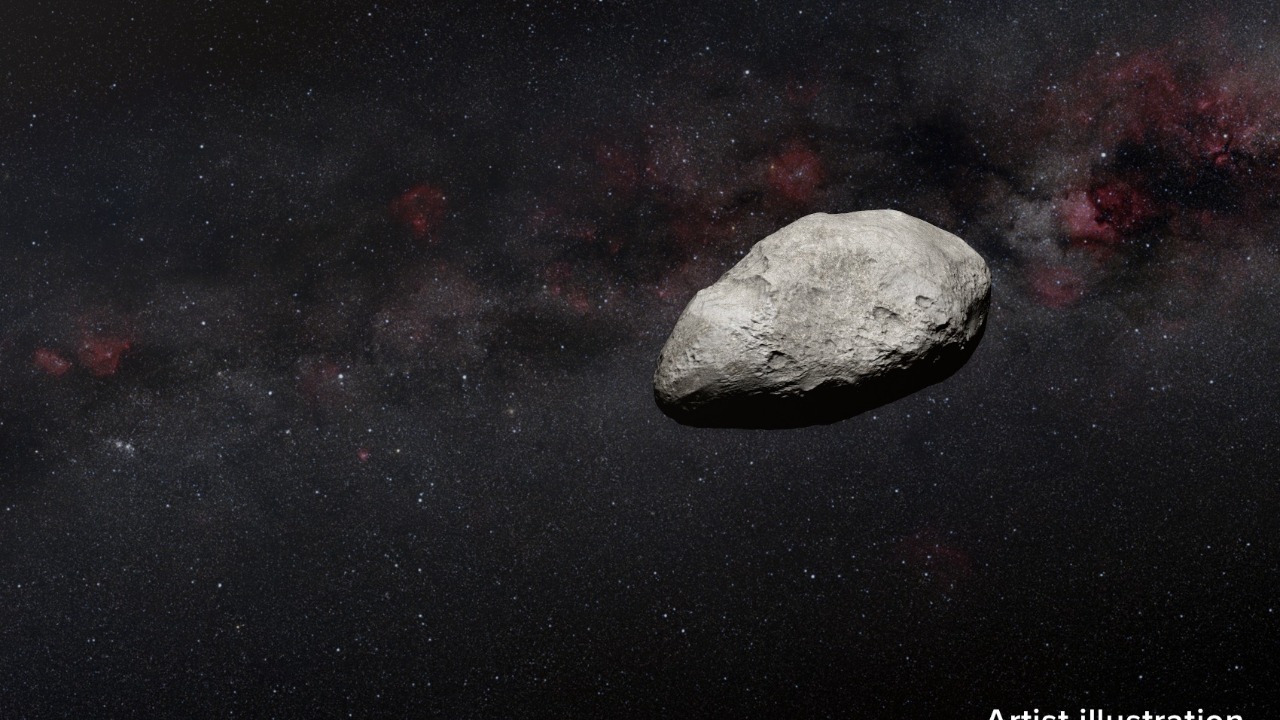
Ceres, the largest object in the asteroid belt situated between Mars and Jupiter, has long intrigued scientists. Its composition, including an icy crust and a potential subsurface ocean, has been observed by prior missions, hinting at a complex geological history. In 2006, Ceres was classified as a dwarf planet, distinguishing it from asteroids and planets and sparking further interest in its potential for habitability.
Despite its location in the asteroid belt, Ceres shares more similarities with planets like Earth than with its asteroid neighbors. Its icy surface and potential for a subsurface ocean suggest a composition more akin to the outer planets of our solar system. These unique characteristics have made Ceres a focal point for studies on habitability in our solar system.
The NASA Study Overview
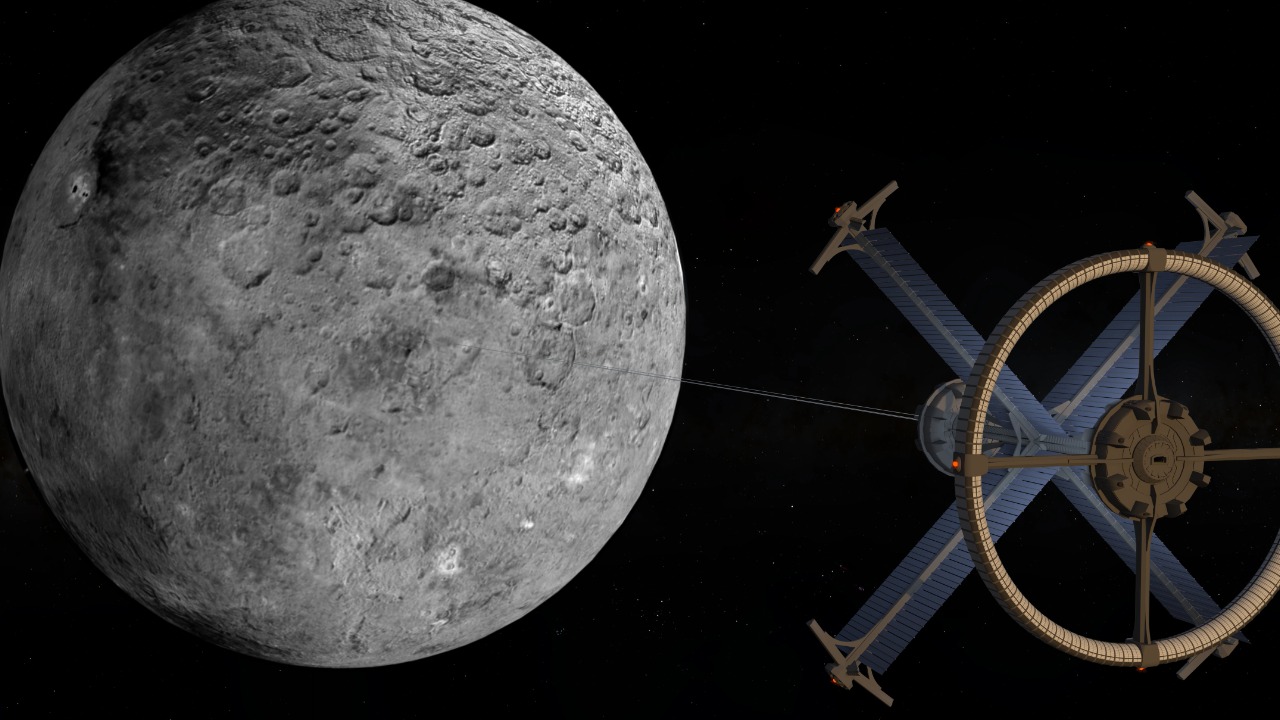
The recent study by NASA researchers focused on the geological evolution of Ceres and its implications for past habitability. The initial findings, reported in August 2025, suggested that Ceres could have been habitable as early as half a billion years after its formation. This timeline is based on the rapid geological processes that could have created an environment suitable for life.
The study’s methodology integrated data from NASA’s Dawn spacecraft, which orbited Ceres from 2015 to 2018. The Dawn mission provided invaluable data on Ceres’ surface composition and internal structure, enabling researchers to model past environmental conditions on the dwarf planet.
One of the key aspects of the NASA study was the use of advanced modeling techniques. These techniques allowed researchers to simulate the geological and chemical evolution of Ceres over billions of years. This approach, combined with the data from the Dawn mission, provided a comprehensive picture of how Ceres’ environment could have evolved to support life. The study also highlighted the importance of understanding the early solar system’s dynamics, as these processes played a crucial role in shaping Ceres’ habitability potential.
Furthermore, the study underscored the significance of Ceres’ location in the asteroid belt. Despite its proximity to the Sun, Ceres’ position allowed it to retain water and other volatile compounds, which are essential for life. This finding challenges traditional notions of habitable zones, suggesting that life-supporting conditions could exist in regions of the solar system previously considered inhospitable.
Evidence of Past Habitability
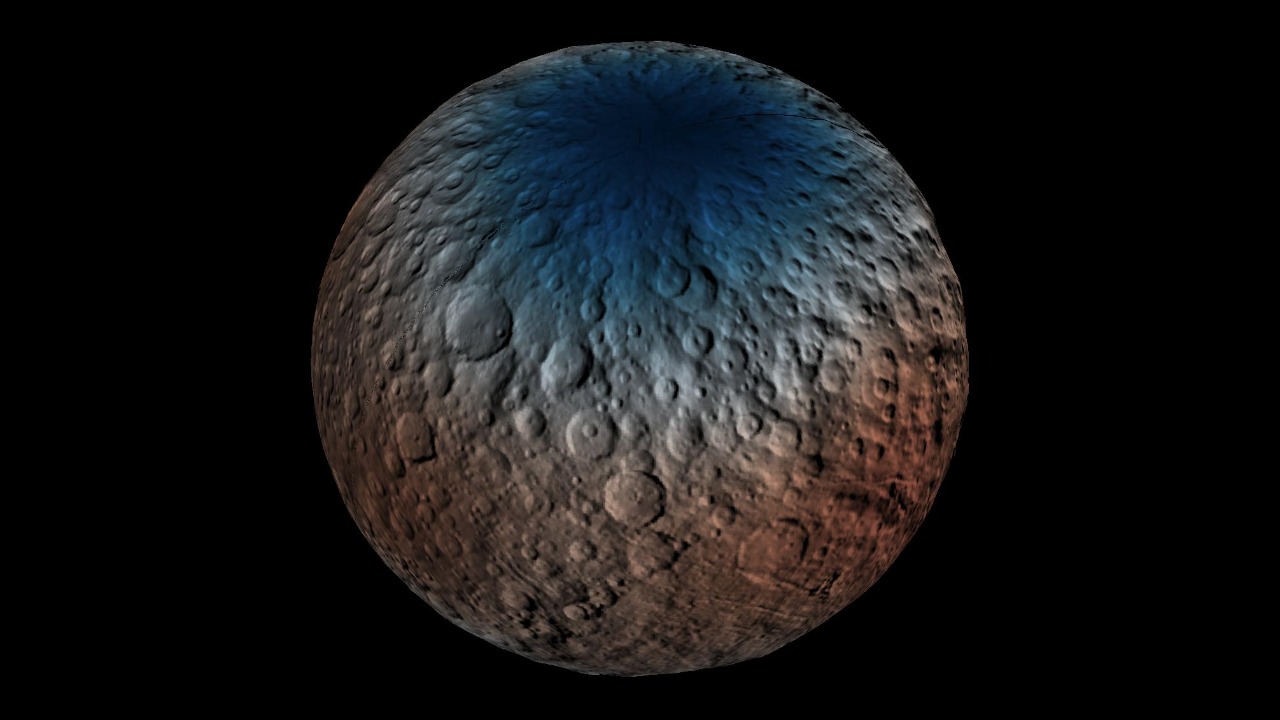
Several lines of evidence suggest that Ceres may have once supported life. The presence of chemical signatures of water and organics on Ceres’ surface points to the possibility of past habitability. Additionally, signs of hydrothermal activity and mineral deposits further support the idea that Ceres was once suitable for life.
According to the study, Ceres may have been habitable at just half a billion years old. This is based on evidence of rapid geological processes that could have created a habitable environment shortly after the dwarf planet’s formation. The presence of water, energy sources, and the right chemical ingredients could have made Ceres a suitable home for microbial life.
Another compelling piece of evidence for Ceres’ past habitability comes from the detection of ammonia-rich clays. Ammonia, a compound of nitrogen, is a critical ingredient for life as we know it. The presence of ammonia on Ceres suggests that it may have been delivered by comets or formed in place, providing the necessary building blocks for life. This discovery, combined with the evidence of water and organic materials, strengthens the case for Ceres as a potential cradle for life.
Moreover, the study found that Ceres’ surface shows signs of cryovolcanism – a form of volcanic activity involving the eruption of volatiles such as water, instead of molten rock. This activity could have created a habitable environment by providing a source of heat and nutrients. Cryovolcanic processes could also have contributed to the formation of a subsurface ocean, further enhancing Ceres’ potential for life.
Key Findings from NASA Researchers

NASA researchers have outlined how Ceres could have maintained liquid water and energy sources necessary for potential life. The study concludes that Ceres’ interior heated early, enabling habitable conditions shortly after its formation. This early heating could have led to the presence of a subsurface ocean, further increasing the potential for life.
Specific indicators, such as salts and clays on Ceres’ surface, are considered remnants of past habitable environments. These materials, formed through water-related processes, suggest that Ceres once had a much warmer and wetter environment than it does today.
One of the most striking findings from the NASA study is the potential existence of a subsurface ocean on Ceres. The presence of a subsurface ocean, combined with the early heating of Ceres’ interior, could have created a stable environment for life to develop. This ocean, if it existed, would have been kept warm by heat from radioactive decay and possibly geothermal activity, providing a long-lasting, stable environment for life.
Additionally, the study found that Ceres’ surface shows signs of alteration by liquid water. The presence of phyllosilicates, minerals that form in the presence of water, suggests that liquid water was once abundant on Ceres’ surface. This discovery, along with the detection of other water-related minerals, provides strong evidence that Ceres once had a much warmer and wetter environment than it does today.
Implications for Solar System Exploration
The findings from the study expand the search for life beyond traditional planets, focusing on dwarf planets like Ceres. The potential for future missions to Ceres to verify signs of past habitability builds on the observations made by the Dawn mission. These missions could provide further insights into the habitability of other objects in the asteroid belt.
The study also has broader implications for our understanding of habitable zones in the solar system. Traditionally, the habitable zone is defined as the region around a star where conditions might be right for liquid water – a key ingredient for life as we know it. The potential habitability of Ceres suggests that these zones could extend beyond traditional planets, opening up new avenues for the search for life in the universe.
Recent Reporting and Context
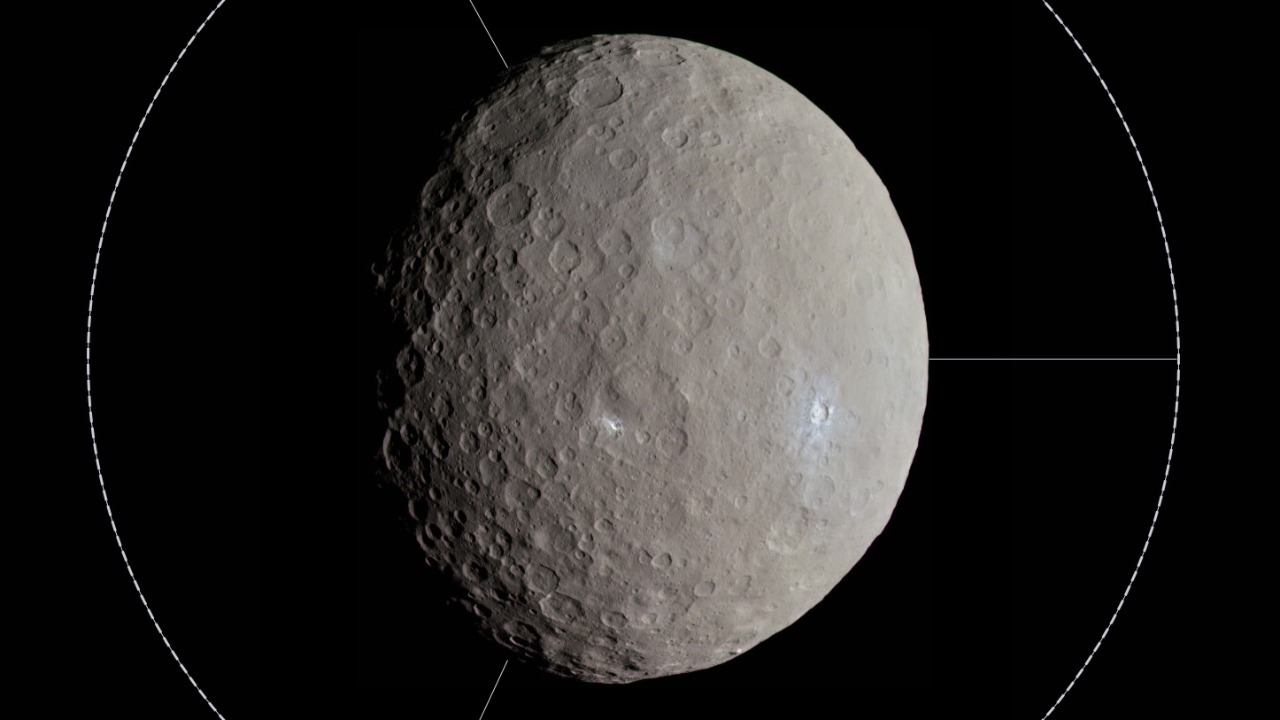
Reports on the potential habitability of Ceres have been emerging since the publication of the NASA study in August 2025. The study has been covered by various outlets, highlighting the implications of the findings for our understanding of life in the solar system. The most recent updates from NASA, reported on September 17, 2025, continue to support the idea that Ceres may have once been habitable and could have supported life.
The study and its findings represent a significant step forward in our understanding of Ceres and its potential for habitability. As we continue to explore our solar system and beyond, studies like this one will undoubtedly play a crucial role in shaping our search for life beyond Earth.
The NASA study has sparked a wave of interest in Ceres and its potential for habitability. The findings have been widely reported in the media, with many outlets highlighting the implications for our understanding of life in the solar system. The study has also sparked discussions among scientists about the need to revisit our definitions of habitable zones and the potential for life on other dwarf planets and asteroids.
Furthermore, the study has underscored the importance of future missions to Ceres. The potential for verifying signs of past habitability and further exploring Ceres’ geological history has been widely recognized. As we continue to explore our solar system, the study’s findings will undoubtedly shape our approach to the search for life beyond Earth, focusing not only on traditional planets but also on dwarf planets and other celestial bodies.
