NASA’s collaboration with SpaceX marks a new era in space exploration, as the Falcon 9 rocket carrying the Crew Dragon spacecraft embarks on a landmark mission. This launch signifies not only NASA’s return to manned space missions from American soil but also highlights the advancements in technology and international cooperation in space exploration.
NASA and SpaceX: A Collaborative Journey
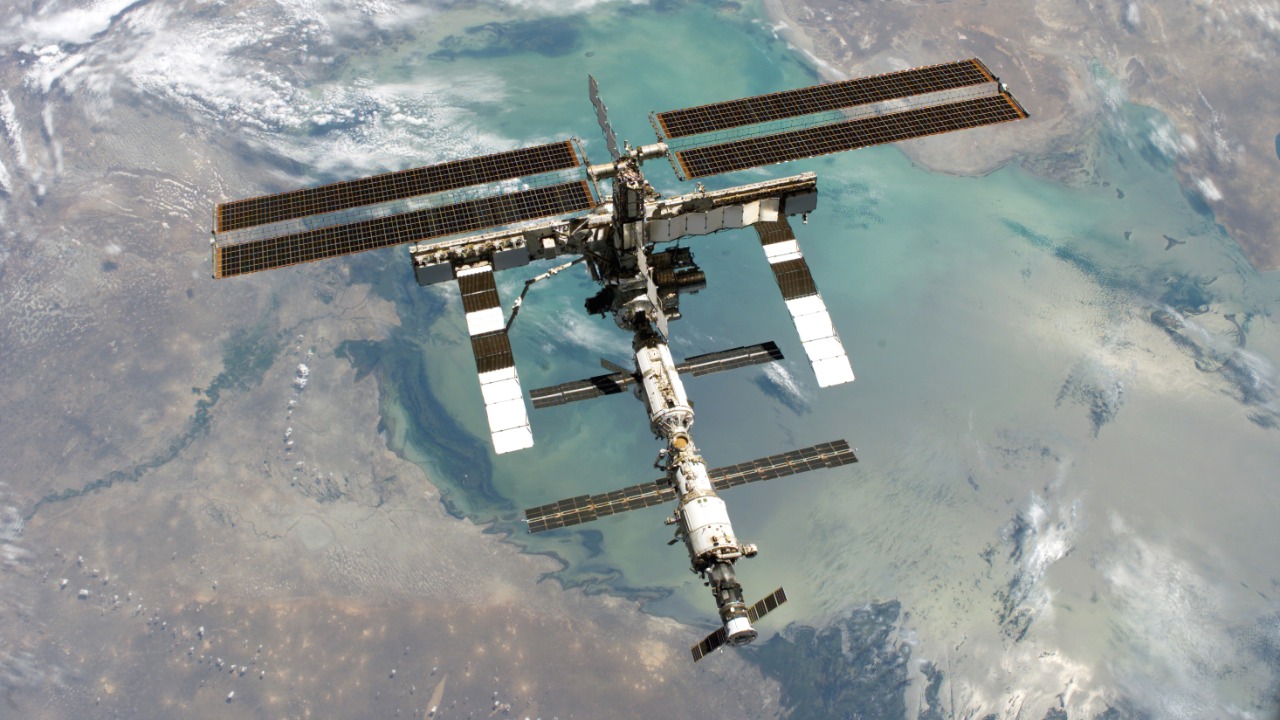
The partnership between NASA and SpaceX is a testament to how public and private sectors can work together to achieve extraordinary feats in space exploration. This collaboration began in earnest over a decade ago with the Commercial Crew Program, designed to facilitate the development of private-sector human spaceflight capabilities. SpaceX has been a pivotal player in this program, achieving milestones that include launching the first commercial spacecraft to the International Space Station (ISS) in 2012. These early missions laid the groundwork for the ambitious goals set forth in the current Crew Dragon launch.
The primary objectives of this mission extend beyond merely transporting astronauts to the ISS. It aims to advance scientific research by enabling experiments in microgravity that are impossible to conduct on Earth. Furthermore, it represents a significant step forward in technology, showcasing innovations that improve safety and efficiency in space travel. Importantly, this mission embodies a spirit of international collaboration, with astronauts from diverse backgrounds working together, fostering a sense of unity in the global space community.
The Falcon 9 Rocket: Engineering Marvel
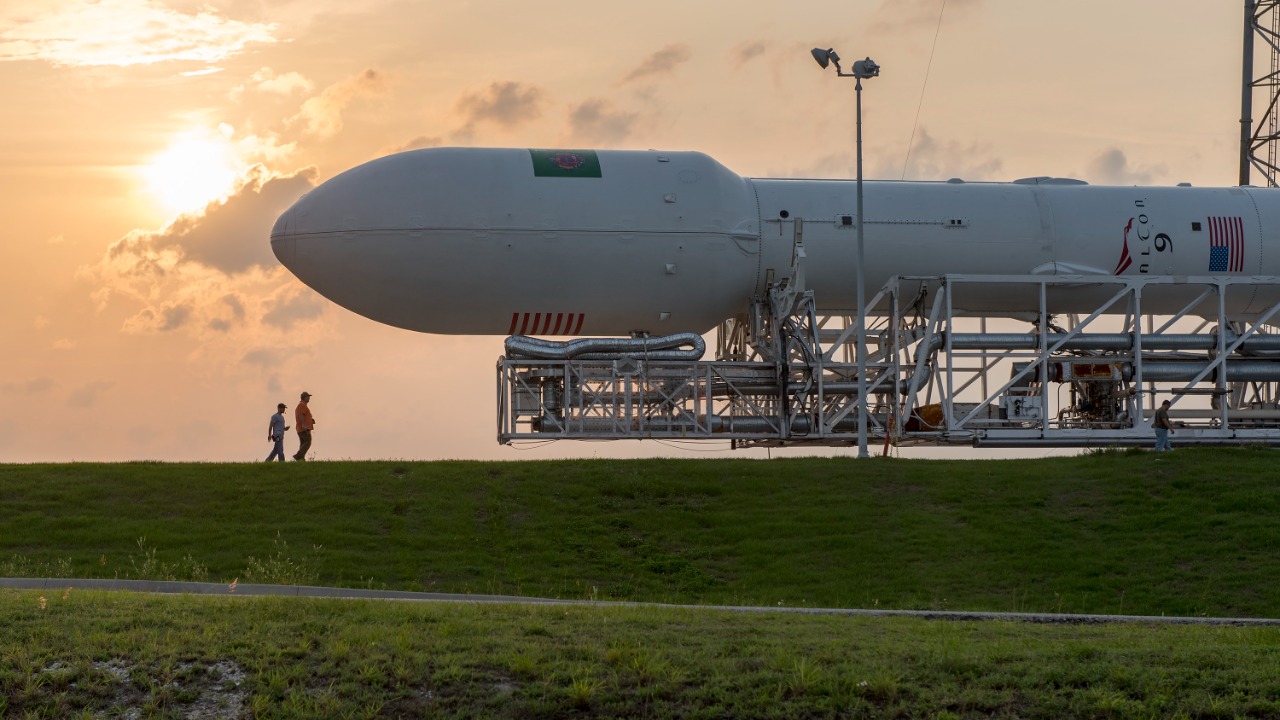
The Falcon 9 rocket, developed by SpaceX, is renowned for its innovative design and engineering. A significant feature of the Falcon 9 is its reusability, which dramatically reduces the cost of space travel. The rocket’s first stage is capable of returning to Earth and landing vertically, allowing it to be refurbished and reused for future launches. This capability not only cuts down on expenses but also promotes a more sustainable approach to space exploration.
Preparation for the launch involved meticulous procedures to ensure everything went smoothly. The rocket underwent rigorous testing, including multiple static fire tests, to verify its readiness. Engineers conducted detailed inspections and simulations to anticipate any potential issues. On launch day, a precise countdown sequence was followed to ensure that all systems were functioning correctly before liftoff. These comprehensive preparations were crucial in achieving a successful launch and demonstrating the reliability of the Falcon 9.
The Crew Dragon Spacecraft: A Leap in Human Spaceflight
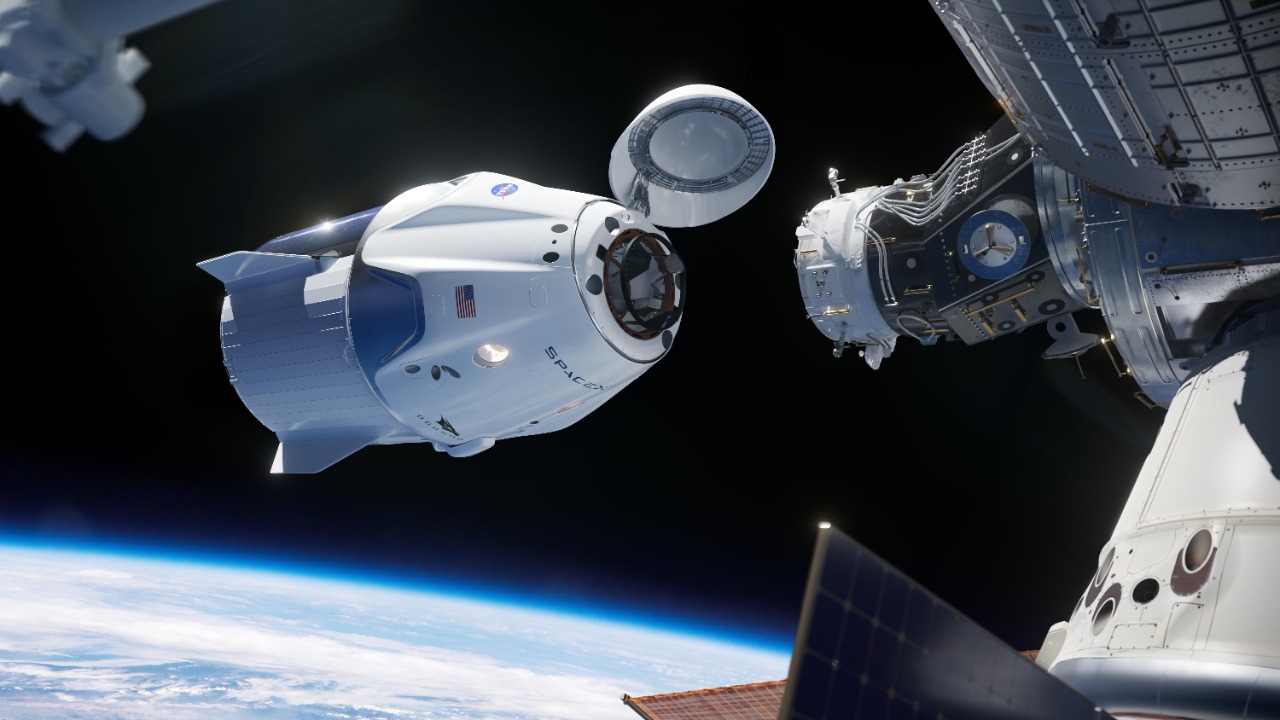
The Crew Dragon spacecraft represents a significant advancement in human spaceflight technology. Designed to carry up to seven astronauts, it is equipped with numerous cutting-edge features. The spacecraft’s automated systems allow it to dock autonomously with the ISS, reducing the manual workload for astronauts. Safety is also a top priority, with the inclusion of a launch escape system that can rapidly propel the spacecraft away from the rocket in an emergency.
For the astronauts aboard, the Crew Dragon offers a new level of comfort and efficiency. Prior to the mission, the crew underwent extensive training to familiarize themselves with the spacecraft’s systems and prepare for the challenges of space travel. Astronauts have shared that the intuitive interface and advanced controls of Crew Dragon make it a joy to operate. Their experiences and contributions to the mission are invaluable, as they conduct research that will benefit not only future space missions but also life on Earth.
Impact and Future of Space Exploration
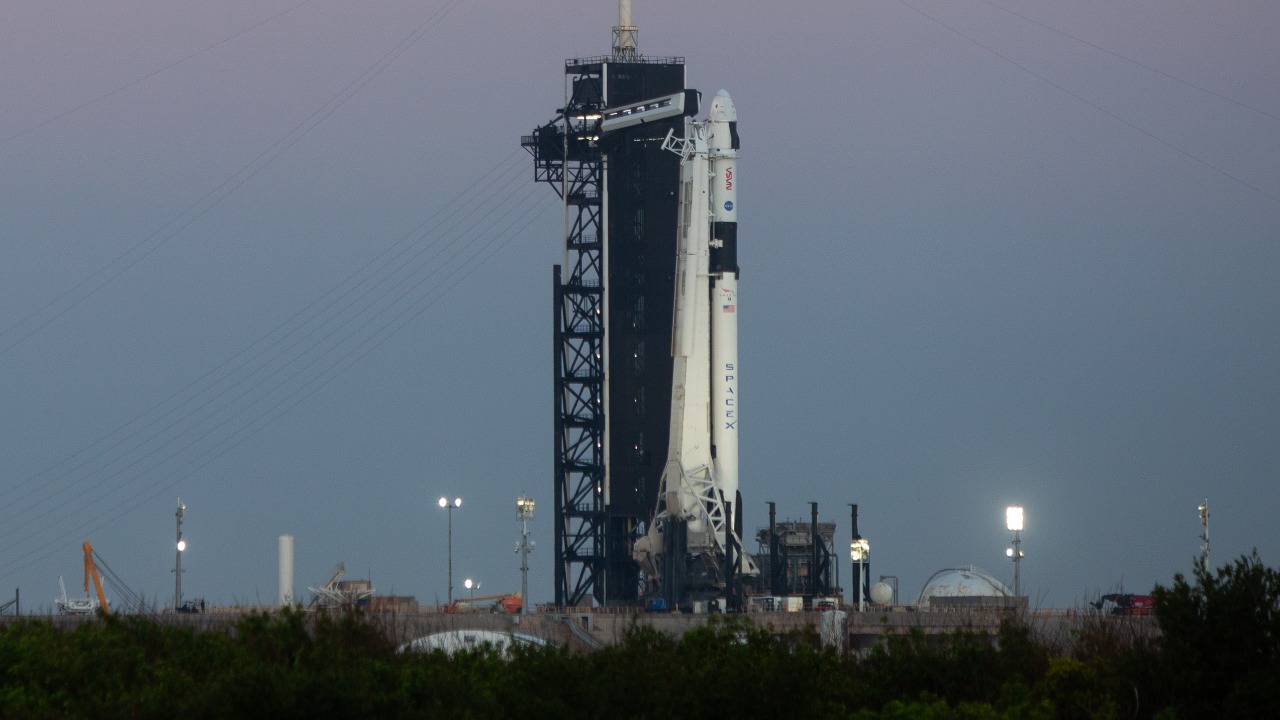
The successful launch of the Falcon 9 and Crew Dragon has significant implications for international space programs. It serves as a model for how countries and private companies can collaborate to advance space exploration. The technological advancements and reduced costs associated with this mission make space more accessible, fostering the development of new partnerships and initiatives worldwide. This collaborative approach is crucial as humanity sets its sights on more ambitious goals, such as returning to the Moon and exploring Mars.
Looking ahead, NASA and SpaceX have several exciting missions planned. The lessons learned from this mission will inform future endeavors, including NASA’s Artemis program, which aims to land the first woman and next man on the Moon. SpaceX is also actively working on the Starship project, which is designed for long-duration space travel and could eventually transport humans to Mars. These efforts signify a long-term vision for establishing a human presence beyond Earth, opening new possibilities for exploration and discovery.
For more details on NASA’s recent missions, you can check their official news release. Additionally, a documentary video provides a comprehensive overview of the preparations and execution of the groundbreaking launch of SpaceX’s Falcon 9 with Crew Dragon. You can also read about the upgraded launch pad and new astronauts involved in this mission.
