
NASA plans to retire the International Space Station (ISS) in 2030, marking the end of its operational life after more than two decades in low-Earth orbit. This transition paves the way for an era dominated by commercial space stations developed by private industry partners. Reflecting NASA’s strategy to shift from government-led operations to a sustainable low-Earth orbit economy, the agency is actively seeking input from industry on the next phase of commercial space stations to ensure continuity in space research and utilization. [source]
The Retirement of the International Space Station
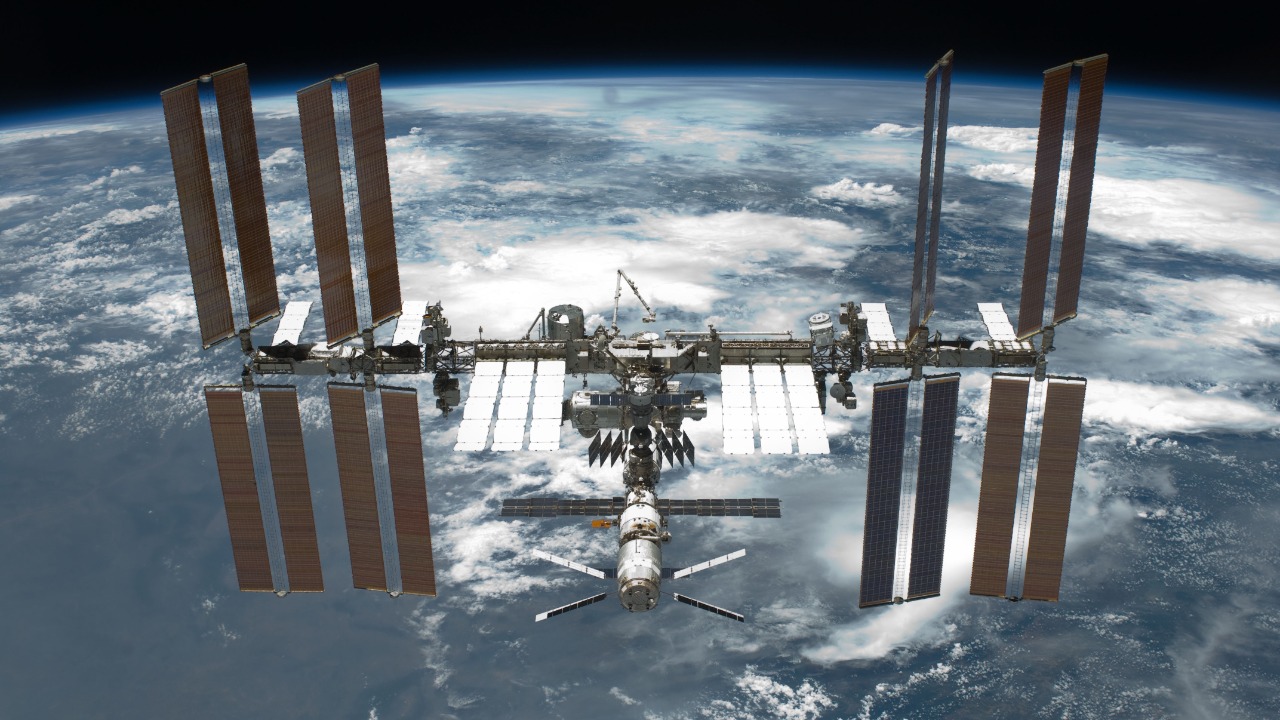
NASA has announced its plan to retire the International Space Station in 2030, a decision that involves a detailed timeline for deorbiting and safely disposing of the structure. The ISS has been a cornerstone of international collaboration in space, involving agencies like NASA, Roscosmos, ESA, JAXA, and CSA. Its retirement marks the end of an era of unprecedented global cooperation in space exploration. The ISS has served as a platform for scientific research and technological development, contributing significantly to our understanding of space and its effects on human biology. [source]
Transitioning away from the ISS by 2030 presents several technical and logistical challenges. Ensuring continuous crew access and maintaining the momentum of ongoing research are critical concerns. The transition requires careful planning to avoid disruptions in scientific experiments and to provide a seamless shift to new platforms. NASA’s strategy involves leveraging commercial partnerships to fill the gap left by the ISS, ensuring that the research and development activities in low-Earth orbit continue without interruption. [source]
The decision to retire the ISS is not just a logistical challenge but also a significant emotional milestone for the international space community. Since its launch in 1998, the ISS has hosted over 240 astronauts from 19 different countries, serving as a symbol of peaceful international collaboration. The station has facilitated over 3,000 research investigations from more than 100 countries, contributing to advancements in fields such as medicine, environmental science, and physics. As the ISS nears the end of its operational life, NASA and its partners are committed to preserving the legacy of international cooperation that the station represents, even as they transition to new commercial platforms. [source]
NASA’s Strategy for Commercial Low-Earth Orbit
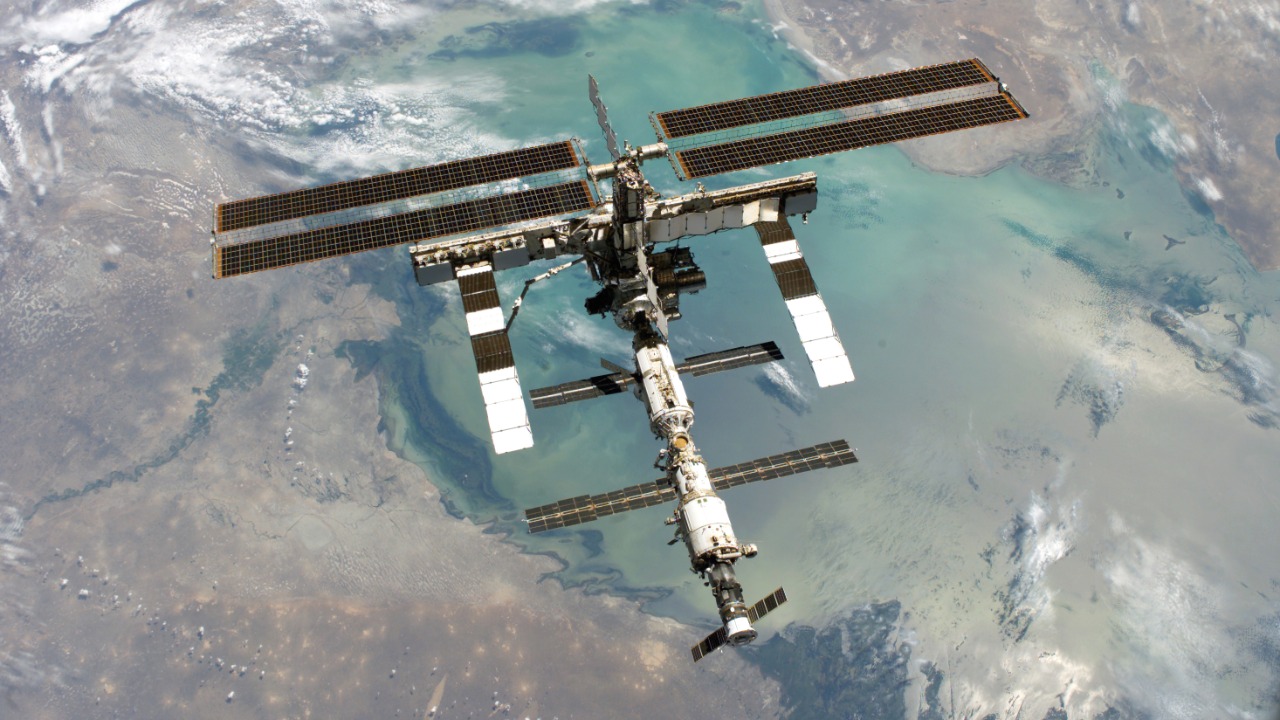
NASA envisions a future where commercial space stations play a central role in low-Earth orbit, fostering innovation and expanding human presence in space. This vision is part of NASA’s broader strategy to transition from government-led operations to a commercially driven space economy. By inviting private sector innovation, NASA aims to create a vibrant ecosystem of commercial space stations that can support a wide range of activities, from scientific research to manufacturing in microgravity. [source]
To facilitate this transition, NASA has launched an initiative to seek industry input on the next phase of commercial space stations. This includes requests for proposals on design, operations, and sustainability, ensuring that future stations meet the needs of both NASA and the broader space community. By engaging with industry partners, NASA aims to foster a competitive environment that encourages innovation and cost-effectiveness in space habitation. [source]
Commercial space stations are expected to support NASA’s goals for a robust low-Earth orbit economy. These stations will provide platforms for microgravity research, enabling advancements in fields such as pharmaceuticals, materials science, and biotechnology. By leveraging the unique environment of space, commercial stations can drive innovation and economic growth, benefiting both the space industry and society at large. [source]
NASA’s strategy involves not only fostering commercial partnerships but also ensuring that these new space stations are equipped to handle a wide array of scientific and commercial activities. The agency is particularly focused on ensuring that these platforms can support long-duration human spaceflight, which is critical for future missions to the Moon and Mars. By developing a robust commercial presence in low-Earth orbit, NASA aims to reduce costs and increase access to space, enabling more frequent and diverse missions. This approach is designed to stimulate private sector investment and innovation, creating a sustainable space economy that benefits both scientific research and commercial enterprises. [source]
Potential Replacements and Industry Roles
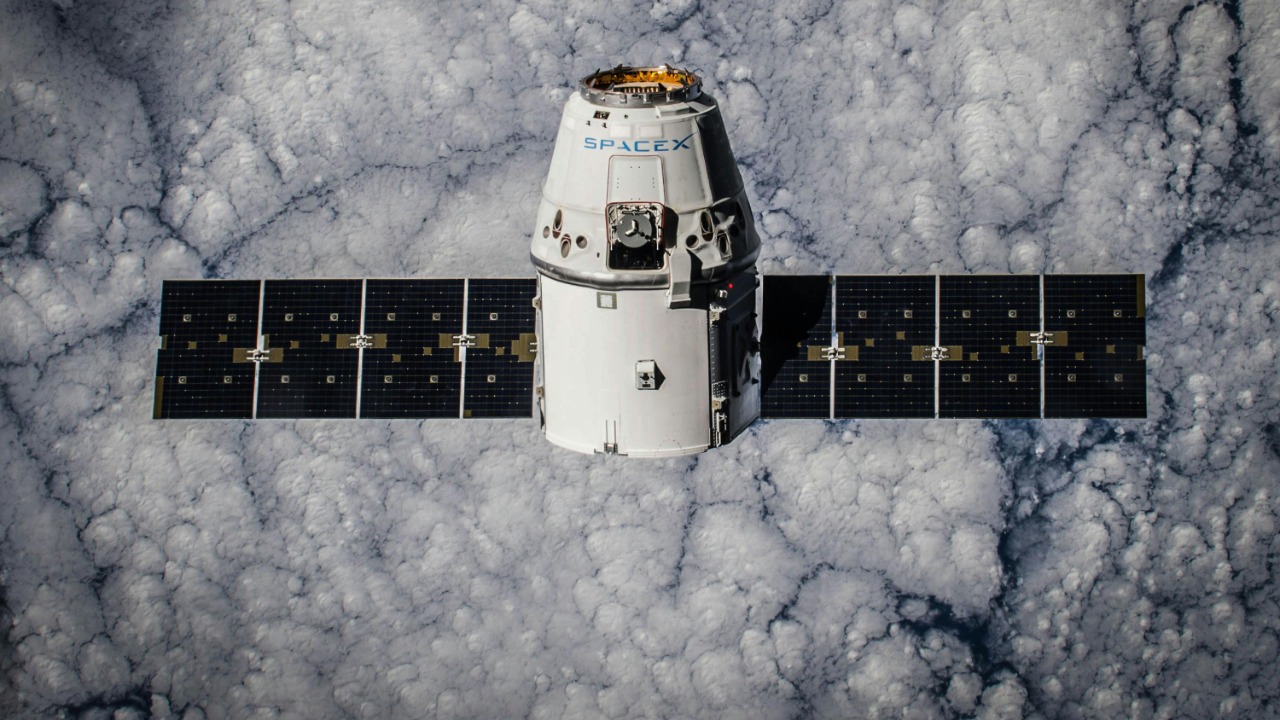
As the ISS approaches its retirement, discussions are underway about what will replace it. Emerging commercial platforms, funded through NASA partnerships, are poised to take on the role of supporting human activities in low-Earth orbit. Companies like Axiom Space and Blue Origin are actively developing concepts for commercial space stations, responding to NASA’s call for input on the future of space habitation. These companies are exploring innovative designs and business models to ensure the viability and sustainability of their platforms. [source]
The timeline for the ISS retirement in 2030 aligns with the anticipated operational readiness of next-generation commercial stations. This alignment is crucial to avoid gaps in space research and to maintain the momentum of human space exploration. By coordinating with industry partners, NASA aims to ensure a smooth transition from the ISS to commercial platforms, preserving the continuity of scientific and technological advancements in space. [source]
Challenges and Opportunities in the Transition
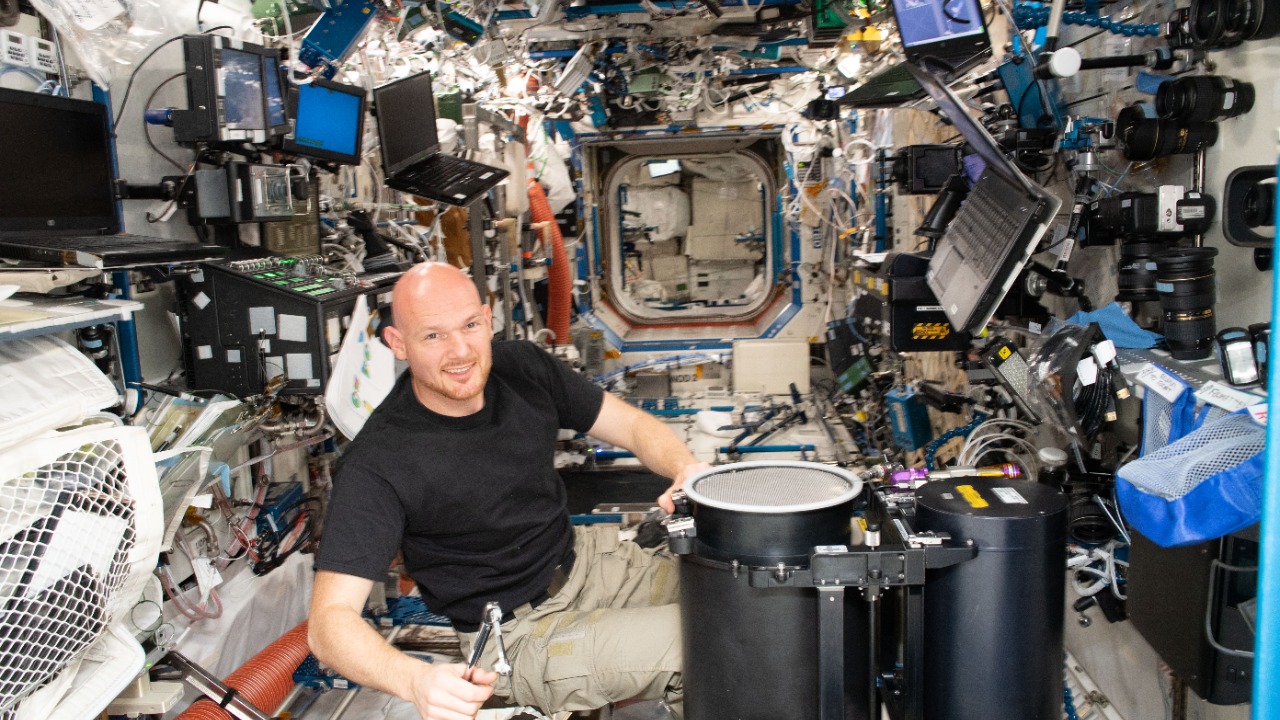
The shift from the ISS to commercial space stations by 2030 presents both challenges and opportunities. One of the primary risks is the dependency on funding and the need for sustained international collaboration. Ensuring that commercial stations are financially viable and can attract investment is critical to their success. Additionally, maintaining strong partnerships with international space agencies will be essential to leverage global expertise and resources. [source]
Despite these challenges, the transition offers significant opportunities for expanded commercial activities in low-Earth orbit. By engaging with industry partners, NASA can drive innovation and create new markets for space-based products and services. The development of commercial space stations can also stimulate private investment, leading to advancements in technology and infrastructure that benefit both the space industry and the global economy. [source]
Experts suggest that viable replacements for the ISS could include modular designs and private investment models. These approaches offer flexibility and scalability, allowing for the gradual expansion of space infrastructure as demand grows. By adopting innovative designs and business strategies, commercial space stations can become a cornerstone of the low-Earth orbit economy, supporting a wide range of activities and fostering international collaboration in space exploration. [source]
