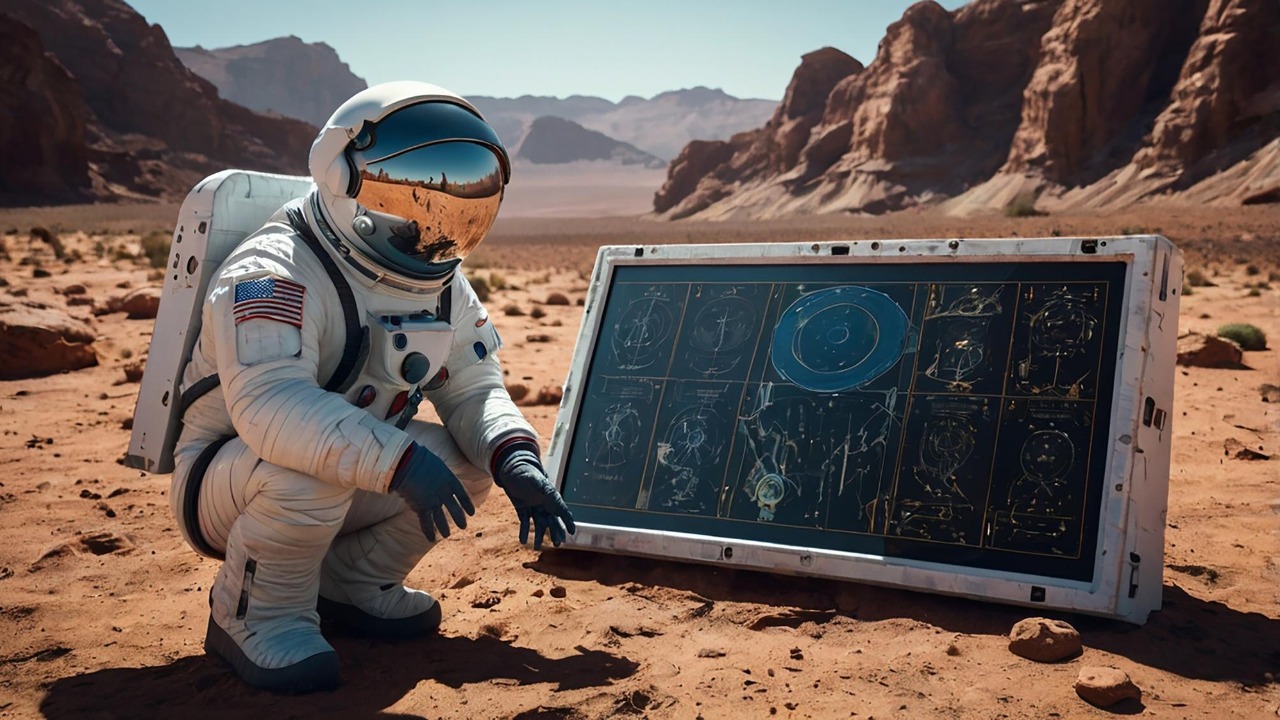

NASA is advancing its plans to send AI-powered “super astronauts” to Mars, aiming to establish a sustainable presence on the Red Planet by the 2030s. This initiative is part of a broader effort to enable autonomous operations in environments that are inhospitable to humans. Under directives from former President Trump, the U.S. has accelerated its timeline for human exploration, with goals to land American astronauts on Mars within the next decade. This ambitious plan aligns with the vision of integrating AI with human missions, a strategy supported by key figures like Elon Musk and his company SpaceX.
NASA’s AI Astronaut Concept
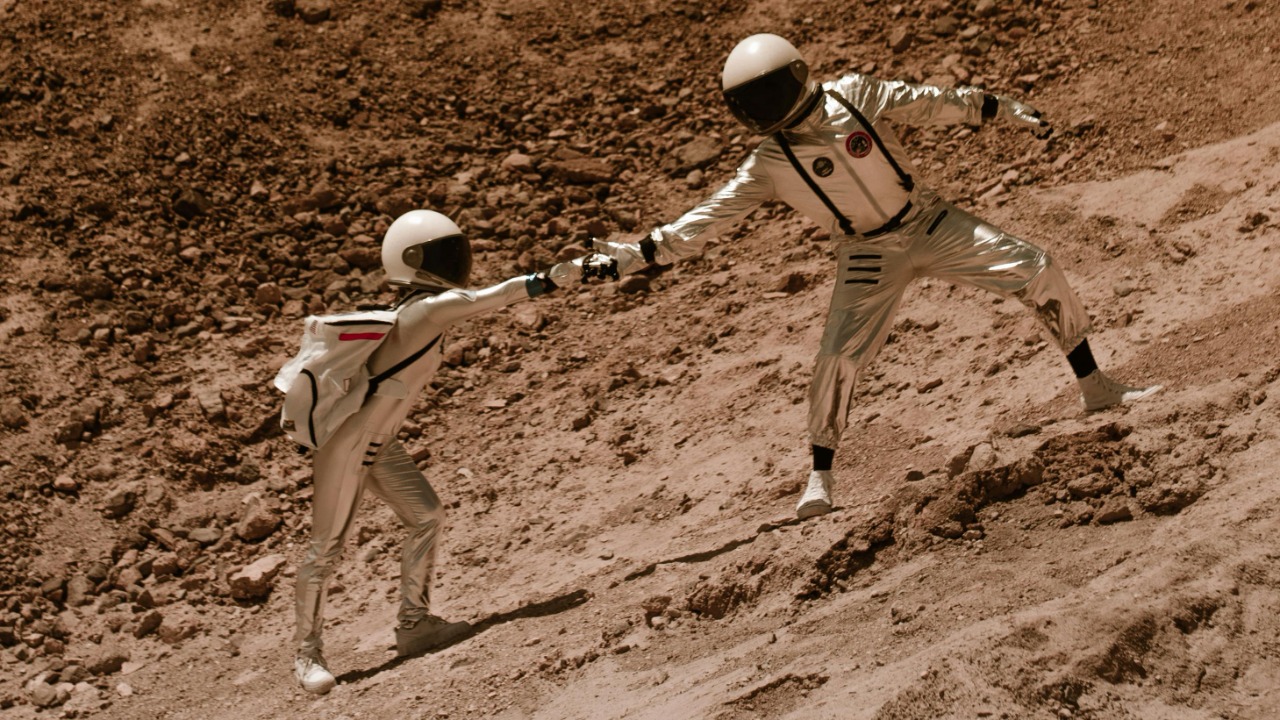
NASA envisions AI “super astronauts” as tireless, radiation-resistant entities capable of performing complex tasks on Mars without human oversight. These AI systems are designed to handle critical operations such as habitat construction and resource mining, essential for establishing a foothold on the Martian surface. By leveraging machine learning, these AI systems can adapt to Mars’ unpredictable conditions, including dust storms and low gravity, effectively serving as precursors to human arrivals. This approach not only enhances the safety of future crewed missions but also ensures that essential infrastructure is in place before humans set foot on Mars [source].
Current NASA AI prototypes are being tested in simulated Mars environments to refine their capabilities and reduce risks associated with human missions. These prototypes are crucial in demonstrating the potential of AI to operate independently in harsh extraterrestrial conditions. By successfully navigating these challenges, AI astronauts can significantly lower the stakes for human explorers, ensuring that the initial phases of Mars colonization are both safe and efficient [source].
Political and Timeline Drivers for Mars Missions

The Trump administration played a pivotal role in prioritizing American-led Mars landings, pushing for astronaut missions to occur sooner than previously planned. This political directive has accelerated NASA’s efforts, aligning with the broader national goal of maintaining U.S. leadership in space exploration. The administration’s focus on Mars colonization underscores the strategic importance of establishing a human presence on the planet as a means of securing geopolitical advantages in space [source].
NASA’s projected timeline for Mars colonization involves phased robotic and human expeditions starting in the 2030s. These missions are designed to build the necessary infrastructure for a sustainable presence on Mars. AI deployment is a critical initial step in this timeline, allowing NASA to test landing sites and sustainment technologies before human crews arrive. This phased approach ensures that each stage of the mission builds upon the last, creating a robust framework for long-term colonization efforts [source].
Private Sector Contributions to Colonization
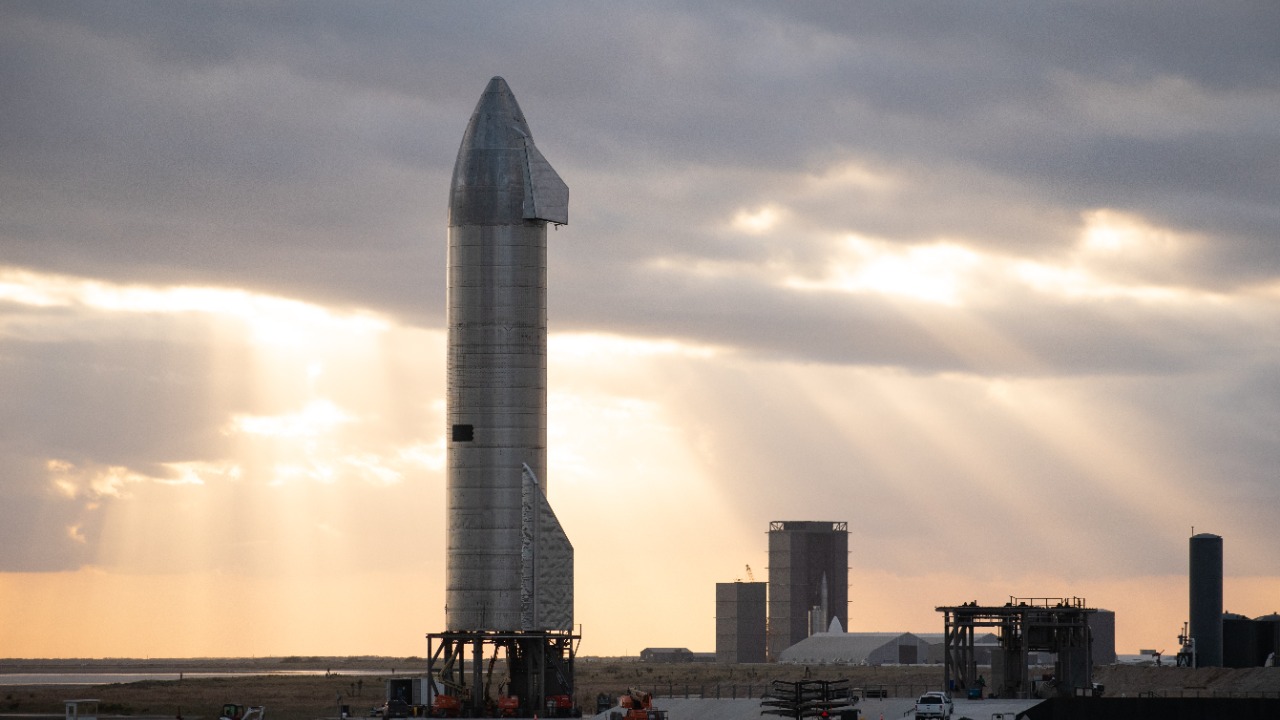
Elon Musk’s SpaceX is at the forefront of private sector contributions to Mars colonization. The company aims to send uncrewed Starship missions to Mars as soon as possible, laying the groundwork for both AI and human colonization. SpaceX’s ambitious plans are integral to the overall strategy of establishing a human presence on Mars, as they provide the necessary transportation and logistical support for these missions. By collaborating with NASA, SpaceX is helping to ensure that AI astronauts can operate from Starship platforms, establishing self-sustaining outposts on the Martian surface [source].
Investment in space exploration is also being driven by figures like Cathie Wood, whose top stock picks include companies tied to Musk’s Mars vision. These investments are crucial for funding the development of AI-integrated colonization technologies. By leveraging private capital, NASA and its partners can overcome budget constraints and accelerate the pace of technological advancements necessary for successful Mars colonization [source].
Technical Implementation of AI on Mars
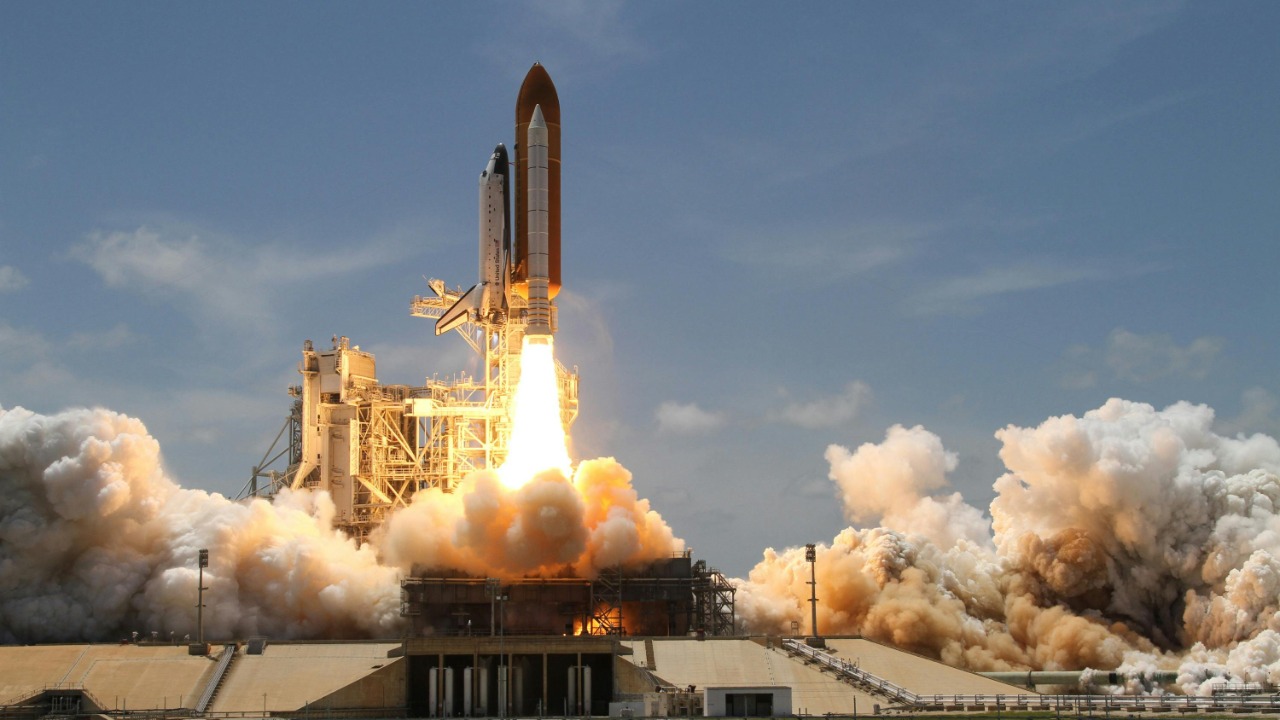
The deployment of AI astronauts involves launching them via NASA’s Space Launch System (SLS) rocket or SpaceX vehicles, followed by autonomous navigation to pre-selected Martian sites. These AI systems are equipped with capabilities for in-situ resource utilization, such as extracting water ice and producing fuel on Mars. This capability is vital for supporting long-term colonization efforts, as it reduces the need for resupply missions from Earth and enables a self-sustaining presence on the planet [source].
Integration with human missions is a key aspect of the AI deployment strategy. AI systems are expected to relay data back to Earth and assist astronauts upon their arrival in the 2030s. This collaboration between AI and human explorers will enhance the efficiency and safety of Mars missions, ensuring that humans can focus on exploration and scientific discovery while AI handles routine and hazardous tasks [source].
Challenges and Strategic Solutions
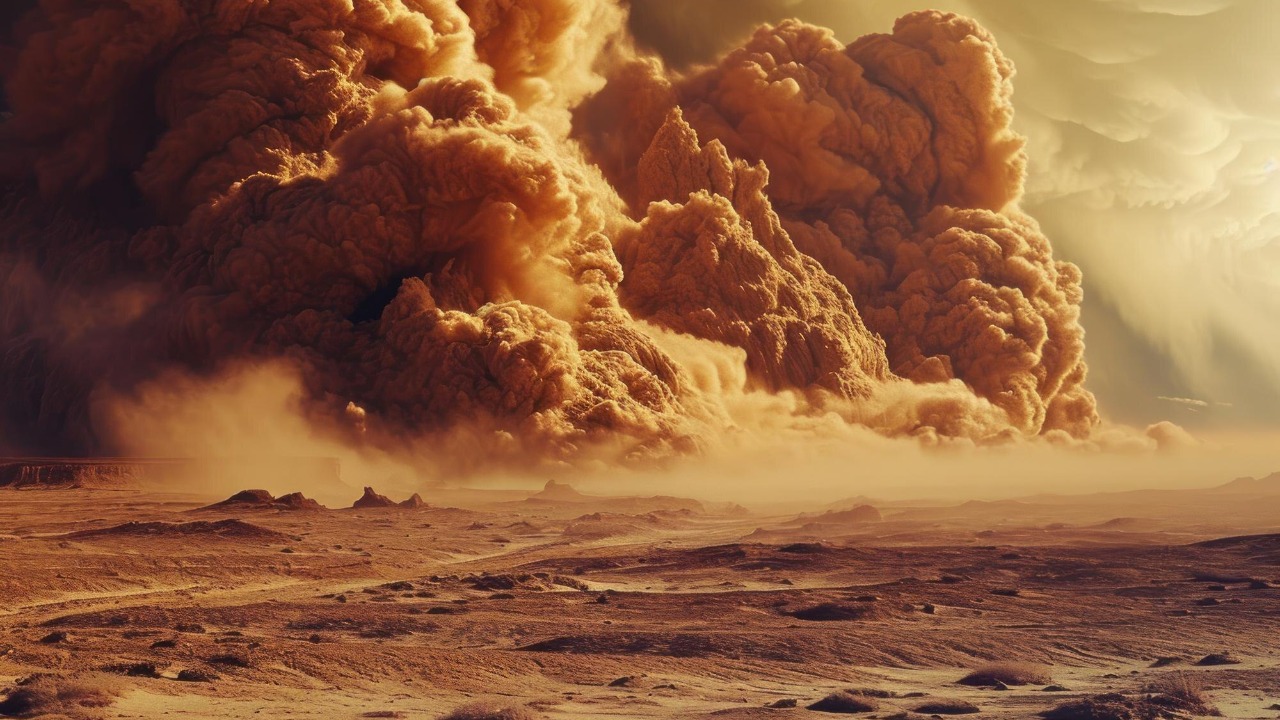
Mars presents numerous environmental challenges, including a thin atmosphere and extreme cold, which AI astronauts must overcome to operate reliably. These AI systems are designed with robust features to withstand such harsh conditions, ensuring that they can perform their tasks without interruption. By addressing these environmental hurdles, NASA can ensure the success of its Mars missions and pave the way for human colonization [source].
Political and funding challenges also play a significant role in the Mars colonization effort. Trump’s push for accelerated U.S. dominance in space highlights the need for strategic planning and investment to counter international competitors. By leveraging private investments from initiatives like Musk’s, NASA can secure the necessary resources to overcome budget constraints and maintain its leadership in space exploration [source].