NASA has marked a significant milestone by welcoming a new class of astronaut candidates on the International Space Station (ISS) with a special tribute, highlighting the global nature of space exploration. This event was part of Expedition 73, which celebrated the arrival of the new astronaut class. Among the new arrivals is Shubhanshu Shukla, the first astronaut from the Indian Space Research Organisation (ISRO) to join the ISS, a key moment anticipated by NASA chief Bill Nelson.
The Special Tribute on the ISS
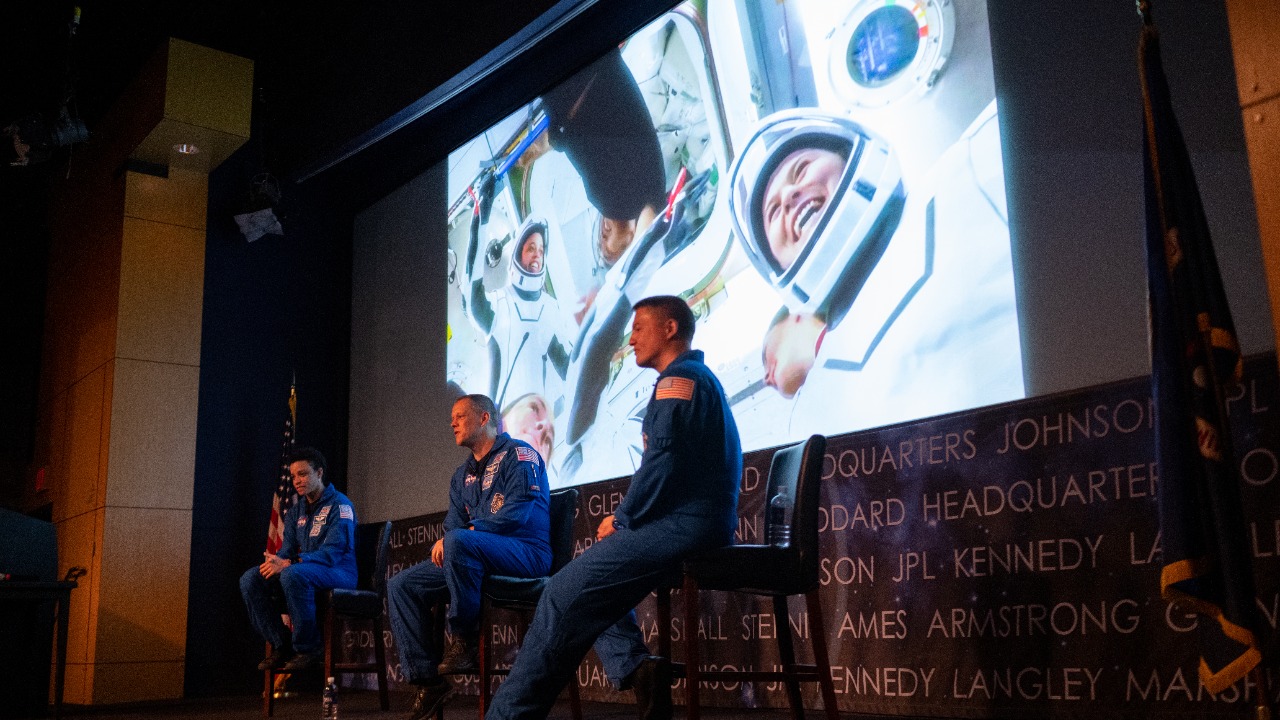
The recent tribute event organized by NASA on the ISS was a remarkable occasion, designed to honor the new class of astronaut candidates. This celebration underscored the spirit of international collaboration that is central to modern space exploration. The event featured a series of activities and ceremonies that highlighted the diverse backgrounds and expertise of the new astronauts, emphasizing the shared goals of the participating space agencies. According to MSN, this tribute was not only a welcome but also a testament to the unity and cooperation that space missions foster among nations.
Insights from the event reveal how NASA used this opportunity to reinforce the importance of international partnerships in achieving ambitious space exploration goals. The tribute included messages from leaders of various space agencies, reflecting on the achievements made possible through collaboration. As reported by SSB Crack, the event was a powerful reminder of how space exploration serves as a bridge between countries, fostering peace and understanding through shared scientific endeavors.
In addition to the formal ceremonies, the tribute event included interactive sessions where the new astronaut candidates shared their personal journeys and aspirations. These sessions provided a platform for the astronauts to discuss their diverse cultural backgrounds and how these perspectives contribute to the collective mission of space exploration. The event also featured a symbolic exchange of mission patches, representing the unity and shared purpose of the international crew. As highlighted by MSN, these activities were designed to foster camaraderie and mutual respect among the astronauts, reinforcing the idea that space exploration is a global endeavor.
Expedition 73 Overview
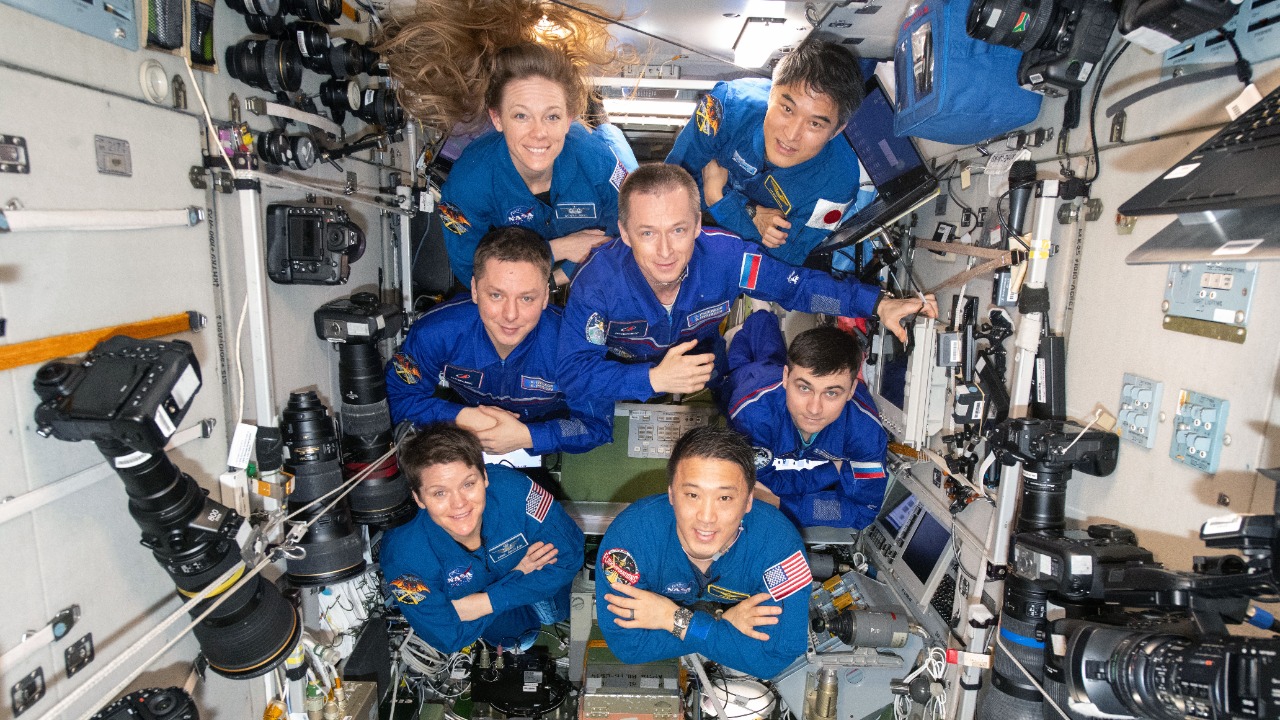
Expedition 73, which coincides with the welcoming of the new astronaut class, has set several objectives aimed at advancing scientific research and technology development on the ISS. This mission includes a variety of experiments and projects that are crucial for future deep-space missions. According to SSB Crack, the expedition’s activities are designed to enhance our understanding of space environments and improve the technologies needed for long-duration space travel.
The significance of Expedition 73 extends beyond its scientific goals; it also represents a pivotal moment in the integration of new astronaut candidates into the ISS community. The expedition serves as a platform for these astronauts to engage in hands-on training and collaboration with seasoned crew members, preparing them for future missions. As noted by MSN, this integration is crucial for maintaining the operational readiness and success of the ISS program.
Expedition 73 is not only focused on scientific research but also on enhancing the operational capabilities of the ISS. The mission includes the testing of new life support systems and the evaluation of advanced robotics, which are essential for the maintenance and expansion of the space station. These technological advancements are crucial for ensuring the safety and efficiency of long-term missions. According to SSB Crack, the expedition’s success in these areas will lay the groundwork for future missions to the Moon and Mars, as NASA and its partners aim to extend human presence beyond low Earth orbit.
Shubhanshu Shukla’s Historic Arrival
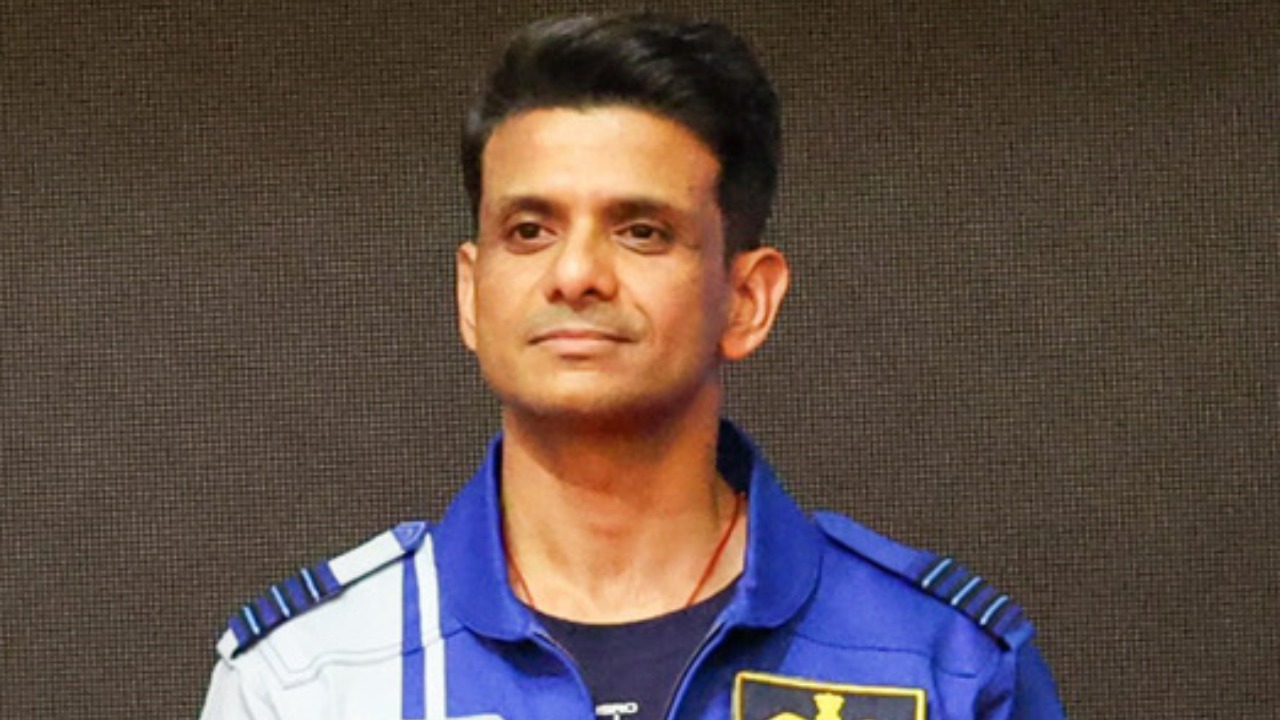
Shubhanshu Shukla’s arrival at the ISS marks a historic milestone as he becomes the first astronaut from ISRO to join the space station. This achievement is a testament to the growing capabilities and ambitions of India’s space program. Shukla’s presence on the ISS is not only a source of pride for India but also a significant step forward in strengthening international space cooperation. As reported by The Times of India, NASA chief Bill Nelson expressed his enthusiasm for Shukla’s arrival, highlighting its importance for fostering collaboration between NASA and ISRO.
Bill Nelson’s statements underscore the broader implications of Shukla’s mission, which serves as a bridge for future joint ventures between the two space agencies. This collaboration is expected to pave the way for more integrated missions and research initiatives, enhancing the scientific output and technological advancements achieved through international partnerships. The inclusion of ISRO in the ISS program exemplifies the expanding network of global cooperation in space exploration.
Shukla’s mission on the ISS involves participating in a range of scientific experiments that focus on microgravity research, which is vital for understanding the effects of long-duration space travel on the human body. His work will contribute to the development of countermeasures to protect astronauts’ health during extended missions. As reported by The Times of India, Shukla’s involvement in these experiments underscores the importance of international collaboration in tackling the challenges of human spaceflight, paving the way for more comprehensive research initiatives.
International Collaboration in Space Exploration
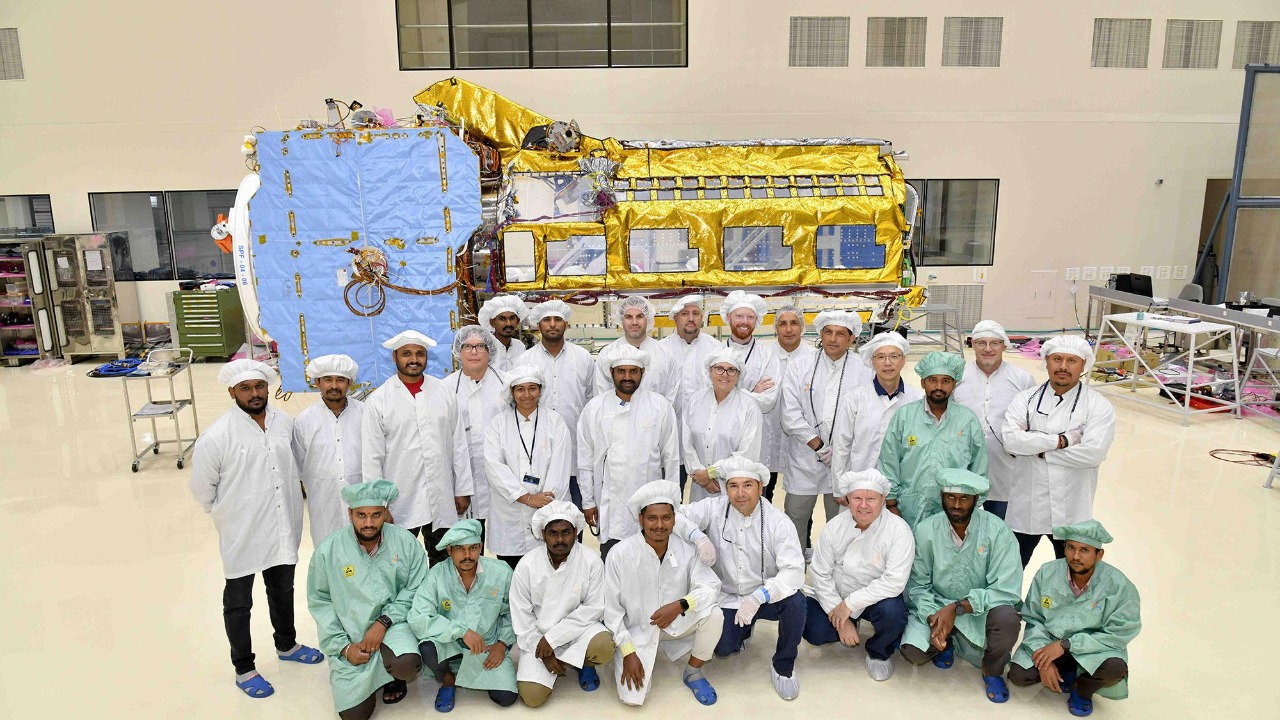
NASA’s efforts to enhance international partnerships are evident in events like the ISS tribute, which serve as platforms for showcasing the collaborative spirit of space exploration. By welcoming astronauts from diverse backgrounds, NASA reinforces its commitment to working with global partners to achieve common goals. The tribute event, as detailed by MSN, highlighted the contributions of various countries to the ISS program, emphasizing the shared vision of advancing human presence in space.
The role of ISRO and other international space agencies in joint missions and research on the ISS is crucial for the continued success of space exploration. As noted by The Times of India, these collaborations enable the pooling of resources, expertise, and technology, leading to more efficient and impactful scientific outcomes. The integration of diverse perspectives and capabilities enriches the research conducted on the ISS, ultimately benefiting humanity’s quest to explore the cosmos.
