NASA’s recent discovery of a new exoplanet has sparked excitement in the scientific community, not only for the planet itself but for a potential moon that might host life. This discovery could redefine our understanding of life in the universe, opening up new avenues for research and exploration.
The Discovery of the New Exoplanet
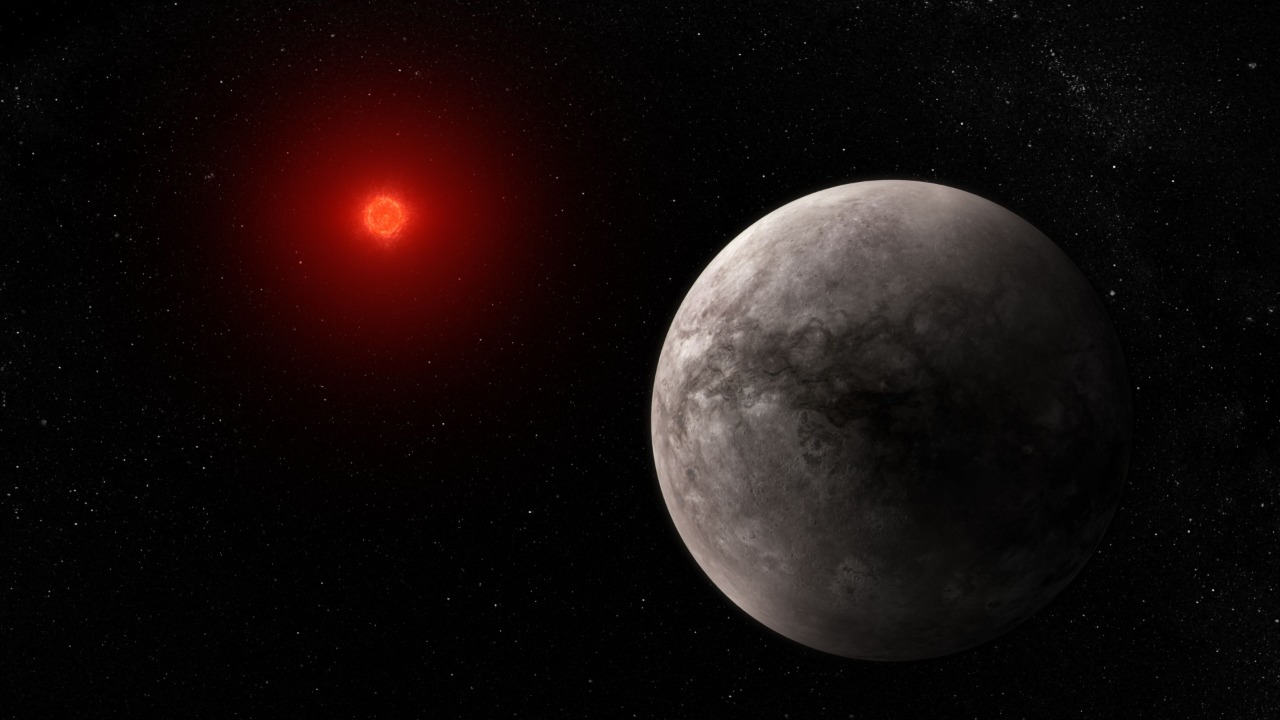
NASA has once again captured the world’s attention with the discovery of a new exoplanet located in the habitable zone of its parent star. This exoplanet, slightly larger than Earth, orbits a star situated approximately 300 light-years away. Its location in the habitable zone, often referred to as the “Goldilocks zone”, suggests that it could potentially sustain liquid water, a crucial ingredient for life as we know it.
The identification of this exoplanet was made possible through the use of advanced technology such as the Transit Photometry method. This technique involves observing the dimming of a star’s light as a planet passes in front of it. NASA’s Kepler Space Telescope and the Transiting Exoplanet Survey Satellite (TESS) played pivotal roles in this discovery. The exoplanet adds to the growing list of planets identified beyond our solar system, underscoring the significant advancements in our ability to detect these distant worlds.
In the broader context of exoplanetary research, this discovery is particularly significant. It not only adds to our catalog of known exoplanets but also challenges previous assumptions about the conditions necessary for life. With each new planet discovered, scientists gain more insight into the diverse range of planetary systems that exist, which in turn informs our understanding of the universe and our place within it.
The Potentially Habitable Moon
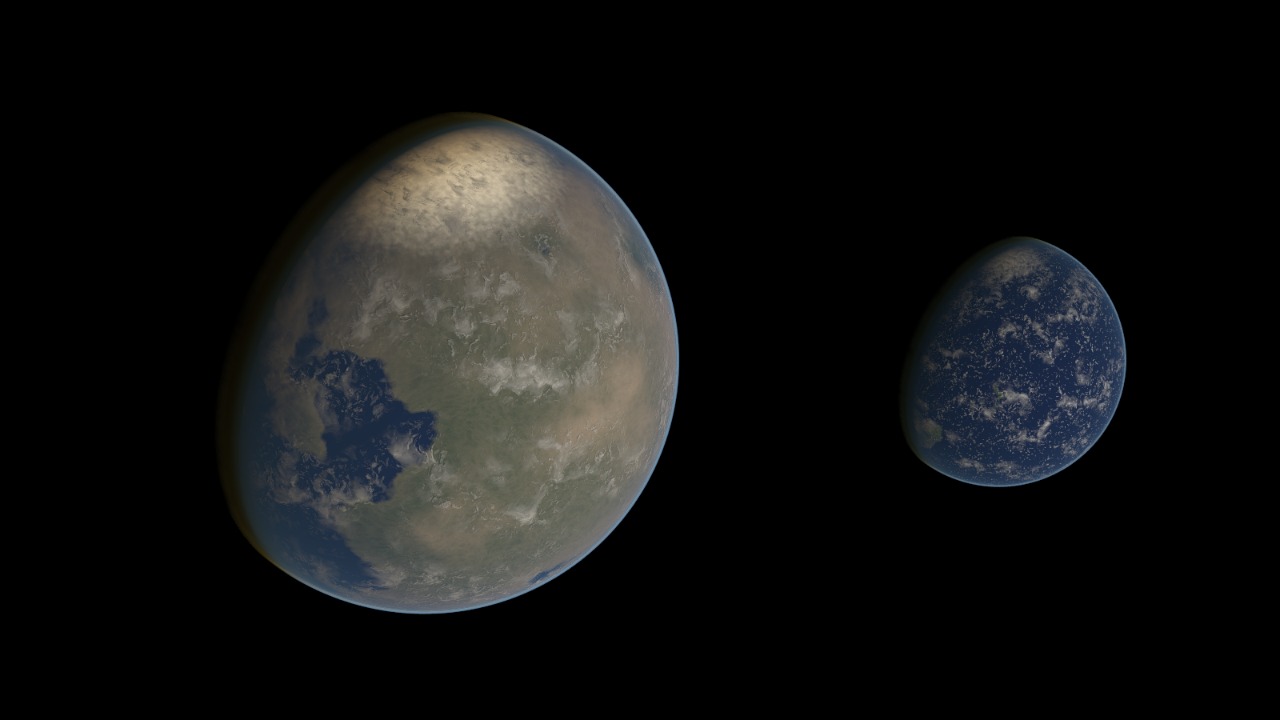
One of the most intriguing aspects of this discovery is the evidence suggesting the existence of a moon orbiting the new exoplanet. The moon, which has yet to be officially named, appears to possess several characteristics that make it a candidate for hosting life. Initial observations indicate that the moon could have a substantial atmosphere and a surface covered in water ice, both of which are key factors in the potential for habitability.
Scientists have drawn comparisons between this newly detected moon and Saturn’s moon Enceladus, which is already known for its potential to support life. Just as Enceladus has geysers that spew water vapor and organic compounds, it’s hypothesized that this new moon might have similar geothermal activity. These conditions could create an environment where basic life forms might thrive.
While the presence of a potentially habitable moon is exhilarating, it also raises numerous questions. Could life exist in forms that differ from our own terrestrial understanding? What biological processes might unfold in such a remote and extreme environment? These questions are at the forefront of current scientific inquiry, and the answers could reshape our conception of life beyond Earth.
Scientific Implications and Theories
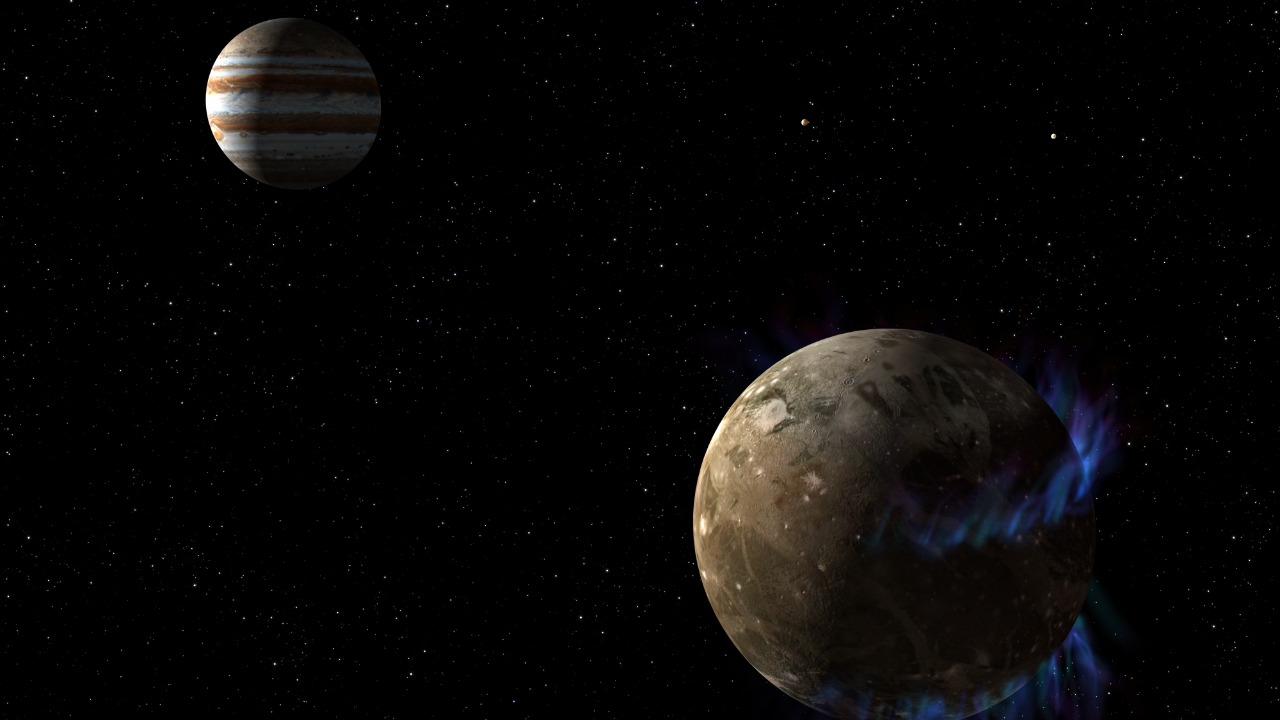
The potential habitability of this moon offers a fascinating opportunity to explore the fundamental drivers of life. Key to this discussion are life-sparking energy sources and molecules, which could provide the necessary conditions for life to emerge. Scientists are particularly interested in the presence of chemical compounds like hydrogen and carbon, which are integral to life as we understand it.
Current theories suggest that life could develop in such environments through processes similar to those observed in extremophiles on Earth. Extremophiles are organisms that thrive in conditions previously thought to be uninhabitable, such as deep-sea hydrothermal vents. The study of these organisms provides a framework for understanding how life might evolve on a distant moon with harsh conditions.
However, studying these distant celestial bodies presents considerable challenges. The vast distances involved make it difficult to obtain detailed data, and the limitations of current technology constrain our ability to conduct direct observations. Despite these obstacles, the potential for groundbreaking discoveries continues to drive scientific efforts to explore these remote worlds.
Technological Advancements and Future Missions

The discovery of this exoplanet and its moon is a testament to the remarkable advancements in telescopic and imaging technology. Instruments such as the James Webb Space Telescope, set to launch soon, promise to deliver even more detailed observations of distant planets and moons. These technologies are crucial in identifying potentially habitable environments and understanding their characteristics.
NASA is already planning future missions to study this exoplanetary system in greater detail. Proposed missions aim to deploy space probes capable of analyzing atmospheric composition and surface conditions. Such missions will require international collaboration and the development of new technologies to overcome the challenges of long-distance space travel.
The implications of this discovery extend far beyond the realm of scientific research. It fuels our curiosity and desire to explore the unknown, driving the ongoing search for extraterrestrial life. As we continue to push the boundaries of space exploration, each discovery brings us closer to answering the age-old question of whether we are alone in the universe.
Public and Scientific Community Reactions

The discovery of the new exoplanet and its potentially habitable moon has elicited enthusiastic reactions from the scientific community. Researchers are eager to analyze the data and explore the implications of this finding. Many see it as a pivotal moment in the search for life beyond Earth, with the potential to expand our understanding of planetary systems.
Public interest in the discovery has been equally pronounced, with widespread media coverage highlighting the excitement and wonder surrounding the find. The potential for life on another moon captures the imagination of people worldwide, sparking discussions about the nature of life and our place in the cosmos. This heightened interest also underscores the importance of science education and outreach in fostering a deeper understanding of our universe.
As the scientific community prepares for future research efforts, the potential for international collaboration looms large. Shared resources and expertise from across the globe will be essential in advancing our knowledge of the exoplanet and its moon. This collaborative spirit highlights the shared human endeavor of exploring the universe and seeking answers to the fundamental questions about life and existence.
