The Dream Chaser space plane, a collaborative project between NASA and Sierra Nevada Corporation, marks a new chapter in space exploration. Designed to transport cargo and crew to low Earth orbit, the completion of the Dream Chaser signifies a significant milestone in modern aerospace engineering and commercial space travel.
The Evolution of Space Planes
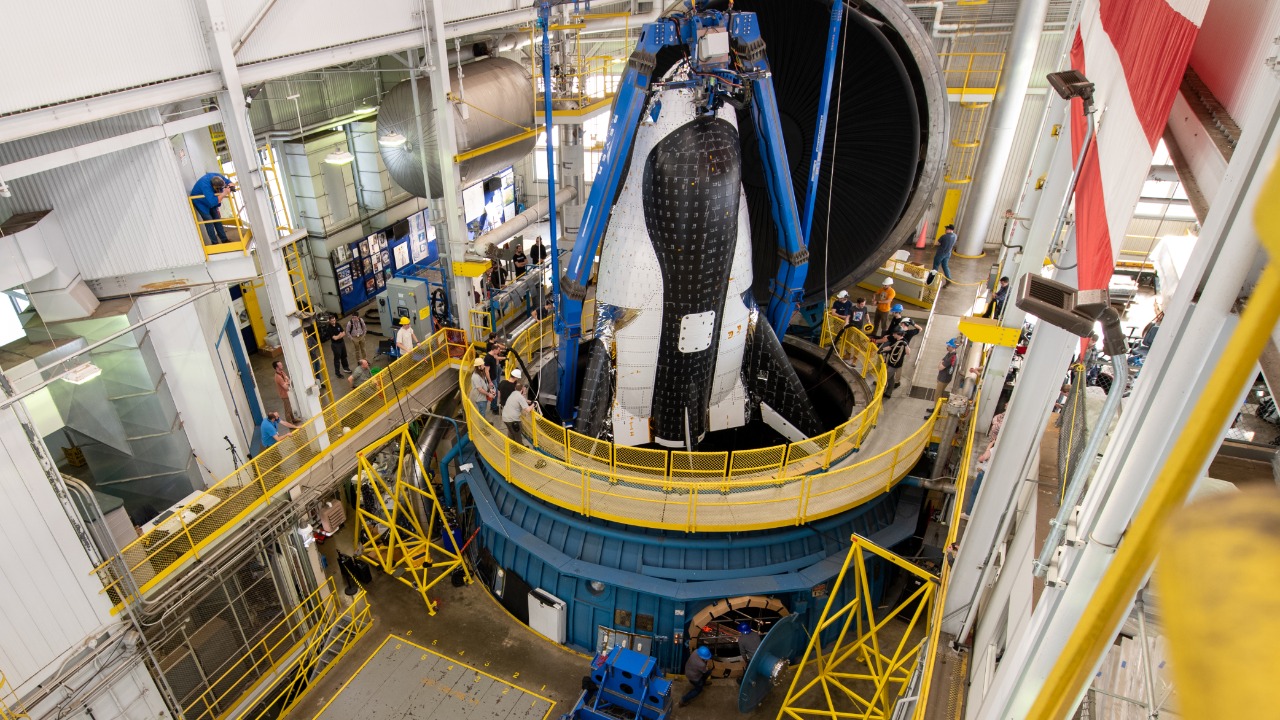
Space planes have long captured the imagination of scientists and the public alike, serving as a bridge between traditional aircraft and spacecraft. The development of the Dream Chaser is rooted in this rich history, drawing inspiration from past endeavors such as the Space Shuttle program. These early missions laid the groundwork by demonstrating the feasibility of reusable spacecraft, despite the challenges faced in terms of cost and technological hurdles.
Technological advancements have played a pivotal role in shaping the Dream Chaser’s design. Innovations in materials, such as lightweight composites, and cutting-edge propulsion systems have significantly improved efficiency and performance. These advancements are crucial in differentiating the Dream Chaser from its predecessors, allowing it to achieve greater flexibility in mission profiles. For more insights into these technological leaps, see how new generations of spaceplanes are leveraging technology.
The Dream Chaser sets itself apart from earlier models like the Space Shuttle by incorporating lessons learned from those missions. Unlike the Shuttle, which required extensive refurbishment after each flight, the Dream Chaser is designed for rapid turnaround, enhancing its cost-effectiveness and operational readiness. This evolution marks a significant step forward in the pursuit of sustainable space exploration.
Design and Capabilities of the Dream Chaser
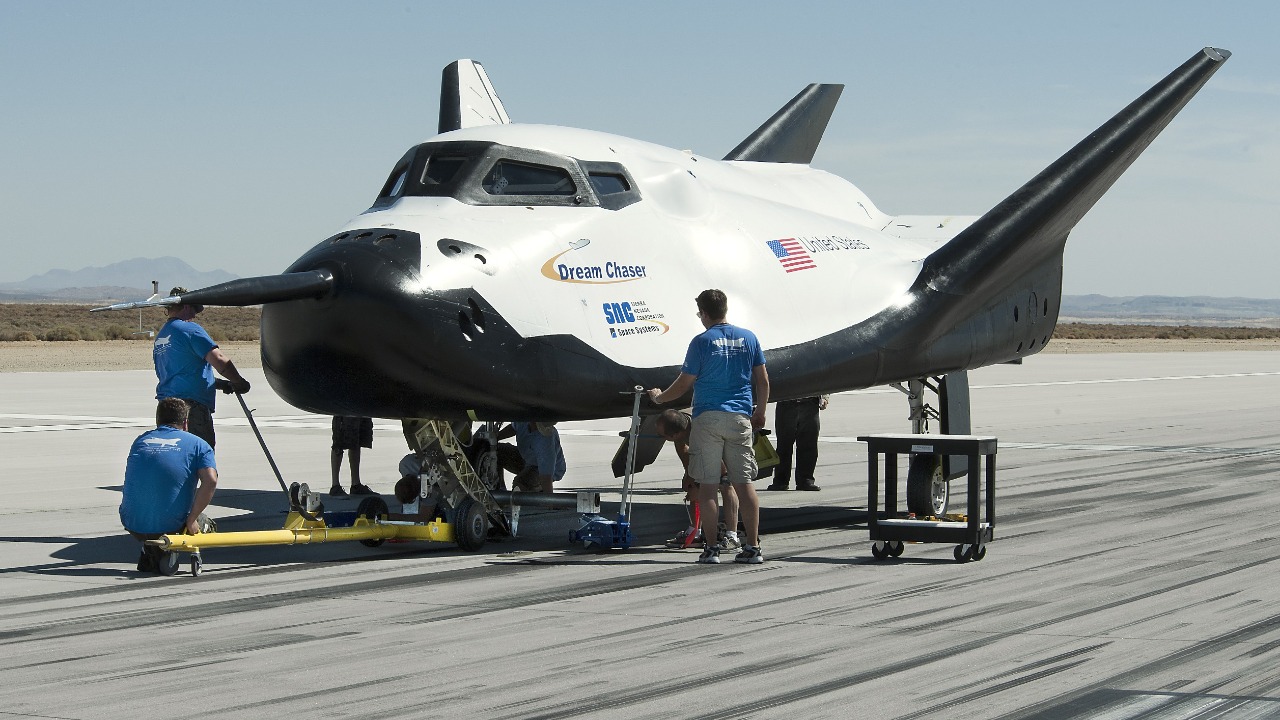
The Dream Chaser boasts several unique features that underscore its versatility and innovation. Its reusable design allows it to undertake multiple missions, reducing the overall cost of space travel. Additionally, the space plane’s adaptability enables it to perform a wide array of missions, from resupplying the International Space Station (ISS) to conducting scientific research in orbit. The Dream Chaser’s ability to land on conventional runways further enhances its operational flexibility, allowing it to touch down at various locations worldwide.
One of the Dream Chaser’s standout capabilities is its payload capacity. Designed to carry both cargo and crew, it meets NASA’s stringent requirements for current and future missions. The space plane’s compact size allows it to transport up to 5,500 kilograms of pressurized and unpressurized cargo, making it a vital asset for ongoing and planned ISS resupply missions. For a deeper dive into its payload capabilities, read more about previous test flights and assessments.
The Dream Chaser’s versatility extends to its potential mission profiles. In addition to ISS resupply, it is poised to play a role in future crewed missions, potentially even supporting lunar exploration initiatives. Its design allows for safe re-entry and landing, making it an ideal candidate for missions requiring the return of sensitive scientific specimens or equipment.
The Journey to Completion
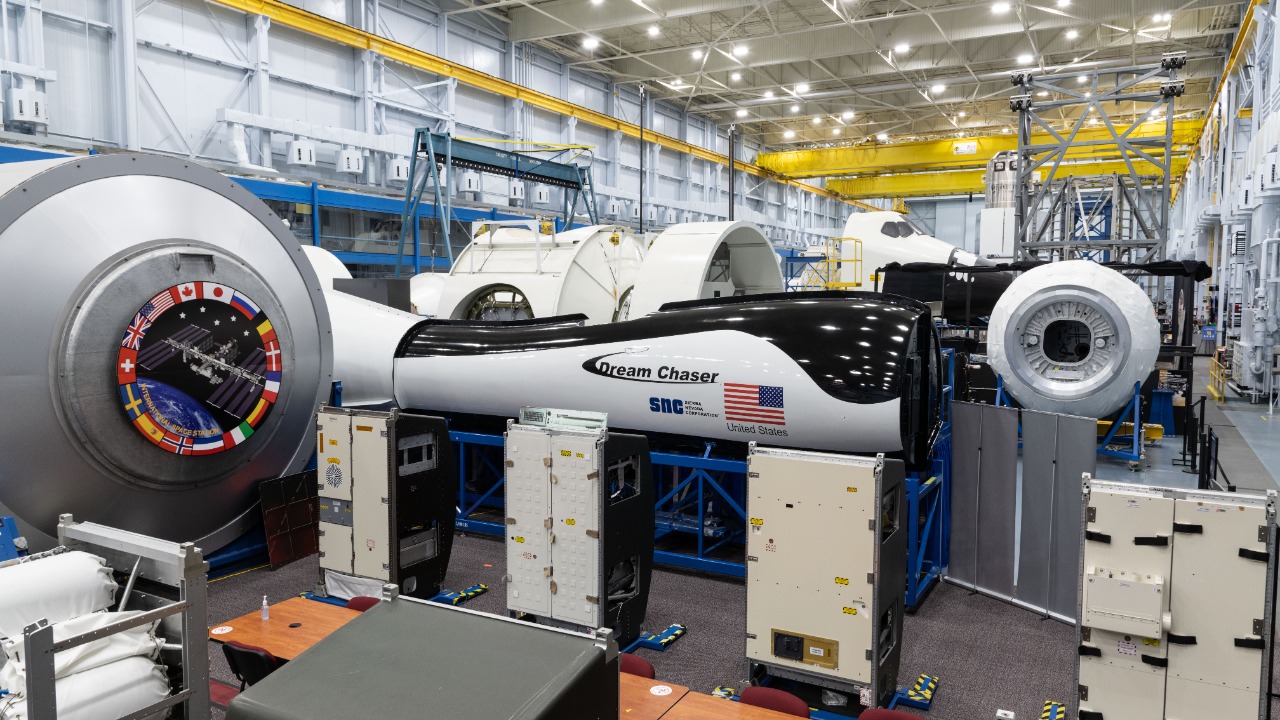
The development of the Dream Chaser has been a journey marked by significant milestones and challenges. From its initial concept to final assembly, the project has navigated a complex landscape of technical and bureaucratic hurdles. The timeline of its development is a testament to the dedication and collaboration between Sierra Nevada Corporation and NASA, with key breakthroughs in design and engineering paving the way for its completion.
Throughout its development, the Dream Chaser faced numerous challenges, including technical setbacks and delays. Overcoming these obstacles required innovative solutions and a commitment to advancing aerospace technology. The project’s ability to adapt and persevere underscores the importance of resilience in the face of adversity. Learn more about the hurdles faced by the Dream Chaser on Ars Technica’s coverage.
Central to the Dream Chaser’s success has been its partnership with NASA under the Commercial Crew Program. This collaboration highlights the significance of public-private partnerships in pushing the boundaries of space exploration. By leveraging the expertise of both parties, the Dream Chaser project exemplifies the potential for successful collaboration in achieving ambitious space exploration goals.
Implications for the Future of Space Exploration
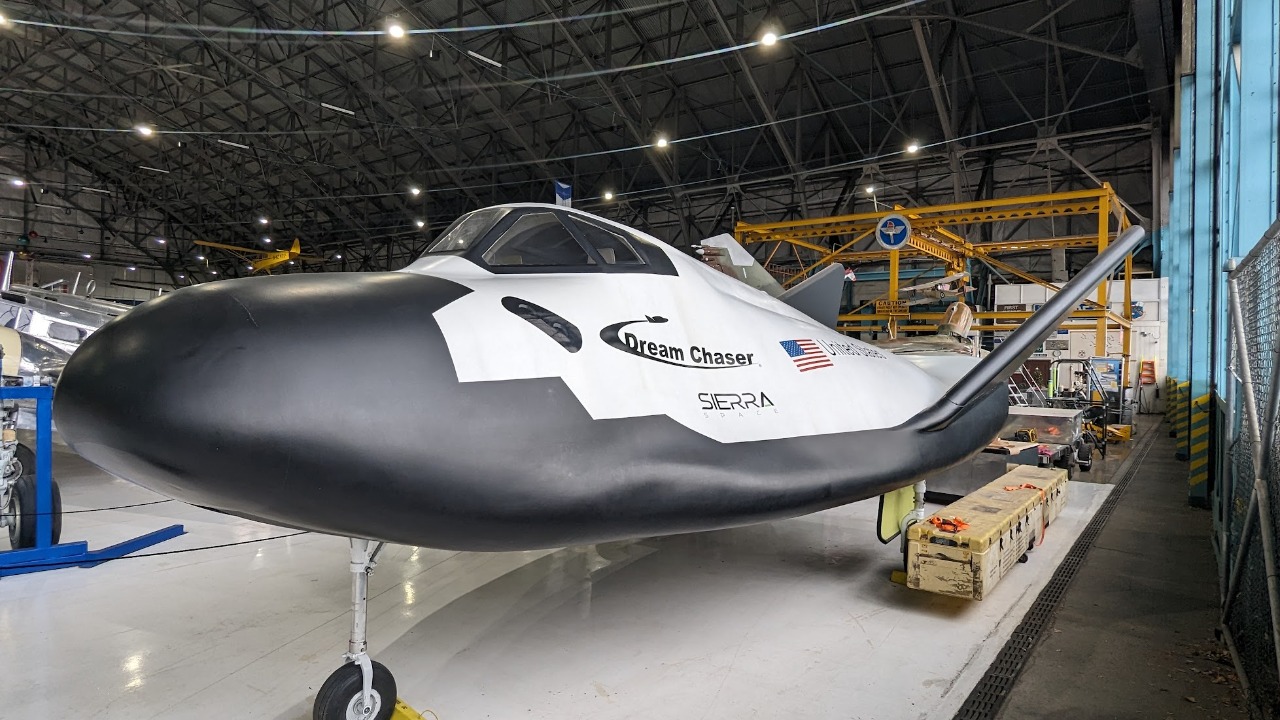
The Dream Chaser’s completion signals a promising future for commercial spaceflight opportunities. As the aerospace industry continues to evolve, the Dream Chaser is well-positioned to play a pivotal role in expanding commercial endeavors, including space tourism and research. Its reusable design and cost-efficient operations are likely to attract interest from a variety of sectors looking to explore the final frontier.
Beyond its commercial potential, the Dream Chaser also offers environmental benefits through its reusable nature. By reducing the need for single-use rockets, it contributes to a more sustainable approach to space travel. This shift towards reusability could have significant economic implications, driving down costs and making space exploration more accessible. For more details on the potential impacts, see this analysis of spaceplane tests on Popular Science.
The Dream Chaser’s completion aligns with a broader vision for the future of space exploration, one that embraces international collaboration and innovation. As countries and private companies continue to invest in space technology, the Dream Chaser stands as a testament to what can be achieved when resources and expertise are pooled towards a common goal.
Looking Ahead: The Launch and Beyond
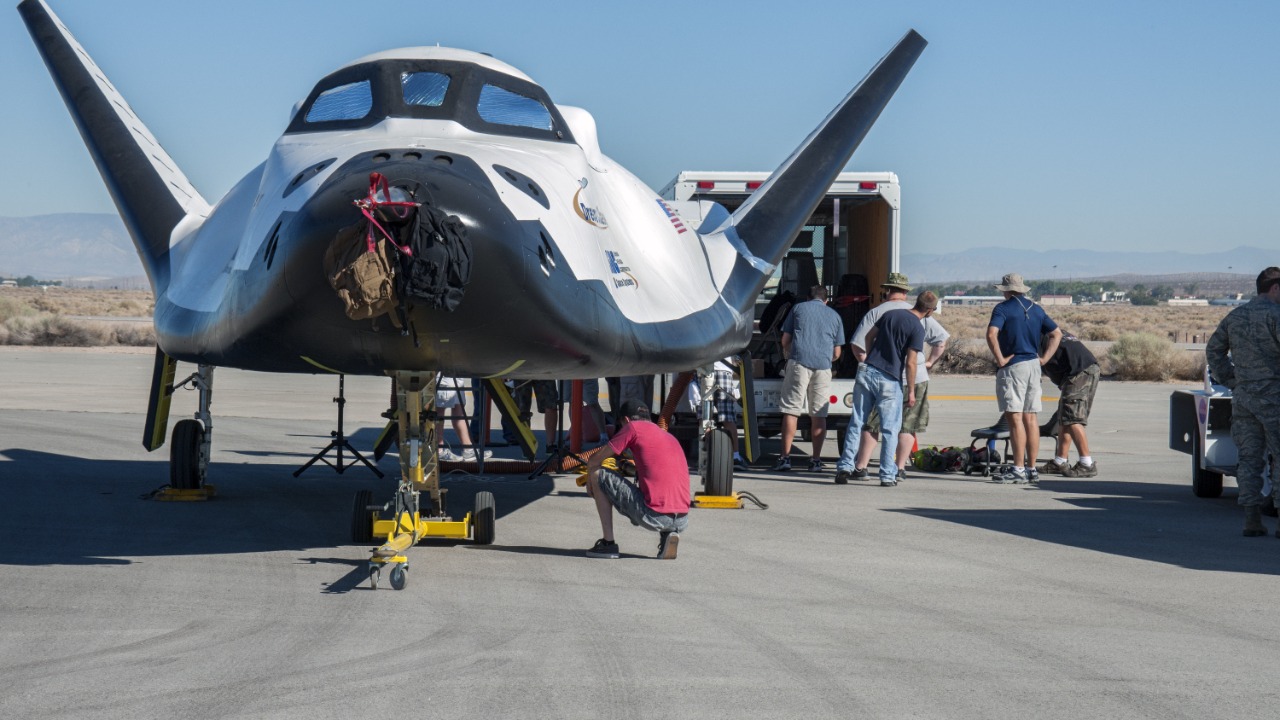
As the Dream Chaser nears its inaugural mission, anticipation builds for its upcoming launch. Preparations are underway to ensure a successful maiden voyage, with meticulous attention to detail in the countdown to launch. This mission will serve as a critical test of the space plane’s capabilities and pave the way for future operations.
Looking further ahead, the strategic goals for Dream Chaser missions in the coming years align with NASA’s long-term vision for space exploration. These missions will not only support the ISS but also contribute to broader objectives, such as lunar exploration and beyond. The Dream Chaser’s adaptability makes it an integral part of these plans, offering a versatile platform for a variety of mission types.
Speculation abounds regarding the potential expansion of the Dream Chaser fleet. As demand for space travel grows, additional space planes could be developed to meet the needs of future missions. This expansion would enhance the Dream Chaser’s role in space exploration, ensuring its place as a key player in the next era of human spaceflight. For further reading on the future of spaceplanes, explore this detailed analysis.
