NASA’s Perseverance Rover has potentially captured a remarkable event in the Martian sky: the passage of an interstellar object known as 3I/ATLAS. This object, recently confirmed by NASA as an interstellar visitor, shot through the solar system and was observed near Mars on the night of October 3, 2025. The sighting aligns with ongoing observations of its trajectory, marking a significant moment in our understanding of such celestial phenomena.
Background on the Interstellar Object
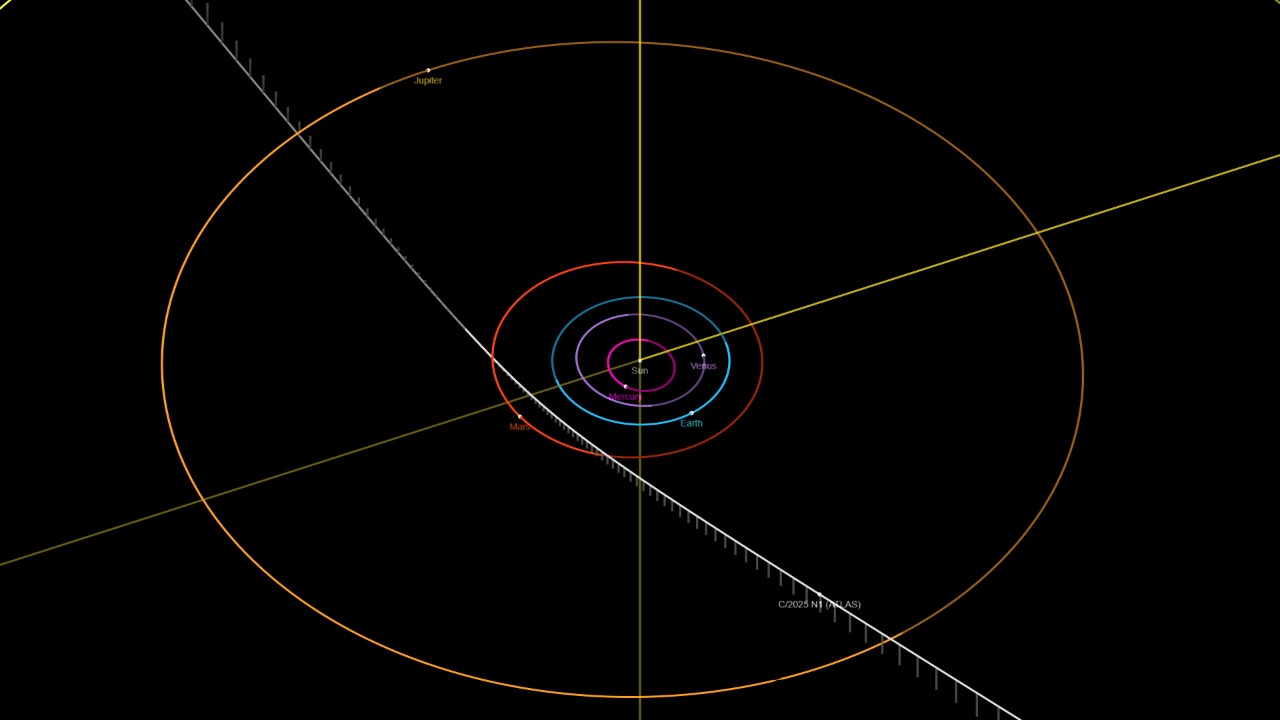
NASA officially confirmed the mysterious object as an ‘interstellar visitor’ on July 3, 2025. This designation highlights its origin from outside our solar system, a rare occurrence that has captured the attention of astronomers worldwide. The object, named 3I/ATLAS, was identified as an interstellar candidate heading toward the Sun, further emphasizing its unique trajectory and potential for scientific discovery (Live Science).
3I/ATLAS’s path brought it close to Mars, passing by the Red Planet on the night of October 3, 2025. This proximity provided a rare opportunity for observation and study, as interstellar objects are seldom seen so close to Earth or its neighboring planets. The object’s journey through the solar system has been closely monitored, with its passage near Mars serving as a critical point of interest for researchers (EarthSky).
The discovery of 3I/ATLAS as an interstellar object is a testament to the advancements in astronomical technology and observation techniques. Interstellar objects are believed to be remnants from other star systems, offering a glimpse into the diverse conditions and materials that exist beyond our solar neighborhood. The identification process involved detailed analysis of its speed and trajectory, which differed significantly from typical solar system objects, confirming its origin from outside our solar system. This discovery has sparked a renewed interest in the search for more interstellar visitors, as each one can provide unique insights into the formation and evolution of planetary systems across the galaxy.
3I/ATLAS’s journey through the solar system is not just a rare event but also a valuable opportunity for scientific inquiry. Its close approach to Mars allowed for unprecedented observation conditions, enabling scientists to gather data that might reveal the object’s composition and structure. Such information is crucial for developing models of interstellar objects and understanding their potential impact on solar system dynamics. The scientific community is particularly interested in whether these objects carry organic compounds or other materials that could shed light on the building blocks of life in the universe.
NASA’s Recent Sighting
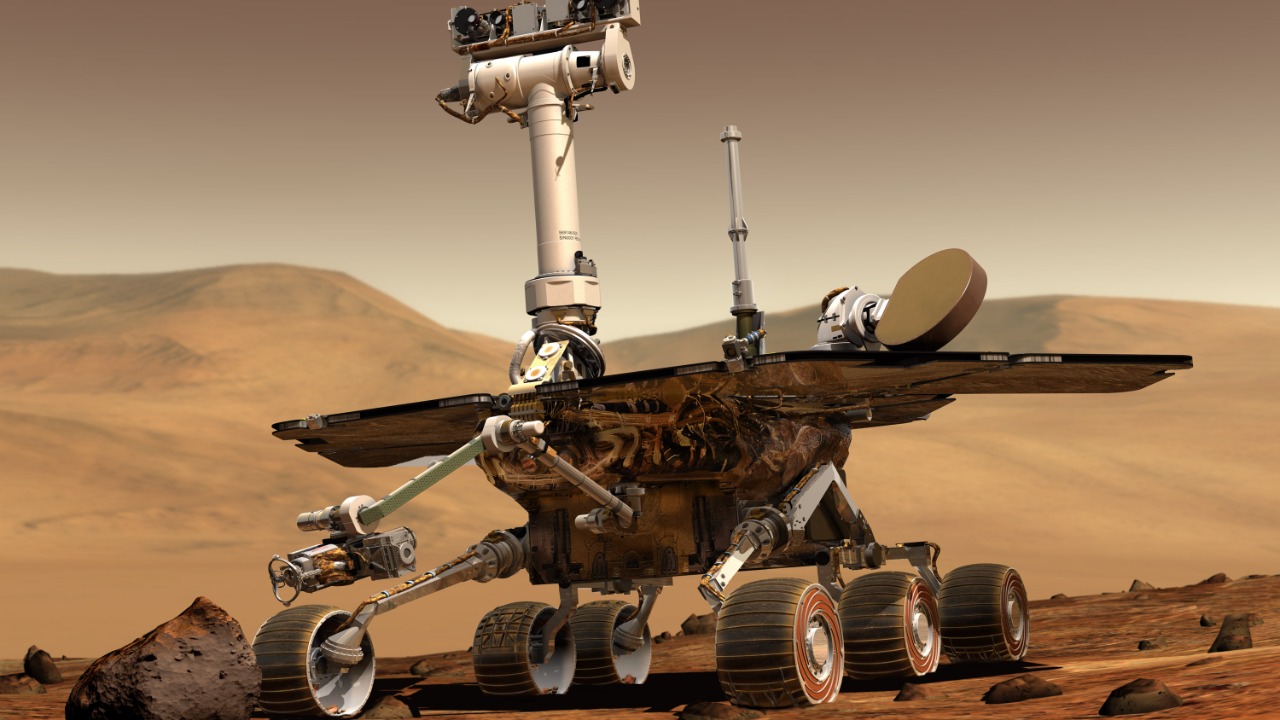
On October 7, 2025, NASA reported the sighting of this mysterious interstellar object in Mars’ sky, an event that has sparked excitement within the scientific community. The Perseverance Rover, stationed on Mars, may have observed this celestial visitor, capturing data that could provide insights into its composition and origin. This observation marks a significant achievement in planetary exploration and the study of interstellar phenomena (Daily Galaxy).
The potential observation by the Perseverance Rover underscores the importance of having advanced technology on Mars capable of capturing such fleeting events. As the object passed close to Mars, the rover’s instruments may have recorded valuable information that could help scientists understand more about interstellar objects and their journeys through our solar system (SSB Crack).
The Perseverance Rover’s potential observation of 3I/ATLAS is a remarkable achievement, showcasing the rover’s advanced capabilities in planetary exploration. Equipped with state-of-the-art cameras and spectrometers, Perseverance is designed to capture high-resolution images and analyze the chemical composition of celestial objects. This capability is crucial for studying interstellar visitors, as it allows scientists to gather detailed data on their physical and chemical properties. The rover’s instruments could potentially detect elements or isotopes that are not commonly found in our solar system, providing clues about the processes that occur in distant star systems.
The excitement surrounding this sighting is also due to the collaborative efforts of international space agencies and observatories that have been tracking 3I/ATLAS. By combining data from various sources, scientists can create a comprehensive picture of the object’s trajectory and characteristics. This collaboration highlights the global nature of space exploration and the shared interest in understanding the universe beyond our immediate cosmic environment. The data collected by Perseverance and other observatories will be analyzed over the coming months, potentially leading to new discoveries about the nature of interstellar travel and the objects that undertake such journeys.
Scientific Significance and Naming
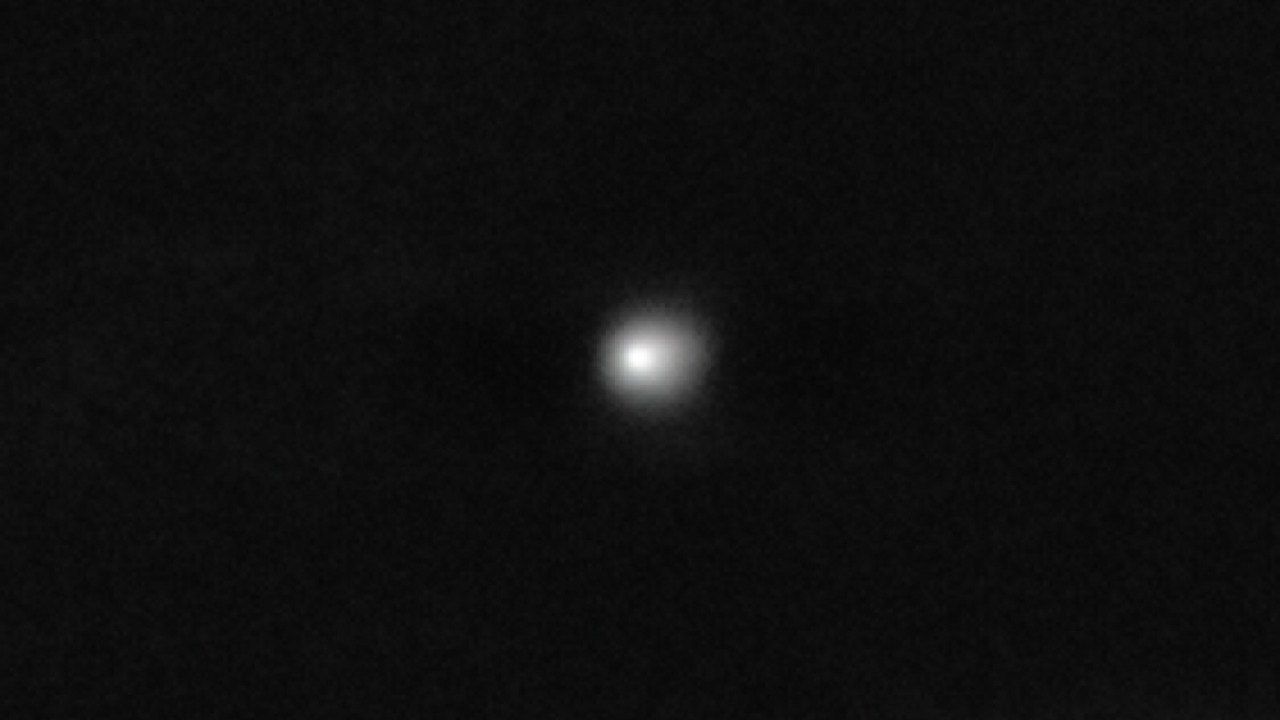
The interstellar visitor has been assigned a new name by NASA, reflecting its status as a solar system intruder. This naming is part of the broader effort to categorize and study such objects, which are rare and offer unique opportunities for scientific research. As the third confirmed interstellar object, 3I/ATLAS provides a valuable case study for understanding the dynamics of objects originating from beyond our solar system (Live Science).
The trajectory of 3I/ATLAS, which brought it near Mars, highlights the potential for future studies of interstellar visitors. These objects can offer insights into the conditions and materials present in other parts of the galaxy, making their study a priority for astronomers and planetary scientists. The rarity of such events further underscores the importance of capturing and analyzing data whenever possible (Daily Galaxy).
Observations and Trajectory Details

The passage of 3I/ATLAS by Mars on or around October 3, 2025, was a significant event in the ongoing study of interstellar objects. As an interstellar candidate, its journey through the solar system has been closely tracked, providing valuable data on its trajectory and behavior. This tracking is essential for understanding the movement and impact of such objects within our solar system (EarthSky).
The Perseverance Rover’s role in potentially capturing imagery or data of the object in Mars’ sky highlights the importance of having advanced observational tools on other planets. These tools enable scientists to gather critical information about interstellar visitors, contributing to our broader understanding of the universe. NASA’s efforts to track and study the path of 3I/ATLAS as a confirmed interstellar visitor demonstrate the agency’s commitment to exploring and understanding the cosmos (SSB Crack).
