NASA has recently detected a peculiar light emanating from the asteroid belt, sparking intrigue and speculation within the scientific community. This unexpected discovery has led to various hypotheses about the nature and origin of the light, prompting further investigation and exploration. The potential causes and implications of this mysterious phenomenon are both fascinating and complex.
The Unusual Discovery
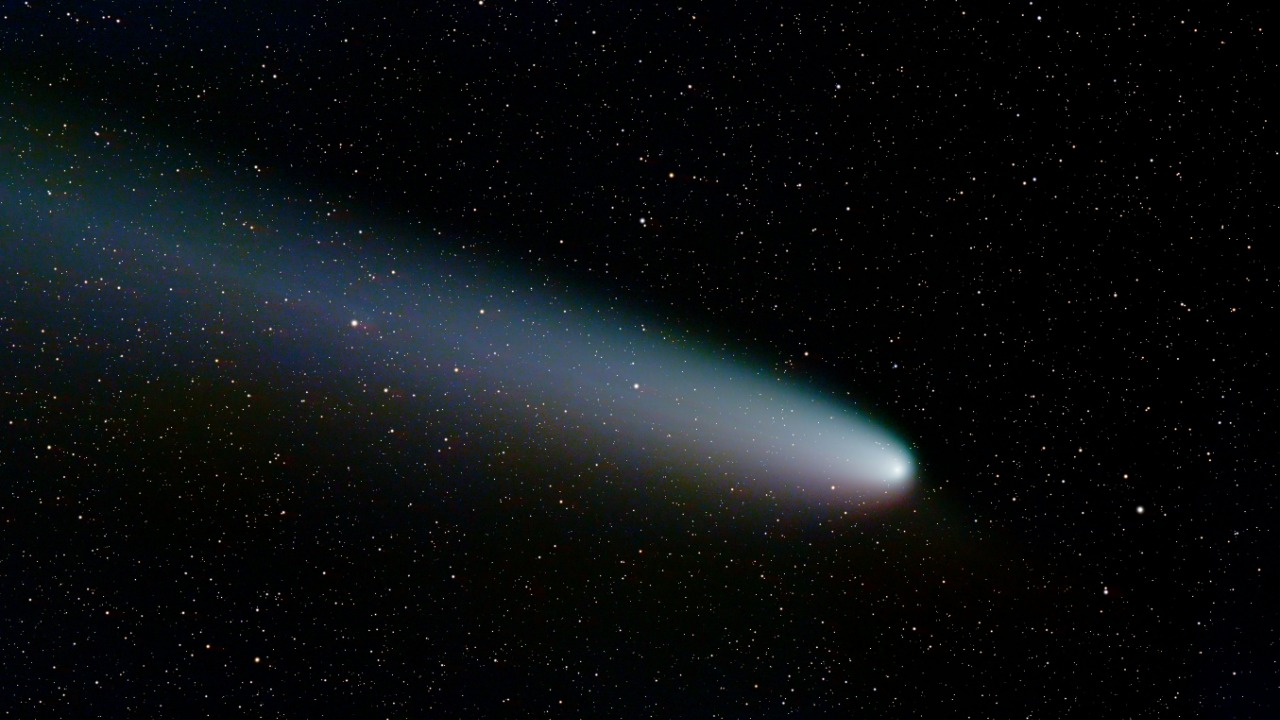
The light detected from the asteroid belt is characterized by its unusual intensity and the variations in its brightness. Observations indicate that the light fluctuates in a manner not typically associated with known celestial phenomena. This has led scientists to consider a range of possibilities, from natural reflections to more exotic explanations.
NASA’s detection of this light was made possible through the use of advanced sensors and telescopes. These instruments, designed to capture and analyze faint signals from distant objects, played a crucial role in identifying the anomaly. The precision and sensitivity of these technologies allow for the detailed study of such phenomena, providing valuable data for further analysis.
The initial reactions from the scientific community and the public have been a mix of excitement and skepticism. While some researchers propose conventional explanations, others are open to more speculative theories. The public’s interest has been piqued, with discussions ranging from scientific forums to social media platforms, reflecting a wide array of interpretations and expectations.
Possible Explanations

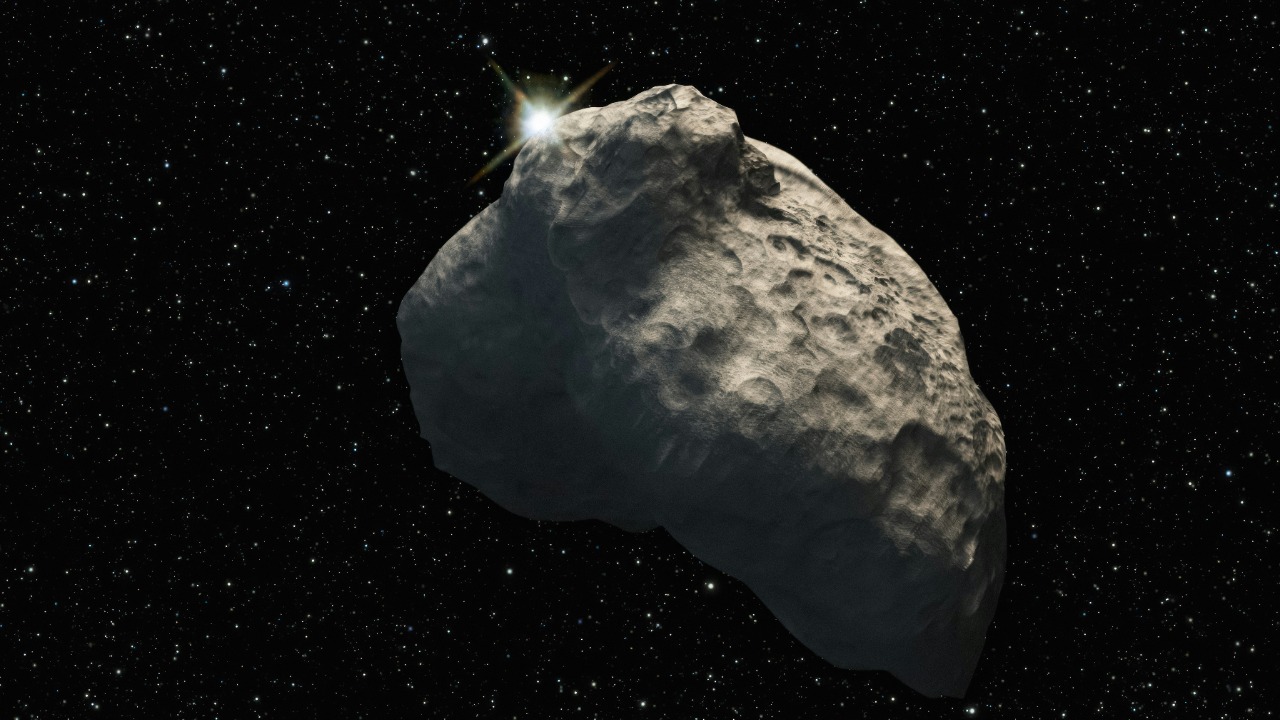
One of the primary natural explanations for the light is the reflection from ice or metallic surfaces on asteroids. These materials can reflect sunlight in unusual ways, creating the appearance of a mysterious glow. Such reflections are not unprecedented, as similar phenomena have been observed in other parts of the solar system.
Astrophysical anomalies, such as gravitational lensing or interactions with cosmic rays, offer another potential explanation. Gravitational lensing, for instance, occurs when a massive object bends the light from a more distant source, potentially creating unexpected visual effects. Similarly, cosmic rays interacting with asteroid surfaces could produce unusual light emissions.
Extraterrestrial theories, while more speculative, cannot be entirely dismissed. The possibility that the light is artificial, perhaps originating from alien technology or probes, has been considered. This idea draws parallels with past discussions about interstellar objects, such as the recent detection of a new interstellar visitor to our solar system, which some have speculated could be an alien probe.
Historical Context and Comparisons
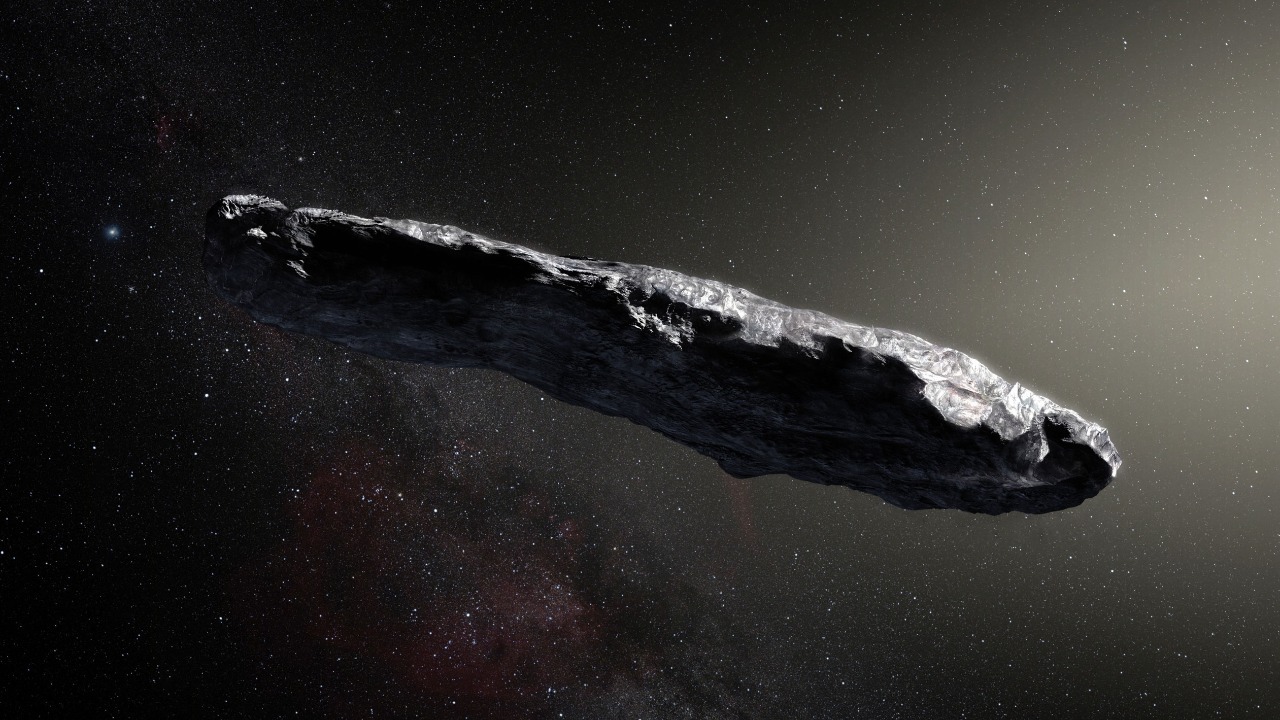
Unusual detections in space are not new. Previous instances, such as the discovery of ‘Oumuamua and the 3I/ATLAS comet, have sparked similar debates and investigations. These objects, with their unique trajectories and characteristics, have challenged existing models and prompted new theories about interstellar visitors.
Comparisons to 3I/ATLAS and ‘Oumuamua highlight the ongoing challenges in interpreting such phenomena. Both objects have been subjects of intense scrutiny, with discussions about their origins and potential artificial nature. These cases provide valuable lessons for understanding the current discovery and its implications.
The impact of these findings on scientific models is significant. They challenge our understanding of the solar system and the behavior of interstellar objects. As new data emerges, scientists must continually refine their models to accommodate these unexpected discoveries, enhancing our knowledge of the cosmos.
Implications for Future Research
The role of advanced detection technology in making such discoveries cannot be overstated. Recent advancements have enabled scientists to observe phenomena that were previously undetectable. As technology continues to evolve, we can expect even more detailed observations and insights into the mysteries of space.
Ongoing missions and studies focused on the asteroid belt are likely to provide additional insights into this discovery. These missions, equipped with state-of-the-art instruments, aim to explore the composition and behavior of asteroids, potentially shedding light on the source of the mysterious glow. The findings could also inform future missions and research initiatives.
The broader scientific significance of this discovery extends beyond the immediate questions it raises. It underscores the dynamic and ever-changing nature of our solar system, highlighting the potential for finding extraterrestrial life. Such discoveries inspire curiosity and drive the pursuit of knowledge, pushing the boundaries of what we know about the universe.
Public and Scientific Reaction
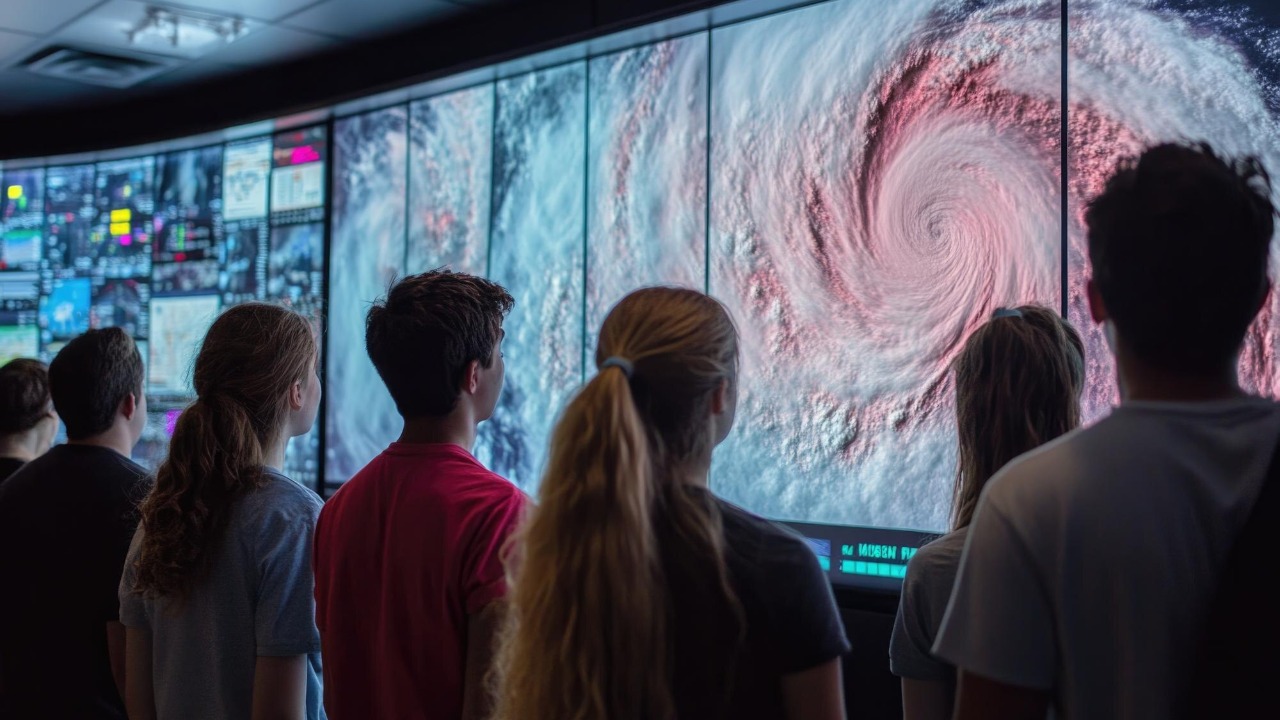
The discovery has garnered significant media coverage, capturing the public’s imagination and sparking interest in space exploration. Reports have highlighted the mystery and potential implications of the light, contributing to a broader conversation about the future of space research and the search for extraterrestrial life.
Within the scientific community, the debate continues as researchers analyze the data and propose various interpretations. The discussion reflects the diversity of thought and expertise in the field, with scientists from different disciplines contributing their perspectives. This collaborative effort is essential for advancing our understanding of such complex phenomena.
Ultimately, discoveries like this one have the power to inspire future generations. They encourage young scientists and researchers to explore the unknown, fostering a sense of wonder and curiosity about the universe. As we continue to explore the cosmos, these moments of discovery will shape the direction of space exploration and research initiatives for years to come.
