In a recent development, NASA has identified a colossal structure breaking through the atmosphere of Mars. This discovery has sparked a flurry of speculation about the structure’s origin and purpose. Interestingly, this follows the earlier detection of peculiar “honeycomb” and “waffle” patterns on Martian rocks by NASA’s Curiosity Rover.
Unusual Patterns Spotted on Martian Rocks
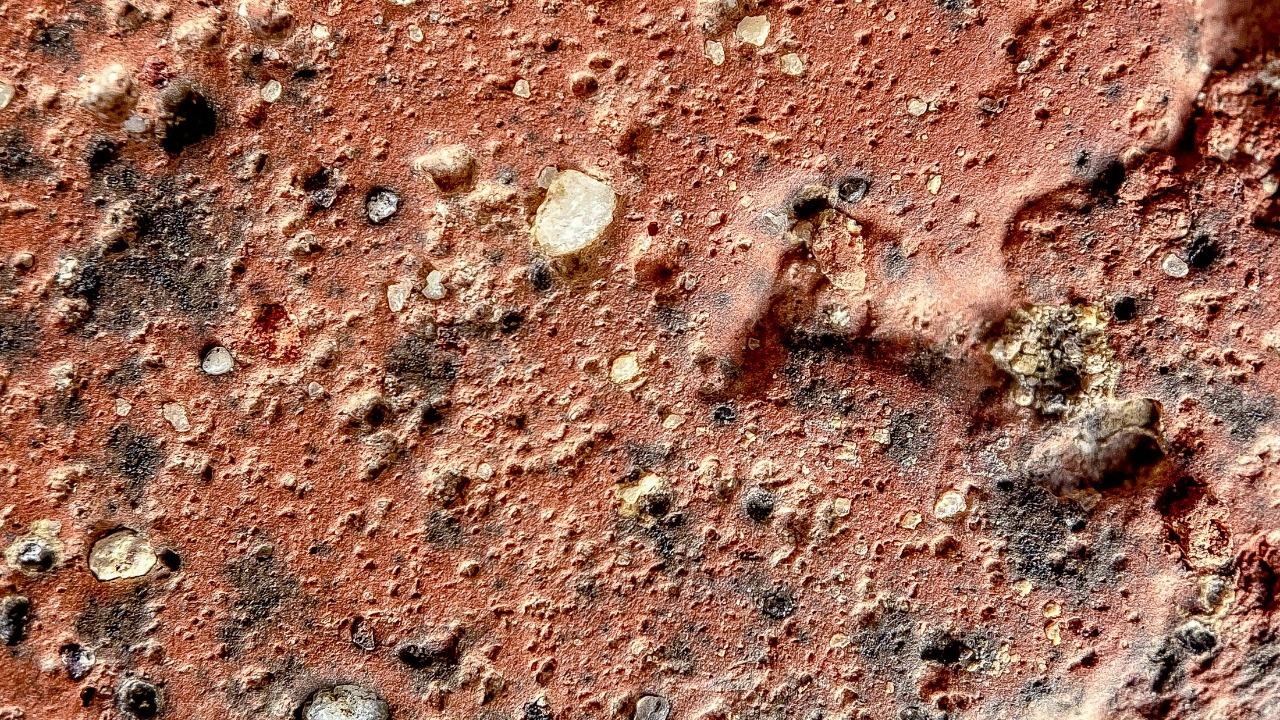
NASA’s Curiosity Rover, while exploring the Martian terrain, noticed some intriguing patterns on the rocks. These patterns, resembling “honeycomb” and “waffle” structures, were unlike anything previously observed on the Red Planet. The source of these patterns and their significance remains a mystery, adding another layer of intrigue to our understanding of Mars. (source)
These patterns could potentially be related to the giant structure that was recently spotted breaking through Mars’ atmosphere. However, without more data, it’s difficult to draw definitive conclusions. The discovery of these patterns and the mysterious structure has certainly piqued the interest of scientists and space enthusiasts alike.
According to the source, the Curiosity Rover has been equipped with a variety of scientific instruments designed to analyze the Martian surface. These tools have allowed it to identify these unusual patterns, which are not only visually striking but also potentially indicative of geological processes that are yet to be understood. The ‘honeycomb’ and ‘waffle’ patterns could be the result of weathering, mineral deposits, or even biological activity.
Furthermore, the discovery of these patterns has prompted scientists to reevaluate previous data collected from Mars. There is a possibility that similar patterns may have been overlooked in the past, and this new finding could lead to a more thorough examination of existing data. The patterns could also serve as a guide for future Mars rovers, directing them to areas of interest for further study.
Mysterious Giant Structure
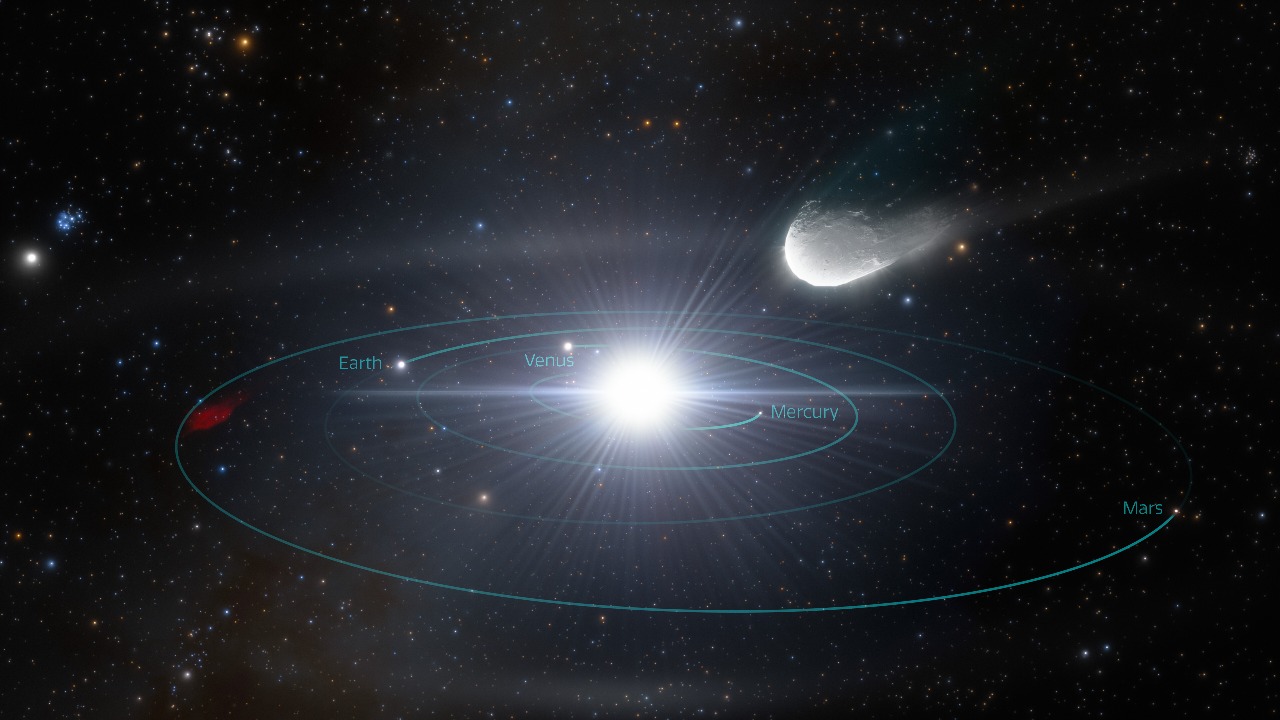
The giant structure breaking through Mars’ atmosphere is a sight to behold. Its size and the fact that it’s breaking through the atmosphere makes it a unique phenomenon. Theories about its origin and purpose are varied, with some suggesting it could be an interstellar object. (source)
Given the interstellar nature of this structure, it’s possible that it originated from outside our solar system. This theory, if proven, could have significant implications for our understanding of the universe and the potential existence of extraterrestrial life.
As per the source, the giant structure’s interstellar nature suggests that it may be composed of materials not found in our solar system. This could provide scientists with a unique opportunity to study extraterrestrial matter without leaving Earth. The structure’s trajectory and speed could also provide valuable information about the gravitational forces at play in the universe.
Additionally, the structure’s emergence from Mars’ atmosphere could offer insights into the planet’s atmospheric conditions. The way the structure interacts with the atmosphere could reveal information about Mars’ atmospheric density, composition, and other properties. This could be crucial for future Mars missions, particularly those involving human exploration.
Previous Interstellar Visitors
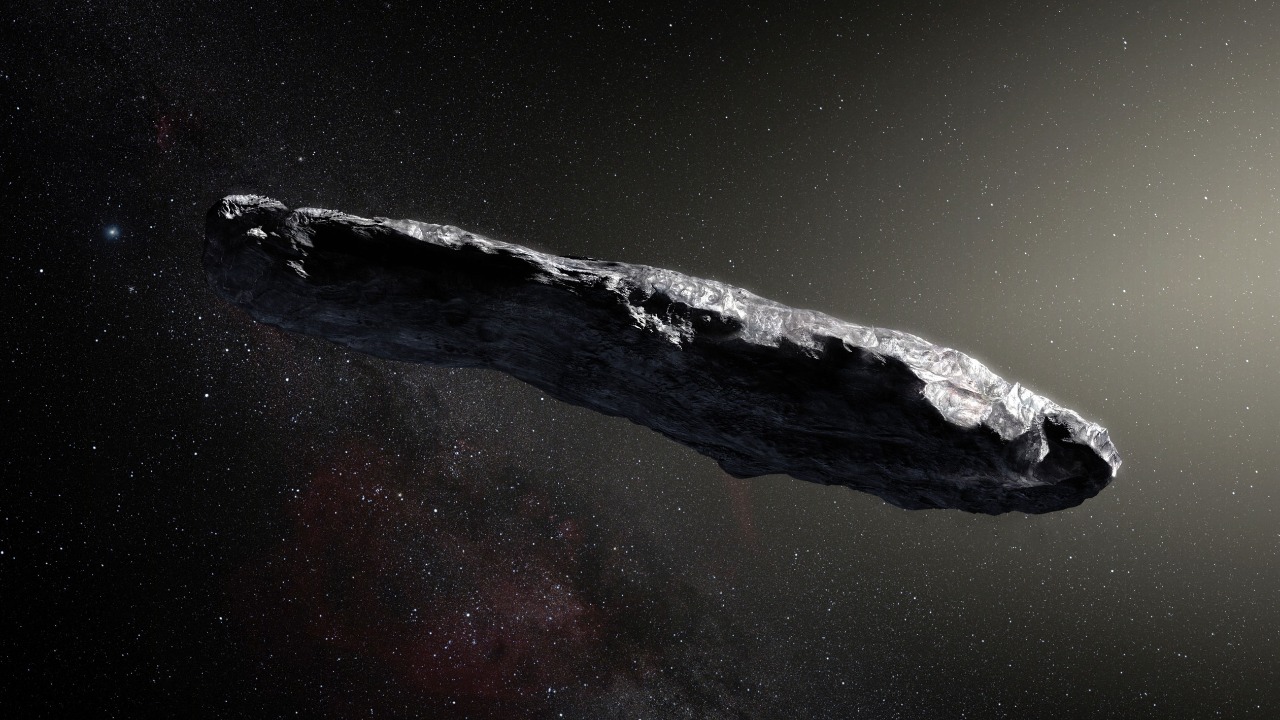
NASA has previously confirmed the presence of a mysterious object shooting through the solar system, which was identified as an ‘interstellar visitor’. This object, like the giant structure on Mars, was believed to have originated from outside our solar system. (source)
Comparing the current giant structure with previous interstellar visitors could provide valuable insights. Understanding the similarities and differences between these objects could help scientists develop more accurate theories about their origins and purposes.
According to the source, the previous interstellar visitor, named ‘Oumuamua, was a cigar-shaped object that traveled through our solar system at a high speed. Its unusual shape and trajectory led to speculation about its origin, with some scientists suggesting it could be an artificial object. While this theory remains unproven, ‘Oumuamua’s visit has certainly expanded our understanding of interstellar objects.
Another interstellar visitor, named 2I/Borisov, was discovered in 2019. Unlike ‘Oumuamua, 2I/Borisov was clearly identified as a comet, with a visible coma and tail. These two visitors, despite their differences, have both contributed to our knowledge of the universe beyond our solar system. They have shown that interstellar objects can be diverse in nature, and that our solar system is not isolated from the rest of the universe.
Implications for Future Space Exploration
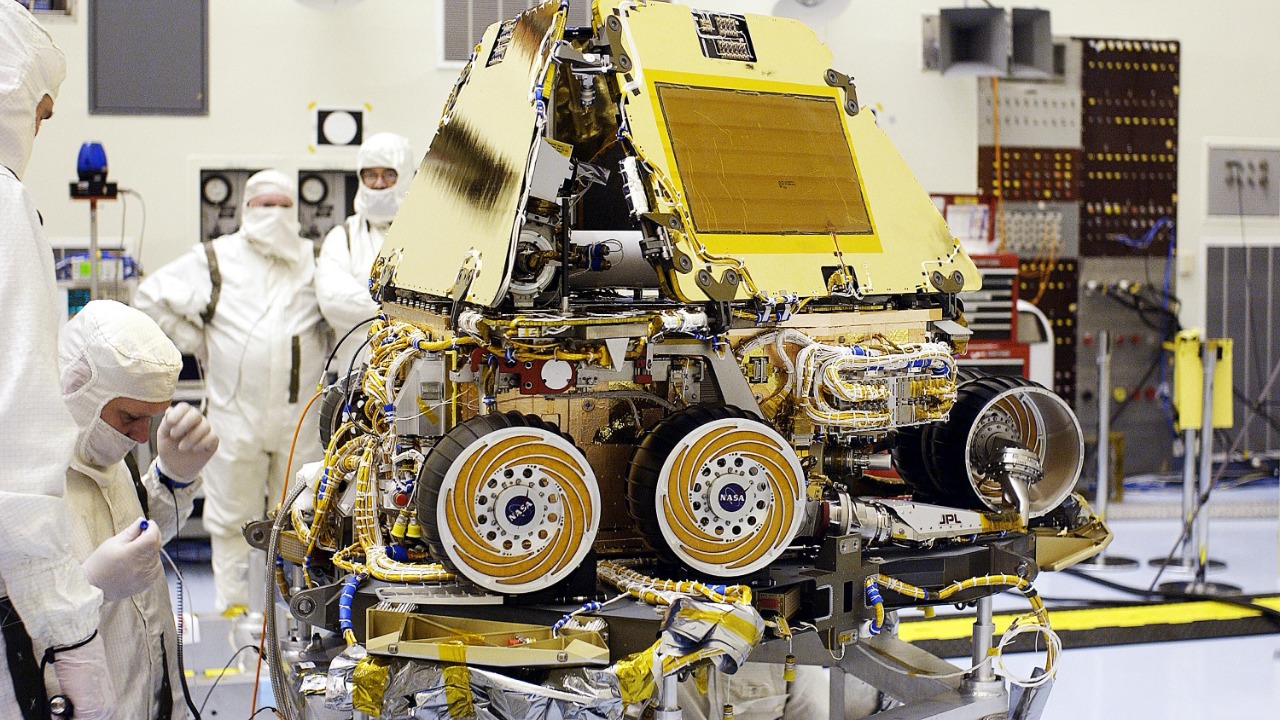
The discovery of the giant structure and the unusual patterns on Martian rocks could have significant implications for future Mars exploration missions. These findings could influence the planning and execution of these missions, potentially leading to new strategies and objectives.
Moreover, these discoveries could reshape our understanding of interstellar objects and phenomena. They could provide valuable insights into the nature of the universe and potentially even the existence of extraterrestrial life. As we continue to explore the cosmos, each new discovery brings us one step closer to answering some of the most fundamental questions about our universe.
The source suggests that the discovery of the giant structure and the unusual patterns on Martian rocks could lead to a shift in the focus of future Mars missions. Instead of primarily searching for signs of water and life, missions could also aim to study these phenomena in detail. This could involve collecting samples, taking high-resolution images, and performing in-depth analyzes to understand their composition and origin.
Furthermore, these discoveries could inspire the development of new technologies and methodologies for space exploration. For instance, new instruments could be designed to detect and analyze similar patterns or structures. Additionally, the interstellar nature of the giant structure could motivate the pursuit of interstellar travel, pushing the boundaries of human exploration beyond our solar system.
