NASA has confirmed a new world record for the longest lightning strike ever recorded, a staggering 477-mile-long event known as a “megaflash.” This remarkable phenomenon was captured by NOAA satellites, showcasing the incredible power and reach of nature’s electrical displays.
The Phenomenon of Megaflashes
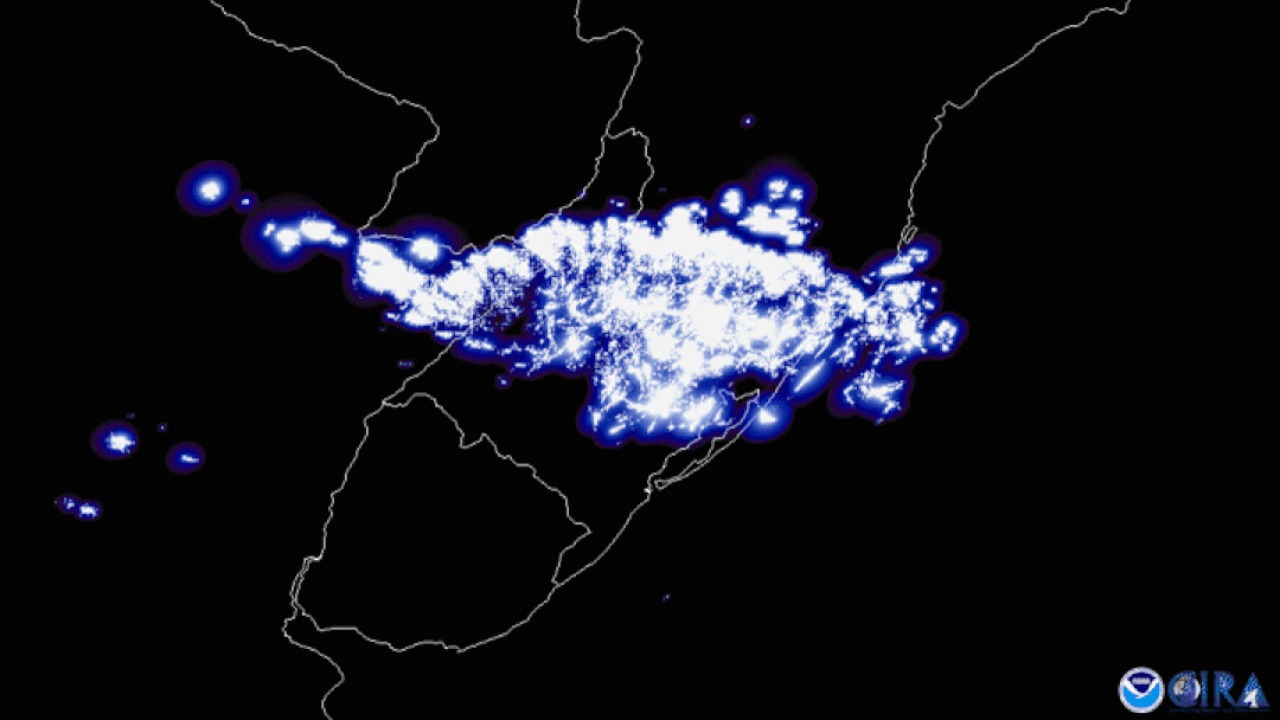
Megaflashes are extreme forms of lightning that span extraordinary distances across the sky, far exceeding the length of typical lightning strikes. A standard lightning bolt stretches less than 10 miles on average, while megaflashes can extend for hundreds of miles. They are primarily horizontal lightning discharges that occur within extensive thunderstorm complexes, spreading out rather than striking down to the ground.
The concept of megaflashes entered the scientific lexicon as technology improved, allowing scientists to observe and measure these enormous electrical events. Before the advent of advanced satellite technology, such occurrences were often underestimated or mischaracterized due to the limitations of ground-based observation. The significance of studying megaflashes lies in their ability to provide insights into atmospheric electricity and storm dynamics, offering clues about the energy and processes involved in large-scale weather phenomena.
Details of the Record-Breaking Lightning Strike
The recent record-breaking megaflash, which spanned an astonishing 477 miles, was detected by NOAA’s Geostationary Lightning Mapper (GLM) on February 22, 2022. This exceptional lightning event occurred over the southern United States, stretching from Texas to Mississippi. Such a long-distance electrical discharge is a testament to the powerful atmospheric conditions that can give rise to megaflashes.
NOAA satellites have played a crucial role in capturing and confirming this record-breaking event. Equipped with sophisticated sensors, they provide continuous monitoring of lightning activity across the globe, enabling the detection of extensive lightning discharges that might otherwise go unnoticed. The previous record was a 440-mile-long megaflash documented in South America in 2018. The new record surpasses it by 37 miles, underscoring the extraordinary nature of this atmospheric phenomenon.
Technological Advances in Lightning Detection
The advent of satellite technology has revolutionized the observation and measurement of lightning. Instruments like the Geostationary Lightning Mapper (GLM) onboard NOAA’s satellites provide comprehensive coverage of lightning activity, capturing both the intensity and extent of lightning strikes. This advancement allows for a better understanding of the frequency and distribution of lightning events, contributing to improved weather forecasting and storm tracking.
In addition to satellite technology, enhancements in data collection and analysis techniques have furthered our understanding of lightning phenomena. High-speed cameras, radio frequency sensors, and ground-based lightning detection networks complement satellite observations, offering a multi-dimensional view of lightning activity. Collaborations between NASA and NOAA in atmospheric research have been pivotal in advancing lightning detection technologies, enabling scientists to capture rare events like megaflashes with unprecedented detail.
Implications for Weather Science and Safety
The study of megaflashes holds significant implications for weather science and public safety. Understanding the conditions that lead to such extensive lightning events can improve weather forecasting models, allowing meteorologists to predict severe storms more accurately. This, in turn, can enhance preparedness and response strategies, reducing the risk of lightning-related incidents.
Lightning research is also crucial for public safety, as it can inform the development of protective measures against lightning strikes. By studying the behavior and characteristics of lightning, scientists can develop guidelines and technologies to mitigate the risks associated with lightning. Moreover, the insights gained from lightning data can contribute to climate studies, offering a deeper understanding of atmospheric processes and their role in the Earth’s climate system.
Awe-Inspiring Lightning from Space
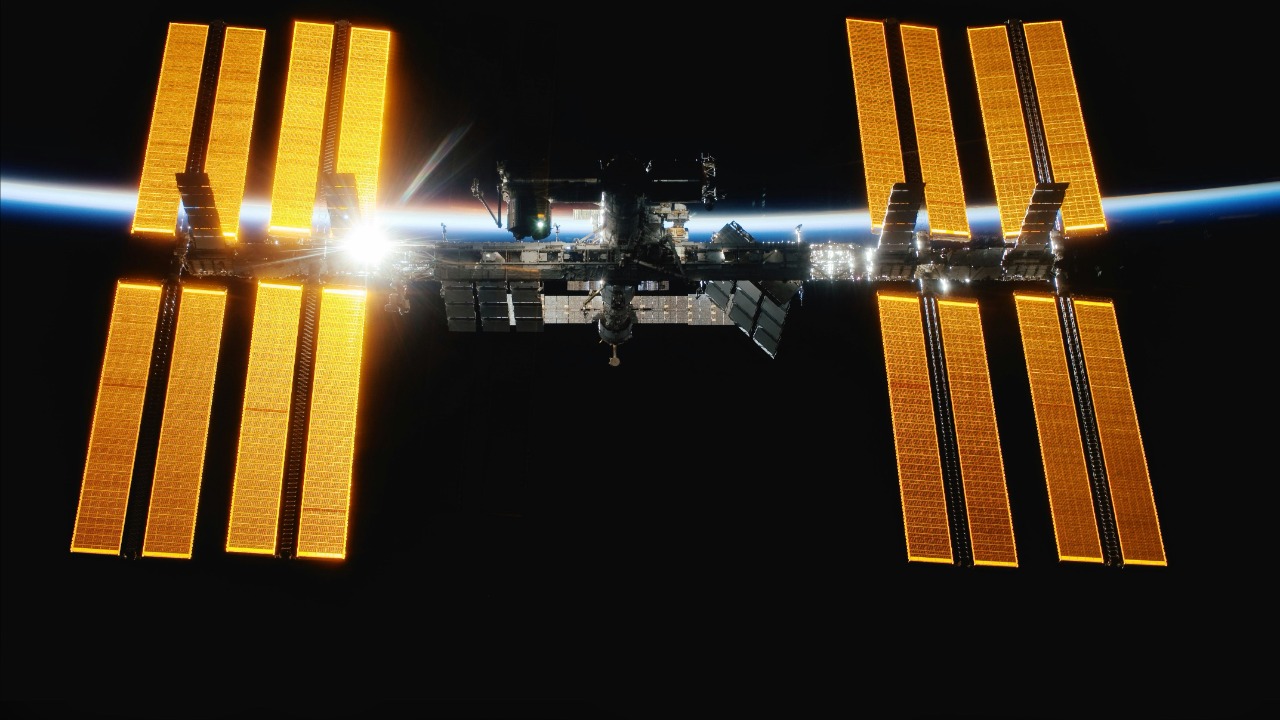
Astronauts aboard the International Space Station (ISS) have a unique vantage point to observe lightning and other atmospheric phenomena. From space, lightning appears as a dazzling display of light that can illuminate entire cloud systems. This perspective allows for the observation of rare events such as sprites, which are large-scale electrical discharges occurring above thunderstorms.
Space-based observations play a crucial role in enhancing our understanding of lightning. They provide data that can complement ground-based and satellite observations, offering a comprehensive view of lightning activity. Recently, a NASA astronaut captured a rare sprite from space, providing valuable insights into this enigmatic phenomenon. Such observations are essential for advancing our knowledge of atmospheric electricity and its interactions with the Earth’s environment.
The Future of Lightning Research
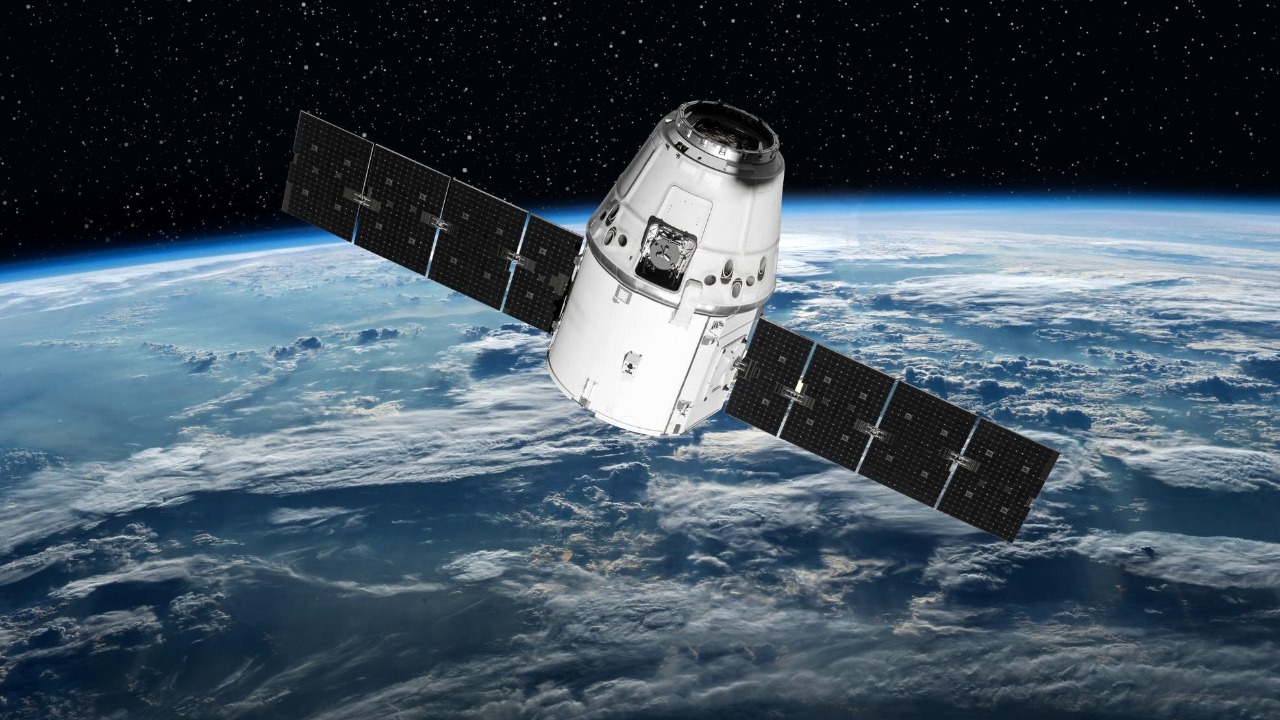
Ongoing research projects and initiatives continue to focus on understanding lightning and atmospheric electricity. These efforts aim to unravel the complexities of lightning behavior, offering the potential for new discoveries and breakthroughs. By leveraging advanced technologies and collaborative research, scientists are working towards a deeper understanding of lightning and its role in the Earth’s atmospheric system.
Encouraging public interest and education in atmospheric science is crucial for fostering a greater appreciation of lightning research. Outreach programs and educational initiatives can inspire the next generation of scientists and researchers, driving innovation and exploration in this fascinating field. As we continue to explore the mysteries of lightning, the potential for new insights and applications remains vast, promising a future of exciting discoveries in atmospheric science.
