The quest for extraterrestrial life remains a cornerstone of space exploration. In a groundbreaking revelation, NASA has presented persuasive evidence of ancient life on Mars. Let’s dig deeper into this landmark discovery.
Understanding the Evidence: Biosignatures on Mars
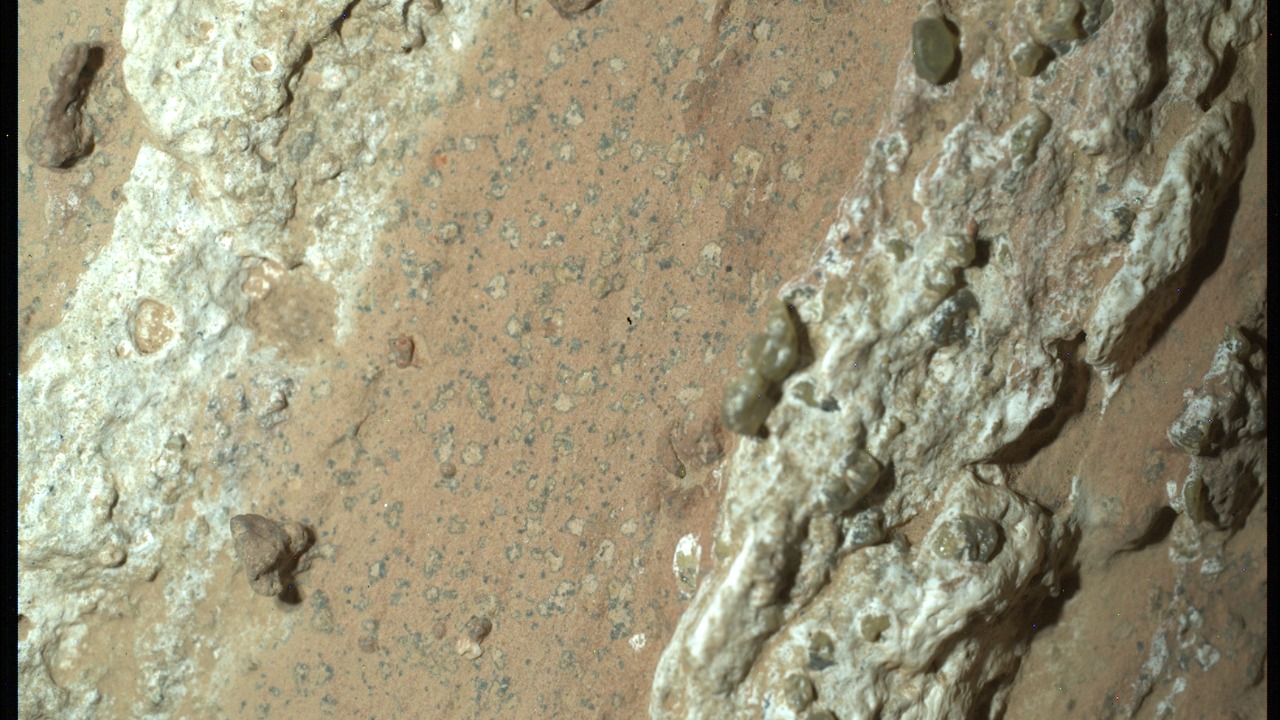
Biosignatures, or signs of life, are traces that indicate the past or present existence of organisms. These may include chemical, isotopic, mineralogical, and morphological features. Such signs are crucial in the search for life outside Earth, as they provide tangible evidence that life forms may have once existed or still do.
NASA’s Mars rover has detected specific biosignatures on Mars. According to a news release by NASA, these include organic molecules and patterns in sedimentary rocks, which are often associated with microbial life on Earth. Scientists interpret these findings as possible evidence of ancient Martian life, although further investigations are needed to confirm this.
Role of NASA’s Perseverance Rover in the Discovery
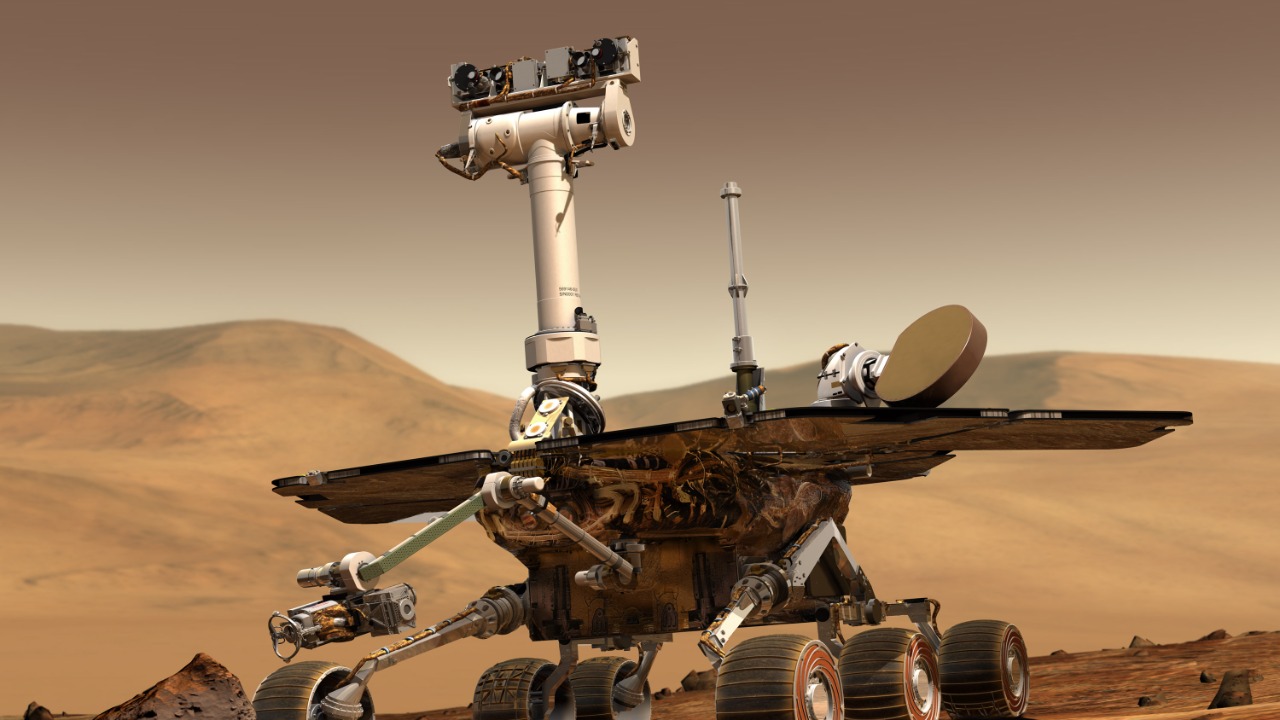
The Perseverance rover, a key player in NASA’s Mars exploration program, carries a suite of scientific instruments designed to search for biosignatures. It drills into Mars’ surface, collects and analyzes samples, and relays data back to Earth.
Perseverance’s discovery of biosignatures on Mars is a pivotal moment in space exploration. The rover’s findings have not only given us potential signs of ancient life but also new insights into Mars’ geological and climatic history. A detailed account in Smithsonian Magazine underscores how these findings are reshaping our understanding of the Red Planet.
Scientific Implications of the Discovery
The discovery of possible signs of ancient life on Mars extends beyond the sphere of Mars exploration. It has the potential to revolutionize our understanding of life’s existence beyond Earth and the conditions that support it. An article on ScienceDirect discusses the potential implications of such a discovery for astrobiology, the study of life’s origin, evolution, and distribution in the universe.
The discovery also opens new avenues for future Mars explorations. It will likely fuel more intensive searches for life and potentially influence the design of future Mars missions, focusing more on areas with similar geological features.
Mars’ Geological History and Life
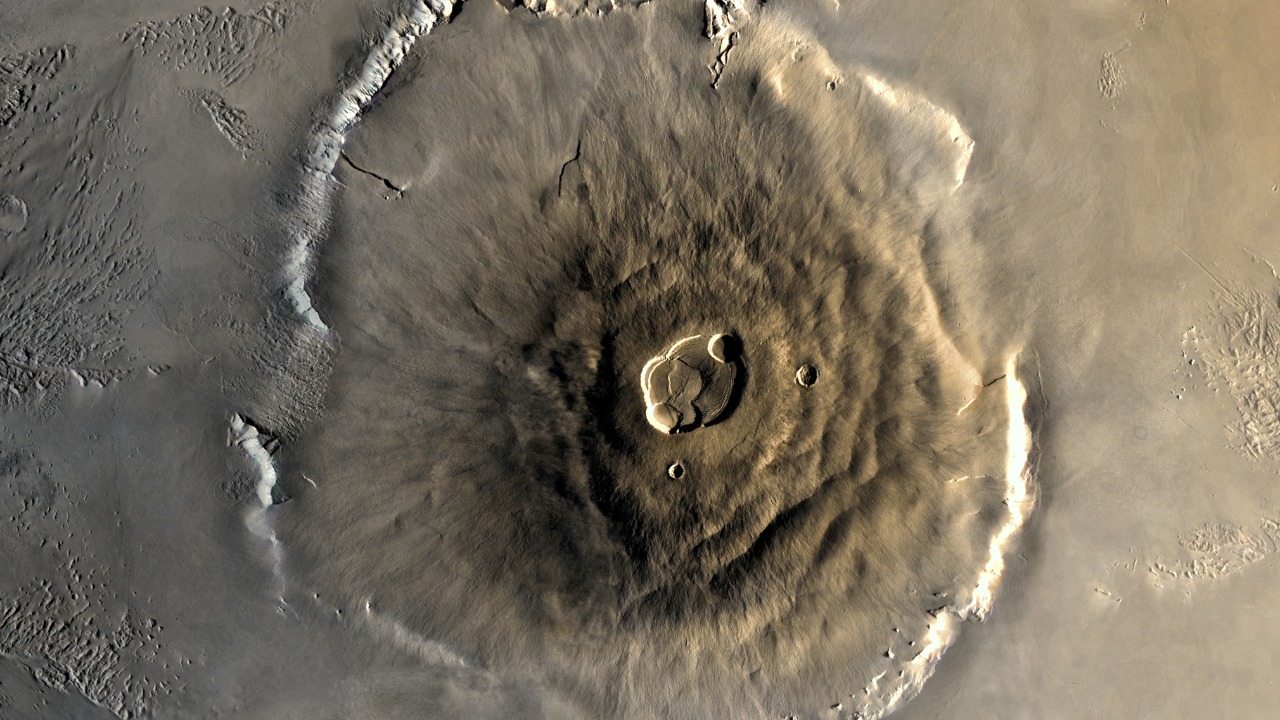
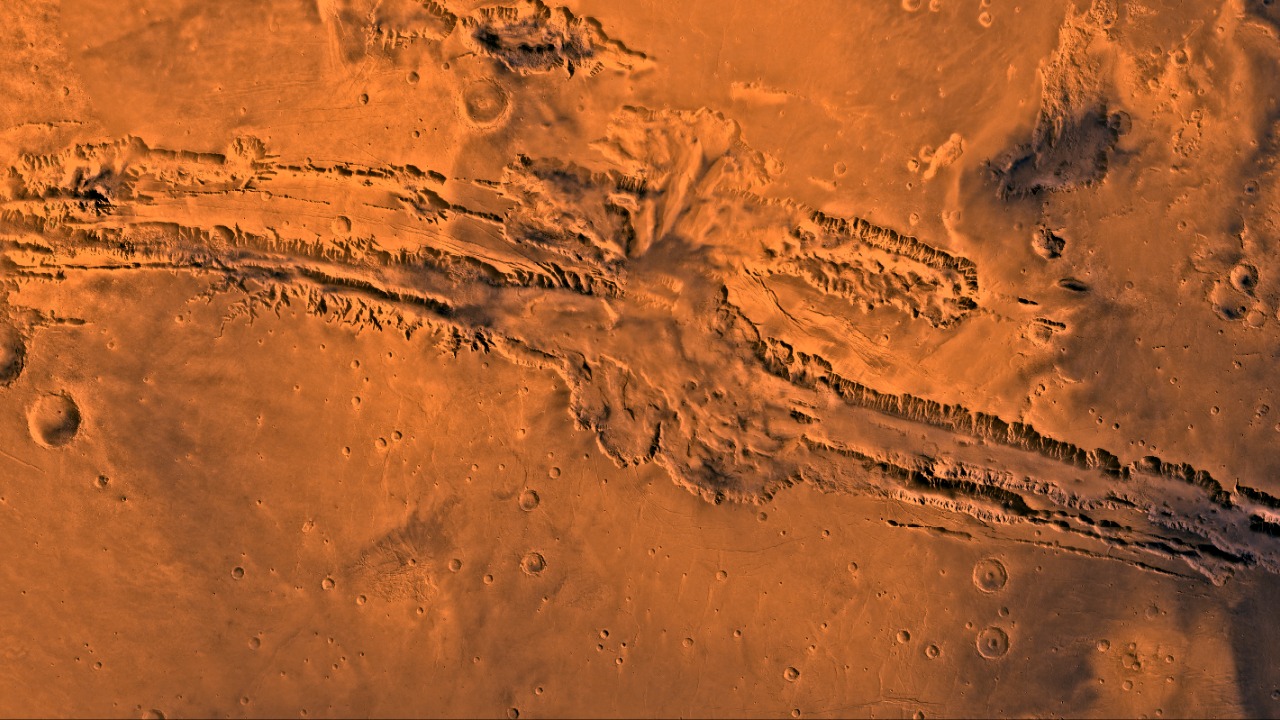
Mars’ geological history is key to understanding the potential for life on the planet. Mars is believed to have been warmer and wetter in the past, conditions that could have supported microbial life. The presence of biosignatures suggests that Mars may have had an environment conducive to life at some point in its history.
Studying Mars’ past can also provide insights into the possibility of life elsewhere in the universe. The conditions that allowed life to flourish on Earth may not be unique. Other planets with similar conditions, like ancient Mars, may also harbor or have harbored life. The more we learn about Mars and its history, the better equipped we are to search for life elsewhere.
Public Response and Future Prospects

The public response to NASA’s announcement has been overwhelmingly positive, reflecting a widespread fascination with the possibility of extraterrestrial life. This discovery has made headlines around the world, as reported by NPR, and has sparked widespread interest and excitement.
Looking ahead, this discovery could have a significant impact on future space exploration. It may lead to more ambitious missions, with a focus on finding more direct evidence of past or present life. Scientists are also planning the next steps in analyzing the data from Perseverance, which could further our understanding of Mars and its potential for life.
