Images captured by NASA have documented the dramatic collapse of a giant iceberg, marking a significant moment in the life of the Antarctic feature known as Iceberg A-23a. This event, tracked by NASA, underscores the growing impacts of climate change on our planet’s icy regions. In a related development, NASA is also monitoring the formation of a new island in Alaska, a phenomenon that adds another layer to the complex dynamics of global ice formations.
The Collapse of Iceberg A-23a
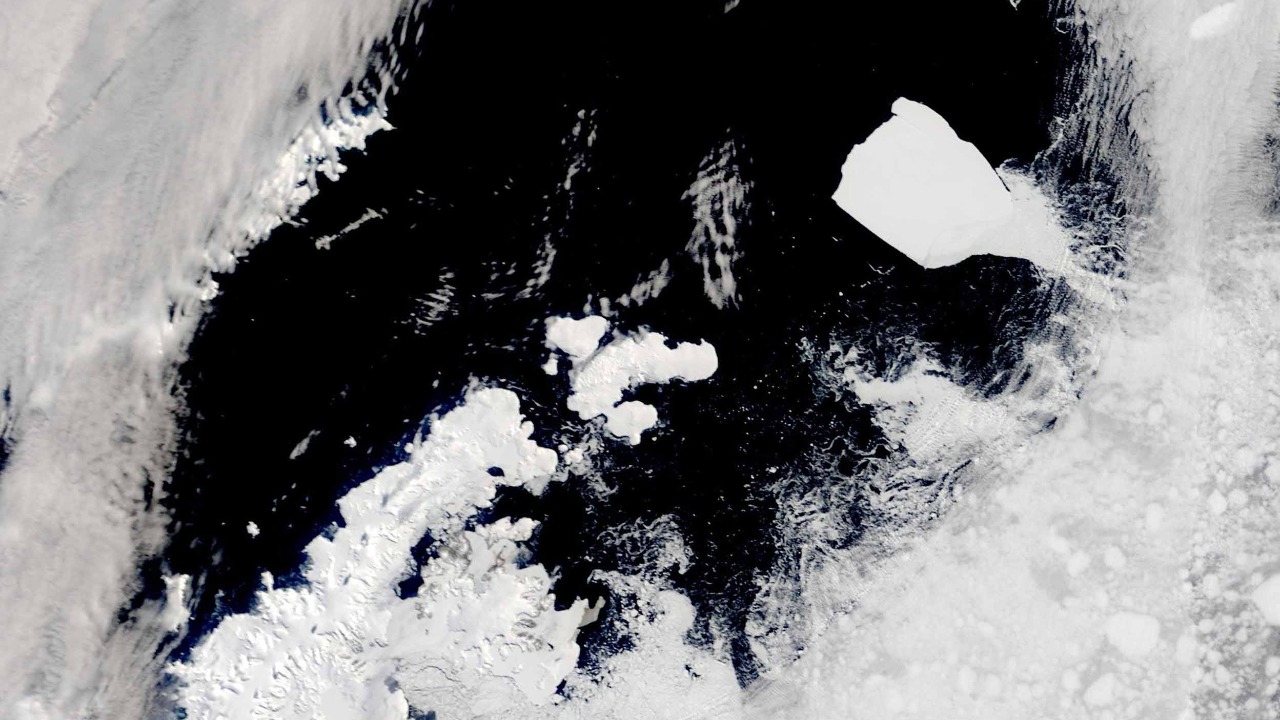
Images from NASA have provided a stark visual record of the dramatic collapse of Iceberg A-23a in Antarctica. This massive iceberg, once a prominent feature of the Antarctic landscape, has undergone a tracked disintegration process, its once solid form fragmenting into smaller pieces over time. The images captured by NASA offer a real-time view of this process, providing a unique insight into the life cycle of these giant ice structures. source
The disintegration of Iceberg A-23a is more than just a natural event; it signifies the end of an era for this specific Antarctic iceberg feature. The collapse of this iceberg is a stark reminder of the transience of these icy giants and the dynamic nature of our planet’s polar regions. source
Climate Change’s Role in Iceberg Dynamics
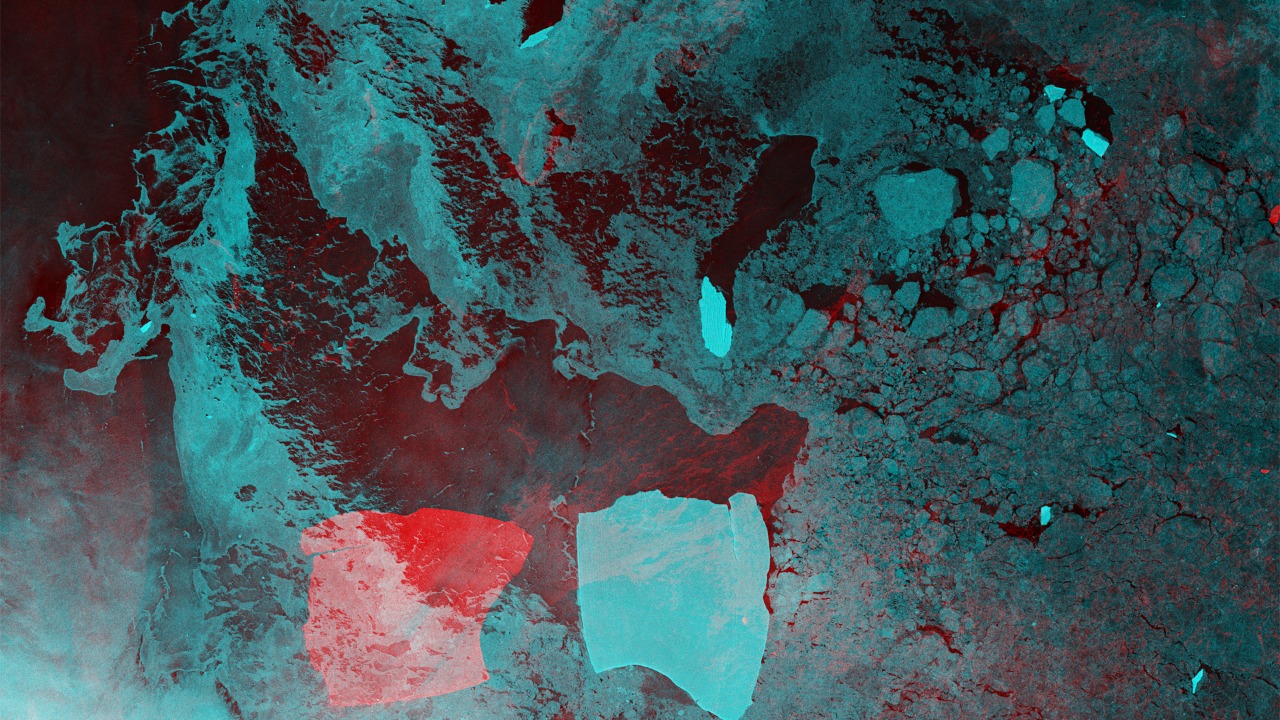
The disintegration of Iceberg A-23a is not an isolated event. It is part of a broader pattern of accelerated ice loss in polar regions, a trend that is being driven by the growing impacts of climate change. Rising global temperatures are causing ice to melt at an unprecedented rate, leading to the collapse of icebergs like A-23a. source
While the collapse of floating icebergs like A-23a does not directly contribute to sea level rise, it is indicative of the broader patterns of ice loss that are impacting land-based ice sheets and glaciers. The melting of these land-based ice formations is a significant contributor to rising sea levels, a trend that poses serious risks to coastal communities around the world. source
NASA’s Monitoring of Glacial Changes
NASA’s tracking efforts have been instrumental in documenting the dramatic disintegration of Iceberg A-23a. Through the use of advanced imaging technology, NASA has been able to capture the collapse of this giant iceberg in real-time, providing valuable data on the dynamics of iceberg disintegration. source
In addition to tracking the disintegration of Iceberg A-23a, NASA is also monitoring other glacial changes. One such phenomenon is the formation of a new island in Alaska, a development that is adding to our understanding of the complex dynamics of ice formations. This ongoing observation is shedding light on the mysteries of glacial behavior in a changing climate. source
Furthermore, NASA’s monitoring efforts extend beyond the Antarctic region. The agency’s global reach allows it to track glacial changes in various parts of the world, including the Arctic. The formation of a new island in Alaska, for instance, is a testament to the agency’s comprehensive tracking capabilities. This new island, which emerged due to glacial retreat, is a stark reminder of the rapid changes occurring in our planet’s icy landscapes. source
Moreover, NASA’s advanced imaging technology is not just capturing these changes, but also helping scientists understand the mechanisms behind them. By analyzing the images of Iceberg A-23a’s collapse, for instance, researchers can gain insights into the factors that contribute to iceberg disintegration. This information is crucial for predicting future changes in our planet’s ice formations and for developing strategies to mitigate the impacts of these changes. source
Broader Implications for Polar Regions
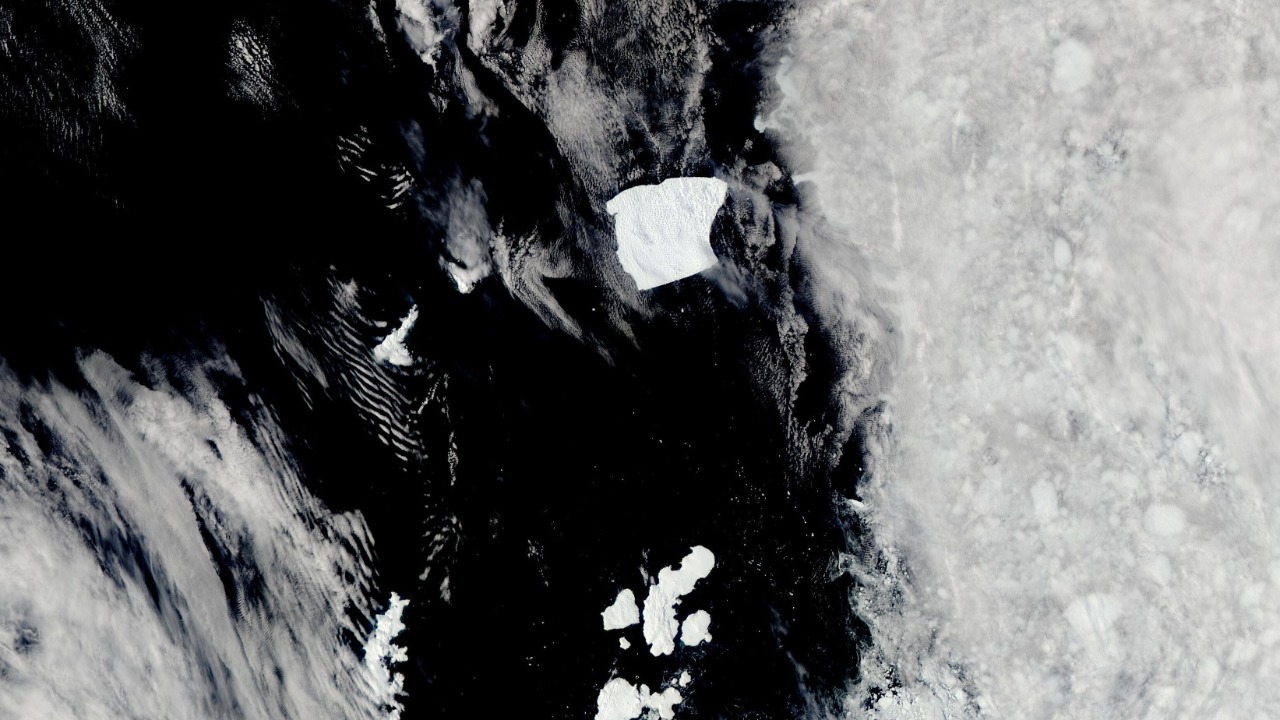
The changes observed in the Antarctic and Alaskan regions are indicative of a larger, global trend. Ice formations around the world are becoming increasingly unstable, a development that is largely attributed to rising global temperatures. This instability is not just leading to the collapse of icebergs like A-23a, but also to the retreat of glaciers and the formation of new islands. These changes are reshaping the physical landscape of our planet’s polar regions, with potentially far-reaching implications for local ecosystems and global climate patterns.source
Moreover, the disintegration of icebergs and the retreat of glaciers are not just physical phenomena; they also have significant socio-economic implications. For instance, the melting of land-based ice formations contributes to sea level rise, which poses a serious threat to coastal communities. Similarly, the formation of new islands can alter shipping routes and impact local economies. As such, the changes occurring in our planet’s ice formations are not just a concern for scientists, but for all of humanity.source
