
Chemotherapy remains a fundamental approach in cancer treatment, yet its non-selective nature results in significant damage to both cancerous and healthy cells. This often leads to severe side effects such as nausea, hair loss, and organ damage. However, recent advancements in nanoparticle technology offer hope for more targeted drug delivery, potentially sparing healthy tissue and improving patient outcomes. Researchers are exploring how these tiny carriers can revolutionize cancer therapy by delivering drugs directly to tumors, minimizing collateral damage to healthy cells.
The Challenges of Traditional Chemotherapy

Traditional chemotherapy drugs are designed to target rapidly dividing cells, a hallmark of cancer. Unfortunately, this characteristic is not exclusive to cancer cells; many healthy cells, such as those in the bone marrow and gastrointestinal lining, also divide rapidly. As a result, chemotherapy can cause significant harm to these healthy tissues, leading to common side effects like fatigue, nausea, and an increased risk of infections. These side effects can severely impact a patient’s quality of life and may even necessitate treatment interruptions, which can compromise the overall effectiveness of the therapy.
The systemic nature of chemotherapy agents means they circulate throughout the body, lacking the ability to distinguish between malignant and normal cells. This non-specificity limits the dosage that can be safely administered, as higher doses would increase the risk of severe toxicity. Consequently, the efficacy of chemotherapy is often constrained by its side effects, posing a significant challenge for oncologists aiming to maximize treatment benefits while minimizing harm to patients.
How Nanoparticles Target Cancer Cells
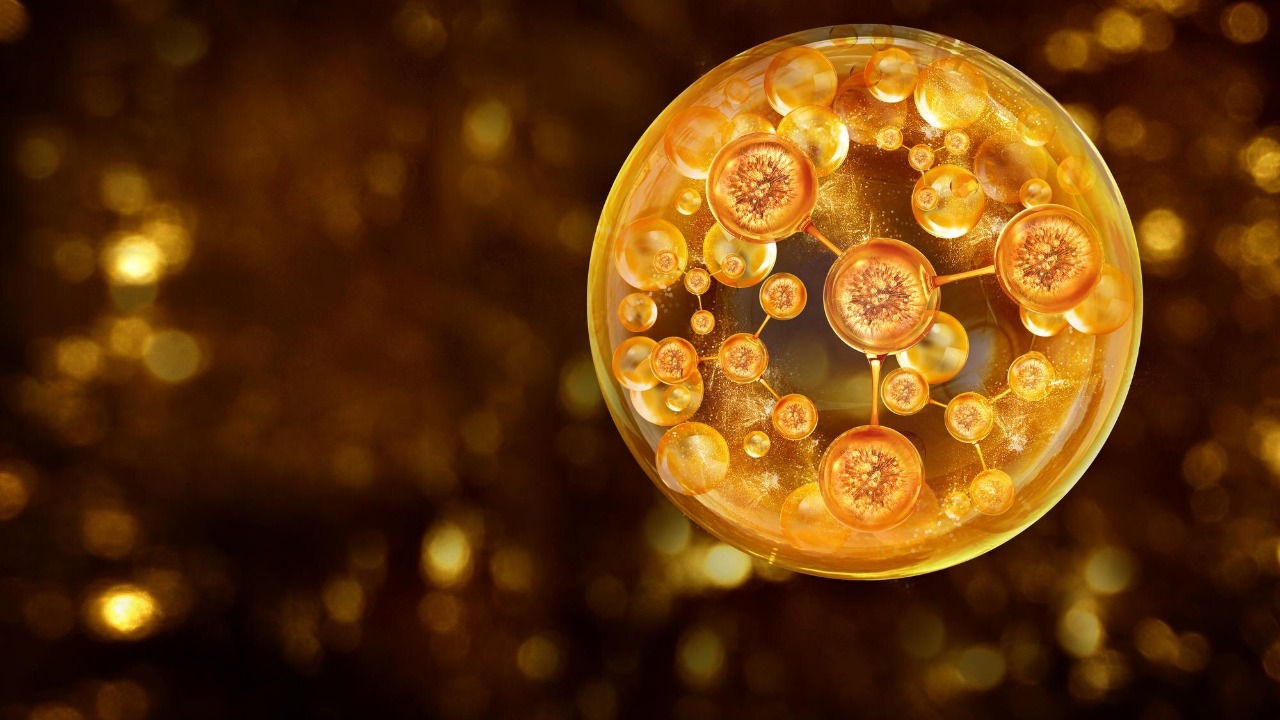
Nanoparticles, typically ranging from 1 to 100 nanometers in size, are engineered to encapsulate chemotherapy drugs and deliver them directly to tumor sites. This targeted approach is achieved through surface modifications, such as the addition of ligands that bind specifically to cancer cell markers. By honing in on cancer cells, nanoparticles can release their drug payload precisely where it is needed, reducing the exposure of healthy tissues to toxic agents.
Gold nanoparticles, in particular, have shown promise in enhancing drug delivery. These particles can be heated with lasers to improve drug penetration into tumors and selectively destroy cancer cells. This method minimizes the impact on surrounding healthy tissue, offering a more precise treatment option. Preclinical studies have demonstrated that nanoparticles can improve tumor penetration and reduce systemic toxicity, paving the way for more effective and safer cancer therapies (MD Anderson Cancer Center).
Emerging Research on Nanoparticle Therapies
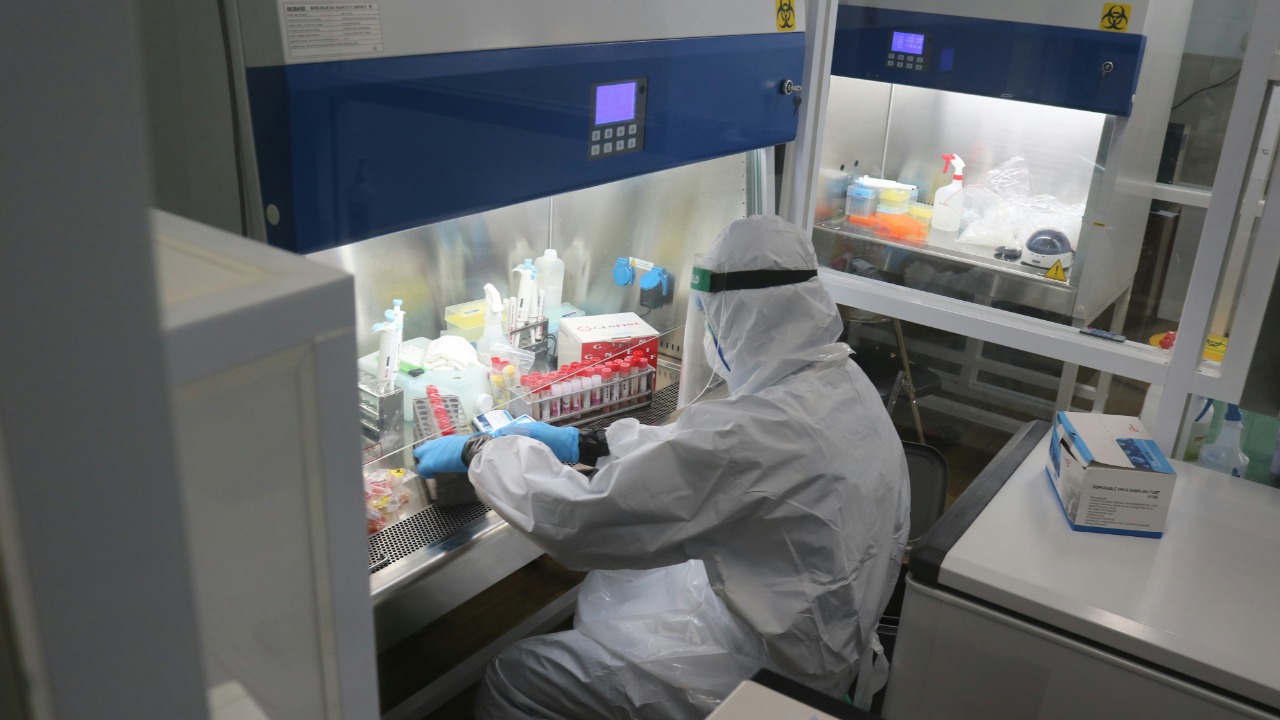
Ongoing research at institutions like MD Anderson Cancer Center is exploring the potential of gold nanoparticle platforms for treating various cancers, including breast and prostate cancer. Early results from these studies indicate that nanoparticles can achieve up to 50% better drug accumulation in tumors compared to traditional chemotherapy drugs. This enhanced delivery could lead to more effective treatments with fewer side effects, significantly improving patient outcomes.
Despite the promising results, challenges remain in scaling these technologies for widespread clinical use. Issues such as biocompatibility and regulatory hurdles must be addressed to ensure the safe and effective application of nanoparticle therapies. Researchers are also investigating how these technologies can be integrated with other treatment modalities, such as immunotherapy, to further enhance their efficacy (OncoDaily).
Potential Benefits and Future Directions
The potential benefits of nanoparticle-based therapies are significant. By allowing for more precise drug delivery, these technologies could enable the use of lower chemotherapy doses while still achieving therapeutic levels at the tumor site. This could result in higher cure rates and fewer side effects, improving the overall quality of life for cancer patients.
Additionally, nanoparticles can be integrated with other treatment modalities, such as photothermal therapy. In this approach, gold nanoparticles absorb light to generate heat, selectively killing cancer cells while sparing healthy tissue. This combination of therapies could offer a powerful new tool in the fight against cancer.
As current Phase I/II trials continue, the clinical translation of nanoparticle therapies remains a key focus. Further human studies are needed to confirm their safety and efficacy, but the early results are promising. With continued research and development, nanoparticles could play a crucial role in the future of cancer treatment, offering new hope to patients worldwide (MD Anderson Cancer Center).
