A recent discovery has shaken the scientific community: a network of intricate tunnels has been found beneath a dormant volcano. These mysterious passageways are raising questions about their origin, purpose, and potential implications for both natural history and human activity.
The Discovery of the Tunnels
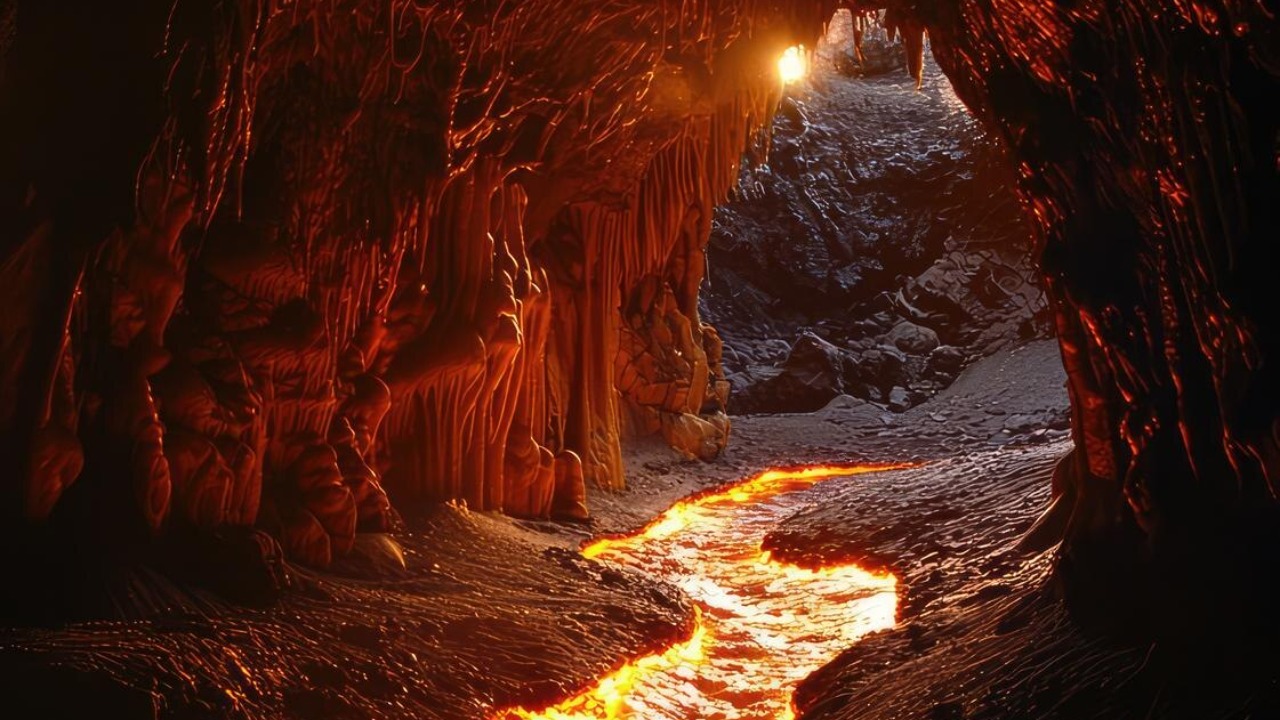
The initial discovery of these mysterious tunnels was made by a team of geologists and speleologists who were conducting routine surveys in a region known for its dormant volcanic formations. Their exploration revealed a labyrinth of passageways, some stretching for several kilometers. This unexpected find has drawn significant attention, with experts from various fields eager to understand the implications of such a complex underground network.
The tunnels are located beneath a dormant volcano that has not shown any signs of activity for hundreds of years. Situated in a remote area, the volcano has long been a subject of geological interest, but until now, its hidden depths had remained largely unexplored. Preliminary studies suggest that the tunnels might be ancient, potentially dating back thousands of years, but their exact origin remains a subject of debate among scientists.
Geological Formation and Significance
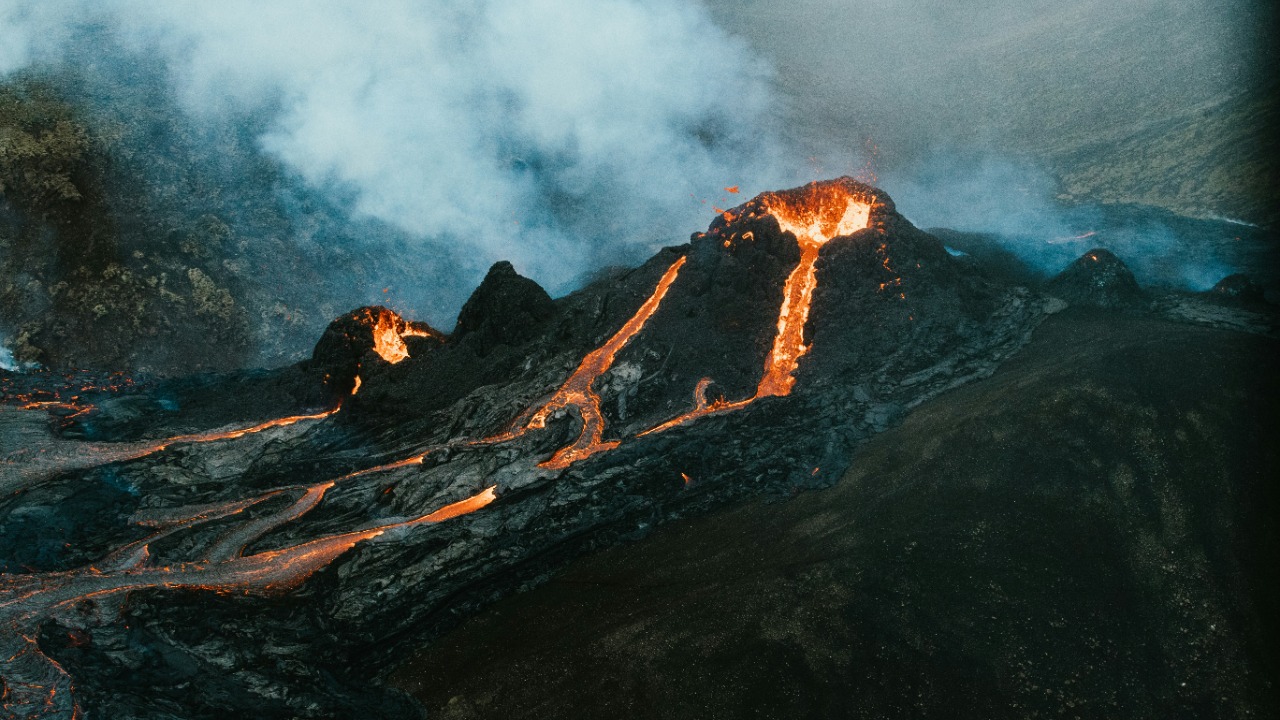
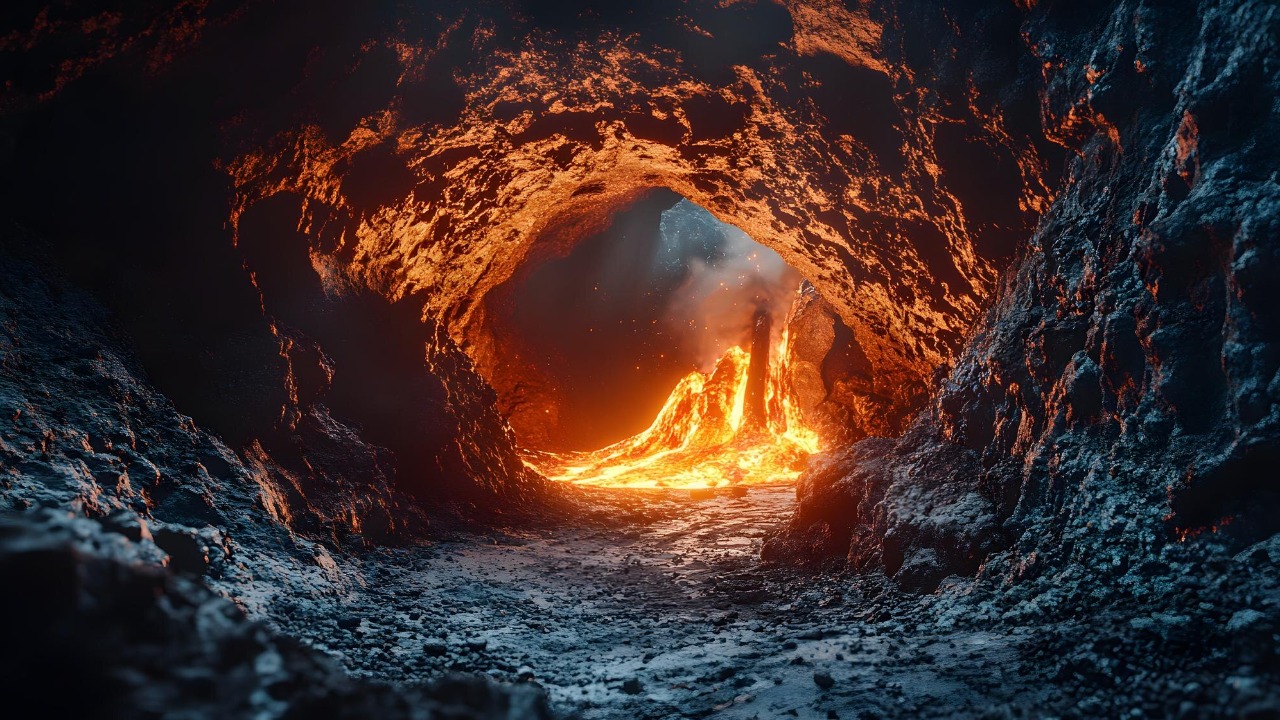
The formation of these tunnels can primarily be explained through the principles of pyroduct lava tunnels. This process involves the flow of lava beneath a solidifying surface, creating hollow tubes as the molten rock drains away. Recent research has emphasized the importance of understanding these formations, as they provide vital insights into volcanic activity and the geological history of the Earth.
These newly discovered tunnels bear a striking resemblance to other volcanic tunnel systems found around the world, such as those in Hawaii and the Canary Islands. By comparing these tunnels to their counterparts, researchers hope to uncover more about the volcanic activity that shaped them and the potential for similar formations elsewhere. This discovery not only enriches our understanding of the geological past but also offers clues about the dynamic processes that continue to shape our planet.
Historical and Cultural Context
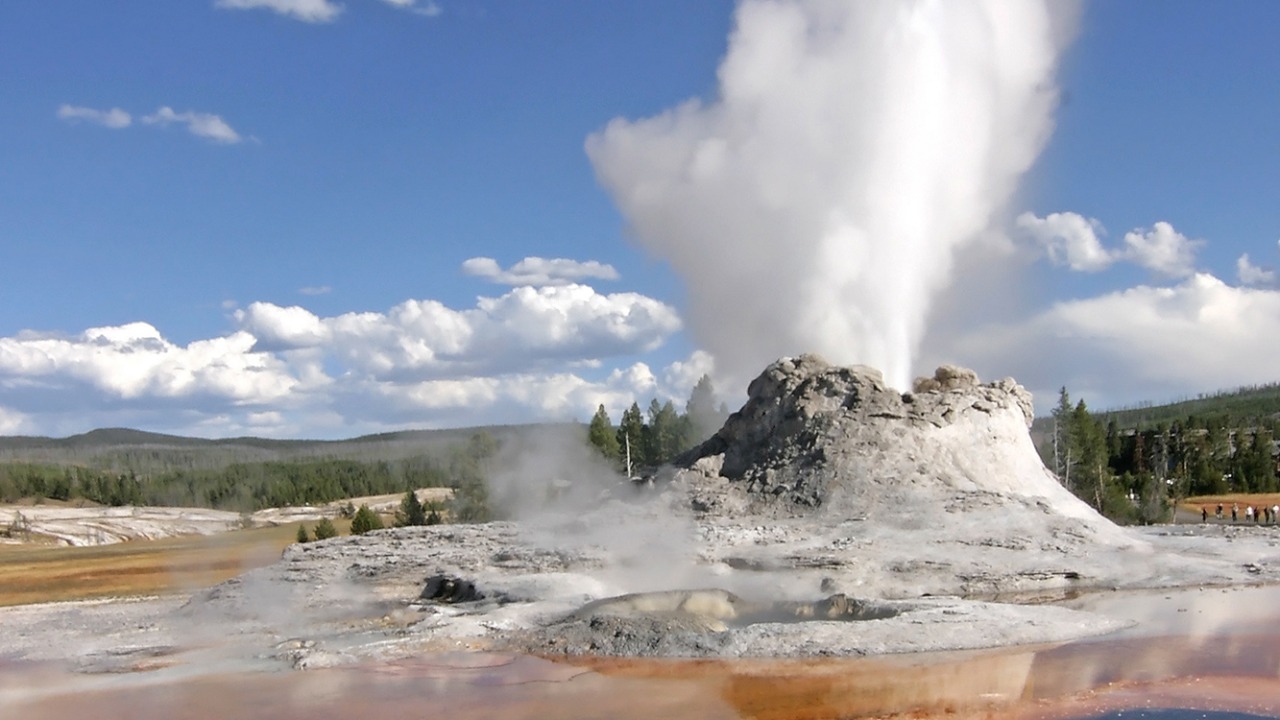
Throughout history, volcanic tunnels have captured the imagination of local cultures, often becoming the source of legends and myths. In some cases, these underground passageways were believed to be the dwellings of mythical creatures or gateways to other worlds. The newfound tunnels have reignited interest in these stories, prompting researchers to delve deeper into the cultural significance of such formations.
Historical records reveal that tunnels have played crucial roles in various events, serving as shelters during natural disasters or as hidden routes for trade and communication. The famous moonshiner tunnels under the Smoky Mountains provide a fascinating example of how these passageways have been repurposed over time. By examining similar discoveries, scientists can gain valuable insights into how these tunnels may have influenced local cultures and historical events.
Potential Uses and Future Exploration
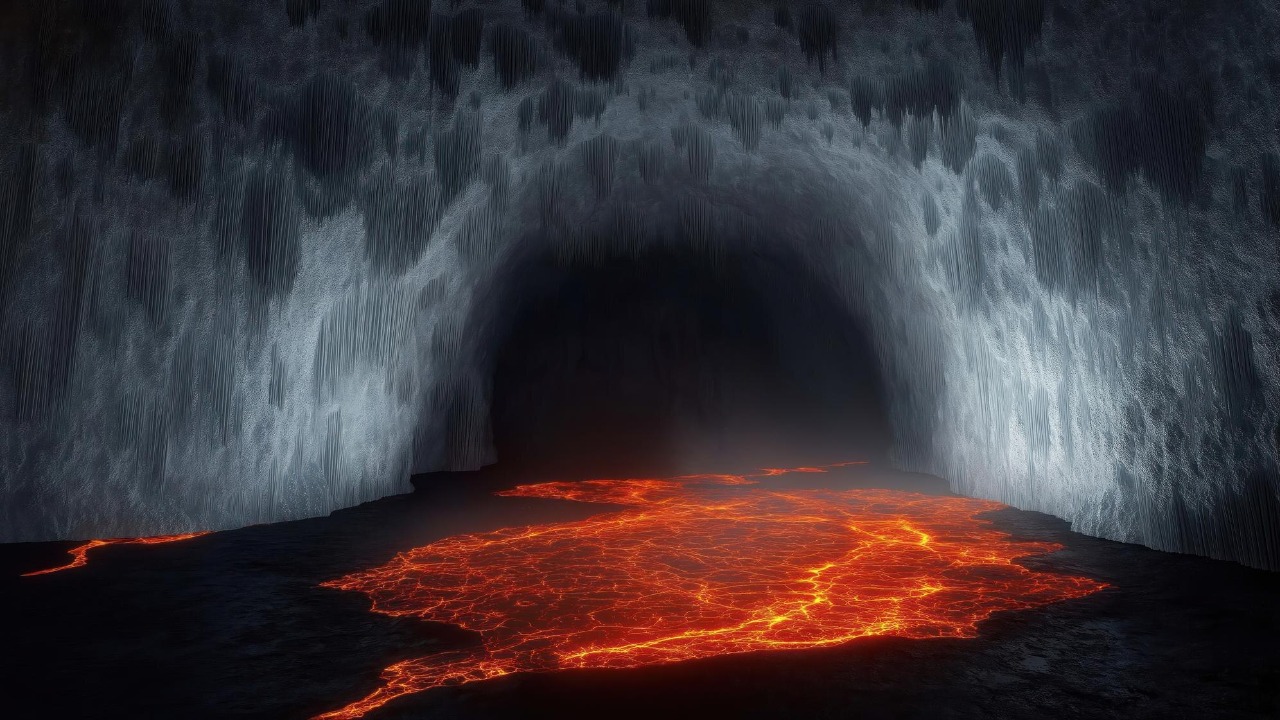
The potential uses of these tunnels in the past are a matter of speculation, with some experts suggesting they may have served as shelters or transportation routes. Their strategic location and structural integrity make them plausible candidates for such purposes. As research progresses, new theories and applications are likely to emerge, further illuminating the tunnels’ historical significance.
In the modern context, these tunnels could serve as exciting opportunities for tourism and scientific research. The allure of exploring an ancient underground network is undeniable, and with proper safety measures in place, guided tours could become a popular attraction. Additionally, scientists are eager to study the tunnels further, with proposals for comprehensive explorations already underway. This research could yield valuable data on everything from geological processes to potential applications in space exploration.
Environmental and Safety Concerns
As with any exploration of natural sites, there are environmental and safety concerns that must be addressed. The potential impact of increased human activity on the surrounding ecosystem is a critical consideration. Researchers and conservationists are working together to develop strategies to minimize disturbances while allowing for scientific study and exploration.
Safety is another paramount concern, as the structural stability of the tunnels must be thoroughly assessed before any extensive exploration is undertaken. The risks to explorers and researchers are significant, necessitating comprehensive safety protocols and training. By striking a careful balance between preservation and study, it is possible to ensure that this remarkable discovery can be appreciated and understood by future generations.
