Scientists have recently uncovered a fascinating geological formation deep in the Pacific Ocean that bears a striking resemblance to a ‘Yellow Brick Road’. This peculiar discovery has captured the imagination of both the public and scientific communities, as its unusual appearance and unexpected location raise intriguing questions about its origins. Reports from sources such as MSN and Yahoo highlight the mysterious nature of this formation and the geological puzzles it presents.
Discovery of the ‘Yellow Brick Road’
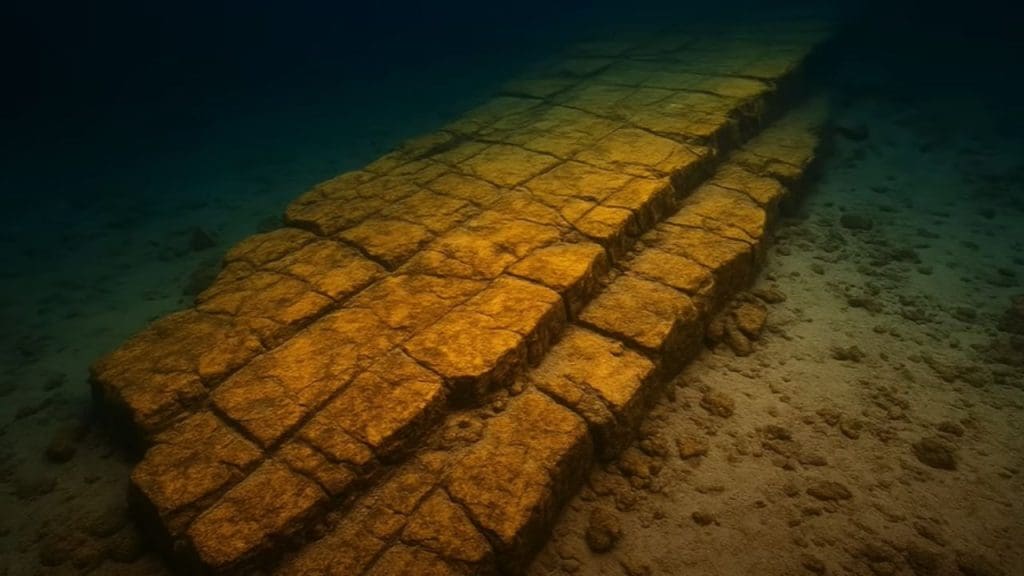
The formation, found at the bottom of the Pacific Ocean, has been aptly described as a ‘Yellow Brick Road’ due to its distinct, road-like appearance. This discovery has drawn comparisons to mythical places like Atlantis, adding to the intrigue surrounding its origin. According to LADbible, the formation’s unique structure and color have sparked widespread curiosity and speculation.
While some might imagine this as a pathway to a lost civilization, the reality is rooted in natural geological processes. The formation’s resemblance to a road is purely coincidental, yet it has fueled public imagination and led to various theories about its creation. As reported by Good, the discovery has been whimsically dubbed the ‘road to Atlantis’, further enhancing its allure.
Geological Significance and Analysis
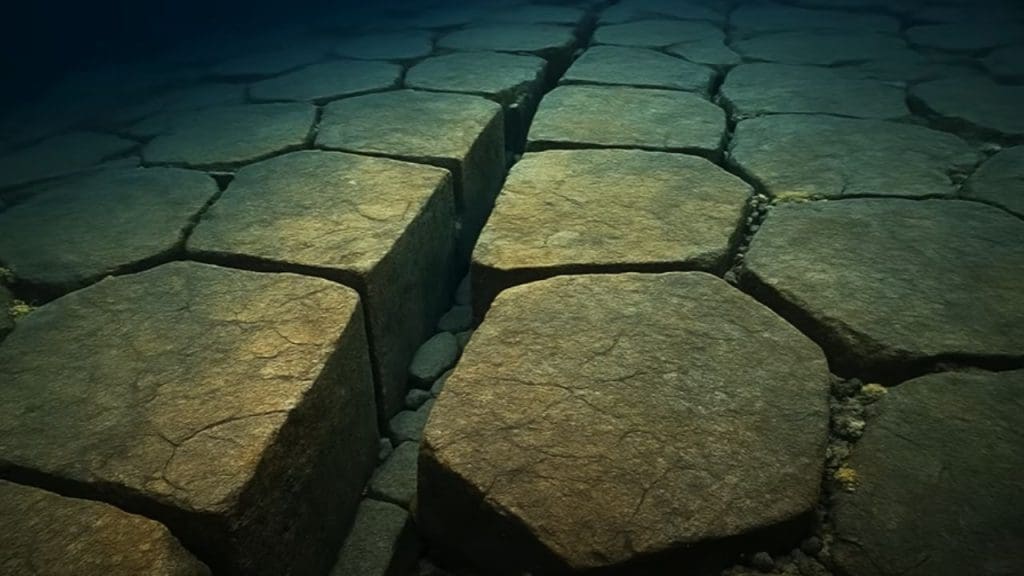
Scientists have confirmed that the ‘Yellow Brick Road’ is not man-made, emphasizing its natural geological origins. The formation is believed to be the result of volcanic activity and subsequent erosion processes that have shaped its distinctive appearance. According to MSN, ongoing studies aim to uncover the formation’s geological history and the processes that led to its unique structure.
Researchers are particularly interested in understanding the specific conditions that resulted in the formation’s striking yellow hue and brick-like pattern. As noted by the Times of India, these studies are crucial for piecing together the geological timeline and environmental factors that contributed to this natural wonder.
In addition to its visual appeal, the ‘Yellow Brick Road’ formation offers a unique opportunity to study the geological processes that occur on the ocean floor. The formation’s distinct pattern and coloration are believed to result from a combination of volcanic activity and the cooling of lava, which can create hexagonal columns similar to those found in the Giant’s Causeway in Northern Ireland. This phenomenon occurs when lava cools rapidly, causing it to contract and fracture in a characteristic pattern. Understanding these processes can provide valuable insights into the geological history of the region and the dynamic forces shaping the Earth’s crust.
Moreover, the formation’s location in a relatively unexplored part of the Pacific Ocean highlights the potential for discovering other geological features that could offer clues about the Earth’s past. Researchers are particularly interested in the mineral composition of the formation, which could reveal information about the volcanic activity in the area and the environmental conditions at the time of its formation. Such studies are essential for reconstructing the geological timeline and understanding the broader implications of these natural processes on global geological patterns.
Public and Scientific Reactions
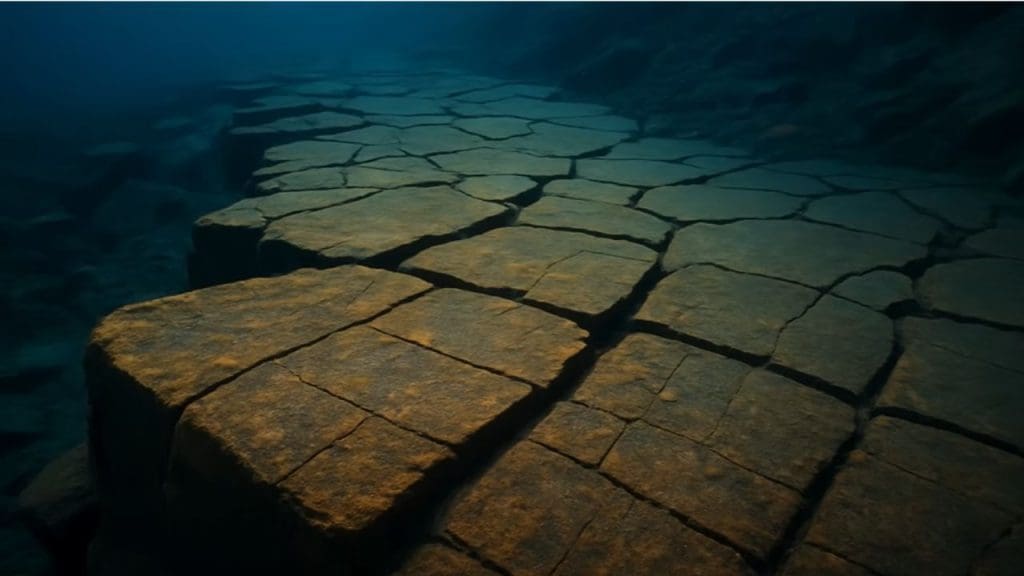
The discovery of the ‘Yellow Brick Road’ has captivated both the public and scientific communities, sparking curiosity and speculation about its origins and implications. The formation’s resemblance to a fantastical road has led to widespread media coverage and public interest, as highlighted by Yahoo. This interest underscores the human fascination with the unknown and the allure of discovering new natural wonders.
Comparisons to mythical and fantastical stories have further fueled public imagination, enhancing the story’s reach and impact. The notion of a road leading to a lost world or civilization taps into deep-seated cultural narratives and has made the discovery a topic of widespread discussion and intrigue, as reported by Good.
The scientific community has responded with enthusiasm to the discovery, viewing it as a chance to engage the public with the wonders of geology and oceanography. The formation’s striking appearance has been used as a tool to educate people about the natural processes that shape our planet, sparking interest in the field of geology. Scientists are leveraging this opportunity to promote awareness about the importance of ocean exploration and the need for continued research into the Earth’s underwater landscapes.
Public fascination with the ‘Yellow Brick Road’ has also led to increased interest in marine conservation efforts. As people become more aware of the mysteries hidden beneath the ocean’s surface, there is a growing recognition of the need to protect these environments from human impact. This discovery has not only captured imaginations but also highlighted the importance of preserving the ocean’s natural wonders for future generations. The widespread media coverage has helped bring attention to the significance of marine research and the role it plays in understanding our planet’s history and future.
Future Research and Exploration
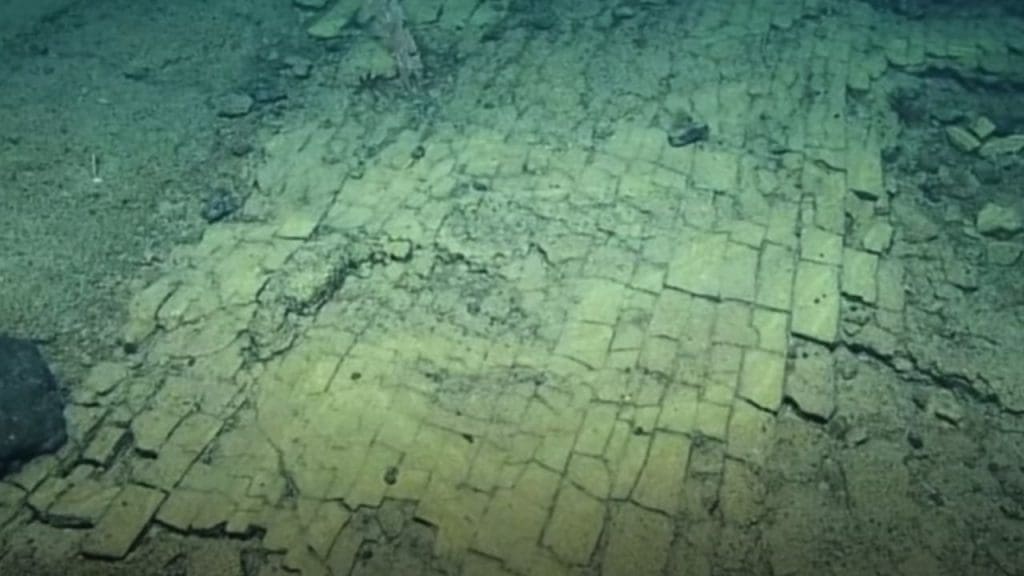
Scientists are planning further explorations to gather more data and insights into the formation’s characteristics and origins. These efforts aim to deepen our understanding of the geological processes at play and to uncover more about the Earth’s history. The Times of India reports that such research is essential for expanding our knowledge of oceanic geology and the natural phenomena that shape our planet.
The discovery of the ‘Yellow Brick Road’ underscores the importance of ocean exploration in uncovering natural wonders and expanding our understanding of the Earth’s geological processes. As noted by MSN, continued exploration and study of such formations are vital for advancing our scientific knowledge and appreciation of the natural world.
Future research initiatives are expected to include advanced imaging techniques and sampling methods to analyze the formation in greater detail. Scientists plan to use remotely operated vehicles (ROVs) equipped with high-resolution cameras and sensors to map the formation’s structure and composition. These technologies will allow researchers to gather precise data on the formation’s dimensions and the geological processes that contributed to its creation. Such detailed studies are crucial for developing a comprehensive understanding of the formation and its place within the broader context of oceanic geology.
Additionally, collaborative efforts between international research teams are being considered to expand the scope of exploration and share findings across the scientific community. By pooling resources and expertise, scientists aim to accelerate the pace of discovery and enhance our understanding of the Earth’s underwater landscapes. These collaborations could lead to new insights into the geological history of the Pacific Ocean and contribute to the development of innovative strategies for exploring other unexplored regions of the ocean floor. The ongoing study of the ‘Yellow Brick Road’ serves as a reminder of the vast potential for discovery that lies beneath the ocean’s surface.
