The enigmatic X-37B spaceplane, a classified endeavor of the U.S. Air Force, has taken to the skies once again. This time, its payload is a novel quantum GPS alternative, promising to revolutionize space travel and navigation.
The Enigmatic X-37B Spaceplane
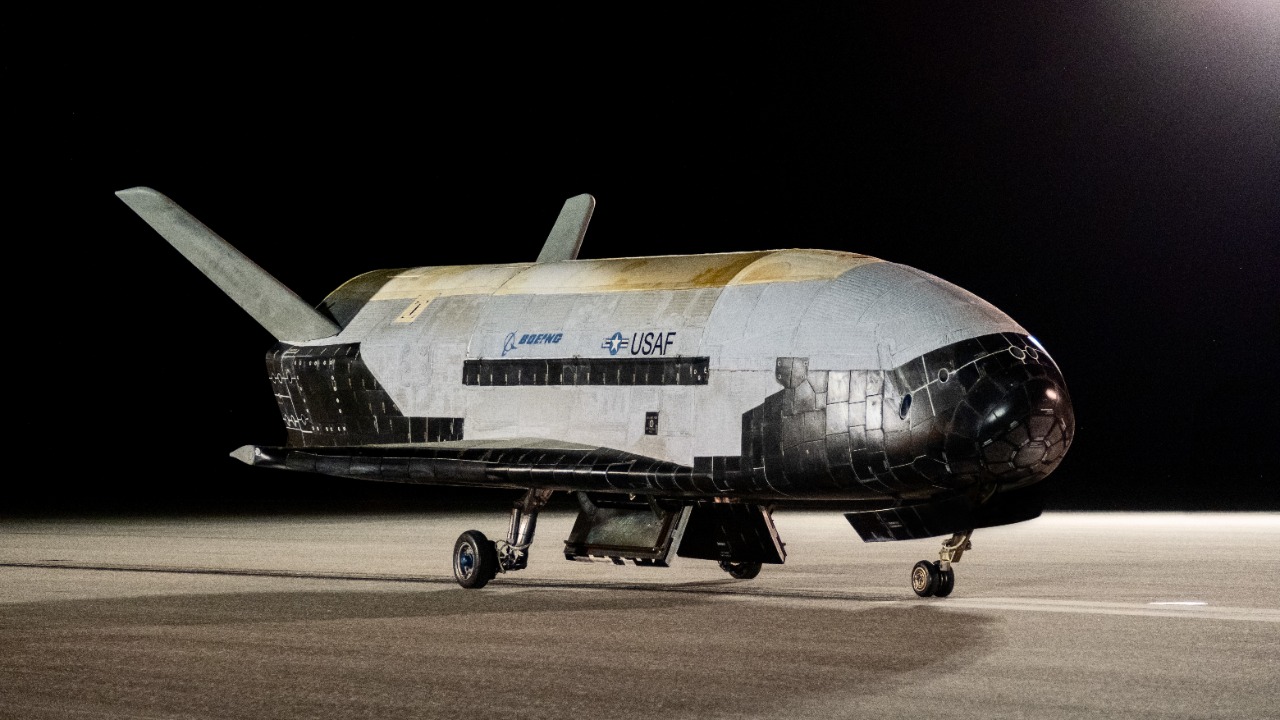
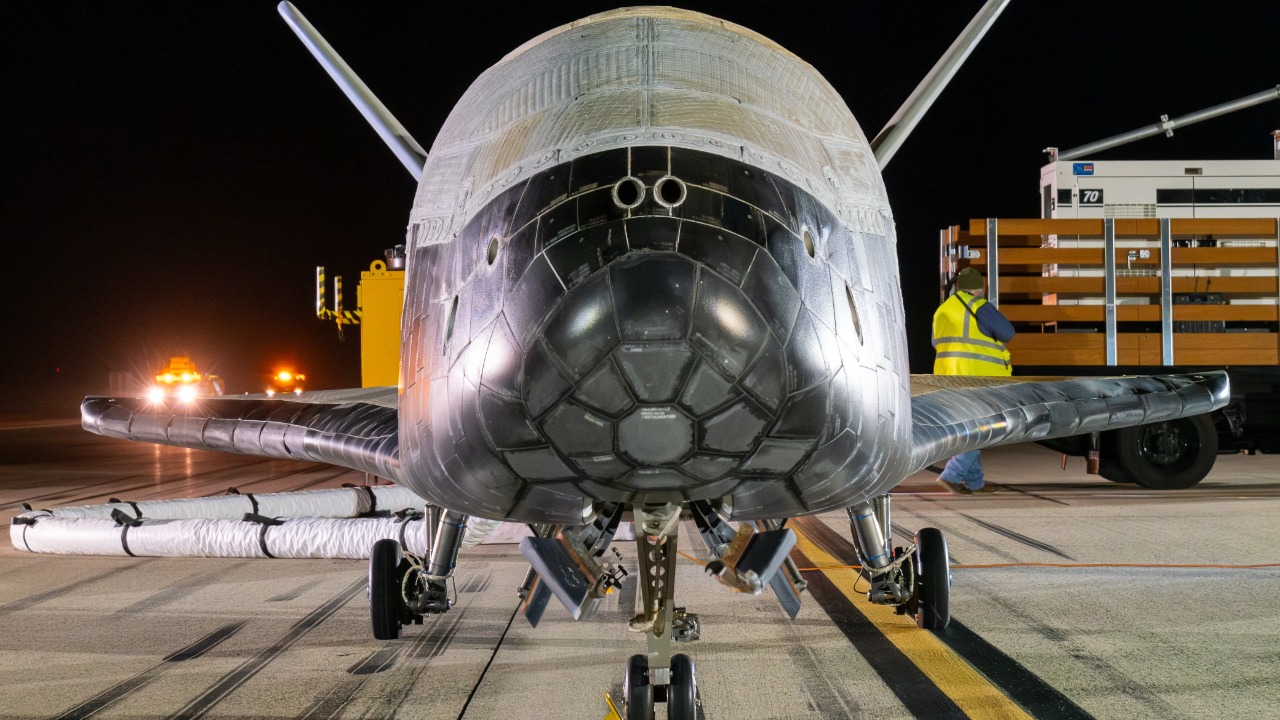
The X-37B spaceplane project, cloaked in secrecy, has been a subject of fascination and speculation for years. Initially a NASA project, it was transferred to the U.S. Air Force in 2004 and since then has been classified. The X-37B is an unmanned robotic spacecraft that looks much like a smaller version of NASA’s space shuttle. It has been involved in five previous missions, each one longer than the last, with its most recent mission lasting over 780 days.
Due to the classified nature of the X-37B program, speculation about its purpose and capabilities is rife. Some believe it’s used for space-based surveillance, while others suggest it serves as a test bed for new technologies. The Space article provides an in-depth look at these theories.
Quantum GPS: A Revolutionary Alternative

Quantum GPS technology represents a major leap in navigation systems. It utilizes quantum entanglement, a phenomenon where two particles become interconnected and the state of one can instantly affect the other, regardless of the distance between them. This technology is believed to be far more accurate than traditional GPS systems, which rely on timing signals from multiple satellites and can be affected by a variety of factors such as atmospheric conditions, clock inaccuracies, and signal blockage.
The potential applications of quantum GPS technology are vast. It could revolutionize not just space travel, but also terrestrial navigation, particularly in areas where GPS signals are weak or non-existent. More information about quantum GPS technology can be found in this Google Book.
The Current X-37B Mission

The current X-37B mission aims to test this innovative quantum GPS technology in space. The launch was a success and the X-37B is now in its intended orbit. The quantum GPS system onboard plays a crucial role in the mission, as it will be used to test the feasibility of using this technology for space navigation.
Apart from the quantum GPS, the X-37B is also carrying other technologies and experiments. These include testing new materials for their reaction to the harsh conditions of space and the long-term effects of space travel on seeds. More details about the current mission and its objectives can be found in this Polito Web Thesis.
Implications for Future Space Travel
Quantum GPS could completely transform navigation in space. It could enable precise navigation without reliance on Earth-based infrastructure, which is an essential capability for deep space missions. Moreover, its potential for accuracy and resilience against interference could significantly enhance the safety and efficiency of space travel.
The X-37B serves as a crucial platform for testing and advancing new space technologies, including quantum GPS. The success of this mission could pave the way for the integration of other quantum technologies in space exploration, from quantum communication systems to quantum sensors.
Concerns and Controversies Surrounding the X-37B and Quantum GPS
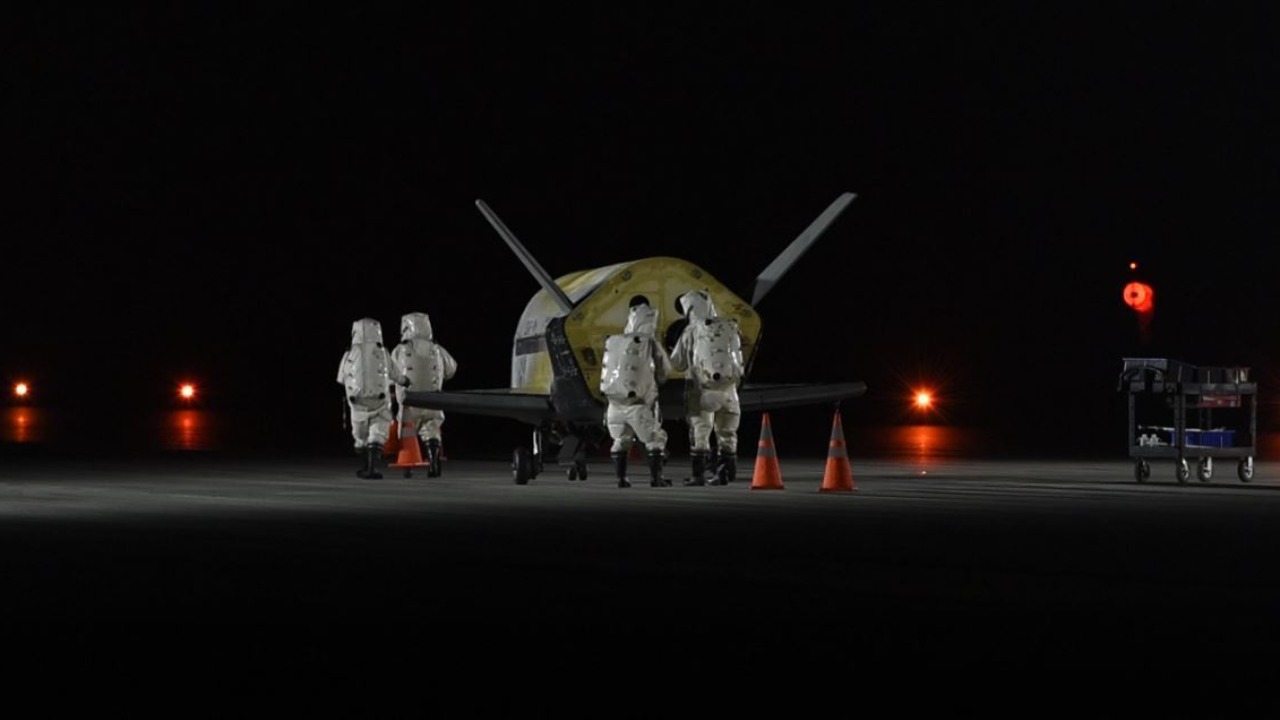
The secrecy surrounding the X-37B program has sparked debates. While some argue that it’s necessary for national security, others worry that it could lead to an arms race in space. Similarly, the development of quantum GPS raises potential security issues. If this technology falls into the wrong hands, it could be used for nefarious purposes.
There are also ethical and policy questions raised by this advanced technology. For instance, who should have access to it? And how should its use be regulated? These are complex issues that require careful consideration and international cooperation. The SpaceX Lounge Reddit post provides a platform for discussing these concerns.
The Long-Term Vision: Quantum Technology and the New Space Race

Quantum technology is playing a pivotal role in the emerging new space race. Nations around the world are investing heavily in quantum research and development, seeing it as a key to gaining the upper hand in space exploration and exploitation.
Other nations are also showing interest in developing quantum technology for space. China, for example, has already launched a quantum communication satellite. The future of the X-37B program is likely to be influenced by this global competition. It’s clear that the X-37B and quantum technologies like the quantum GPS are set to play a crucial role in shaping the future of space exploration. More information is available in this Google Book.
