In recent years, marine biologists have documented an extraordinary phenomenon: hundreds of humpback whales assembling in massive “super-groups” off the coast of South Africa. This unprecedented behavior has baffled scientists, as it deviates from the species’ typical social structure and migratory patterns.
The Phenomenon of Humpback Whale Super-Groups
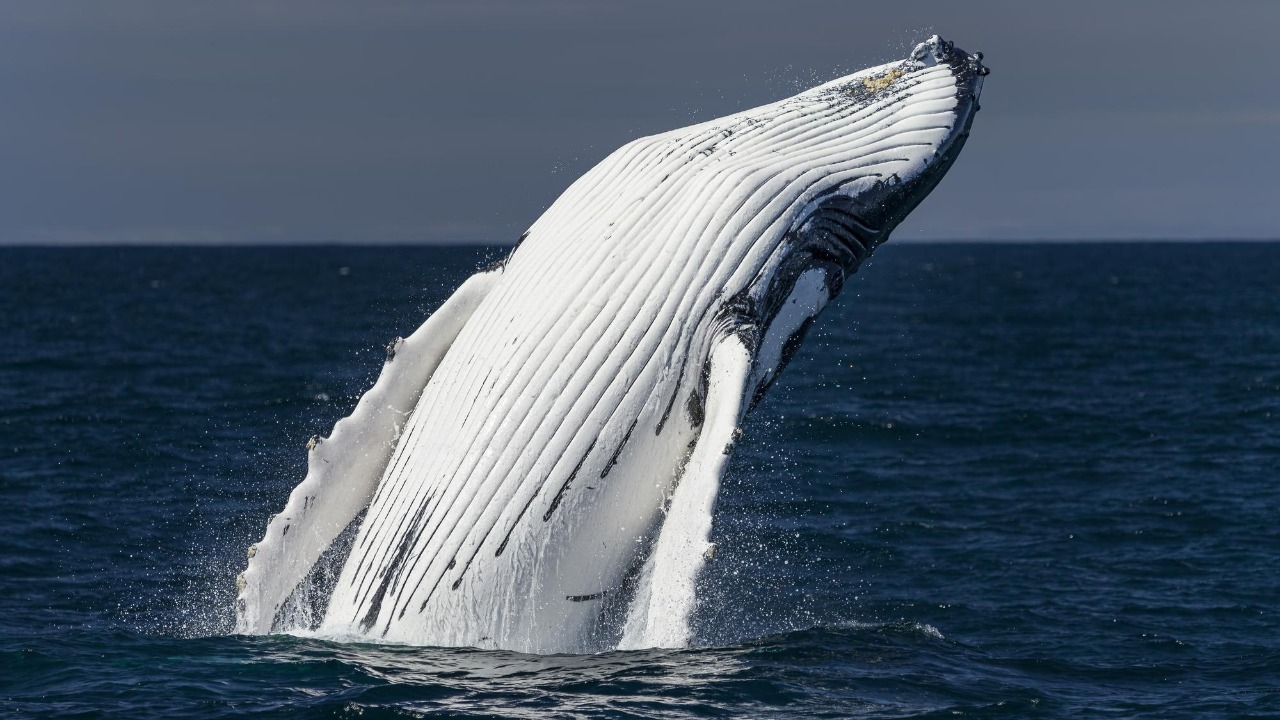
The sight of hundreds of humpback whales gathering in what are now referred to as “super-groups” is both mesmerizing and puzzling. Typically, humpback whales are known to travel in small pods or even alone during their long migratory journeys. These super-groups, however, can consist of up to 200 whales, a stark contrast to the usual groups of two to three individuals. Such gatherings have been documented more frequently in recent years, particularly off the coast of South Africa, where these massive congregations have been spotted during the summer months.
The locations and timings of these gatherings are of particular interest to researchers. Primarily observed along the South African coast, these super-groups seem to coincide with specific times of the year, suggesting a potential link to seasonal changes. The scientific community was caught by surprise when these gatherings were first documented, leading to a flurry of research activities aimed at understanding the underlying causes. As noted in National Geographic, these occurrences have sparked both intrigue and curiosity among marine biologists, who are keen to unravel the mysteries of this behavior.
Possible Explanations for the Super-Group Behavior
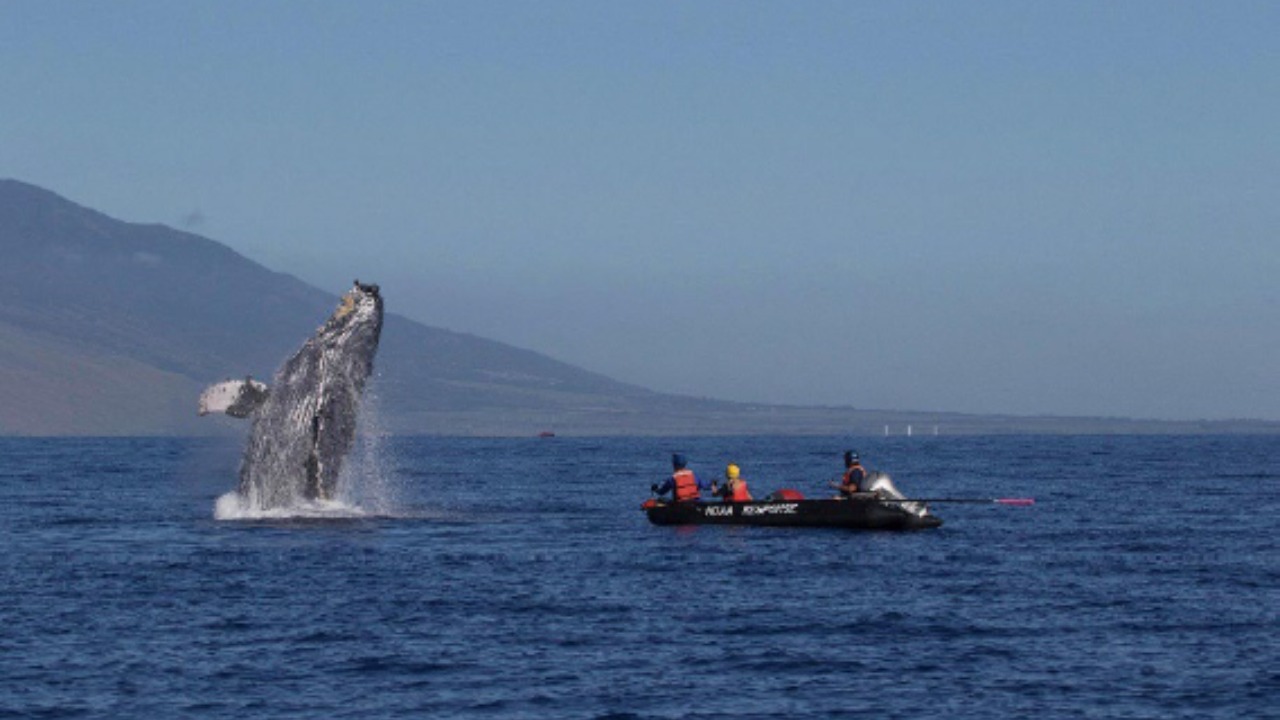
One of the leading hypotheses for these massive gatherings is the abundance of food. Changes in prey availability, such as large swarms of krill or small fish, might be attracting humpback whales in such vast numbers. The South African coast, known for its rich marine biodiversity, could be offering an irresistible feast for these whales, encouraging them to break from their typical social structures to exploit the available food resources. However, this hypothesis remains speculative and requires further investigation to confirm.
Another intriguing possibility is that evolving social structures and communication methods among humpback whales could be influencing the formation of super-groups. As social creatures, humpbacks use complex songs and vocalizations to communicate, and it’s possible that these gatherings are a result of enhanced communication strategies. This behavior could represent a shift in how humpbacks interact with one another, possibly indicating a more complex social hierarchy or a new method of information exchange.
Environmental changes, such as shifts in ocean temperatures and currents, may also play a significant role in this phenomenon. As the climate continues to change, altering oceanic conditions could be affecting the distribution of prey species, leading to the congregation of whales in certain areas. Understanding the impact of these environmental factors is crucial, as highlighted in Atlas Obscura, where researchers emphasize the need to consider the broader ecological implications of these super-groups.
Challenges in Understanding Whale Behavior
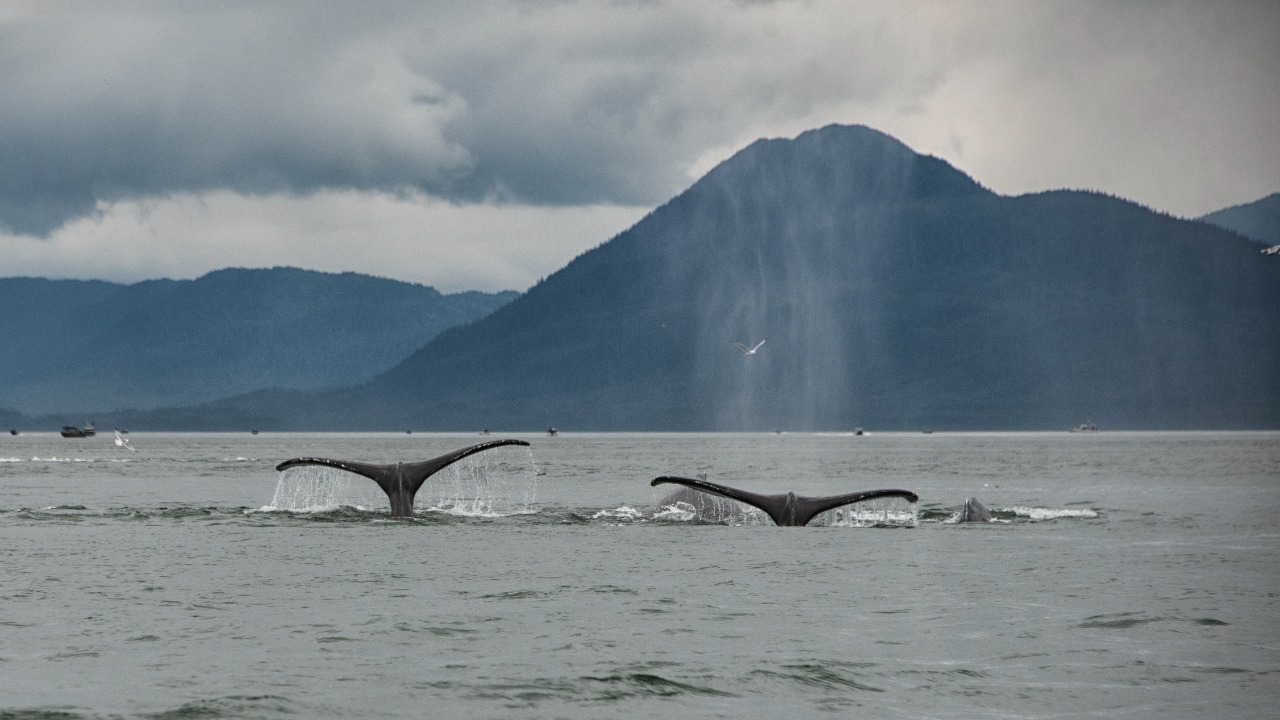
Despite the excitement surrounding these gatherings, studying super-groups presents significant challenges. Technological and logistical limitations often hinder researchers’ ability to gather comprehensive data. The vast oceanic expanses and the whales’ unpredictable movements make it difficult to deploy tracking devices or observe these creatures over extended periods. As mentioned in research studies, overcoming these obstacles is essential for gaining deeper insights into the behavior of humpback whales.
Interpreting complex and infrequent behaviors in marine animals is inherently difficult. The sporadic nature of these super-groups means that scientists have only limited opportunities to observe and study them. The complexity of whale behavior, combined with the vastness of their oceanic habitat, adds layers of difficulty to understanding the full scope of this phenomenon. Consequently, there is a pressing need for interdisciplinary approaches that combine marine biology, ecology, and technology to develop a more comprehensive understanding of these gatherings.
Implications for Conservation and Marine Ecology

The emergence of humpback whale super-groups could have profound implications for marine ecosystems. The presence of hundreds of whales in a concentrated area may impact local marine life, potentially leading to changes in the distribution and behavior of prey species. Such large gatherings could disrupt existing ecological balances, and understanding these impacts is vital for developing effective conservation strategies.
These findings may also influence conservation efforts and policies aimed at protecting humpback whales. By gaining insights into their behavior and habitat use, conservationists can better design marine protected areas and implement measures to mitigate potential threats. As noted in relevant literature, understanding these gatherings sheds light on the adaptability and resilience of marine species in a changing world.
Future Research Directions

To unravel the mysteries of humpback whale super-groups, advancements in technology will be crucial. The use of drones, satellite tracking, and other innovative tools can provide researchers with valuable data on whale movements, social interactions, and environmental conditions. These technologies have the potential to revolutionize the study of marine life, offering new insights into the behavior and ecology of humpback whales.
Long-term monitoring is essential for understanding the dynamics of these gatherings over time. Continuous research efforts will help scientists identify trends and patterns, allowing them to develop more accurate models of whale behavior. The need for ongoing observation underscores the importance of sustained funding and support for marine research initiatives.
Collaboration and data sharing among scientists, researchers, and institutions worldwide are vital for advancing the study of humpback whale behavior and ecology. By pooling resources and expertise, the scientific community can accelerate the pace of discovery and gain a more comprehensive understanding of the factors driving these super-groups. As highlighted in Business Insider, international cooperation is key to addressing the complex challenges of marine conservation and ecological research.
