Residents of Arizona were left puzzled by a mysterious glowing streak in the sky, prompting widespread speculation about its origin. The unexpected phenomenon captured on October 1, 2025, caught the attention of both locals and experts alike. As the glowing streak illuminated the night sky, it sparked curiosity and wonder, leading to a flurry of discussions and theories about its cause.
Witness Accounts and Public Reactions
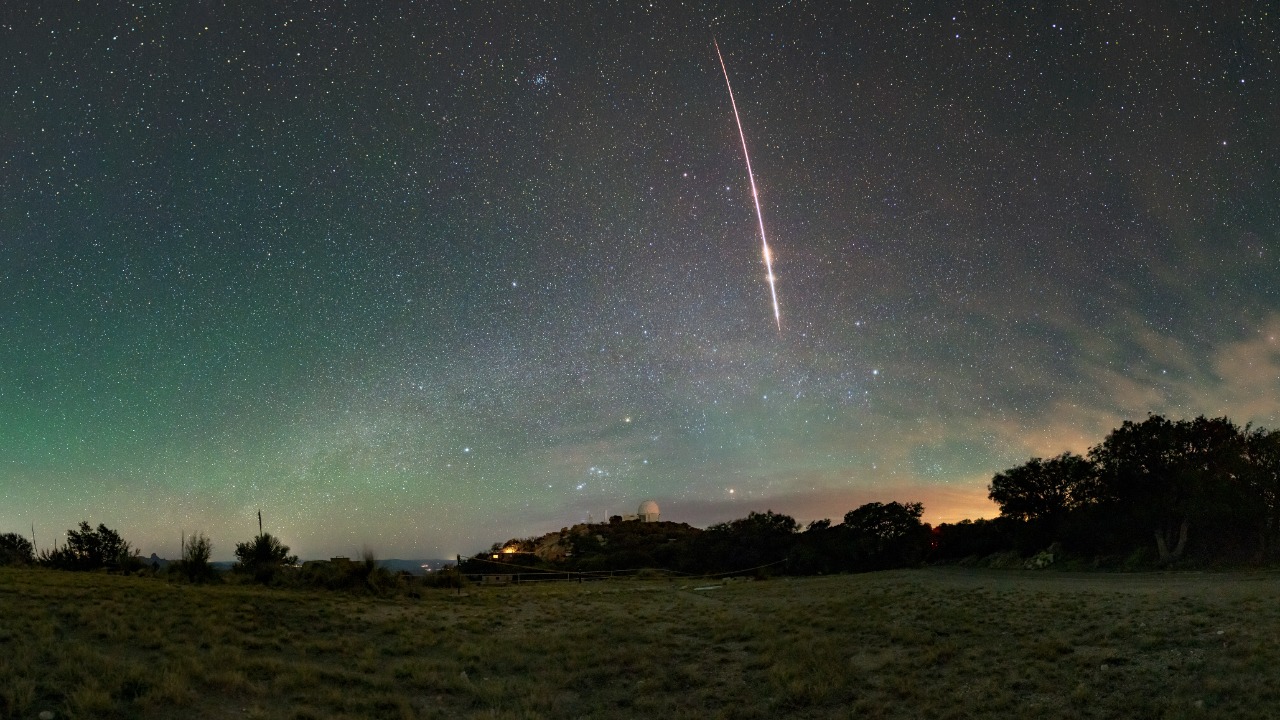
Eyewitnesses across Arizona reported seeing a vivid streak of light traversing the sky, sparking a mix of awe and concern among onlookers. Many described the sight as both beautiful and unsettling, with some speculating about extraterrestrial origins or secret military operations. The event quickly became a hot topic on social media platforms, where residents shared videos and photos, eager to capture and disseminate the moment. This digital deluge of images and clips provided a variety of perspectives on the phenomenon, further fueling public intrigue and debate. The rapid spread of these images and videos online underscores the power of social media in documenting and sharing real-time events. As more people contributed their observations, the collective narrative around the glowing streak evolved, with some users even creating dedicated hashtags to track developments and theories. This communal sharing not only amplified the event’s visibility but also highlighted the diverse reactions and interpretations from different parts of the state.
In addition to the social media buzz, local news outlets quickly picked up the story, interviewing residents who witnessed the event firsthand. Many described the streak as a once-in-a-lifetime experience, with some noting that it evoked a sense of wonder reminiscent of childhood stargazing. The phenomenon also sparked impromptu gatherings in neighborhoods, where people came together to discuss what they had seen and share their theories. This collective experience fostered a sense of community, as people bonded over their shared curiosity and the mystery of the night sky.
Public reactions varied widely, with some individuals expressing fear and anxiety about potential dangers, while others were excited by the possibility of witnessing a rare natural event. The diversity of reactions highlighted the different ways people interpret and respond to unexpected occurrences, reflecting broader societal attitudes towards the unknown. This event served as a reminder of the human tendency to seek explanations and the comfort that comes from understanding the world around us.
Expert Analysis and Explanations
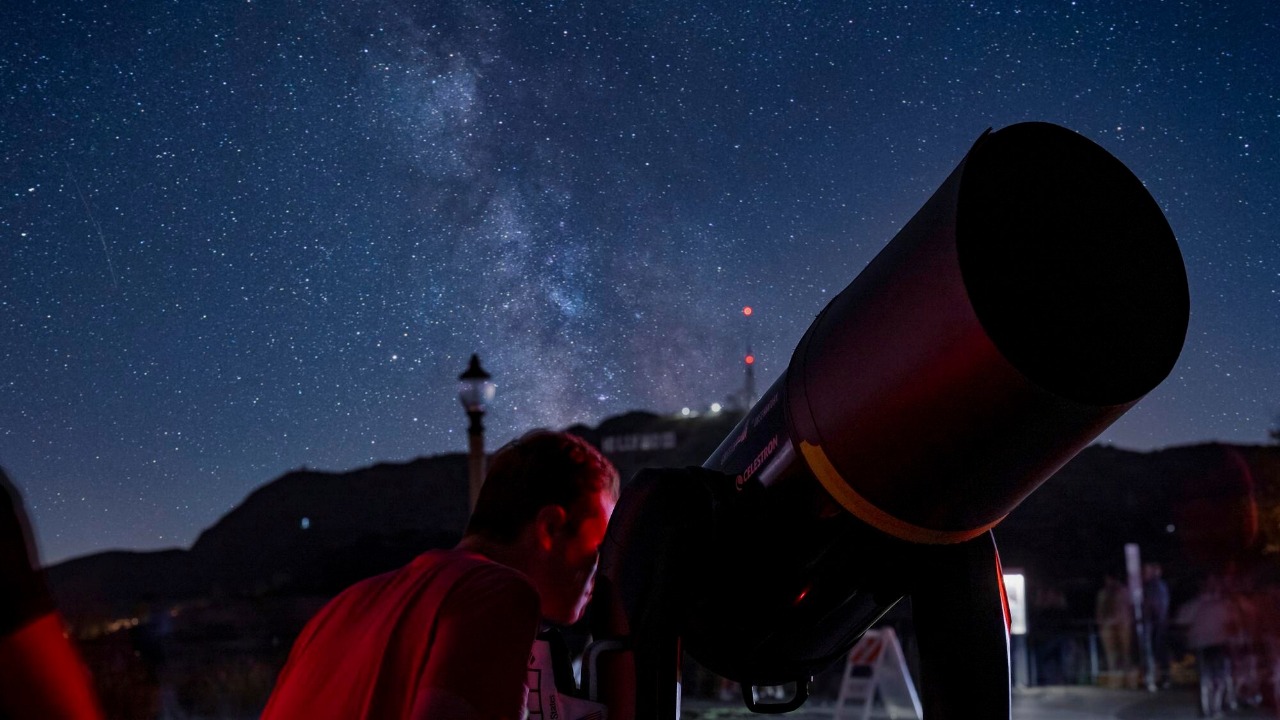
In the wake of the glowing streak’s appearance, astronomers and other experts stepped forward to provide explanations, aiming to dispel myths and speculation. According to experts, the phenomenon was identified as a natural atmospheric event, likely caused by a meteor entering the Earth’s atmosphere. This scientific perspective helped to clarify the situation, offering a rational explanation that countered more fantastical theories circulating online. The identification of the streak as a meteor-related event aligns with historical patterns of similar occurrences. Experts pointed out that such events, while rare, are not unprecedented and can often be explained by natural causes. By providing this context, scientists helped to demystify the event, reassuring the public and emphasizing the importance of scientific inquiry in understanding natural phenomena.
Experts from the Arizona State University Planetarium provided detailed explanations, noting that the glowing streak’s color and trajectory were consistent with a meteor burning up upon entering the Earth’s atmosphere. They explained that the intense heat generated by the meteor’s high-speed entry causes it to glow brightly, creating the spectacular visual display observed by residents. This scientific insight helped to alleviate fears by framing the event within the context of known astronomical phenomena.
Furthermore, experts emphasized the importance of public education in dispelling myths and fostering a better understanding of such events. They pointed out that increased awareness and knowledge about atmospheric phenomena can help reduce panic and misinformation. By engaging with the public through media appearances and educational outreach, scientists aim to promote a culture of curiosity and informed inquiry, encouraging people to look to science for answers.
Impact on Local Community
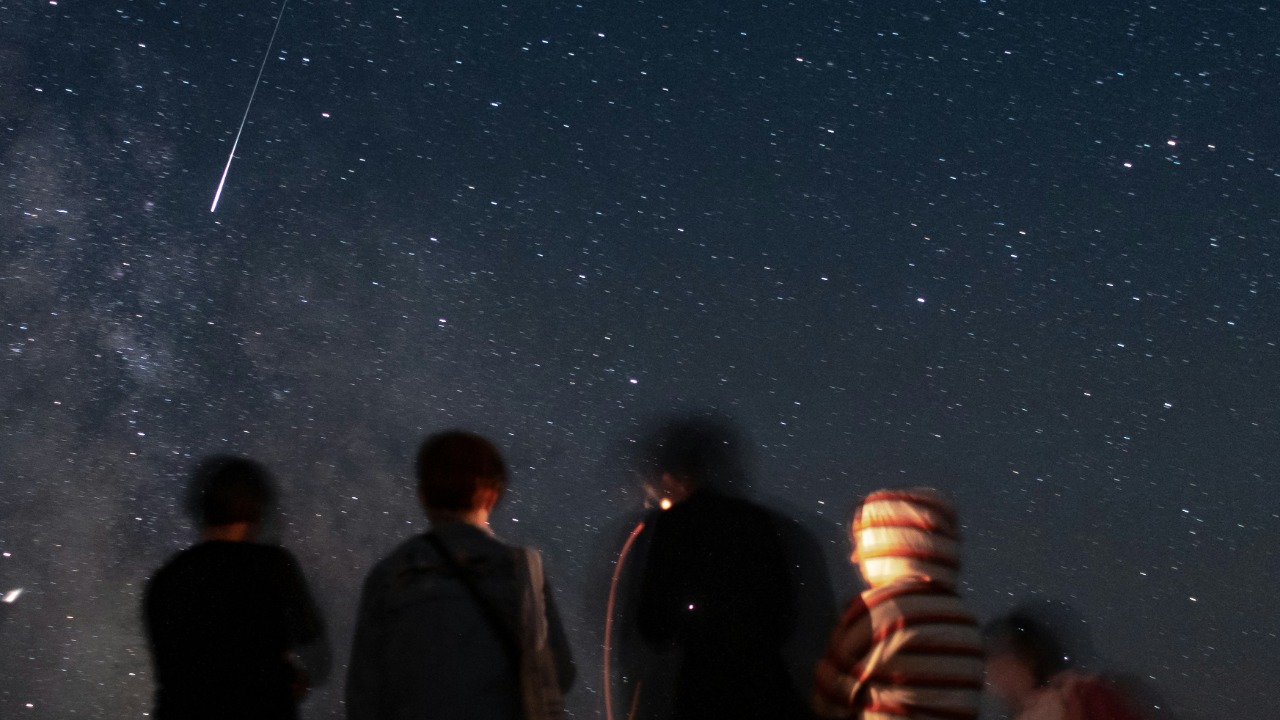
The glowing streak over Arizona has sparked a surge in interest in astronomy and related sciences among residents. Local observatories have reported increased attendance, as people seek to learn more about the skies above them. This newfound curiosity has been embraced by community leaders, who have organized events and discussions to educate the public about atmospheric phenomena and the science behind them. These educational initiatives have not only fostered a greater appreciation for astronomy but have also strengthened community bonds. By engaging with the public through informative sessions and interactive experiences, local leaders have turned the mysterious event into an opportunity for learning and connection. This proactive approach has helped to channel the initial curiosity and speculation into a constructive dialogue about science and nature.
The event has also had economic implications for the local community, with businesses near popular viewing spots experiencing a surge in visitors. Restaurants and cafes reported increased patronage as people gathered to discuss the event, turning it into a social occasion. This unexpected boost has been welcomed by local business owners, who see it as an opportunity to engage with the community and attract new customers.
In response to the heightened interest in astronomy, local schools have incorporated the event into their science curricula, using it as a case study to teach students about meteors and atmospheric science. This educational focus not only enriches students’ learning experiences but also inspires the next generation of scientists and astronomers. By leveraging the public’s interest, educators hope to foster a long-term appreciation for science and exploration.
Historical Context of Similar Phenomena
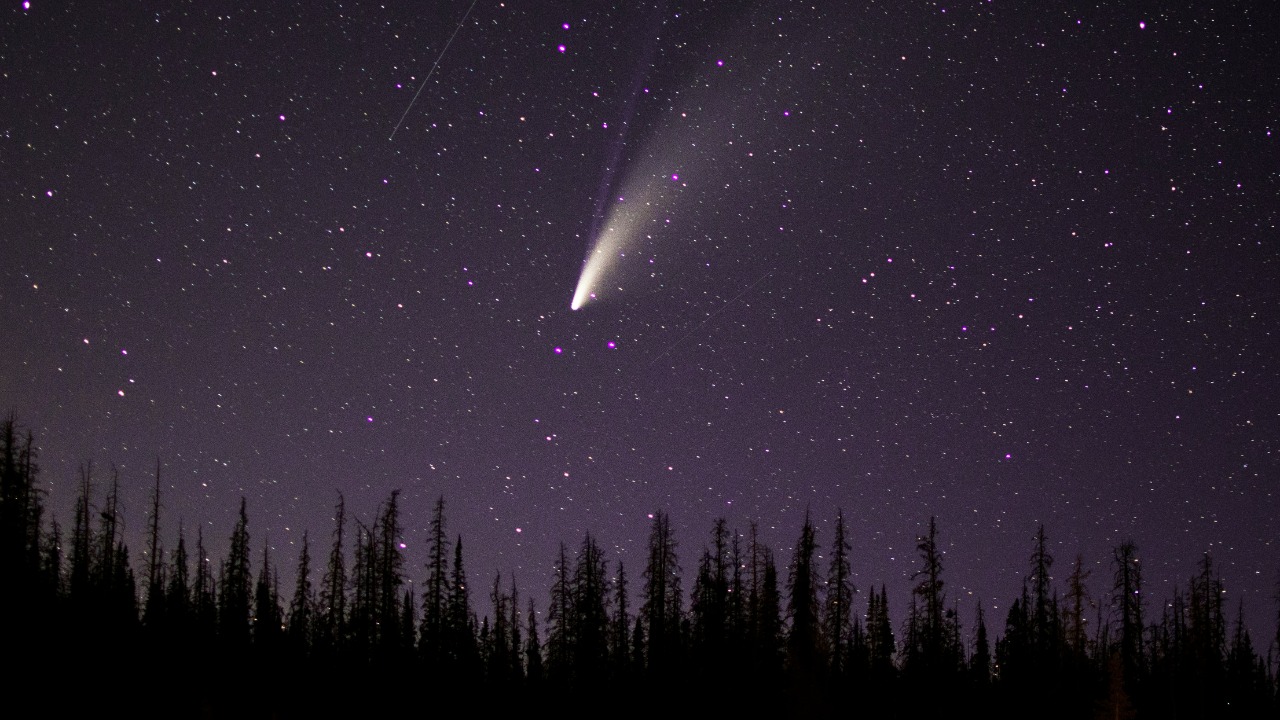
Historical records indicate that glowing streaks in the sky have been observed in various parts of the world, often attributed to natural causes such as meteors or atmospheric conditions. These past events provide valuable context for understanding the recent Arizona sighting, offering insights into the frequency and nature of such occurrences. By comparing the current event to historical examples, experts can better assess its significance and potential implications. The Arizona streak, while captivating, fits within a broader pattern of similar phenomena that have been documented over the years. These comparisons help to demystify the event, reinforcing the idea that while such occurrences are rare, they are part of the natural world. By situating the Arizona sighting within this historical framework, experts can provide a more comprehensive understanding of its place in the larger tapestry of atmospheric events. Source
Throughout history, similar glowing streaks have been recorded, often accompanied by a mix of awe and superstition. In ancient times, such phenomena were frequently interpreted as omens or messages from the gods, reflecting the limited scientific understanding of the era. As scientific knowledge advanced, these events were reinterpreted through the lens of astronomy, leading to a more nuanced understanding of their causes and significance.
One notable historical example is the Great Meteor Procession of 1913, which was observed across North America and sparked widespread interest and speculation. Like the Arizona streak, it was eventually explained as a natural celestial event, contributing to the growing body of knowledge about meteors and their behavior. By examining these historical precedents, experts can better contextualize the Arizona event, highlighting the continuity of human fascination with the skies and the ongoing quest to unravel their mysteries.
