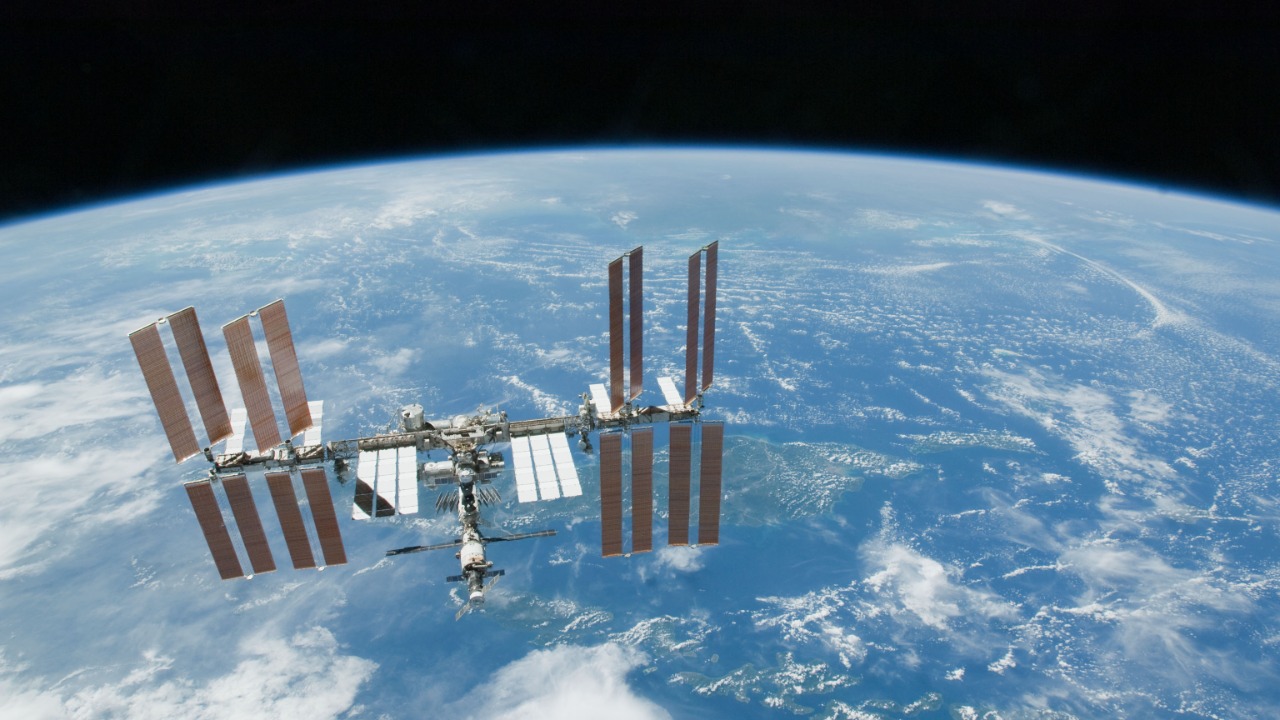

A mysterious object has reentered Earth’s atmosphere, sparking curiosity and concern among scientists and the public alike. As remnants of human and natural space endeavors occasionally fall back to Earth, this event highlights both the wonders and the perils of our expanding presence in space.
The Phenomenon of Reentry
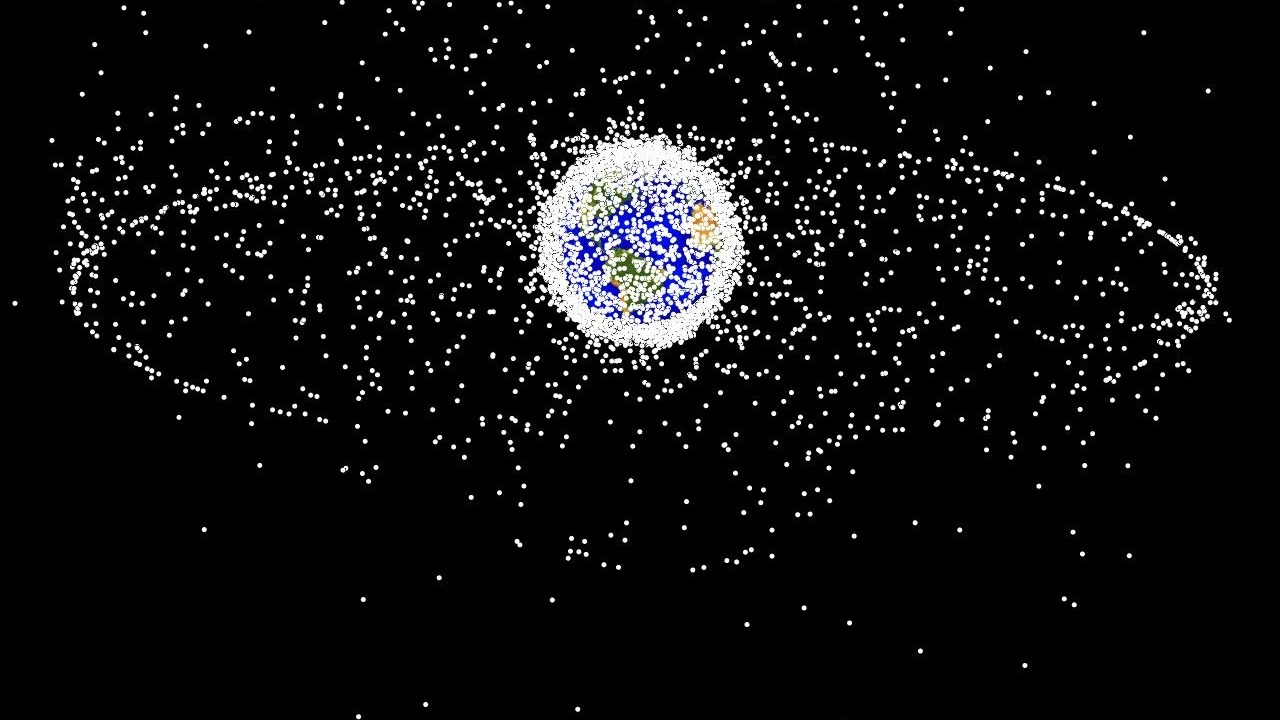
Space debris refers to defunct artificial objects in space, such as old satellites, spent rocket stages, and fragments from disintegration or collisions. These objects, often remnants of past space missions, pose a risk to both operational satellites and human spaceflight. Notable historical reentry events have included large pieces of debris falling back to Earth, sometimes causing concern for the communities below.
When objects enter the Earth’s atmosphere, they do so at high speeds, creating intense heat due to friction with atmospheric particles. The trajectory of an object largely influences whether it will burn up completely or survive reentry. Factors like the object’s size, material composition, and angle of descent play crucial roles in its survivability, making each reentry event unique and unpredictable.
The Mysterious Object: Origins and Theories

Identifying the origin of reentering space objects can be challenging. The vast number of satellites and missions launched over decades makes tracking specific pieces of debris difficult. Similar incidents, like the mystery of a metal ring falling from the sky, highlight the complexities involved in tracing such objects back to their source.
Speculation abounds regarding the nature of the mysterious object, with theories ranging from defunct satellites to remnants of past space missions. Some experts suggest that natural phenomena, such as interstellar objects, could also be responsible. Ongoing investigations aim to uncover more about this enigmatic piece of debris and its journey through space.
Impact on Communities and Environment
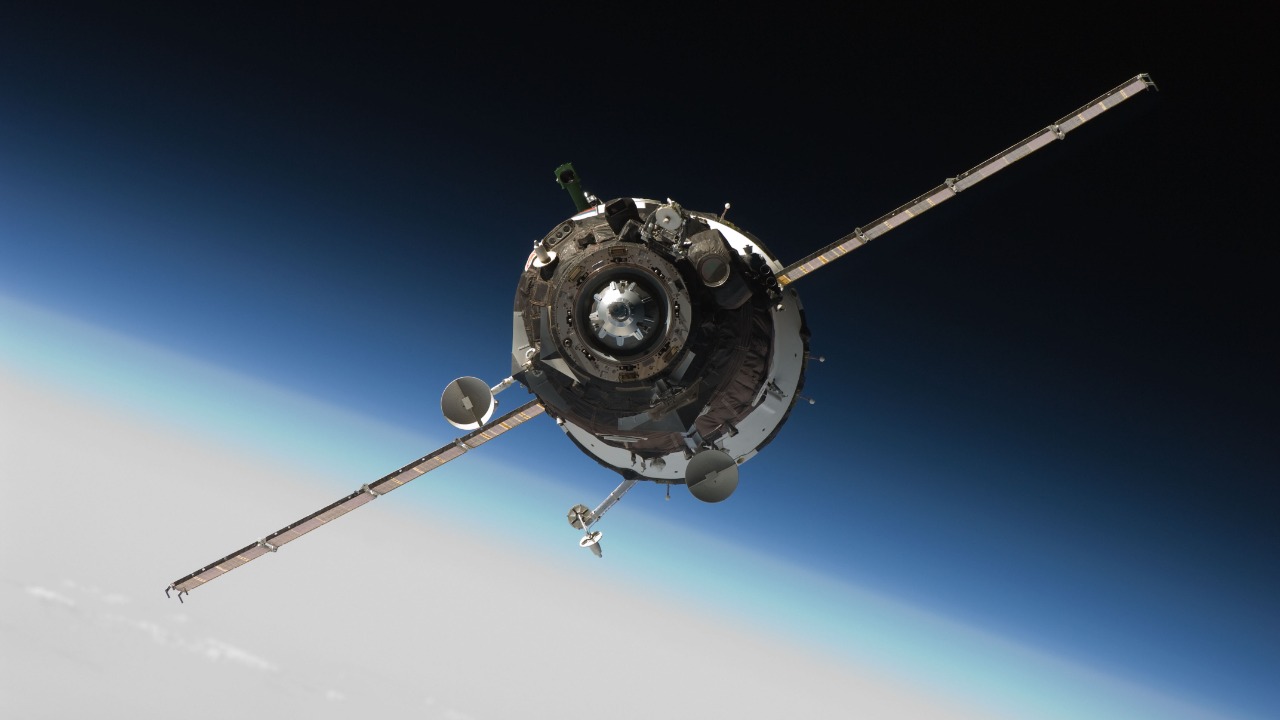
One recent incident in a Kenyan village illustrates the potential social and environmental effects of space debris. According to reports, debris believed to be leftover rocket hardware crashed into the area, causing concern among residents. While no injuries were reported, the event underscores the unpredictable nature of reentry events and their potential to disrupt communities.
Beyond immediate impacts, space debris poses long-term environmental concerns. The accumulation of debris in Earth’s orbit threatens to damage ecosystems if not managed effectively. Measures to mitigate these impacts are essential, as the growing presence of space debris could have lasting consequences for our planet.
Scientific and Technological Implications
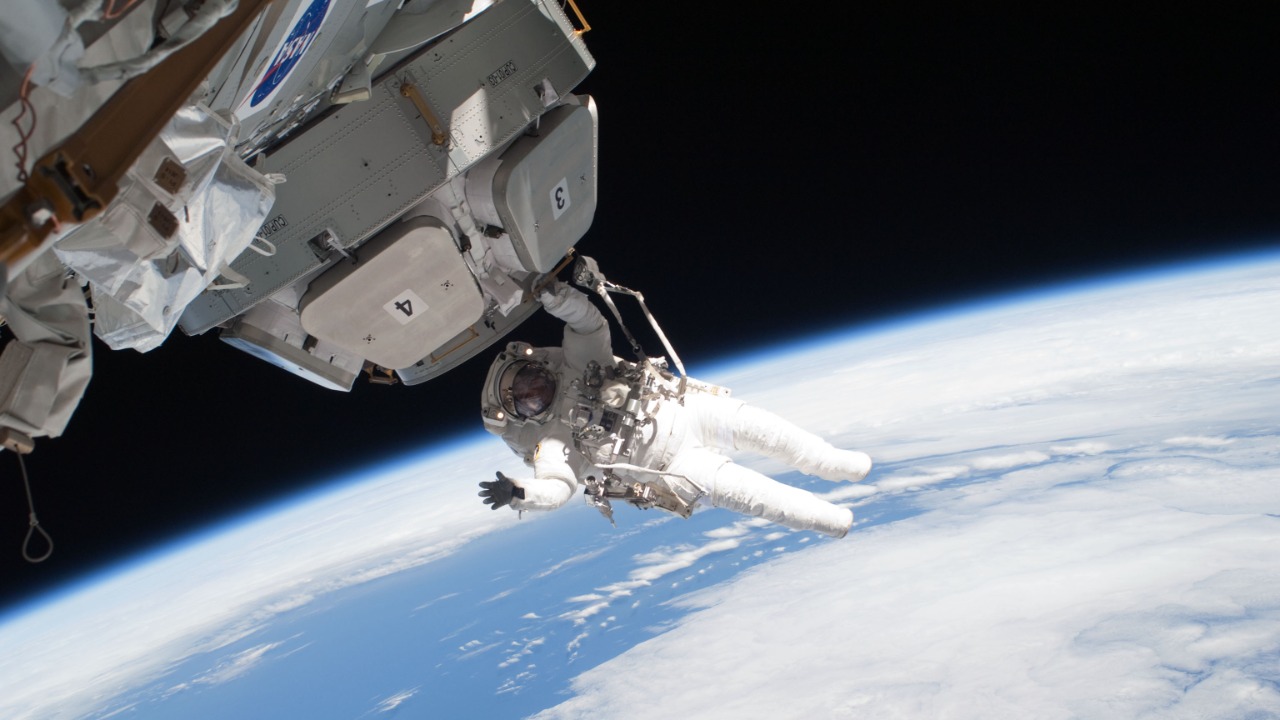
Advancements in technology have made it possible to track and analyze space debris more effectively. Innovations in radar and satellite monitoring systems allow scientists to better predict reentry events and assess potential risks. As technology continues to evolve, future developments promise to enhance our ability to detect and manage space debris.
International cooperation plays a crucial role in managing space debris. Collaborative efforts among spacefaring nations aim to establish comprehensive policies and agreements to address this growing challenge. By working together, countries can ensure the safe and sustainable use of space for future generations, balancing the need for exploration with environmental responsibility.
The Future of Space Debris Management
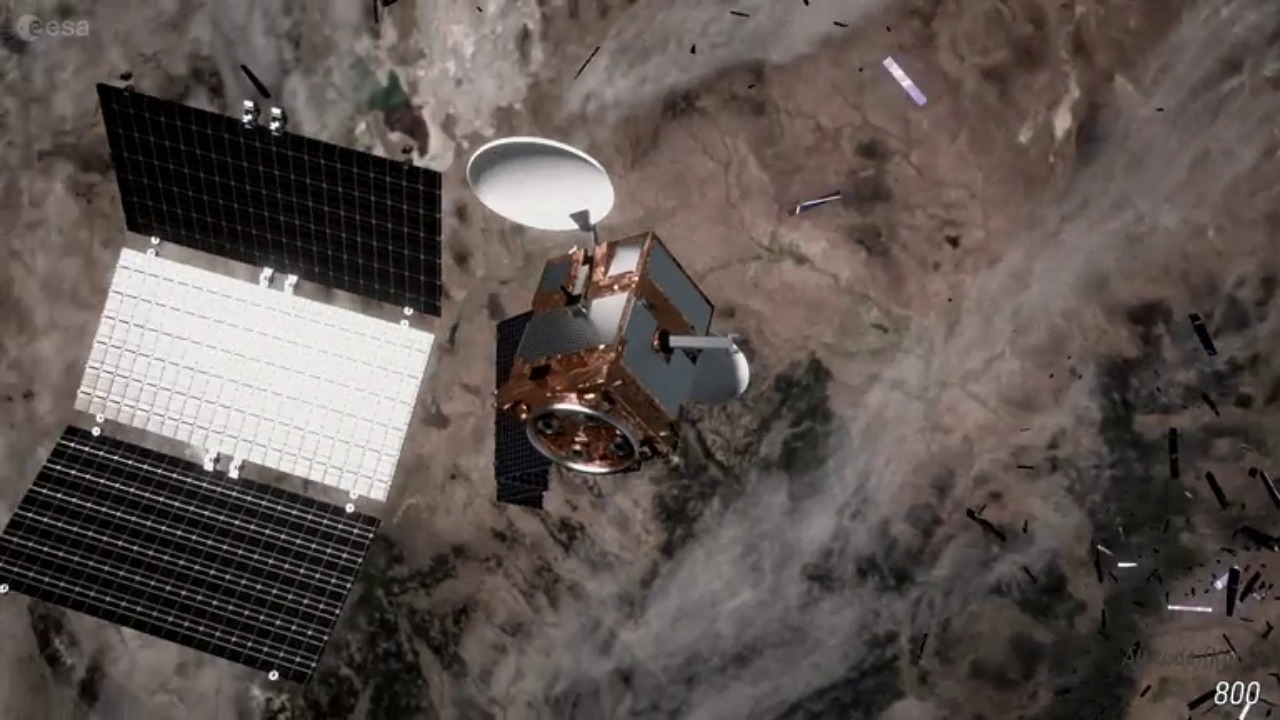
Emerging technologies offer exciting possibilities for cleaning up space junk. From robotic systems designed to capture and remove debris to innovative concepts for preventing the creation of new debris, these innovations hold promise for addressing the issue. Sustainable practices in space missions, such as designing satellites with deorbiting capabilities, are also being explored to minimize future debris.
Policy and regulation present challenges in space debris management. Balancing the pursuit of exploration with the responsibility to protect the environment is a delicate task. As space activities continue to expand, there is a growing need for updated international space laws and compliance mechanisms to ensure responsible practices.
Public Awareness and Education

Raising public awareness about space debris is essential for fostering a culture of responsibility in space exploration. The media plays a critical role in educating the public about the hazards of space debris and the importance of sustainable practices. Community engagement initiatives can further promote understanding and involvement in efforts to ensure space sustainability.
Encouraging responsible space exploration requires a commitment to ethical practices within the space industry. By promoting transparency and accountability, the industry can inspire the next generation of scientists and policymakers to prioritize sustainability. As humanity’s reach extends further into space, education and awareness will be crucial in guiding our actions and ensuring a safe and sustainable future.