
A mysterious hum resonating from deep space has captured the attention of scientists and the public alike. Detected by the Voyager spacecraft, this eerie sound has sparked questions and intrigue about the nature and origin of such cosmic phenomena. As researchers delve deeper into this enigma, the hum continues to challenge our understanding of the vast universe.
The Discovery of the Hum
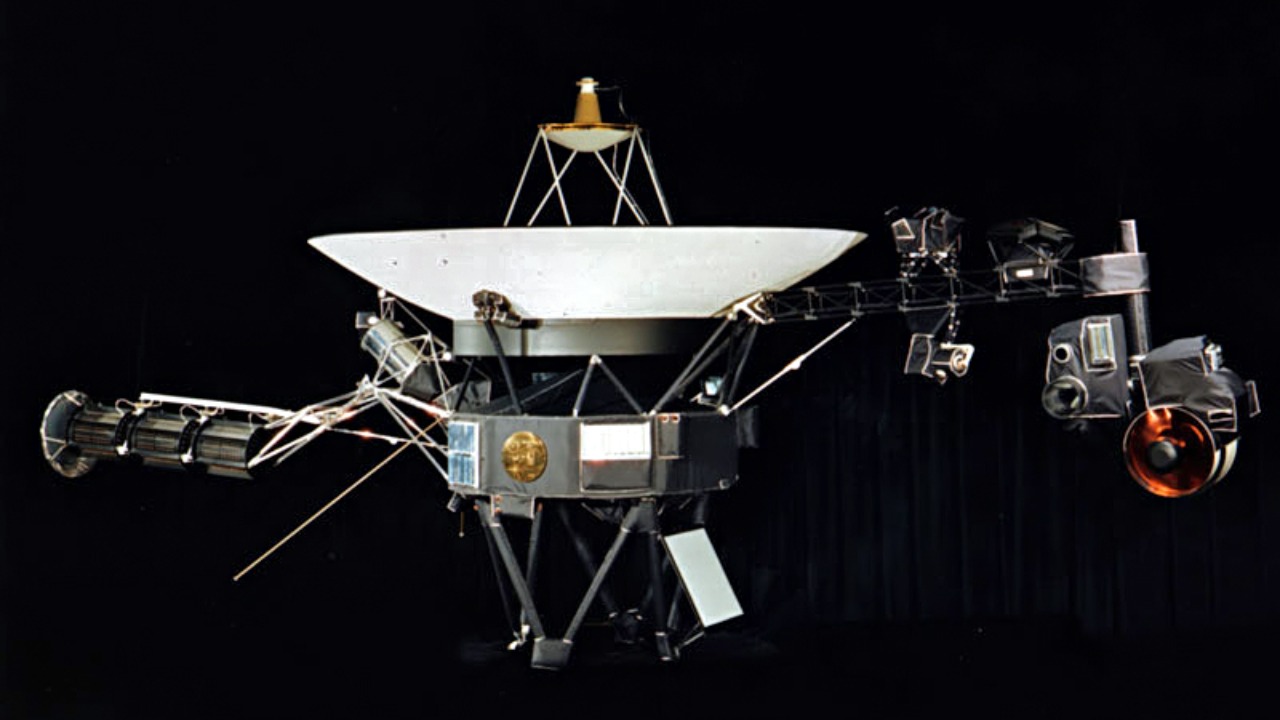
The Voyager spacecraft, launched in 1977, has been a cornerstone of space exploration, providing invaluable data from the fringes of our solar system. Equipped with state-of-the-art instruments, Voyager detected the hum while traversing the interstellar medium, the space between star systems. The probe’s Plasma Wave System, designed to measure electron density, captured this persistent low-frequency vibration. The sensitivity of these instruments to interstellar vibrations has proven crucial in detecting such faint cosmic sounds, allowing scientists to analyze the data thoroughly.
Upon the hum’s discovery, scientists were both intrigued and puzzled. Initial reactions ranged from excitement to skepticism, with various hypotheses emerging about its origins. Could it be the result of interstellar gas interacting with cosmic radiation, or perhaps a previously unidentified cosmic phenomenon? As researchers debated these possibilities, the public’s interest soared, fueled by media coverage highlighting the potential significance of this discovery. Articles on platforms like Big Think have delved into the hum’s implications, sparking widespread curiosity and discussion.
Understanding the Phenomenon
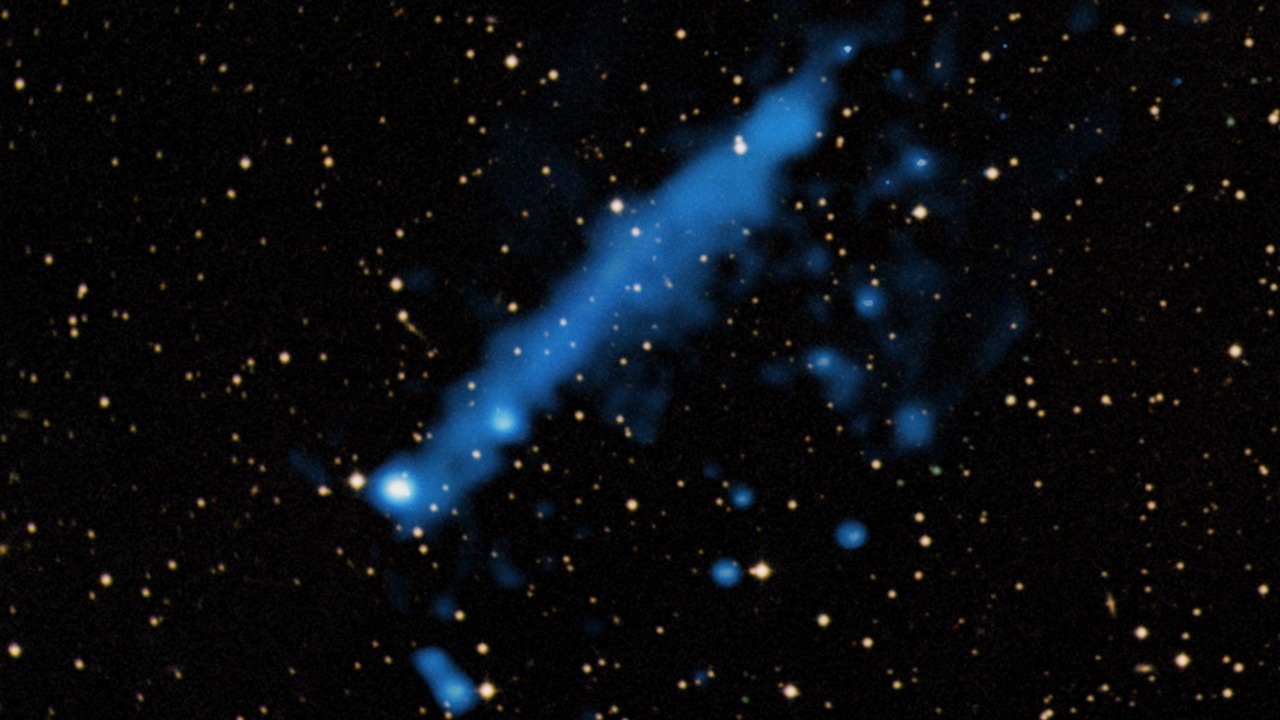
The characteristics of the hum are both fascinating and perplexing. Described as a low-frequency vibration, it persists over time, offering a continuous soundtrack from the cosmos. Its frequency is notably different from other known space sounds, such as the rapid pulses of pulsars or the dramatic roars of black hole emissions. This distinction raises questions about its source and how it fits into our current understanding of space acoustics.
Several scientific theories have been proposed to explain the hum. Some suggest it might result from the interaction of solar winds with the interstellar medium, while others consider the possibility of cosmic radiation influencing interstellar gas. However, confirming these theories poses significant challenges, given the vast distances and the limitations of current technology. Despite these hurdles, researchers remain committed to unraveling the mystery, using advanced data analysis tools and AI to process the vast amounts of data collected by Voyager.
Impact on Space Research
The discovery of the hum has spurred advancements in space exploration technology. Scientists and engineers are now developing more sophisticated instruments to detect and analyze cosmic sounds, aiming to improve our understanding of the universe. AI and machine learning play a pivotal role in this endeavor, assisting researchers in sifting through complex data sets to identify patterns and anomalies. These technological advancements promise to enhance our ability to explore the cosmos, potentially leading to new discoveries.
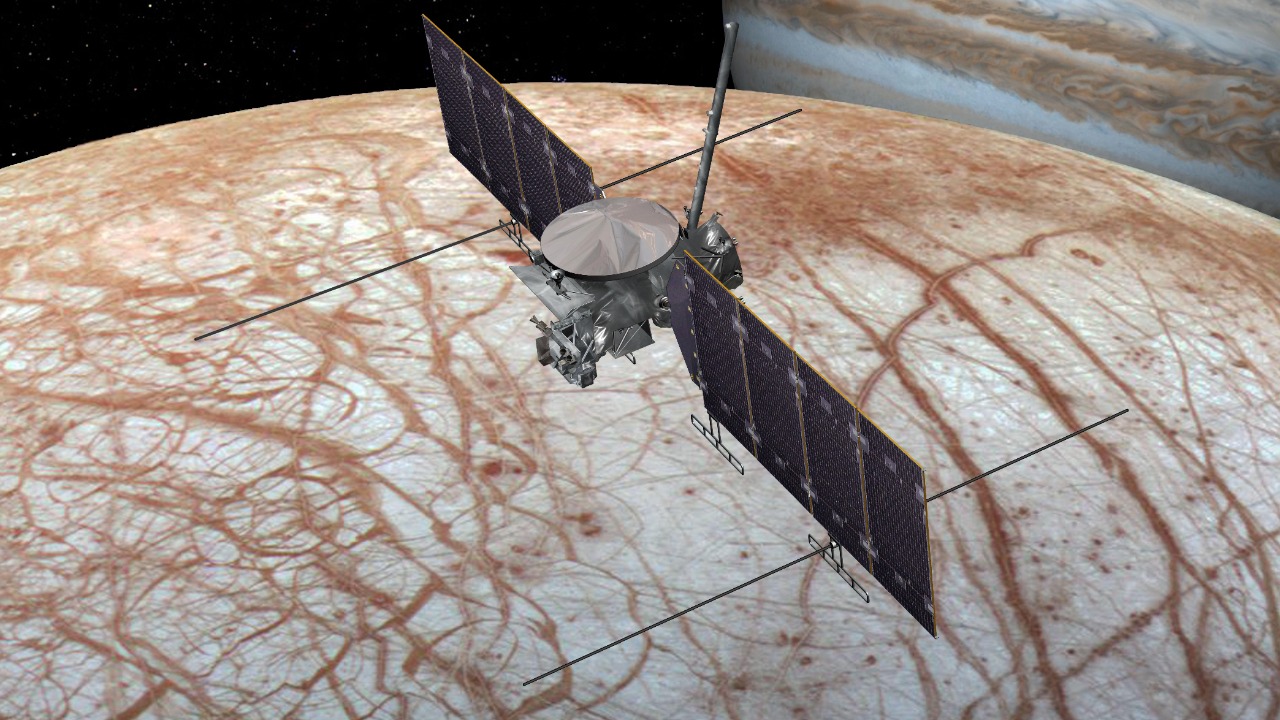
Moreover, the hum’s detection has significant implications for future space missions. The insights gained from this discovery are being integrated into the planning of upcoming explorations, emphasizing the importance of continuous monitoring of interstellar space sounds. Missions like NASA’s upcoming Europa Clipper and the James Webb Space Telescope may incorporate these findings to refine their objectives and methodologies. Such integration ensures that we remain at the forefront of space exploration, prepared to uncover the universe’s hidden secrets.
Historical Context of Cosmic Sounds

The hum is not the first mysterious sound recorded from space. Throughout history, scientists have encountered various unexplained cosmic noises, each adding a new layer to our understanding of the universe. For instance, the discovery of pulsars in the 1960s revealed rapidly rotating neutron stars emitting regular pulses of radiation, while more recent detections of black hole emissions have provided insights into these enigmatic entities. These discoveries have taught us valuable lessons about interpreting space sounds and the underlying phenomena they represent.
Culturally and philosophically, these cosmic sounds challenge our perception of the universe. They remind us of the vastness and mystery of space, prompting us to reflect on our place within it. As we continue to explore these phenomena, they shape our understanding of the cosmos and inspire us to ponder the bigger questions about existence and our connection to the universe. Articles like those found in the Central and Eastern European Online Library explore these cultural and philosophical implications, offering a broader perspective on humanity’s quest to understand the cosmos.
Ongoing Research and Future Prospects

Current studies on the hum are ongoing, with researchers across the globe collaborating to unlock its mysteries. International space agencies are pooling resources and expertise, leveraging the latest technology to investigate cosmic sounds. This collaborative effort ensures a comprehensive approach to understanding the hum, drawing on diverse perspectives and expertise.
The road ahead is filled with potential for groundbreaking discoveries. As technology advances and our understanding of space acoustics deepens, we may uncover new insights into the universe’s mysteries. Predictions for future discoveries include identifying more cosmic sounds and perhaps even finding correlations between these sounds and other cosmic events. The potential for new breakthroughs is immense, promising to reshape our understanding of the universe and our place within it.
