Scientists have detected a mysterious ‘ghost particle’ in Italy, stunning the research community with its potential link to a dying black hole. This enigmatic particle, often referred to as a ‘ghost particle’ due to its elusive nature, was captured by instruments in Italy, prompting speculation about cosmic origins far beyond our galaxy. The discovery highlights ongoing advancements in particle detection technology and their role in unraveling black hole mysteries. Source, Source.
The Nature of the Ghost Particle
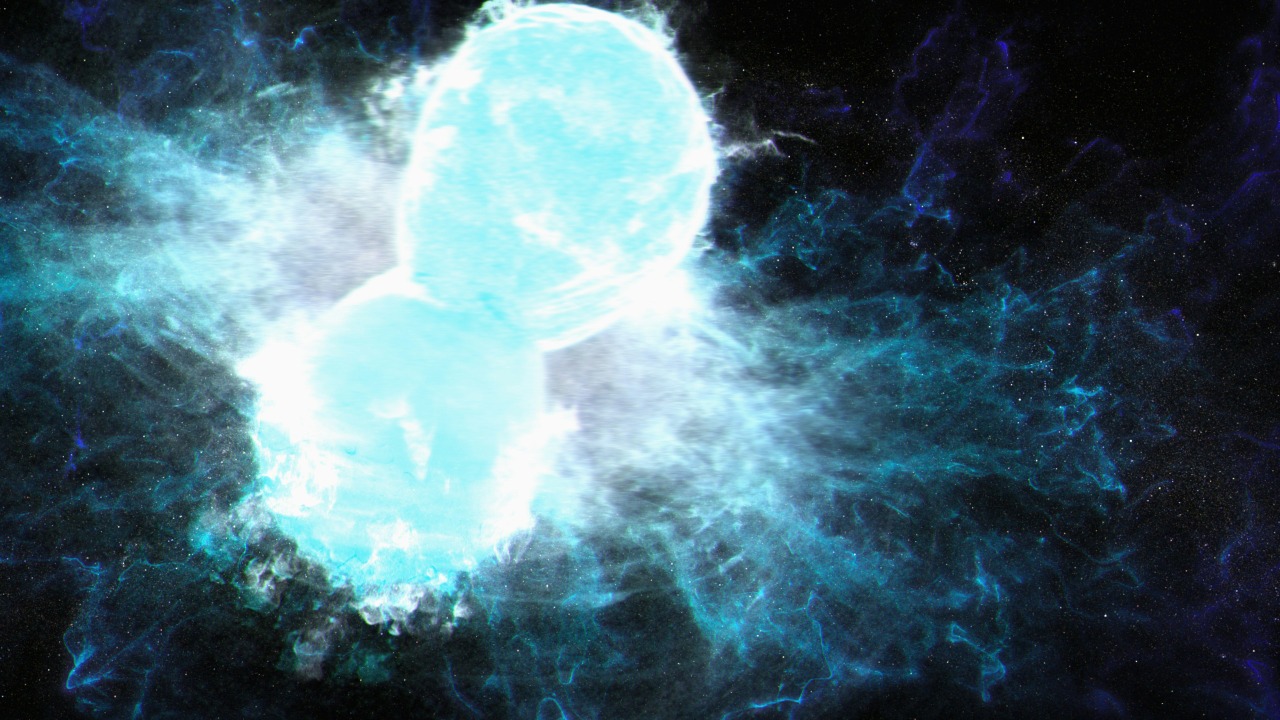
The term ‘ghost particle’ is used to describe subatomic particles that are notoriously difficult to detect due to their weak interaction with matter. These particles, such as neutrinos, can pass through entire planets without being absorbed or deflected. The recent detection in Italy involves a high-energy particle that fits this elusive profile, making it a subject of intense scientific interest. Its mysterious nature stems from the challenge it poses to current detection methods and the potential insights it offers into the universe’s most enigmatic phenomena. Source.
Unlike other subatomic particles, ghost particles like neutrinos rarely interact with other matter, which makes them incredibly difficult to observe directly. This characteristic sets them apart from particles such as electrons or protons, which are more easily detected due to their frequent interactions with other particles. The high-energy nature of the detected particle adds another layer of intrigue, as it suggests origins from extreme cosmic events, potentially offering a glimpse into processes occurring in distant parts of the universe.
Understanding ghost particles is crucial for advancing our knowledge of the universe’s fundamental forces and particles. These particles, particularly neutrinos, are produced in vast quantities in nuclear reactions, such as those occurring in the sun, supernovae, and other cosmic phenomena. Their ability to travel vast distances without interference makes them valuable messengers from the far reaches of the cosmos. By studying their properties, scientists can gain insights into the processes that govern the universe at both the largest and smallest scales, potentially uncovering new physics beyond the current Standard Model.
Detection in Italy
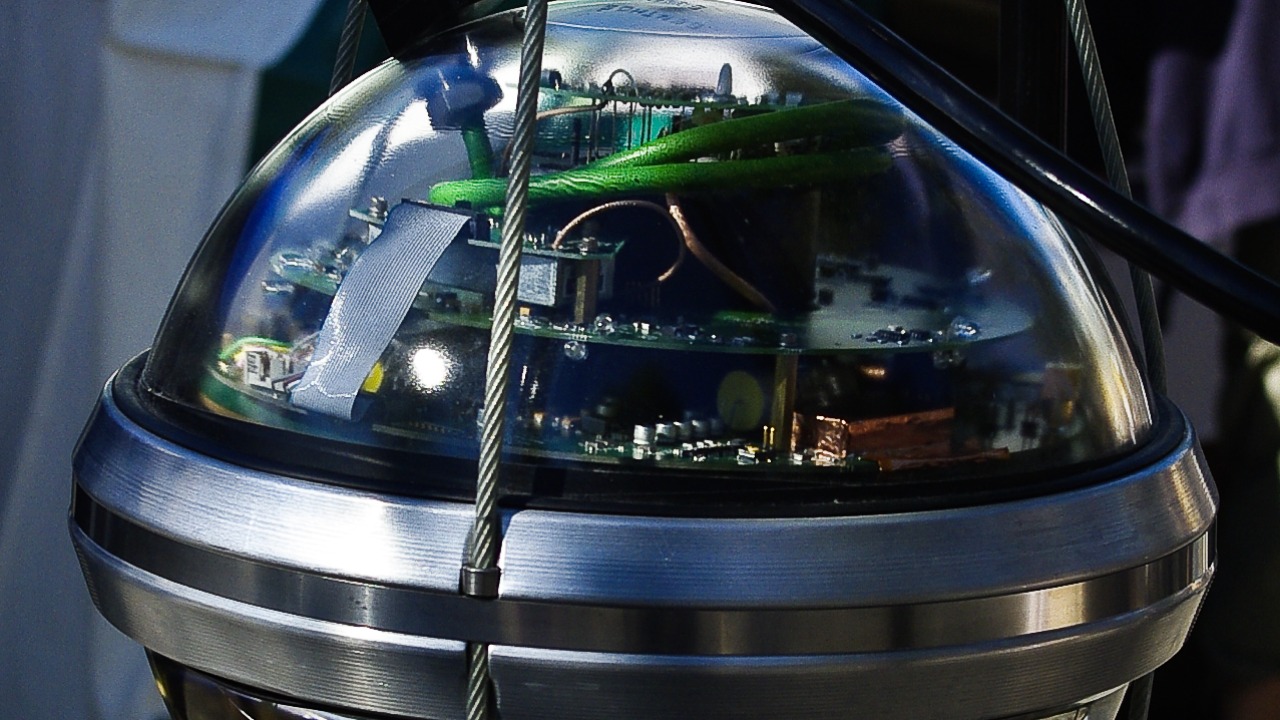
The detection of the ghost particle took place at a specialized facility in Italy, equipped with advanced instruments designed to capture such rare events. The facility’s precise location and the technology employed play a crucial role in identifying these elusive particles. The surprise element of this detection lies in the unexpected arrival of the particle, which left scientists both stunned and eager to understand its origins. Source.
Capturing a ghost particle involves a meticulous process of data analysis and verification. The instruments used are capable of detecting the faintest signals, which are then analyzed to confirm the presence of a ghost particle. This rigorous process ensures that the detection is not a false positive, adding credibility to the findings and paving the way for further research into the particle’s origins and implications.
The facility in Italy, known for its cutting-edge technology, is part of a global network of observatories dedicated to neutrino detection. These facilities employ massive detectors filled with ultra-pure water or ice, which are capable of capturing the rare interactions between neutrinos and atomic nuclei. The Italian facility’s strategic location underground helps shield it from cosmic rays and other background noise, enhancing its sensitivity to these elusive particles. This detection marks a significant achievement, demonstrating the effectiveness of international collaboration and technological innovation in advancing our understanding of the universe.
Potential Link to a Dying Black Hole

One of the most compelling hypotheses regarding the ghost particle’s origin is its potential link to a dying black hole. Scientists speculate that the particle could be a result of processes such as Hawking radiation or explosive emissions from black holes nearing the end of their life cycles. This theory is supported by the particle’s energy signature, which aligns with known black hole decay processes. Source.
While the dying black hole scenario is currently the leading explanation, alternative origins for the particle are also being considered. These include other high-energy cosmic events that could produce similar particles. However, the alignment of the particle’s characteristics with black hole decay processes makes the black hole hypothesis particularly intriguing, offering a potential new avenue for understanding these mysterious cosmic entities.
Further supporting the black hole hypothesis, the particle’s detection coincides with theoretical predictions about the behavior of black holes as they lose mass and energy over time. According to these theories, as black holes emit Hawking radiation, they gradually shrink and eventually evaporate, potentially releasing high-energy particles like the one detected. This process, if confirmed, could provide empirical evidence for Hawking’s groundbreaking theory, which has remained largely theoretical since its inception. The implications of such a discovery would be profound, offering a rare glimpse into the final stages of black hole evolution and the fundamental laws governing the universe.
Implications for Scientific Research
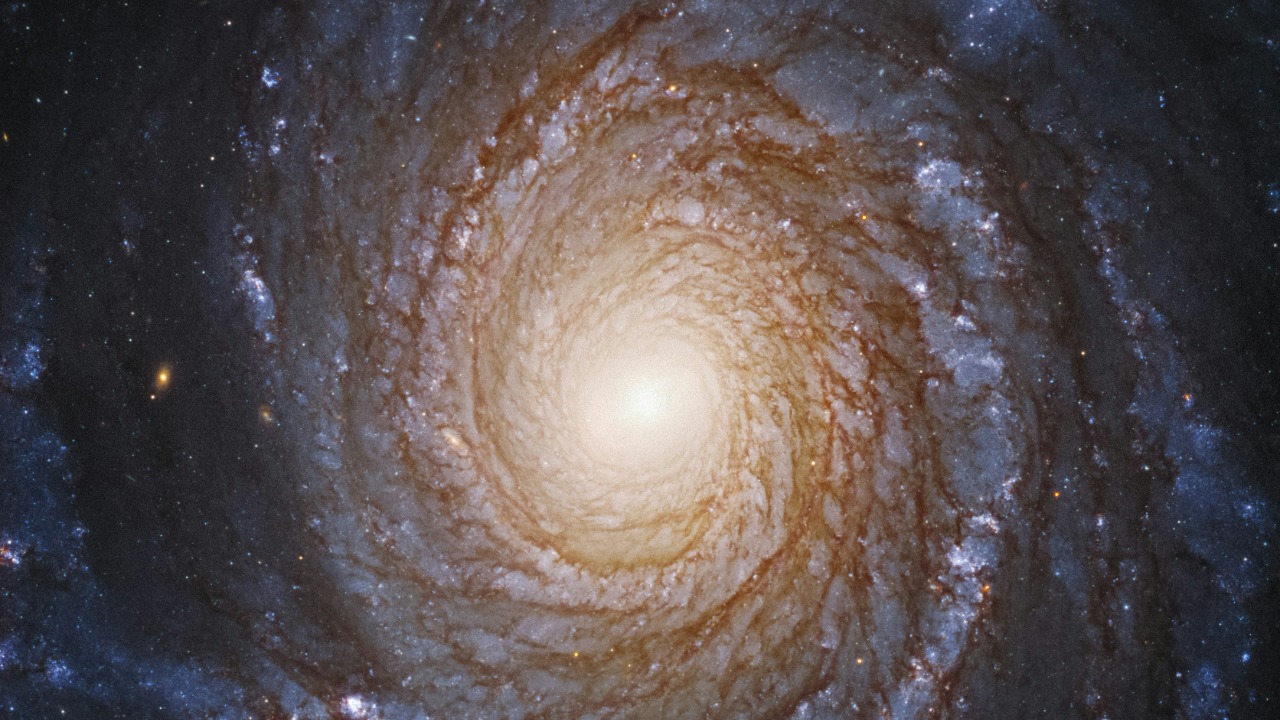
The detection of this ghost particle could significantly advance our understanding of black hole lifecycles and particle physics. By studying the particle’s properties and origins, scientists hope to gain insights into the processes occurring in black holes and the fundamental nature of the universe. The stunned reactions from the scientific community highlight the broader impact of this discovery on the field of astrophysics. Source.
Future experiments and observations will be crucial in confirming the particle’s source and properties. These efforts will likely involve collaborations across international research facilities, utilizing cutting-edge technology to capture and analyze similar particles. The ongoing research promises to deepen our understanding of the universe’s most enigmatic phenomena, potentially leading to groundbreaking discoveries in the years to come.
The discovery of the ghost particle opens new avenues for interdisciplinary research, bridging the fields of particle physics, cosmology, and astrophysics. By integrating data from various observatories and theoretical models, scientists aim to construct a more comprehensive picture of the universe’s most extreme environments. This endeavor not only enhances our understanding of black holes but also informs the search for dark matter and other exotic particles. As researchers continue to refine their methods and technologies, the potential for groundbreaking discoveries in the coming years remains high, promising to reshape our understanding of the cosmos.
